Author: admin

  • Sustainability Standards and Protocols for Future Technology Development

    Sustainability Standards and Protocols for Future Technology Development

    Sustainability standards and protocols for future technology development form the foundation of responsible and ethical innovation.  
    With the ecosystem facing environmental challenges with limited resources, technology development needs to take precedence by implementing an agenda for environmental protection, social justice, and sustainability. These standards assure the conformity of AI, computer, and digital infrastructure innovations to the established sustainability goals across the globe. Undoubtedly, adopting a sustainable technology choice is more than an ethical decision; it is an existential choice determining where humanity develops in the coming decades. Incorporating sustainability into technology development requires radical rethinking of design principles. Conventional methods tend to favor efficiency and performance considerations while ignoring environmental impacts. But in the sustainable paradigm, in addition to efficiency and utility of use, lifecycle assessments have significance that demand minimization of carbon footprints from raw-material extraction to end-of-life disposal. Innovation strategies must incorporate principles of a circular economy; this means creating products and systems for repair, repurposing, and recycling rather than disposal.  
    Energy consumption remains one of the most critical concerns in future technology development. The rapid establishment of data centers, blockchain networks, and AI-based applications places an unprecedented demand on electricity. Sustainability protocols now argue for energies in architectures, renewable energy sources, and advanced cooling mechanisms to reduce their environmental impact. Green computing systems such as dynamic power management and algorithmic processing optimization are necessary to reduce the environmental costs associated with technology expansion.  
    Another important dimension of responsible technology is the material sustainability perspective. Extraction of rare earth elements and metals for manufacturing electronic circuits present grave ecological and human rights issues. Standards for ethical sourcing must be applied to safeguard against ecological degradation and exploitative labor practices. Future technology must position bio-based materials, harmless alternatives, and sustainable supply chains that minimize dependency on conflict minerals as a priority. The fields of nanomaterials and biodegradable electronics hold the promise of a future where high-performance technology will not be achieved at the expense of planetary health. There are noises and murmurs about sustainable software engineering since organizations are being aware of hidden environmental costs of inefficient code. Inefficiently designed software keeps the hardware buzzing, thus causing energy consumption and e-waste to spiral. Adoption of green coding practices, minimization of unnecessary computations, and using lesser server architectures could prove beneficial for the sustainability of digital infrastructure. Machine learning models by nature call for massive amounts of computation, thus they should be hedged for efficiency so that sustainability can be woven into product thinking and innovation via artificial intelligence.  
    Another area where AI accelerates sustainable development is that it can help optimize energy grids, forecast climate patterns, and manage precision agriculture through AI-driven analytics, thereby reducing waste and improving resource efficiency. To better serve sustainability, however, AI must itself undergo development processes compliant with strict environmental standards. This means that the development of AI models should give priority to low-energy architecture, decentralized learning frameworks, and data sourcing that is ethically aligned with sustainability objectives.  
    Sustainability principles must be married with urban technologies if the future of smart cities is to be anything but plain hope. Internet of Things (IoT) networks, autonomous transportation systems, and digital governance platforms must be approached from the angles of efficiency and resilience. Sustainable urban planning entails real-time environmental monitoring, adaptive infrastructure, and equitable access to digital services. A sustainable smart city is much more than a city that simply uses technology to make things more convenient. It is a city that uses technology to take care of its people and the environment around them.  
    Water and waste management, being under the ambit of sustainability, are possibilities of evolution. Water distribution systems are now digitalized; other systems like smart leak detection and AI-induced recycling will enhance resource saving. Circular waste-to-energy technologies, fueled by biotechnology and AI automation, will convert industrial and consumer waste streams into renewable energy sources. Leaving sustainability as the basis for technological development, industries can move on to put in place regenerative solutions that rebuild ecological balances instead of waste minimization. The ethics with sustainability standards also embrace social responsibility. Technologies must evolve together with their users–marginalized communities must have equal access to the benefits of digital transformation. To bridge the digital divide, policies must be put into place that will provide equitable access to education, internet connectivity, and digital tools. Sustainable technology development is not only about minimizing harm: it is fostering the prosperity of the world by providing equal access to innovations.  
    Sustainability for all can also be interpreted as the limitations or constraints under which technological progress operates. Thus sustainability considers innovation inextricable from its capacity to serve humanity, without compromising the future of the planet. Thus, making sustainable practices a deliberate choice within the realm of technology is now an ethical and strategic one, deciding whether this digital era will bedevil the earth with ecological destruction or resurrect the earth into nurturing viability. The future is to be built with a strong design thinking approach based on foresight, resilience, and ethical responsibility the legacy where development and sustainability remain eternally fused.  

  • Bold Steps to Revolutionize Agricultural Sector Emphasized

    Bold Steps to Revolutionize Agricultural Sector Emphasized

    Speaking at the conclusion of the two-day Pakistan Agriculture Coalition (PAC) conference and expo at the Karachi Expo Centre, he stressed that the agricultural economies worldwide are focusing on improving their agri-supply chains, making them more efficient, innovative, and entrepreneurial.  

    Minister Mahar pointed out several key obstacles hindering the growth of the agriculture sector in Pakistan. Among the most significant challenges are post-harvest losses, which average around 40% of horticultural crops, limited access to modern storage facilities, and the ongoing impacts of climate change. He highlighted the devastating biblical-scale floods that have ravaged Sindh over the past 15 years, further exacerbating the already fragile agricultural landscape.  

    Mahar called for immediate attention to these issues, urging stakeholders to come together and implement effective solutions for the sector’s transformation.  

    Collaboration Between Private Sector and Farmers is Key: FAO Representative  
    Florence Rolle, the Country Representative for the United Nations’ Food and Agriculture Organization (FAO), echoed similar concerns, emphasizing that the private sector in Pakistan holds the key to shaping the future of a market-driven agricultural industry. Rolle pointed out a major gap between farmers and investors, stressing that the collaboration witnessed in other countries is sorely lacking in Pakistan.  

    She highlighted the need for enhanced cooperation and engagement between the two parties to unlock the full potential of the agricultural sector, ensuring that the market can effectively meet the needs of both producers and consumers.  

    Exploring Carbon Credits to Benefit Farmers: Dr. Irfan Ali’s Insights  
    Dr. Irfan Ali, a renowned expert on climate change and agriculture, delivered an insightful presentation on the potential benefits of carbon credits for Pakistani farmers. He explained that agriculture is a major contributor to greenhouse gas emissions, particularly from livestock methane, fertilizer-induced nitrous oxide, deforestation, and energy use in farming activities. These factors account for approximately 50% of the country’s total emissions, which has a significant impact on the environment.  

    Dr. Ali highlighted how the negative effects of greenhouse gas (GHG) emissions lead to reduced agricultural productivity, water stress, soil erosion, fertility loss, and an increased risk of food insecurity. In light of these challenges, he called for a paradigm shift toward sustainable farming practices to improve resilience in the sector.  

    Carbon Credits as a Solution: Gediz Kaya’s Perspective  
    Gediz Kaya, the CEO of GAIA Climate from Turkey, emphasized the vital role of carbon credits in climate mitigation investments, yet noted that Pakistan’s understanding of the concept remains limited. Kaya explained that carbon credits could play a crucial role in financing climate-friendly technologies and sustainable practices, especially in agriculture and small-to-medium enterprises (SMEs). For Pakistan, a country highly vulnerable to climate change, understanding and leveraging carbon credits is essential for long-term sustainability.  

    Monetizing Carbon Credits: A New Income Source for Farmers  
    Asad Soorty, Director of Soorty Enterprises, also highlighted the economic potential of carbon credits for Pakistani farmers. He explained that carbon credits, which currently sell for $5-20 per ton, could provide an additional stream of income for farmers, especially in light of practices like burning crop waste, which significantly contributes to emissions. Soorty suggested that farmers could instead convert this crop waste into bio-char, a form of slow combustion used in brick kilns, which not only reduces emissions but also produces a valuable byproduct that can be used for soil enhancement.  

    Promoting Exports and Trade: Sheryar Taj’s Vision  
    Sheryar Taj, the Secretary of the Trade Development Authority of Pakistan (TDAP), presented plans to increase the export potential of the country’s agricultural sector. He revealed that TDAP would organize 27 exhibitions throughout the year as part of its annual business plan. Taj further shared that Pakistan’s total exports had reached a record $8 billion in the previous year, with agriculture contributing significantly. Notably, rice exports from the agricultural sector made up over 50% of that total, underscoring the importance of agriculture to Pakistan’s trade economy.  

    A Positive Outlook: Hadi Ali Rizvi’s Closing Remarks  
    In his closing remarks, Hadi Ali Rizvi, Chairman of the Pakistan Agriculture Coalition, expressed gratitude to all the speakers, participants, and guests who had contributed to the success of the conference. He highlighted the importance of ongoing dialogue, collaboration, and innovation in addressing the challenges faced by the agricultural sector.  

    The PAC conference proved to be a platform for deep discussions on the future of Pakistan’s agriculture and the bold steps needed to overcome the barriers holding back the sector’s growth. With ongoing efforts to modernize and innovate, the future of Pakistan’s agriculture sector appears to be on the brink of significant transformation.  

  • Cholistan Canal and Green Pakistan Initiative: Transforming Agriculture Amidst Controversy

    Cholistan Canal and Green Pakistan Initiative: Transforming Agriculture Amidst Controversy

     The inauguration, which took place in the Kandai and Chapu areas of Cholistan, was a grand event attended by key government figures, including Federal Ministers Rana Tanveer Hussain (National Food Security & Research) and Dr. Musadik Malik (Water Resources), along with senior provincial ministers and officials. The initiative promises transformative changes, with a focus on sustainable agriculture through modern technology and better resource management.  

    The Green Pakistan Initiative’s centerpiece includes the development of a Green Agri Mall and Service Company, which will serve as a one-stop solution for farmers, offering seeds, fertilizers, pesticides, and machinery at subsidized rates. The program also introduces a Smart Agri Farm, designed to maximize crop yield through a high-efficiency irrigation system. Additionally, the Agri Research and Facilitation Centre will provide technical support and laboratory services, aiming to improve agricultural practices through collaboration with research institutes across the country.  

    The Punjab Chief Minister emphasized that agriculture is the “lifeline of Pakistan” and praised the GPI for introducing contemporary practices that would mark the beginning of a new era for Punjab’s farmers. COAS Gen Asim Munir echoed this sentiment, highlighting Punjab’s importance as the backbone of Pakistan’s agricultural sector and reaffirming the military’s support for the initiative.  

    However, the ambitious plan has not been without controversy, especially concerning the proposed Cholistan Canal, one of the key components of the GPI. While the project has the backing of the federal government, the Pakistan Peoples Party (PPP), an ally of the ruling Pakistan Muslim League-Nawaz (PML-N) at the federal level, has raised serious concerns about the canal’s impact on the water supply for Sindh. The PPP has questioned the feasibility of constructing new canals like the Cholistan Canal, given the existing water shortages and the environmental strain on the Indus delta.  

    Sindh’s position is clear: the Cholistan Canal project must undergo thorough scrutiny by the Council of Common Interests (CCI) before any approvals. The federal government has moved to bypass this review process, leading to a growing rift between the provinces. Sindh argues that the region is already facing severe water shortages, with water availability dropping by 19.4% from 2019 to 2023, and that building new canals could exacerbate the crisis. Additionally, the lack of guaranteed environmental water flows for the Indus delta and the increasing number of “no-flow” days in the region have made the proposal increasingly contentious.  

    Despite these objections, the Central Development Working Party (CDWP) has given the green light to the construction of the Cholistan Canal, allocating a budget of Rs 225.34 billion for the project’s first phase. Still, tensions remain, as Sindh continues to call for a delay in final approvals until the CCI weighs in on the matter. Concerns about the canal’s impact on the lower riparian areas of Sindh, particularly the potential intrusion of seawater into the coastal region, add another layer of complexity to the ongoing debate.  

    In the face of these challenges, Punjab’s Agriculture Minister, Syed Ashiq Hussain Kirmani, remains optimistic about the transformative power of the GPI. He believes that this initiative, along with other projects like the Kissan Card and Green Tractor Programme, will revolutionize the agricultural sector, modernize farming practices, and ensure food security for the country.  

    As the Green Pakistan Initiative moves forward, the federal government, provincial authorities, and military institutions are working together in a collaborative effort to overcome these challenges and usher in a new era of agricultural prosperity. However, the approval and construction of projects like the Cholistan Canal will depend on overcoming significant political and environmental hurdles, especially as Pakistan’s provinces continue to debate the best path forward for the nation’s water resources. — ER

  • FibreCom: A Journey into the Future of Communication

    FibreCom: A Journey into the Future of Communication

    I am a network professional, and I must share that the communication industry saw significant growth in 2020, as we braved the challenges of COVID-19. The shift to working from home made the need for reliable internet and associated technologies inevitable. I have been working in the security field, specializing in surveillance, access control, and fire alarms, as it has been my family business. However, after witnessing the boom in the communication industry, I decided to transition into this field. Over time, I expanded into areas such as communication and optical fiber transmission. Since optical fiber offers the fastest data transfer speeds, the required components at the backend, such as receivers, are available as solutions. As customer demand for solutions increased, we optimized our offerings.

    The speed of optical fiber is virtually limitless in terms of its medium at the front end, and the determination of speed depends on the backend technology. The highest models available in the market today can handle up to 100 GB. However, given the rapid development of this industry in Pakistan, we are gradually progressing towards speeds of up to 1.6 terabits.

    We initially targeted network corporations and ISPs that wanted to connect to their data centers, sourcing required components from China. Later, the telecom industry, including the SCO in Azad Kashmir, approached us, becoming one of our biggest customers. As a result, we continue to grow in this field.

    The global boom in this industry has also been reflected in Pakistan. With the growing necessity of internet access, we trained people to understand this technology. Today, internet services like ChatGPT and DeepSeek are helping us meet these evolving needs.

    In the past, communication relied on copper-based connections between exchanges, connected by radio. Today, these connections are facilitated via optical fiber. Copper-based connections are expensive when you need multiple lines, but optical fiber makes these connections more affordable. With a single-core fiber line, you can support multiple connections without the costly infrastructure required for copper.

    Currently, many companies in Pakistan produce optical fiber locally, which has further reduced costs. In addition to lower costs and faster transfer speeds, optical fiber offers a variety of solutions for customers.

    Starlink is expensive in Pakistan, and its global tariffs are high as well. However, it is beneficial for remote areas that lack communication infrastructure. At present, Pakistan is 80% covered by optical fiber, and the necessary infrastructure is already in place. I don’t see Starlink as a major threat to our business, as fiber optics have virtually limitless capacity, while Starlink has limitations.

    Pakistan is gradually developing its local communication industry, with companies like Premier Cables and PTCL cables exporting products. Additionally, some smaller industries are manufacturing optical fiber, and the quality is quite good. However, the core components are still imported from China, and all the required devices are also sourced internationally.

    If we were more export-oriented, we would be in a very strong position due to Pakistan’s strategic location. However, there is a lack of focus on this, with many people investing in real estate instead of contributing to industrial development. In contrast, India has made significant progress by installing SMT machines and purchasing chips from Taiwan to offer its own solutions. Pakistan has the skills to do the same, but it requires better policies, such as lower electricity costs, to make it viable here.

    We started our journey in 2020, and FibreCom deals with communication and fiber technologies. We strive to provide all the equipment necessary to streamline the communication process, offering maximum support at the backend. Our solutions cover everything from home to industrial applications.

  • ‘There is a need to balance our approach for security and safety systems’

    ‘There is a need to balance our approach for security and safety systems’

    The public perception of safety and security varies greatly in Pakistan. Security is often addressed aggressively in response to the country’s law and order situation in last three decade. Security concerns have been given attention due to its importance for peaceful living. This is evident from the widespread presence of monitoring cameras, security guard, access and monitoring systems in houses, buildings, malls and industries, says Syed Mahmood Ali, Business Unit Head, Mega Plus PCC (power controls and communication Division.)  
    In an interview with ER, he went on to build his argument: Safe cities programs have been launched in Pakistan in an effort to get centralized and efficient response to crimes using advance security systems. Nowadays, you can find people monitor their premises using latest IoT-based solutions on their cell phones.  
    On other side though fire safety—tells a different story. Following the 2005 earthquake in Pakistan, there was a realization, particularly after fire eruption to enhance building codes adding fire safety in all buildings. Mega Cities like Karachi, Islamabad and Lahore saw revised building codes and safety procedures were adopted aggressively. However, this focus especially on regulating fire safety systems faded away. Rapid fire incidents in recent past are evidence of this negligence.  
    The government role is very important to ensure these building codes and regulations are implemented properly.  
    Are public sector departments responsible for fire safety playing their part, and are they attaching due importance to the installation of fire safety systems?  
    The role of the government is pivotal. First to formulate safety regulations and codes and then updating & upgrading these codes according to international standards and norms periodically. Implementation of these regulations also falls under the government’s domain. The agencies responsible for monitoring that these regulations and safety standards must ensure that not only fire detection and suppression systems are installed but their periodic check and maintenance is done timely at premises, for emergency time operations.  
    The government can also play a significant role by offering incentives in form of reducing import taxes on life safety systems and components that are not produced locally, attracting investors to bring technology and production of these items locally. This way these fire safety systems become more affordable even for smaller projects and developers as well. The Govt, NGOS and industry leaders need to collaborate to launch and support awareness campaigns focusing on the importance of fire and  safety measures to protect people’s lives.  
    International experiences shows that fire and safety systems irrespective of installation size must adopt it as a basic building need now. Also fire detection and alarms systems of premises shall be connected to local fire departments for timely response & fire fighting. Such practices should be strengthened in all Pakistan.  
    How have AI and IoT impacted safety systems, and what changes have you witnessed?  
    Technology has advanced significantly in the new millennium. Fire safety technologies, including connected sensors sensitivity & self-learning algorithm has improved considerably. Security systems, too, have evolved with the introduction of modern and sensitive AI based cameras and equipment. IoT has transformed seamless integration of   different systems like security systems, barriers, X-ray machines, sensors and cameras with building management systems and into fire safety and emergency evacuation systems as well. In past, integration was challenging due to mismatching/proprietary systems protocols. Now with IoT based integration, this is getting much easier, faster and efficient. AI induction and usage is also adding on benefits every day.  
     Also, the world has moved to predictive maintenance in all segments of industry and buildings systems. AI tools are now being used to predict failure and threats early. This also allowing technology to identify potential threats in advance and improve fire and safety systems operations and maintenance.  
    Areas of Operation and Principles of Mega Plus  
    Megaplus Division of Power Controls and Communication (PCC) has multiple international brands with us. We are Honeywell’s Distributor & system integrator of Esser by Honeywell fire alarm & Honeywell security systems. We maintain a healthy inventory and also do commissioning and maintenance of these systems via our Honeywell certified and trained team of Engineers.  
    we are also Distributor and stockiest of HIK Vision in Pakistan. We provide complete security solutions, including CCTV, access control, video walls and display system and physical security products. Our team also specializes in security software  integration, with satisfied clients.  
    Also in power products sector, Megaplus deal in electrical safety products as well. We are Distributor and stockiest of Schneider Electric for low voltage switchgear components.  
    Megaplus also provide e comprehensive Earthing and lightning protection solution representing Dehn, a leading German brand. We also represent some world-renowned brands like Legrand and Corning as well.  
     With Our installed base of clientele, Megaplus is protection hotels, hospitals, malls, residential estates, all industry and IT segments as well making us one of the leading fire safety and security company in Pakistan, with offices in all provinces and Capital city.  

  • Mega Plus has expanded in three directions; technologically, geographically, and efficiently: Rashid Bukhari

    Mega Plus has expanded in three directions; technologically, geographically, and efficiently: Rashid Bukhari

    If one were to link all changes with IT, it would be troubling, as IT is involved everywhere. We are witnessing significant growth in IT, whether it’s infrastructure or projects related to IT. Our IT exports are also increasing.  
    Now, what is Mega Plus’s role in these technological revolutions? We (Mega Plus) are a part of all of this. We partner with top-tier brands. From basic computing, we provide end-to-end solutions to our customers. Take, for example, a hospital. We provide IT infrastructure, structuring, electronic devices, fire alarm systems, servers, and everything else. We also provide hospital-based software management systems. Providing end-to-end solutions is Mega Plus’s core specialty. Thus, we are not only attached to the technology but also to the customer. We transfer to our customers all technological updates and revolutions, which is our merit.  
    We attach ourselves to the customer from the very beginning of any project and continue providing services until the advanced stages of the project.  

    Mega Plus and New Technologies  
    Mega Plus is now a 30-year-old company, covering all aspects of a project. We continually educate our customers and do not rely on older technologies. We keep upgrading systems and technologies through the introduction of modern devices and systems. We do all of this because we value our customers.  

    The Future of the IT Business in Pakistan  
    We always need fresh talent, but unfortunately, it is being drained out of the country, just like the export of technologies. These people are also progressing abroad, which is commendable, but there are some negative aspects attached to this trend. On this front, the government should work on a policy framework that encourages young people to stay in the country and develop infrastructure here. Additionally, we should not forget that people who have their basic needs met in the country are less likely to leave. Since the pay scale has improved in Pakistan, most people are opting to stay in the country. We always need young blood, and it is crucial for the growth of our business.  

    New Technology Inductions and Potential in Business and Industry  
    Local businesses and industries have no choice but to embrace new technologies. I must share that a few schools, which are connected to us, are educating students using tablets. This is mandatory because technology is now essential for such tasks. If anyone thinks they can prevent their children from accessing the internet, there is no option to do so.  

    Industry-Academia Gap  
    Practical experience is lacking in this country, and trust me, young engineers and students have to struggle a lot. This is not possible without internships and hands-on knowledge. The courses you take at universities do not necessarily reflect the demands of the job market. Practical knowledge comes from other sources, like the market. There is a significant difference between theory and practice. The market’s requirements are different from what is taught in textbooks. Internships can bridge the gap between theory and practice, and we should appreciate them.  

    About Mega Plus’s Journey  
    Mega Plus is a leading brand. Besides IT infrastructure, we deal with all technology-related products. These include Lenovo, HP, HIK Vision for surveillance, and we also work with Schneider, Honeywell, etc. We have numerous divisions that deal with different technologies. We are involved with top-tier brands in electronics, home appliances, and end-to-end solutions.  

    Future Plans  
    Mega Plus will continue to grow with the passage of time. We have offices in Dubai, Kenya (covering Africa), Saudi Arabia, and other regions. Over the past three decades, we have expanded not only technologically but also geographically.

  • NESPAK Secures Safe City Projects for Dasu and Basha Dams

    NESPAK Secures Safe City Projects for Dasu and Basha Dams

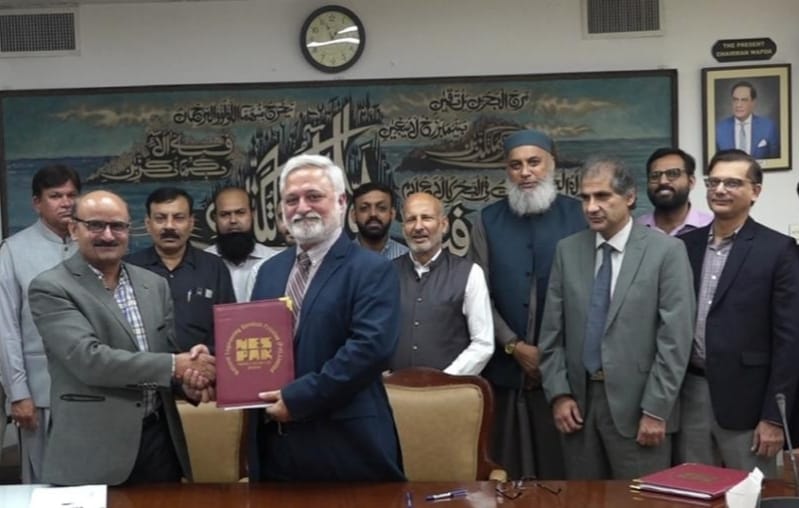
    NESPAK has recently signed a contract with WAPDA to provide management consultancy for the Dasu Safe City Project, aimed at securing both the workforce and surrounding communities of the Dasu Hydropower Project (DHPP). Due to the region’s security challenges, the project will implement a digital surveillance system that includes IP-based cameras, smart sensors, detectors, and scanners. The system is designed to enhance coordination among security agencies and law enforcement, optimizing response efforts to potential threats.  

    Additionally, NESPAK’s New Ventures Division has been awarded the Safe City Project for the Diamer Basha Dam area by Diamer Basha Development Company (Pvt.) Ltd., a WAPDA subsidiary. This project will integrate advanced technology such as AI-driven facial recognition, PTZ and general surveillance cameras, crowd analytics, body-worn cameras, and an advanced video management system. A fully equipped C4I (Command, Control, Communication, Computers, and Intelligence) center will oversee and coordinate security operations.

    Both projects involve significant infrastructure work, including the deployment of fiber optics, LTE networks, access control systems, and vital civil works. NESPAK’s responsibilities will include design review, contractor selection, and on-site implementation supervision. – LAHORE: PR

  • Pakistan Cables inaugurates its PVC Compounding Plant in Nooriabad, Sindh

    Pakistan Cables inaugurates its PVC Compounding Plant in Nooriabad, Sindh

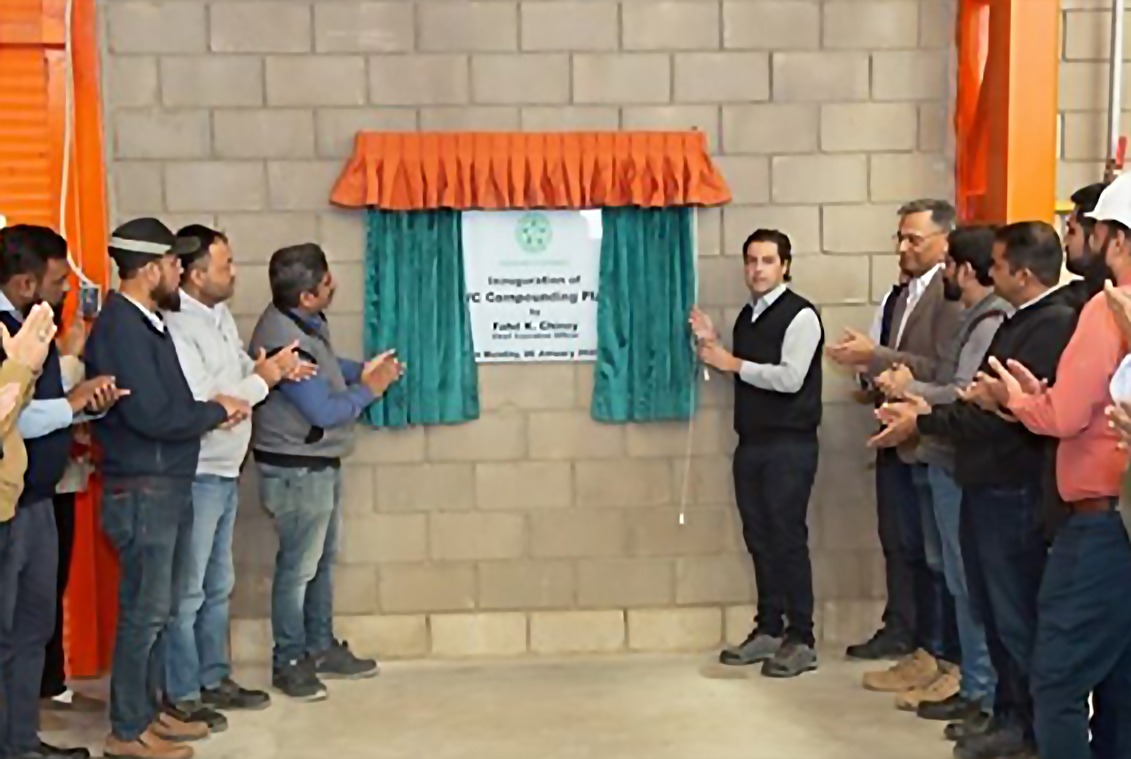
    Founded in 2007, the company was the first in the industry to establish its own PVC Compounding Plant at its factory in SITE, Karachi. As part of the development of its new factory in Nooriabad, the company remains focused on investing in higher efficiency, reliability, and diversification of operations through cutting-edge technology.  

    According to Fahd K. Chinoy, “Through enhanced local production, Pakistan Cables has strengthened its position as a premier supplier of PVC compounds across diverse industries. As the first and leading wires and cables manufacturer in Pakistan, we strongly believe in the economic potential of the country and remain committed to investing in and growing the local industry for a stronger economy. This is a milestone achievement for our new factory, which is reshaping industry standards.”  

    Founded in 1953, Pakistan Cables is the premier and most reputable cable manufacturer in Pakistan. It is the first and oldest wires and cable manufacturer listed on the PSX since 1955. The company is also a member of the Amir S. Chinoy (ASC) group. Pakistan Cables has the largest geographical footprint in Pakistan, with a presence in over 200 cities. It is ISO 9001:2015, ISO 14001:2015, and OHSAS 18001:2007 certified, with various cable types tested by KEMA, Netherlands. Pakistan Cables is the only building materials company in Pakistan that has its carbon emission reduction targets approved and validated by the SBTi. – NOORIABAD, Sindh: PR

  • Strengthening Ties: Pakistan and Turkey Aim for $5 Billion Trade Goal

    Strengthening Ties: Pakistan and Turkey Aim for $5 Billion Trade Goal

    Pakistan and Turkey pledged to work toward increasing their bilateral trade volume to $5 billion.  
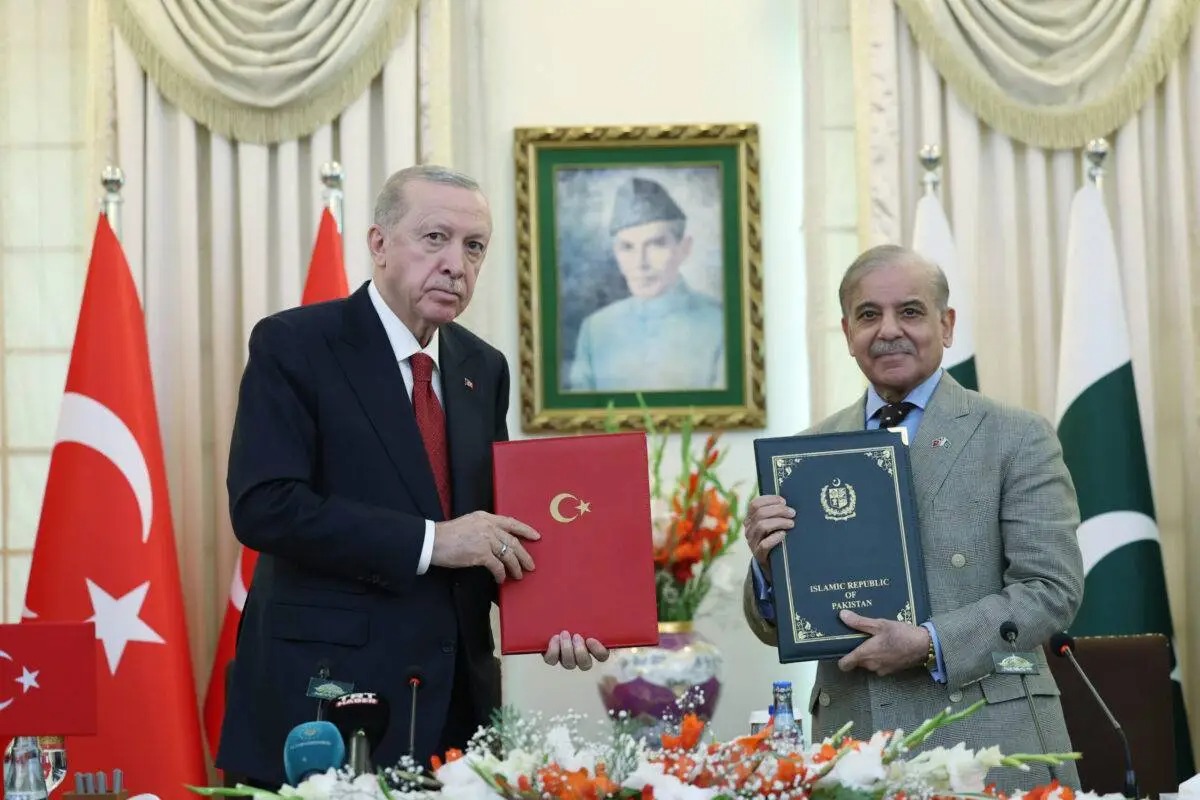
    The Turkish President, Recep Tayyip Erdogan, arrived in Islamabad last week and was received by Pakistan’s President Asif Ali Zardari and Prime Minister Shehbaz Sharif. Following a warm welcome, Erdogan met with Prime Minister Sharif, where both leaders emphasized expanding their current trade agreement, with a focus on enhancing defense and investment sectors.  
    Erdogan expressed that Turkish investors would be encouraged to increase their engagement in Pakistan, and military cooperation had already boosted trade. He was confident that 24 agreements signed during the visit would benefit both nations. Prime Minister Shehbaz Sharif acknowledged that although both countries were committed to reaching the $5 billion trade target, much work remained to be done. He emphasized his commitment to supporting Turkish investors and ensuring smooth operations in Pakistan. He also apologized for any past inconvenience faced by Turkish businesses, pledging to make improvements going forward.  
    During the visit, Erdogan and Sharif signed various agreements covering trade, water resources, energy, defense, culture, and social services. Speaking at the signing ceremony, Sharif welcomed Erdogan and praised Turkey for its unwavering support in times of disaster, including earthquakes and floods. Erdogan, in return, expressed gratitude for the warm reception and the strengthening of bilateral relations. He also highlighted the expansion of military cooperation, which had been a critical pillar of the partnership.  
    Before the meeting with Sharif, Erdogan was greeted at the Prime Minister’s House with a formal guard of honor, which included a salute from fighter jets. The Turkish President also met with President Zardari, where both reaffirmed their commitment to enhancing cooperation in energy, tourism, and trade. Zardari encouraged Turkish businesses to increase investments in Pakistan’s key sectors, especially in the stock market.  
    Erdogan’s visit marks the final leg of his overseas tour, which also included stops in Malaysia and Indonesia. His visit underscored the growing strategic and economic ties between the two countries, particularly in defense cooperation. Turkey has become a key arms supplier to Pakistan, and both countries are deepening their military collaboration with joint projects like the Milgem warships and drone technology.  
    The two countries have also shared interests in regional security, particularly concerning the crises in Syria and Gaza. Erdogan’s visit is expected to pave the way for further discussions on issues such as counterterrorism and post-conflict reconstruction in Syria, along with greater economic cooperation in digital trade and trade liberalization. The visit marks an important step in strengthening the Strategic Economic Framework between Pakistan and Turkey, which both leaders are eager to expand.  
    This high-level visit between Erdogan and Sharif exemplifies the shared commitment to advancing bilateral cooperation, ensuring that agreements move beyond the paper stage into actionable projects that benefit both countries and the region. — ERMD  

  • What will PSO-SOCAR joint venture bring to Pakistan?

    What will PSO-SOCAR joint venture bring to Pakistan?

    ENERGY

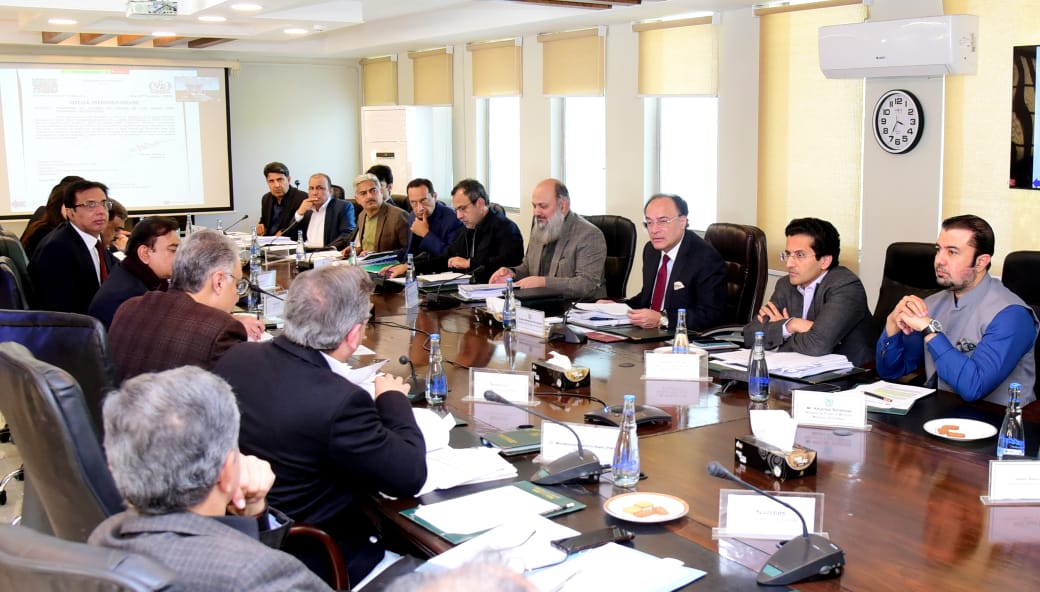
    The Committee also instructed the Ministry of Petroleum to ensure due diligence regarding specific investment approvals, particularly equity injections, as well as a timeline for the company’s operational launch.  

    The new joint venture, named PSO-SOCAR Trading Pte. Ltd., will be a collaborative effort between PSO and SOCAR, with the company based in Singapore.  

    The ECC directed the Ministry of Petroleum to ensure that all necessary financial and regulatory aspects of the investment process are thoroughly reviewed. Media reports indicate that PSO is set to deposit $0.5 million in a Singaporean bank as a mandatory requirement for the company’s registration.  

    OSCAR (officially called SOCAR Trading S.A.) is a subsidiary of SOCAR, specializing in trading and marketing oil, gas, and petroleum products in international markets. It manages the commercial and trading operations of SOCAR’s upstream and downstream activities.  

    What is OSCAR’s standing in the market?  
    OSCAR has a strong presence in the Caspian Sea region, trading oil and gas products, including LNG, primarily in regions where SOCAR is already established, such as Central Asia, the Middle East, and parts of Europe. Its market share is growing, especially with strategic partnerships like the one with PSO in Singapore.  

    While OSCAR is competitive in some regions, reports suggest it is not yet a dominant player on the scale of energy giants like Shell or TotalEnergies. However, with access to SOCAR’s production and resources, as well as its expanding presence in LNG trading, OSCAR could increase its market share.  

    OSCAR faces competition from multinational companies and emerging regional players. Yet, with its partnership with PSO, OSCAR can leverage the Singapore hub to access a broader global market. The company will need to scale operations and build a reputation for reliability in LNG supply and trading to compete effectively on a larger scale.  

    What will PSO gain from the partnership?  
    The joint venture in Singapore will focus on purchasing liquefied natural gas (LNG) from the spot market. With SOCAR’s extensive experience and established presence in the global LNG sector, PSO is expected to leverage SOCAR’s international market connections to enhance its trading capabilities.  

    This strategic partnership aims to enhance Pakistan’s energy security by securing reliable LNG supplies through an internationally recognized trading hub.  

    In December 2024, the Board of Management (BoM) of PSO approved a Sale Purchase Agreement (SPA) with SOCAR. A month earlier, the ECC approved the signing of an SPA for petroleum product supply between PSO and SOCAR.  

    This agreement makes PSO the second Pakistani company, after Pakistan LNG Limited (PLL), to import gas from the Azerbaijani energy company. In July 2024, PLL and SOCAR signed a landmark LNG purchase framework agreement, a significant milestone in bilateral energy cooperation between the two nations.  

    The framework agreement stipulates that SOCAR may offer one LNG cargo per month to PLL, subject to demand in Pakistan and commercial considerations, ensuring a reliable and consistent LNG supply to meet the country’s growing energy demands.  

    How is PSO’s partnership different from PLL’s?  
    The partnership between PSO and OSCAR focuses primarily on establishing a joint trading company in Singapore to engage in LNG trading on the spot market. This venture aims to enhance PSO’s ability to secure LNG supplies from the global market, diversify procurement strategies, and increase its presence in international LNG trading.

    This partnership emphasizes expanding PSO’s international footprint and strengthening energy security for Pakistan by providing access to more flexible, competitive LNG pricing. In contrast, the collaboration between OSCAR and PLL is focused on LNG procurement and supply for Pakistan. OSCAR provides sourcing, transportation, and supply chain management services to PLL, which ensures LNG imports for domestic consumption.  

    The OSCAR-PLL partnership is designed to guarantee a steady and reliable supply of LNG to meet Pakistan’s domestic energy needs, making it more operationally focused. OSCAR acts as an intermediary to help PLL fulfill the country’s energy demand.  

    How will PSO benefit financially?  
    While the specific annual financial benefits that PSO expects from its joint venture with SOCAR in Singapore have not been publicly disclosed, the collaboration aims to enhance PSO’s ability to purchase LNG from the spot market by leveraging SOCAR’s extensive experience and international market connections.  

    Although the exact financial gains remain unspecified, the joint venture is expected to strengthen Pakistan’s energy security by ensuring reliable LNG supplies through a globally recognized trading hub.  

    Establishing a joint trading company in Singapore—a major energy trading hub—marks PSO’s entry into the international LNG market. Being associated with SOCAR, a state-owned energy giant with a growing global presence, could improve PSO’s credibility and reputation.  

    Collaborating with SOCAR, which has a solid track record in energy resources and LNG trading, positions PSO as a trusted partner in international markets. This partnership will signal to investors and stakeholders that PSO is expanding its capabilities and playing a more prominent role in global energy trade.  

    Who will be the competitors of this new company?  
    The new joint company formed by PSO and SOCAR in Singapore will face competition from several global players in the LNG trading and energy sectors. Key competitors include Royal Dutch Shell, BP, TotalEnergies, ExxonMobil, Chevron, Gazprom, and Qatar Energy.  

    These companies, with their established infrastructure and extensive resources, are formidable competitors in LNG procurement and global energy markets.  

    Risks involved with the PSO-SOCAR venture  
    SOCAR’s home country and Pakistan both face geopolitical challenges, and any instability in these regions could impact the joint venture’s operations, particularly regarding LNG supply routes or pricing. Changes in diplomatic relationships, trade sanctions, or regional conflicts could disrupt LNG flow.  

    The LNG market is also susceptible to international trade disputes or tariffs. The joint venture will need to navigate complex global trade dynamics, which could present risks, particularly in terms of regulatory hurdles or tariffs imposed by major energy-producing countries.