The world is likely to have a major surplus of oil by 2030 as production is ramped up while the clean energy transition tempers demand, the International Energy Agency said Wednesday.
Global demand is expected to “level off” at 106 million barrels per day (bpd) toward the end of this decade while overall supply capacity could reach 114 million bpd, the IEA said in an annual report.
This would result in a “staggering” surplus of eight million bpd that oil markets should prepare for, the Paris-based agency said.
“As the pandemic rebound loses steam, clean energy transitions advance, and the structure of China’s economy shifts, growth in global oil demand is slowing down and set to reach its peak by 2030,” said IEA executive director Fatih Birol.
With “a major supply surplus emerging this decade,” Birol said, “oil companies may want to make sure their business strategies and plans are prepared for the changes taking place.”
The forecast comes days after the OPEC+ group of major crude producers signaled they would start to unwind output cuts this autumn, implemented in a bid to support prices against fears of weakening worldwide demand.
In its report, the IEA noted that fast-developing Asian countries like China and India along with the aviation and petrochemical sectors would still drive oil demand, which stood at 102 million bpd in 2023.
But the shift toward electric cars along with fuel efficiency gains for conventional vehicles, and declining use of oil by Middle Eastern countries for electricity production, would help limit the overall demand increase to around four percent by 2030.
‘Lower oil price environment’
The IEA said demand in advanced economies is expected to continue a decades-long decline, falling from 46 million bpd in 2023 to less than 43 million bpd in 2030—the lowest since 1991 apart from during the pandemic.
At the same time, oil production capacity appears set to surge, led by the United States and other countries in the Americas, leading to the forecast of an eight-million-barrel surplus—a level reached only during the COVID-19 lockdowns of 2020.
“Such a massive oil production buffer could usher in a lower oil price environment, posing tough challenges” for the US shale industry and the OPEC+ bloc led by Saudi Arabia and Russia, the report said.
“Such a massive cushion could upend the current OPEC+ market management strategy aimed at supporting prices,” it said.
In a separate monthly report on the global oil market, the IEA cut its forecast for demand growth for 2024 to 960,000 bpd compared to 1.1 million bpd in its previous outlook.
Its forecast for 2025 was also lowered to one million bpd from 1.2 million in its May report.
Author: Emp-1
-

World will amass ‘major’ oil surplus by 2030: IEA
-
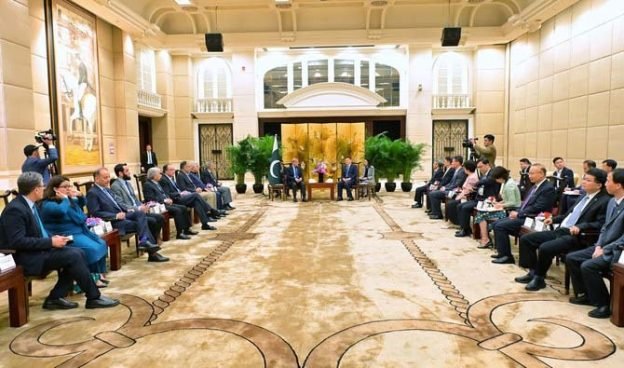
What did Pakistan gain from prime minister’s visit to China?
During his China visit, Prime Minister Shehbaz Sharif assured all-out facilitation to Chinese investors that mutually rewarding business-to-business cooperation was key to a bright future for the two people.
Addressing the Pakistan-China Business Forum, he highlighted bilateral trade and investment potential, especially in key sectors including the transfer of Chinese technology, industry, and partnership in IT, agriculture, mining, steel, textiles, and renewable energy.
Apparently, an admirer of the Chinese model of development said “I will go back to Pakistan with this resolve, come what may, we will follow this model of great economic transformation in Pakistan. This model is enough to copy and simulate if we are sincere to our purpose and people. By God, I can tell you this is difficult but not impossible,” he told the gathering of hundreds of business leaders from Pakistan and China.
As the Business Forum also marked the B2B matchmaking, he urged the Pakistani businessmen to sit with their Chinese counterparts and find out ways to move Chinese textile industries to Pakistan and make joint collaborations in steel and other industries. “Today is the opportunity, time, and moment to capture. Sit down with Chinese friends to have serious discussions. I want to ensure you not as prime minister but as Chief Executive of Pakistan that I will give you the fullest support so that businessmen of Pakistan and China get benefits jointly,” he remarked.
Prime minister’s and his teams’ claims as regards the gains apart, Nikkei Asia, a leading Japanese media company said the prime minister and his team left nearly empty-handed after finishing a five-day official visit because, quoting analysts as saying the Chinese have become wary of putting in more money since they know it is a financial black hole due to Pakistan’s long-term poor economic circumstances.
The paper writes: Pakistani leader Shehbaz Sharif went to China hoping to land more big-ticket energy and infrastructure deals as his country reels from an economic crisis.
While Sharif and his entourage of cabinet ministers met with President Xi Jinping and other top officials in Beijing, the group left nearly empty handed after finishing a five-day official visit this past weekend.
That may be the new normal for Pakistan’s leadership as China cools on the South Asian nation and its much-hyped $50 billion China-Pakistan Economic Corridor (CPEC), a cornerstone of Beijing’s globe-spanning Belt and Road Initiative.
“The Chinese have become wary of putting in more money since they know it is a financial black hole due to Pakistan’s long-term poor economic circumstances,” Jeremy Garlick, an associate professor of international relations at Prague University of Economics and Business, told Nikkei Asia. “China needs to maintain the facade that CPEC is working because it is supposed to be a key part of the BRI.”
Last month, Islamabad requested an additional $17 billion of China-funded energy and infrastructure projects following a key meeting of the body that decides on future CPEC investments.
Before his trip, Sharif’s first to China since taking office in March, Pakistani officials had claimed that an upgraded version of the multibillion-dollar agreement would be formally launched in Beijing.
The Chinese response, however, was lukewarm. A 32-point joint statement issued this weekend revealed that Pakistan eked out few concrete gains, with only a vague mention of an upgraded economic cooperation deal.
“Earlier CPEC investments in the power sector were rushed by political needs, and might not have been optimal,” said Stella Hong Zhang, a China public policy postdoctoral fellow at the Harvard Kennedy School’s Ash Center.
That was highlighted by cash-strapped Pakistan’s recent call to restructure more than $15 billion in power-plant debt owed to Chinese energy producers operating power plants in Pakistan. The surprise request came as the Islamabad negotiates a $6 billion to $8 billion bailout with the International Monetary Fund.
Another aggravating factor is security. On the weekend, Pakistan committed to ensuring the safety of Chinese workers in the country and projects after a string of deadly militant attacks alarmed Beijing, casting further doubt on future investment.
Still, Sharif’s entourage managed some modest gains. China agreed to advance the Main Line 1 (ML-1) Railway project in stages. With a price tag of $6.7 billion, the ML-1 will improve Pakistan’s railway infrastructure between the southern port city of Karachi and Peshawar in the north in three phases. China has only agreed to the first phase.
There was also a deal to upgrade a portion of the Karakoram Highway that connects Pakistan with China through mountainous terrain, which is closed during winter due to heavy snowfall.
“We will not see big investments, nor will we see China [completely] withdrawing from cooperation with Pakistan,” Garlick said.
Mohammad Shoaib, an assistant professor at Quaid-i-Azam University Islamabad, said that further progress on Chinese investment in Pakistan will likely come slowly, and remain that way: “CPEC will continue to be a major enterprise in terms of rhetoric only,” Shoaib said.
However, there may be potential for nongovernmental economic cooperation between the two countries, he added. “China will be interested in doing business with a growing number of enthusiastic entrepreneurs in Pakistan,” Shoaib added.
Zhang, from Harvard’s Kennedy School, agrees. The Chinese “government will urge companies to seek opportunities in Pakistan,” she said. “Whether such activities will bear fruit will still depend on how much Pakistan’s business environment improves. -

Local industry unable to meet local demands: Engr. Najeeb Haroon
Urging the Prime Minister to impose an education emergency in Pakistan, Federal Science and Technology Minister Dr. Khalid Maqbool Siddiqui has said Pakistan needs to produce at least 25,000 IT graduates and specialists to work globally and earn valuable foreign exchange for the country.
“In a country with 150 million youngsters, we have around 30 million children who don’t attend school, while a vast majority of school-going children are unable to read and write. Under these circumstances, we need to impose an education emergency and focus on producing thousands of IT graduates to fill the gap of IT specialists in the world,” Siddiqui said while speaking at an award distribution ceremony organized by the Pakistan Engineering Council (PEC).
An Artificial Intelligence-based ‘Traffic Management System’ to control traffic lights automatically and a wearable arm sleeve for performance analysis of cricket bowlers with AI-based analytics were among 10 startups awarded Rs10 million each as seed money by the PEC at a ceremony held in Islamabad on Thursday.
Launched by the Pakistan Innovation & Entrepreneurship Development Centre (PIEDC) of the PEC, the selection of startups was conducted in two phases, with 153 startups applying, out of which 10 were selected for the awards.
Lauding the Pakistan Engineering Council’s Innovation & Entrepreneurship Committee (ICE), Siddiqui praised the chairman and senior management of the PEC and assured the ministry’s full support for initiatives aimed at uplifting the engineering community in Pakistan. He also emphasized revitalizing the engineering education system to produce entrepreneurs and job creators.
Chairman PEC Engr. Najeeb Haroon lamented that Pakistan was importing most of the engineering products, including basic engineering items, as the local industry was unable to meet the demands of the people. “One of the major issues we are facing in the engineering sector is the declining enrollment of students in our engineering and technology universities. We are already facing a dearth of qualified engineers, and it is feared that this will increase in the days to come,” he added.
The PEC chairman said through the seed money project, they were trying to attract young students to come up with innovative ideas and start projects that could provide solutions to our needs and demands.
Maj-Gen Shahid Nazir, DG Special Project Land Information Management System (LIMS) of the SIFC, offered the SIFC’s support to nurture startups, particularly related to agri-tech, and said they could connect innovative startups with farmers who needed mechanized solutions to their issues in agriculture.
Director Pakistan Innovation & Entrepreneurship Development Centre (PIEDC) Engr. Dr. Amer Sohail Kashif, said many graduate engineers have innovative and commercially viable solutions for the challenges faced by Pakistan, resulting in entrepreneurship opportunities and job creation. “However, due to the lack of a focused platform for engineering startups, they are unable to flourish as independent entrepreneurs,” he said but added that now the PIEDC was offering interest-free loans as seed money, payable in 7 years in easy installments to the award-winning startups. -
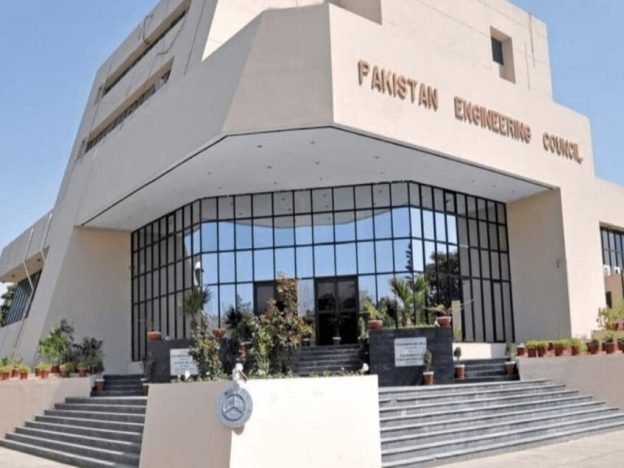
Pakistan secures six-year extension as‘Full Signatory of Washington Accord’
Pakistan has received a six-year extension in its title as a Full Signatory of the Washington Accord, bringing good news for the Pakistan Engineering Council (PEC) this June, similar to June 2017 when the regulatory body first obtained this prestigious status.
This decision for extension was made in the International Engineering Alliance Meeting (IEAM 2024) held on June 13, 2024, in New Delhi, India.
The Washington Accord establishes criteria, policies, and procedures for accrediting engineering academic programs. Signatories agree to accept each other’s accreditation decisions and to publish statements certifying their intent to do so. This mutual recognition ensures “substantial equivalence” of their engineering programs in meeting academic requirements. Signatories also commit to exchanging information, conducting mutual monitoring, observing accreditation visits, and promoting best practices. The Accord facilitates the effective mutual recognition of accredited Engineering Degree courses across signatory countries. Australia and the United States continue to serve as Chairman and Secretariat, respectively.
PEC, representing Pakistan, achieved this distinguished status in 2017 after first pursuing it in 2011. This multinational agreement, initiated in the UK and signed in 1989, promotes the mutual recognition of engineering accreditation worldwide.
Signatories to the Washington Accord have full participation rights, recognizing qualifications accredited or recognized by each other as substantially equivalent within their jurisdictions. Qualifications accredited under the Accord are listed on the Washington Accord Accredited Qualifications list, with the requirement that they must have been completed in or after 2017.
This achievement has provided engineers from Pakistan with significant opportunities, including studying abroad and obtaining employment, without barriers such as Competency Demonstration Reports (CDRs). They are also eligible for Skills Assessment via the Accredited Qualifications pathway for migration purposes. -

Pakistan’s energy sector suffers from multiple challenges to achieving affordable, reliable, sustainable energy: Benhassine World Bank approves $1 bn for DASU Hydropower Project
The World Bank’s Board of Executive Directors approved $1 billion in a second round of additional financing for the DASU Hydropower Stage I (DHP I) Project, group’s official website said.
This financing will support the expansion of hydropower electricity supply, improve access to socio-economic services for local communities, and build the Water and Power Development Authority’s (WAPDA) capacity to prepare future hydropower projects.
“Pakistan’s energy sector suffers from multiple challenges to achieving affordable, reliable, and sustainable energy,” said Najy Benhassine, World Bank Country Director for Pakistan. “The DASU Hydropower Project site is one of the best hydropower sites in the world and is a game changer for the Pakistan energy sector. With a very small footprint, the DHP will contribute to ‘greening’ the energy sector and lowering the cost of electricity.”
DHP is a run-of-river project on the Indus River about 8 km from Dasu Town, the capital of the Upper Kohistan District of Khyber Pakhtunkhwa Province. Upon completion, it will have an installed capacity of 4,320–5,400 MW. The project is being built in stages. DHP-I has a capacity of 2,160 MW and will generate 12,225 gigawatt hours (GWh)/year of low-cost renewable energy. The DHP-II will add 9,260–11,400 GWh per year from the same dam.
“DHP-I is an essential project in Pakistan’s efforts to reverse its dependence on fossil fuels and reach 60 percent renewable energy by 2031.” said Rikard Liden, Task Team Leader for the Project. “The second additional financing will facilitate the expansion of electricity supply and potentially save Pakistan an estimated $1.8 billion annually by replacing imported fuels, and offset around 5 million tons of carbon dioxide. The annual economic return of DHP-I is estimated to be around 28 percent.”
The additional financing will further support ongoing socio-economic initiatives in Upper Kohistan, particularly in the areas of education, health, employment, and transport. Through this project adult literacy has increased by an estimated 30 percent since 2012, boys’ schooling increased by 16 percent while girls’ schooling has increased by 70 percent during this period. The project will also continue ongoing community development activities on roads, irrigation schemes, schools, medical facilities, mosques, bridges, solar energy systems, and science laboratories and libraries, all with a particular focus on women beneficiaries, including the establishment of free healthcare clinics/camps with women doctors/nurses, trainings for female health workers, trainings on livelihoods and literacy for women, and awareness-raising programs on health and hygiene. -
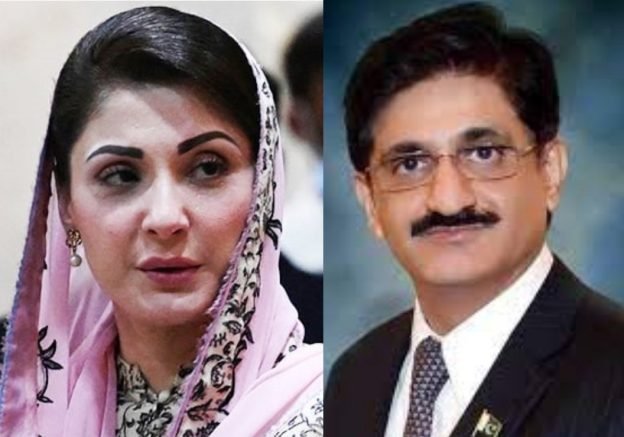
Punjab, Sindh design programs to create solar power culture
Pakistan’s two major provinces-Punjab and Sindh-have embarked on solarization programs focusing on lower-income groups. These initiatives are intended to expand the market for solar energy and attract more families to adopt solar solutions.
Punjab, led by Chief Minister Maryam Nawaz, and Sindh, led by Syed Murad Ali Shah, are severely affected by exorbitant power rates and unreliable supply from public sector utilities, impacting their economies greatly. In response, both provinces have announced programs and packages in their new proposed budgets.
The Punjab government has unveiled a relief package for low-energy consumers in the fiscal year 2024-25 budget. According to the document, the Chief Minister’s Roshan Gharana Program will provide free solar systems to households consuming up to 100 units of electricity, covering all installation costs.
Additionally, Rs 9 million has been allocated to solarize 7,000 tube wells under the Chief Minister’s initiative.
In April, Chief Minister Maryam Nawaz Sharif chaired a special meeting on the “Light without Electricity Bill: Chief Minister’s Roshan Punjab Program” to discuss technical aspects of 1-kilowatt solar systems for domestic consumers. She emphasized, “The Roshan Punjab Program aims to liberate low-income families from expensive electricity.”
Approving the distribution of 1-kilowatt solar systems to 50,000 households in Punjab, the Chief Minister directed immediate implementation of a pilot project to assess efficiency. She added, “Initially, consumers using up to 100 units of electricity will qualify for the program.”
The Chief Minister was briefed that a 1-kilowatt solar system can power fans, lights, small motors, etc., with up to 16 hours of backup using a lithium iron battery. She stressed the use of state-of-the-art technology and high-quality solar panels, inverters, batteries, and accessories. She further stated, “The scope of solar systems for domestic consumers will gradually expand.”
In Sindh, the provincial government allocated Rs 25 billion in the upcoming fiscal year 2024-25 budget to fulfill a key campaign promise of PPP Chairman Bilawal Bhutto Zardari: providing free electricity to underprivileged consumers nationwide upon assuming power.
Sindh Chief Minister Syed Murad Ali Shah, also heading the provincial Finance Department, announced the allocation while presenting the budget in the Sindh Assembly. He stated that Rs 25 billion would be spent over the next five years to provide free rooftop solar systems to 2.6 million off-grid households. In the first phase, 500,000 households will receive solar home systems consisting of 100-watt panels, three LED lights, one fan, and six hours of battery storage.
This initiative complements the World Bank-funded Sindh Solar Energy Project, which aims to provide solar home systems to 200,000 households in electricity-deficient areas of the province. Procurement has begun, with the first batch of 50,000 systems expected in Karachi by mid-October this year.
Sindh’s Energy and Planning & Development Minister, Syed Nasir Hussain Shah, emphasized that providing free and affordable electricity was a cornerstone of the new provincial budget. He directed the provincial electricity distribution companies not to disconnect low-income consumers for non-payment and to waive outstanding dues for these disadvantaged groups.
Sindh’s Senior Information Minister, Sharjeel Inam Memon, informed reporters that the proposed solar power project in the new provincial budget would bring electricity to several off-grid villages in the province. -
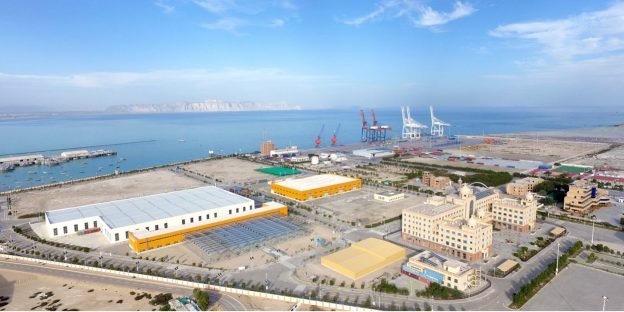
Gwadar will become a world-class port city, says Ahsan Iqbal
Federal Minister for Planning, Development, and Special Initiatives, Ahsan Iqbal said that Gwadar will become an internationally acclaimed world-class port city that will have tremendous opportunities for its people.
“We hope that Gwadar will become an internationally acclaimed world-class port city, which will have tremendous opportunities for its people,” he told Xinhua while applauding the development of Gwadar Port under the China Pakistan Economic Corridor (CPEC).
Terming Gwadar very important and strategic port in this region, he said that China had shown its remarkable contributions and the development of different regions of Pakistan including Gwadar under the China Pakistan Economic Corridor.
“In Gwadar, we have seen that China has not only developed the port facility but also has contributed towards the socio-economic development of the people,” he added.
Ahsan Iqbal said that China has set up a state-of-the-art hospital for the people of Gwadar who have as good facilities in that hospital as big cities like Karachi or Lahore.
Similarly, it has helped set up a technical training institution. It has also helped poor people with solar panels to provide them with electricity and has also undertaken other initiatives to improve the lives of the local people.
“So, we really appreciate that China has contributed immensely to the uplift of Gwadar, but it is just the first step other port has a long way to go,” he added.
He remarked that in partnership with Gwadar and China, we hope that Gwadar will become an internationally acclaimed world-class port city that will have tremendous opportunities for its people.
Ahsan Iqbal pointed out that China had also given scholarships to the youth of Gwadar who are studying in Chinese universities. “So, I think China’s contribution and Gwadar have been very valuable and uplifting the lives of people and regions and we appreciate it very much.
The minister also appreciated that China is sharing its success, not just with Pakistan, but with other countries also, to help them improve their infrastructure to help them improve their socio-economic development.
Launched in 2013, the CPEC, a flagship project of the China-proposed Belt and Road Initiative, is a corridor linking Gwadar Port in southwest Pakistan’s Balochistan province with Kashgar in Northwest China’s Xinjiang Uygur Autonomous Region, which highlights energy, transport, and industrial cooperation in the first phase, while the new phase expands to the fields such as agriculture and livelihood, among others. -

ADB to fund $180 m for forests, drains in coastal Sindh
Asian Development Bank (ADB) has announced a $180 million project to restore forests, drains, and roads in the coastal areas of Sindh. According to the Sindh Ministry of Irrigation and Food, the project aims to protect the coastal areas, provide employment opportunities for the local population, and ensure sustainable economic development.
The project was announced during a meeting between the Sindh Minister for Irrigation and Food, Jam Khan Shoro, and a delegation from the ADB, led by Team Leader Dr David Freuilich.
“The ADB is committed to supporting Pakistan in addressing environmental pollution, promoting food security, agricultural development, and cultural heritage preservation,” said Dr Freuilich.
The project will focus on restoring drains, roads, and forests in the coastal areas of Thatta, Sujawal, and Badin, which have been severely affected by recent rains and floods. “A survey, design, and mapping of the Indus Delta in Badin, Thatta, and Sujawal will be conducted before the project begins,” said Minister Jam Khan Shoro.
The minister also suggested increasing the capacity of the Karo Gondro drain and including the Shakoor drain in the project. The ADB’s $180 million loan will be used to fund the project, which is expected to have a significant impact on the local economy and environment. -

Bioinformatics and Computational Biology Revolutionizing Healthcare Data Analysis
Healthcare data analysis is being revolutionized by the sciences of computational biology and bioinformatics. By combining physiological, computational, and statistical methods, these interdisciplinary fields enable researchers to glean valuable insights from large datasets and advance our understanding of intricate biological processes and illnesses. Bioinformatics and computational biology are vital to the processing, analysis, and interpretation of the vast volumes of biological data generated by the advances in proteomics, genome sequencing, and other high-throughput technologies. Bioinformatics relies heavily on the study of genomic data, and projects such as the Human Genome Project have made it possible to decode the whole human genome. Genetic implications to disease and health can be better understood by using computational tools to identify genes, regulatory elements, and variants in the genome. Applications of this genetic data analysis exist in personalized medicine, where customized therapies based on patient genetic profiles are possible. The goal of structural bioinformatics is to comprehend biological macromolecules like proteins and nucleic acids and their three-dimensional structures. These structures can be predicted and modeled using computational tools and algorithms, which reveal information about possible therapeutic targets, drug-binding sites, and molecular interactions. Because it helps in the design of molecules that can control particular biological processes, this structural knowledge is essential for drug discovery.
The study of functional genomics focuses on the functions and relationships between genes in biological systems. In functional genomics, computational techniques are used to examine metabolic pathways, gene expression patterns, and protein-protein interactions. Through the complete approach, illness mechanisms and possible therapeutic approaches are illuminated, as well as the activities of genes and their involvement in numerous cellular processes are deciphered. Within the field of bioinformatics, pharmacogenomics is the study of how a person’s genetic makeup affects how they react to medications. Pharmacogenomic data can be computationally analyzed to identify genetic markers linked to adverse responses and drug efficacy. The goals of this tailored approach to medication prescription are to improve overall patient care, minimize adverse effects, and maximize treatment success. Within bioinformatics, the field of metagenomics examines the genetic makeup of whole microbial ecosystems. Metagenomic data from clinical specimens, human microbiomes, and environmental materials are analyzed using computational methods. Research on the effects of the microbiome on health and illness is influenced by this approach, which sheds light on the variety and function of microbe communities. The field of cancer genomics relies heavily on bioinformatics to help understand the genetic basis of cancer through computer analysis of substantial genomic data. Characterizing cancer subtypes, forecasting patient outcomes, and creating tailored therapeutics are made easier with the discovery of somatic variants, gene expression structures, and molecular markers. Finding possible biomarkers for earlier detection of cancer is another benefit of using bioinformatics techniques. In order to comprehend patterns of gene expression, RNA molecules are analyzed in transcriptomics, a computational analysis of an organism’s transcriptome. Transcriptomics computational techniques measure the amounts of gene expression, detect alternative splicing processes, and uncover the roles of non-coding RNA. By illuminating the molecular complexities of biological processes and illnesses, this data directs research toward possible therapeutic approaches. Integrating multi-omics data—genomics, transcriptomics, and proteomics, for example—is a sophisticated but effective bioinformatics technique. Through the discovery of connections between various molecular layers, computational techniques for data integration provide a comprehensive understanding of biological systems. Comprehensive biomarker patterns for prognosis and diagnostics can be found more easily thanks to this integrative analysis, which also improves the identification of illness causes. Computational models are used in network biology to describe and study intricate biological networks, such as metabolic pathways, gene regulatory networks, and networks of interactions between proteins. The interactions and relationships between biological elements are revealed using computational approaches in network biology, offering a systems-level perspective. This method helps to clarify the emergent features of biological structures and how they relate to health and illness. Bioinformatics and biological computation now rely heavily on artificial intelligence and machine learning. These sophisticated computational methods find trends in large, complicated datasets and forecast them. Utilizing genetic and clinical data, machine learning applications span from protein structure prediction to illness diagnosis. Artificial intelligence is included to improve data analysis in healthcare studies in terms of accuracy and efficiency.
It is therefore crucial to ensure that computational methods are widely accessible and used in healthcare research by democratizing access to bioinformatics tools and resources. In bioinformatics, reproducibility, knowledge sharing, and community-driven progress are made possible by open-source applications, databases, and collaborative platforms. The pursuit of utilizing computational biology to enhance healthcare results is encouraged by this inclusiveness. -
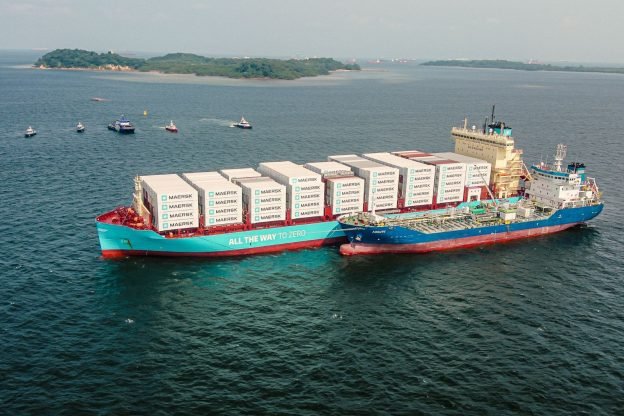
Pakistan, Maersk to ink $2 bn investment deal; company to break 750 ships in Pakistan
Pakistan’s Maritime Affairs minister said Islamabad would sign a $2 billion investment deal with European shipping this year. The deal, resulted from growing global interest in Pakistani ports, is expected to be realized in October.
The statement came weeks after AP Moller–Maersk (Maersk) Chief Executive Officer Keith Svendsen’s visit to Pakistan, where he met top officials to explore opportunities in Pakistan’s maritime sector.
Maritime Affairs Minister Qaiser Ahmed Sheikh said in a statement that the European company would invest in logistics and infrastructure at the Karachi Port Trust (KPT).
“A well-known European company has shown interest in investing $2 billion in Karachi Port Trust,” Sheikh said, without naming the firm. The company is expected to sign the memorandum of understanding by October.”
Sheikh said the European firm also intended to set up a shipbreaking project in Pakistan.
“The company plans to break 750 ships in Pakistan,” he said. “The company has also decided to train the youth in Pakistan.”
Sheikh told the media this month that Danish shipping giant Maersk was interested in investing in a terminal and port as well as allied infrastructure, including connecting bridges, in Pakistan.
“We had very good discussions with them and they had shown eagerness and told us that they will submit proposal in a few days,” he said on May 7. “They want to take a terminal. There is some area where there is depth in the sea, where big ships can be anchored.”
Maersk has grown into a leading provider of logistics and supply-chain services across Pakistan. It has around 20 percent market share in Pakistan’s containerized import-export activities, according to Pakistan’s information ministry.
In January, the Danish shipping firm announced new smart logistics and warehouse facilities in China, Norway and Pakistan.
“With a vast network of warehousing and depot facilities across the country, including our flagship logistics hub in Port Qasim, Karachi — a sprawling 27-acre complex encompassing over 650,000 square feet of warehouse space — we ensure unparalleled support to Pakistani exporters and importers,” the shipping company said in a written response to Arab News.
“In total, Maersk now operates over a 1.5 million square feet footprint across 7 cities in Pakistan.”
The South Asian nation has already signed an agreement with Abu Dhabi (AD) Ports Group which is investing about $395 million for the development of a container and cargo terminal under a government-to-government (G2G) agreement between the United Arab Emirates and Pakistan.