A novel reactor design transforms CO2 emissions from small boilers into methane fuel, providing a promising strategy for addressing climate change.
Cutting carbon emissions from small-scale combustion systems, like boilers and other industrial devices, is essential for achieving a sustainable, carbon-neutral future. Boilers, which are prevalent in numerous industries for critical functions such as heating, steam generation, and power production, play a major role in greenhouse gas emissions.
Boilers are generally quite efficient. As a result, it is difficult to reduce CO2 emissions simply by improving the combustion efficiency. Therefore, researchers are exploring alternative approaches to mitigating the environmental impact of CO2 emissions from boilers. One promising strategy to this end is to capture the CO2 emitted from these systems and convert it into a useful product, such as methane.
Technological Innovations With Membrane Reactors
To implement this strategy, a specific type of membrane reactor, called the distributor-type membrane reactor (DMR), is needed that can facilitate chemical reactions as well as separate gases. While DMRs are used in certain industries, their application for converting CO2 into methane, especially in small-scale systems like boilers, has remained relatively unexplored.
This research gap was addressed by a group of researchers from Japan and Poland, who were led by Professor Mikihiro Nomura from Shibaura Institute of Technology in Japan and Prof. Grzegorz Brus from AGH University of Science and Technology in Poland. Their findings were recently published in the Journal of CO2 Utilization.
The scientists conducted a two-pronged approach to the problem through numerical simulations and experimental studies to optimize the reactor designs for efficient conversion of CO2 from small boilers into methane. In their simulation, the team modeled how gases flow and react under different conditions. In turn, this enabled them to minimize the temperature variations, ensuring that energy consumption is optimized while methane production remains dependable.
Design Innovations and Efficiency Enhancements
The research team further found that, unlike traditional methods that channel gases into a single location, a distributed feed design could spread the gases out into the reactor instead of sending them in from one place. This, in turn, results in a better distribution of CO2 throughout the membrane, preventing any location from overheating. “This DMR design helped us reduce temperature increments by about 300 degrees compared to the traditional packed bed reactor,” explains Prof. Nomura.
Beyond the distributed feed design, the researchers also explored other factors influencing the reactors’ efficiency and discovered that one key variable was the CO2 concentration in the mixture. Changing the amount of CO2 in the mixture affected how well the reaction worked. “When the CO2 concentration was around 15%, similar to what comes out of the boilers, the reactor was much better at producing methane. In fact, it could produce about 1.5 times more methane compared to a regular reactor that only had pure CO2 to work with,” highlights Prof. Nomura.
Additionally, the researchers investigated the impact of reactor size, finding that increasing the size of the reactor facilitated the availability of hydrogen for the reaction. There was, however, a tradeoff to be considered as the benefit of higher hydrogen availability required careful temperature management to avoid overheating.
The study thus presents a promising solution to the problem of tackling a major source of greenhouse gas emissions. By utilizing a DMR, low-concentration CO2 emissions can be successfully converted into usable methane fuel. The benefits gained thereof are not limited to methanation alone but can also be applied to other reactions, making this method a versatile tool for efficient CO2 utilization even for households and small factories.
Author: Emp-1
-

New Reactor System Converts Carbon Dioxide Into Usable Fuel
-
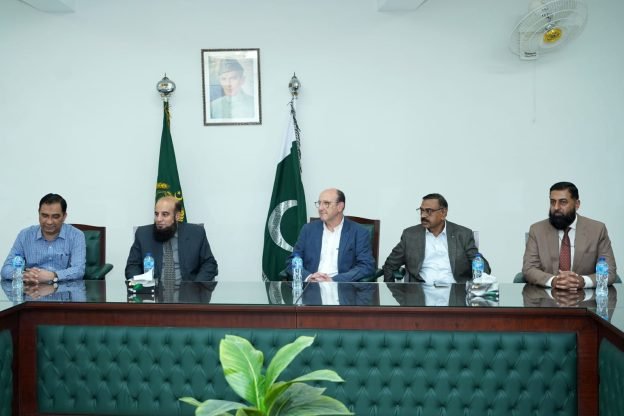
ICT Applications for Sustainable Environmental Protection (ACTIVE) Project Grand Consortium Summit at NUtech: A Leap Towards Sustainable Environmental Protection
The National University of Technology (NUTECH), Islamabad, organized a three-day Grand Consortium Summit & Erasmus+ ACTIVE Curriculum Review Meeting. This pivotal event is part of the ACTIVE Project, a significant initiative funded by the European Union to address Pakistan’s environmental challenges. With a total funding of 0.717 Million Euros, this collaborative effort is fully supported by the European Union ERASMUS+ CBHE-2022 program.
The ACTIVE Project consortium comprises four higher education institutions (HEIs) from Pakistan, including NUTECH Islamabad, SSUET Karachi, MUET Jamshoro, Sindh, and BUITEMS Quetta, Balochistan. It also includes the Pakistan Engineering Council (PEC), Alfoze Technologies, and three European institutions from Ireland, Spain, and Romania. This diverse partnership underscores a collective commitment to leveraging technology and innovation for sustainable environmental protection.
The summit was a dynamic event, featuring a range of activities and insightful speeches. It kicked off with a warm welcome from DG Skills NUTECH, Engr. Mr. Raza Ali Khan setting a collaborative tone. This was followed by an introduction to Project ACTIVE by Dr. Pablo Otero Roth, UMA Spain and Dr. Marium Jalal, NUTECH, and a recap of project activities by Prof. Dr. Bhawani Shankar Chowdhry from MUET. Vice Chancellor of SSUET, Prof. Vali Uddin, also addressed the attendees, emphasizing the project’s significance for Pakistan’s educational and environmental landscape. Prof. Dr. Tauha Hussain, Vice Chancellor of MUET, highlighted the collaborative efforts and the expected impact of the project on the region. H.E. Mr. Philipp Oliver Gross from the EU Delegation to Pakistan delivered a keynote address, underscoring the project’s importance. Prof. Dr. Mohammad Aamir from SSUET updated on Capacity Building activities, focusing on Work Package 4.
The inaugural event was a momentous occasion, symbolizing the tangible achievements of the ACTIVE Project. H.E. Mr. Philipp Oliver Gross, H.E. Mr. Eduard Robert Preda, Ambassador of Romania to Pakistan, and the Spanish Embassy representative, Mr. Carlos, came together to inaugurate the first Center of Excellence dedicated to using ICT applications for environmental problem-solving. This marked a significant milestone in collaboration and knowledge exchange, demonstrating the project’s commitment to practical solutions.
The center aims to cultivate skilled ICT engineers with expertise in environmental science through capacity-building activities and specialized courses on advanced technologies. The project will establish four research centers focusing on local environmental challenges, providing practical training, and contributing to mitigation efforts.
On the second day, the Sri Lankan Ambassador to Pakistan, H.E. Admiral Ravindra C Wijegunaratne, visited the European Union Center of Excellence at NUTECH. The day also saw the signing of a Letter of Understanding between NUTECH and PMD under the ACTIVE Project, aiming for enhanced collaboration. Mahr Sahibzad Khan, Director General, and Dr. Muhammad Afzaal, Chief Meteorologist at PMD Pakistan, delivered a guest lecture on climate change in Pakistan.
The final day of the program marked a significant milestone with visits from ACTIVE Consortium members to the National Agricultural Research Centre (NARC). These visits facilitated in-depth discussions on various aspects of agricultural research, including emerging technologies, sustainable practices, and collaborative opportunities.
This summit serves as a platform for dialogue and strategic planning to address Pakistan’s educational and environmental challenges. The project’s progress underscores a collaborative effort to bridge technology and environmental sciences for a sustainable future. -
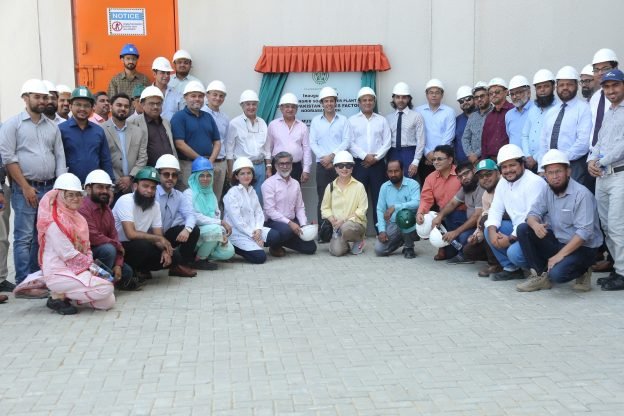
Pakistan Cables completes commissioning of 2MW on-grid solar power plant at Nooriabad
Pakistan Cables, the nation’s pioneer wires and cables manufacturer, has completed commissioning of its 2MW captive solar power plant located at its new manufacturing facility in Nooriabad, Sindh.
The project was executed by Atlas Energy Limited for Pakistan Cables within stipulated timelines and has commenced operations as of April 23, 2024.
The installed capacity of solar power plants is an investment in renewable energy initiatives by the Company. “We are committed to pursuing environmentally friendly initiatives in the future at our state-of-the-art manufacturing facility at Nooriabad, Sindh. We actively advocate use of renewable energy sources that save cost and contribute to the circular economy”, said Fahd K. Chinoy, Chief Executive Officer – Pakistan Cables Ltd.
Pakistan Cables is the first and only building material Company in Pakistan to have science-based emission reduction targets validated by SBTi. The Company’s new state of the art manufacturing facility spread across 42 acres of land in Pakistan, is equipped with cutting edge technology and equipment, set to transform the industry.
Earlier the Company also announced installation of Pakistan’s first 69kV CCV line also at its manufacturing facility in Nooriabad, Sindh. -

Prime Minister dissolves Pak PWD for its poor performance
Prime Minister Shehbaz Sharif has dissolved the Pakistan Public Works Department known as Pak PWD for its poor performance.
Pakistan Public Works Department (Pak PWD) owes its origin to pre-partition days and the system of government. After the independence, a gigantic task of rehabilitation of refugees and establishment of offices/ residences was entrusted to it which was successfully copied with the office accommodation in AM Area Karachi and Central Government Residences in Martin Clayton Jahangir Road and Pakistan Quarters are still in service and reminds the job accomplishment in most tiring conditions.
Pak PWD has also played a vital role in the construction of Roads, Bridges, and Airports, few examples include the re-modeling of Jacobabad Airport, Dhok Matcal Bridge Priwadhai and carriageway from Zero Point to Faizabad Islamabad, the renovation of Flag Staff House Karachi, Renovation of GPO Lahore, Construction of Custom House Karachi, etc.
Prime Minister Muhammad Shehbaz Sharif, said communication directed for the immediate dissolution of the Pakistan Public Works Department (Pak PWD) due to years’ long poor performance and corruption.
The prime minister issued a directive during a high-level meeting held on reducing the government expenditures and the size of its infrastructure, PM Office Media Wing said in a press release.
During the meeting, the prime minister observed that Pak PWD as a department had failed to achieve its objectives and asked for alternate mechanisms for the development projects which were tasked to Pak PWD.
The meeting was attended by Deputy Prime Minister and Foreign Minister Mohammad Ishaq Dar, Minister for Planning Ahsan Iqbal, Minister for Finance and Revenue Muhammad Aurangzeb, Minister for Economic Affairs Ahad Khan Cheema, PM’s Adviser on Political Affairs Rana Sanaullah, Minister of State for Finance and Revenue, Deputy Chairman Planning Commission Jehanzeb Khan and other relevant senior officials.
For the reduction of government expenditures, the prime minister was apprised of a report compiled by a committee headed by Chairman Deputy Planning Commission Jehanzeb Khan.
The committee had recommended for abolishment of certain government entities and merger of others.
The prime minister directed the committee for finalization of further recommendations. -
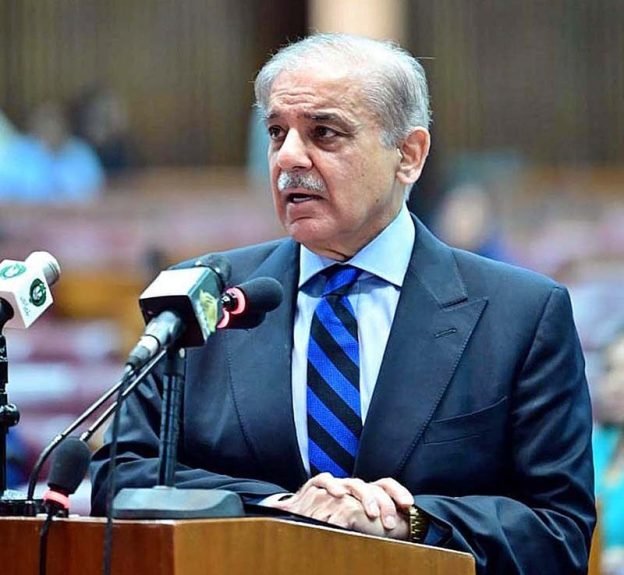
Sindh universities turn dry, look towards premier for fiscal help
Sindh’s public sector universities have been mired in a financial swamp, and thus the vice chancellors of these institutions, which now have grown in large numbers as high as 29 in the province, have nothing but to look towards the chief executive of the country—the prime minister—who they believe would come for their rescue.
Sindh’s public sector universities have long been squeezed by the financial crunch and have been trying to generate revenue to run the institutions, but still, there are many that are still unable to pay the salaries to their staffers in time. Let alone the funds for laboratories and other requisites, the worst case is that the employees of a few institutions have been receiving salaries in installments.
Given the situation, a number of 29 vice chancellors have written to the prime minister for help, which they believe may begin with restoring recurring grants, which they say have remained almost frozen for the last six years.
The letter says: we, the Vice Chancellors of Public Sector Universities of Sindh, are writing to you to express our serious concern on the stoppage of federal government grant to provincially chartered universities of Pakistan including 29 public sector universities of Sindh province.
The Federal Government through HEC provides over Rs.13 billion as a recurring grant to the universities of Sindh, which is almost frozen from 2018 onwards. ‘We, after you become the Prime Minister of Pakistan of this great country, were hoping that the government under your leadership will take necessary measures to strengthen and support the universities and higher education along with the improvements which your government has started bringing in other sectors.’
Addressing the prime minister they write: you are kindly aware that returns to investment in education are higher than the investments in any other sector. Nations, that have progressed or whose progress is at faster rates have invested in education and higher education. China, Korea, Malaysia, India, and many other countries in the region are examples of it. Besides, looking at the current scenario of financial crises in Pakistan, a wise decision would be to enhance investment in education, especially in higher and technical education. This would quickly bear fruit.
The public sector universities in Pakistan are providing access to higher education to bright minds from poor and lower-income families. These students cannot self-finance their cost of education, thus, raising fees to that level is not an option. The multifold increase in student fees will create a risk of youth unrest and agitation which the country cannot afford at this stage.
Furthermore, the Council of Common Interest (CCI) has also already decided that the federal government would fund the recurring as well as development expenditures of the universities till the next NFC. The Council of Common Interest considered the Summary on “Funding for the Devolved Organizations/Institutions/Departments and Projects of Defunct Ministries /Divisions beyond 30th June 2011” vide Case No. CCI: 7/2/2011, dated 28-04-2011, and decided as under: “The Council approved the financing for the current expenditure of Universities hitherto would be picked by the Federal Government till the period of current NFC Award. Federal Government would during this period also pick up the development expenditure of the Universities depending upon the resources available with the Federal Government.”
Besides, The Presidential Ordinance No. LI of 2002 (HEC Ordinance 2002) also clearly mentions the funding as the responsibility of the federal government, which is further Page 2 of 4 substantiated by the CCI and 7th NFC event after the 18th Constitutional Amendment (mentioned above).
In view of the above and given the severity of the situation, it is humbly requested that urgent instructions may kindly be passed to the Finance Division to restore and enhance the federal grants to the universities of Pakistan including the public sector universities of Sindh province and provide the funds based on the need determined by HEC Islamabad and Finance Division jointly or at least Rs.16 billion to the universities of Sindh so that they don’t default. -

PEC Elections 2024 to be most interesting contest ever? Yes, here are reasons
The pre-PEC Elections 2024 analysis suggests the elections will likely be the most interesting contest ever. Why? Let me put the reasons here. One, the number of contestants all known faces in the engineering community are in the race for the top slot, two, all have reportedly put in a tough workout for the next few months that was not observed in the past, three, a lot of realpolitik {in the background} is involved embedded with intrigue and pursuance and four, the graphs of conceivably-strong parties {mind it engineering ones} are not the same as they were before.
If you randomly pick any of the aspiring contestants for the office of the chairman, you will find them different in comparison to their position at the onset of PEC Elections 2021. Take Engr. Najeeb Haroon, the incumbent chairman of the council for instance. He was believed or dubbed as the lone person in the council and his senior coalition partners—National Engineers led by Engr. Shah-Shaikh—would explicitly claim to be his only crutches without which he could not move. In contrast, he is now spotted to be surrounded by many leading engineers of whom many stood with his erstwhile alliance led by Engr. Shah-Shaikh during previous elections. Two-time loser Engr. Haroon who had parted ways from his comrades—PEG—in 2021 was witnessed showing up in all provinces these months. Several independent people are heard realizing that he is surely in the contest in contrast to the perception that he was all alone after his alliance with the Shah-Shaikh group broke down.
In the same field, Engr. Waseem Nazir is present; rather very much so with a stark difference. Though he has not officially declared his candidacy and for that reason some doubted his eagerness in the contest at the outset. But he is in the field and has done his reconnaissance survey very well. Some of his observers say he has something new in the basket around this time. Being the largest vote taker from Punjab—the largest piece of the cake—in the 2021 elections. Engr. Nazir is an unflinching candidate as he believes he is the most able engineering leader available at the moment and he will lead, and not be led.
In Waseem Nazir’s province is Engr. Jawed Saleem Qureshi who claims he is the leader of the largest engineering party in Pakistan. Not for quite a while, engineers’ circles have talked much about the ‘flimsy efforts’ of allying The Engineers Pakistan (TEP) and the National Engineers Association (NEA)—the two visible forces in Punjab and Sindh. Though scarcely few engineers can weigh the pros and cons of such effort, most engineers especially from the NEA stable had tied their hopes that Engr. Qureshi’s camp would back Engr. Abdul Qadir Shah for the office of the chairman not knowing that the decision of the TEP core committee to have already decided Engr. Qureshi is the one and only contestant for the top slot from their side. Let’s have a look at Qureshi-Shah parleys from a yet different angle. If TEP started negotiations with Shah with open options, it can be concluded in three ways. One, that the TEP admits its following has dwindled in Punjab and cannot win singularly and thus needs NEA’s support in Sindh. Two, TEP believes NEA can support Engr. Qureshi as chairman because of its (NEA’s) crisis of leadership which resulted in the indecisiveness of Engr. Qadir Shah and Engr. Mukhtiar Shaikh—the two colluding and competing leaders of NEA. Three, TEP merely kills NEA’s time—the factor that has a significant bearing on the election campaign and in return leaves a negative impact on voters.
The last and the most significant outcome of any alliance between TEP and NEA will harm both. The TEP would lose a chunk of its support base in Punjab and NEA would shrink to be the representative of engineers from rural Sindh. The scenario would untimely bring dividends to Engr. Waseem Nazir whose better strategy may turn him into a powerful contestant.
The news prospects are not limited to Engr. Nazir, Qureshi, Shah, and Najeeb. You will find Engr. Al Kazim Mansoor is in a different spirit too. The president of Pakistan Engineers Forum (PEF) who has announced his candidacy for the post of chairman is writing a different story this time and he is sure he has good prospects for his group if not for the top slot. PEF has attempted to reposition itself keeping a view of the outcome of the last elections. Now, the group is more organized in contrast to previous elections and with potential to open talks with other groups keeping in mind the strength of its dedicated vote. PEF is open for dialogue wherein it can consider shedding the contest for the chairman in lieu of a good share with any group. Some engineers in Punjab say PEF has better stakes with Engr. Waseem Nazir as PEF does not possess good memories with National Engineers during the last elections. Engr. Mansoor has geared up his efforts and has reportedly organized workers’ conventions in major cities of the country.
Now, it’s time for Engr. Ashfaq Shah, the incumbent chairman of the Constructors Association of Pakistan (CAP) whose organization strives for freedom from the Pakistan Engineering Council (PEC) which according to many CAP leaders is feeding on contractors’ money. This lot of contractors wish to get rid of marriage of inconvenience but at least the contractors from the rural Sindh have distanced themselves from the organization for a long period. Engr. Ashfaq Shah, at least as a perception, is the candidate for the post of chairman who would not step down. Hailing from KP, Engr. Shah would be noticed as to how he will ensure the support of the constructors’ fraternity in an election in which the engineers are no less competent than politicians in switching their loyalties. And, of course, a memory of CAP without PEC may be a great barrier to asking for votes from engineers across Pakistan. -
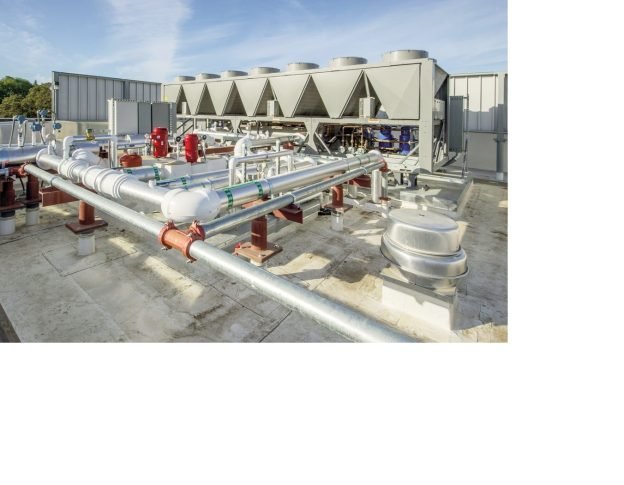
The Future of the HVAC/R Industry
When you step into a room and feel a comfortable breeze on a scorching summer day or cozy warmth during the chill of winter, you can thank the HVAC/R industry.
Heating, Ventilation, Air Conditioning, and Refrigeration, often abbreviated as HVAC/R, is the hidden hero behind our year-round comfort. Imagine a world where buildings intuitively adjust their temperature to suit your preferences, where energy efficiency isn’t just a goal, but a reality achieved through smart systems and artificial intelligence.
That’s the work of the HVAC/R, this dynamic field encompasses everything from the technology that keeps our homes and workplaces at the right temperature to the systems that preserve our food and medicine.
HVAC/R isn’t merely a service; it’s a symphony of technologies working seamlessly to provide comfort while minimizing energy consumption. The HVAC/R industry is poised to transform itself through cutting-edge advancements that align with our changing needs and a growing consciousness towards environmental responsibility.
As we peer into the horizon of the HVAC/R industry, we’re met with a future brimming with innovation, sustainability, and opportunities. Join us on a journey as we explore the history that led us here and the exciting trends that will shape the future of HVAC/R.
History of HVAC/R
To truly grasp the future of the HVAC/R industry, it’s essential to journey back to its roots and trace the remarkable evolution that has brought us to this point.
The story of HVAC/R is a tale of human ingenuity and the relentless pursuit of comfort and convenience. From ancient civilizations to modern metropolises, the need to control indoor climates has driven technological advancements that have transformed the way we live and work.
Ancient Beginnings
Believe it or not, the concept of HVAC/R can be traced back to ancient civilizations. The Romans, for instance, utilized an intricate system of aqueducts to circulate warm water through the floors of their buildings, providing a form of heating. Similarly, the ancient Egyptians used natural ventilation techniques to cool their homes by directing airflow through strategic openings.
Industrial Revolution and Beyond
The Industrial Revolution marked a turning point for HVAC/R. The development of steam-powered engines paved the way for more sophisticated heating systems, allowing factories and homes to be heated more efficiently.
The 20th Century Leap
The 20th century brought about a series of pivotal breakthroughs. In 1902, Willis Haviland Carrier invented the first air conditioning system to regulate humidity at a printing plant. This innovation had unintended consequences, as air conditioning not only improved the printing process but also created a demand for cooled indoor spaces.
The mid-20th century saw the widespread adoption of air conditioning in homes and cars, altering our lifestyle and patterns of urbanization. The development of energy-efficient systems, such as heat pumps, helped address environmental concerns. Today, HVAC/R systems incorporate digital controls, smart thermostats, and AI algorithms that optimize energy consumption while ensuring comfort.
Smart Technology and AI Integration
In the ever-evolving landscape of the HVAC/R industry, one of the most captivating frontiers is the integration of smart technology and artificial intelligence (AI). Imagine a world where your HVAC system understands your preferences, adapts to your schedule, and optimizes energy consumption without you ever lifting a finger. This future is already becoming a reality, thanks to the transformative power of smart technology and AI in HVAC/R systems.
Empowering User Comfort
Smart thermostats, like the Nest Learning Thermostat, have redefined the way we interact with our indoor environments. These devices go beyond simply adjusting temperatures; they learn your habits, preferences, and routines. By leveraging machine learning algorithms, they anticipate when you’ll be home and adjust the temperature accordingly. This not only enhances comfort but also minimizes energy wastage during unoccupied hours.
Enhancing Energy Efficiency
The marriage of smart technology and AI has bestowed HVAC/R systems with the ability to optimize energy efficiency. Sensors placed throughout a building can detect occupancy, humidity levels, and even outdoor weather conditions.
These data points are then processed by AI algorithms to make real-time adjustments. For instance, if a room is unoccupied, the system can reduce cooling or heating output to save energy without compromising comfort.
AI-Driven Predictive Maintenance
One of the most remarkable applications of AI in HVAC/R is predictive maintenance. Through the analysis of historical data and real-time performance metrics, AI can predict when a component is likely to fail. This allows technicians to perform maintenance before a breakdown occurs, reducing downtime and preventing costly repairs.
Real-World Examples
Consider a commercial building equipped with a smart HVAC system. As employees arrive in the morning, the system detects occupancy and gradually adjusts the temperature to optimal levels. Throughout the day, AI algorithms analyze usage patterns, dynamically adapting cooling, and heating output to match demand. In the evening, as the building empties, the system scales back operations, conserving energy.
Energy Efficiency and Regulations
As we peer into the future of the HVAC/R industry, one of the most pressing concerns that comes into focus is energy efficiency. In a world grappling with environmental challenges, the HVAC/R sector plays a pivotal role in reducing energy consumption and mitigating the impact on our planet.
The push for energy-efficient systems isn’t just a trend; it’s a necessity driven by a growing awareness of environmental sustainability and the implementation of regulations that demand change.
Addressing Environmental Concerns
The HVAC/R industry is facing mounting pressure to minimize its carbon footprint. The energy required to heat, cool, and ventilate buildings contributes significantly to greenhouse gas emissions. In response, manufacturers and HVAC technicians are embracing innovations that lower energy consumption and utilize cleaner energy sources.
Regulations Shaping the Landscape
Government regulations are catalysts for change in the HVAC/R industry. Organizations worldwide are setting standards to curb energy waste and promote sustainable practices. For instance, the European Union’s F-Gas Regulation mandates the phase-out of high-global-warming potential refrigerants, driving the adoption of greener alternatives.
Innovative Solutions for Efficiency
The pursuit of energy efficiency has sparked innovation across the HVAC/R landscape. Variable refrigerant flow (VRF) systems allow precise temperature control in different zones of a building, reducing energy waste. Heat recovery systems capture and redistribute heat from areas that need cooling to areas that need heating, maximizing energy utilization.
Emergence of Hybrid Systems
Hybrid HVAC/R systems, which combine traditional methods with renewable energy sources like solar power, are becoming increasingly prevalent. These systems harness solar energy during the day to power heating and cooling, reducing reliance on conventional power sources and lowering operating costs.
As the HVAC/R industry steers towards a more sustainable future, energy efficiency stands as a cornerstone of this transformation. The convergence of environmental concerns and regulatory frameworks propels the HVAC industry towards adopting innovative technologies that reduce energy consumption while providing optimal comfort.
Greener Refrigerants and Sustainability
In the pursuit of a more sustainable future, the HVAC/R industry is turning its attention to a critical component: refrigerants. These substances once hailed for their cooling prowess, have come under scrutiny due to their contribution to global warming.
The drive towards greener refrigerants underscores the industry’s commitment to reducing its carbon footprint while ensuring that our comfort doesn’t come at the cost of the planet.
The Challenge of Traditional Refrigerants
Traditional refrigerants, such as hydrochlorofluorocarbons (HCFCs) and hydrofluorocarbons (HFCs), have been widely used in HVAC/R systems. However, they possess a high global warming potential, which means they can trap heat in the atmosphere and exacerbate climate change.
Transitioning to Low-GWP Alternatives
The shift towards greener refrigerants involves embracing alternatives with a lower global warming potential (GWP). Hydrofluoroolefins (HFOs) and natural refrigerants like hydrocarbons, ammonia, and carbon dioxide are gaining traction for their minimal environmental impact.
Benefits of Greener Refrigerants
These new refrigerant options offer several benefits. For instance, HFOs are designed to break down in the atmosphere more quickly, reducing their potential to contribute to global warming. Natural refrigerants are non-toxic, non-flammable, and have significantly lower GWPs. Ammonia, for example, boasts excellent thermodynamic properties while having minimal environmental impact. Greener refrigerants don’t just address environmental concerns; they also align with the industry’s push for energy efficiency. These refrigerants often require less energy to operate, further reducing the carbon footprint of HVAC/R systems.
Climate Change and Increased Air Conditioning Demand
As the world grapples with the undeniable effects of climate change, the HVAC/R industry finds itself at the forefront of a dual challenge, mitigating the impact of rising temperatures while catering to an escalating demand for comfort.
The intricate dance between climate change and air conditioning demand paints a vivid picture of the HVAC/R industry’s vital role in offering solace amidst the heat waves and extreme weather events driven by global warming.
The Heat of the Matter
Climate change, driven by greenhouse gas emissions, has resulted in steadily rising global temperatures. Heatwaves have become more frequent and intense, causing discomfort, health risks, and, in some cases, fatal outcomes. The demand for a reliable means of cooling has escalated, turning air conditioning from a luxury into a necessity.
More so, as temperatures climb to unprecedented heights, the demand for air conditioning experiences a corresponding surge. Homes, offices, and public spaces become sanctuaries against the sweltering heat. The increased reliance on air conditioning, however, poses a catch-22 situation – it contributes to even higher energy consumption and greenhouse gas emissions.
HVAC/R: The Shield Against Extreme Weather
In the face of climate-induced extremities, the HVAC/R industry emerges as a guardian of comfort and safety. HVAC/R systems not only provide a reprieve from soaring temperatures but also play a crucial role in maintaining indoor air quality during events like wildfires or pollution spikes. These systems help create controlled environments that shield inhabitants from the adverse effects of outdoor conditions.
The HVAC/R industry’s response to climate change is twofold. Firstly, the industry is evolving its practices to minimize energy consumption and environmental impact. Secondly, it’s catering to the growing need for efficient and sustainable cooling solutions. From energy-efficient HVAC systems to smart thermostats that optimize cooling, the HVAC industry is stepping up to the plate to address the dual challenges posed by climate change and increased air conditioning demand. – OBC/ERMD -

Stage set for 29th HVACR Int’l Expo;localization among challenges head
The 29th Pakistan HVACR International Expo & Conference 2024, which is being held on May 23-24, 2024 in Lahore, is set to attract large numbers of stakeholders from the HVACR industry. The event can be divided into two major portions: the exhibition and the conference. Several international and national exhibitors are participating in the exhibition. Also, the program designed for the conference is robust and includes a panel discussion on ‘Made in Pakistan: challenges and the way forward.
The organizers say under the overarching theme of “Sustainable Environments Through HVACR Technology,” this year’s expo transcends boundaries, bringing together the realms of Heating, Ventilation, Air Conditioning, and Refrigeration (HVACR), Mechanical, Electrical, and Plumbing (MEP), and cutting-edge Building Material Services. The fusion of these essential sectors underscores our commitment to creating a harmonious synergy that not only meets the needs of today but charts a course toward a sustainable and eco-friendly future.
This year’s event promises an immersive experience, featuring an expansive exhibition hall where the latest HVACR innovations, MEP solutions, and Building Material Services products will take center stage.
Attendees can expect thought-provoking conference sessions, hands-on workshops, and unparalleled networking opportunities, creating an environment conducive to growth, learning, and collaboration.
As per the program of the moot, there are 10 sessions and a panel discussion on May 24 and 4 sessions and a panel discussion on May 25. The last day also includes three training sessions.
The first panel discussion ‘Made in Pakistan: challenges and the way forward’ would be an opportunity for a detailed exchange between the panelists which include Faheem Siddui, Shahzad Raza, Mohammad Aslam, and Umer Saeed.
While talking to Engineering Review, the leader of the Lahore chapter of the HVACR Society, M.Afzaal said they had given a 10 percent discount to local manufacturers. Society has been encouraging local manufacturing in Pakistan and it needs more effort to achieve more results.
Afzaal is of the view that the cottage industry should be encouraged through a robust program so that local manufacturing gets impetus. Also, he emphasized technology transfer in this respect.
Climate change: Cooling and Pakistan
In 2018, Pakistan accounted for 0.7% of the total global demand for air conditioning, with an estimated demand of 824,000 units out of 111 million globally. Researchers have predicted that the country has the fifth-greatest potential demand for air conditioning.
One of Pakistan’s problems is old technology. Before 2010, a refrigerant called R22, or R22 Freon, was used in cooling technologies worldwide but was found to be highly damaging to the ozone layer. In response, countries like the United States launched plans to replace it.
As a result, “China used Pakistan as its dumping ground by selling us soon-to-be discarded and obsolete ACs at dirt-cheap rates. Many amongst us, who would otherwise not have afforded them, were able to buy them,” Khurram Malik, former president of the Pakistan HVACR Society said some two years back. He promotes heating, ventilation, AC and refrigeration (HVACR) engineering sciences and technologies.
Pakistan has a very weak regulatory mechanism for managing old technology, he added. “Now the country is stuck with these contraptions. -

Be Pakistani, buy Pakistani: the only recipe for progress
Be Pakistani, buy Pakistani is a familiar slogan in our country, but it has not been adopted in letter and spirit, despite the benefits of its implementation to our national economy.
The idea behind this slogan is to promote Pakistani products to build an economy that relies on made-in-Pakistan brands or local products, thus reducing the influx of foreign and imported brands to ease the burden of import bills and save precious foreign exchange.
In every developed economy, the role of local brands is a crucial one. Local brands reflect the presence of strong industries and SMEs, which pave the way for self-sufficient and sustainable levels of production to meet the requirements of the local market and the country`s citizens. The creation of jobs, side businesses, wealth generation, income distribution, and tax revenues are the guaranteed benefits of localization. Japan and Germany are considered model economies, but our neighbors, including China, India, and Bangladesh, are also good examples to follow.
The localization of production also reduces dependency on global supply chains, mitigating risks associated with external shocks such as trade disputes, geopolitical tensions, or natural disasters.
It also keeps inflation in check as the prices of commodities are unaffected by any variation in dollars or other foreign currencies, which is a most significant factor in mainly the food and healthcare sectors.
The campaign for the promotion of made-in-Pakistan brands has never been successful as a national cause. Yet, surprisingly, the religious cause to support our Muslim brothers in Gaza has worked effectively. Since October last year, Israel has conducted violent and inhuman attacks on the occupied Gaza Strip, leading to the martyrdom of tens of thousands of Palestinians, including women and children. However, the only option to support the Palestinians at a public level is to donate generously and boycott foreign companies and their brands that have connections with the Jewish state.
The trend of boycotting foreign brands has been effective in Pakistan over the last few months, thanks to awareness campaigns on social media platforms. Over recent months, a significant number of consumers have been maintaining their boycott of goods linked to Israel to show solidarity with the Palestinians. As a result, the sales of several local brands have reached record-high numbers, and their production has touched maximum capacity point. Even some companies that produce beverages and food items are set toexpand their production. Various new brands are being introduced to counter the foreign products, which is improving the investment climate and generating employment at the local level.
Unfortunately, the number of local brands is not enough to cater to the requirements of the local market; hence, we have to produce more alternative brands to counter Western and foreign products.
There is no doubt that Pakistanis have the potential to produce makeup for local and foreign markets. Pakistani brands are not only good enough, they also have the potential to grow their export worldwide.
For instance, we produce high-quality garments, sports items, surgical goods, and edible items and export them to different countries. Some of our companies have established well-known brands, whereas the majority of the companies produce their own goods for well-known global brands, mainly in the apparel sector.
However, the quality level of the products should be better for both the local and international markets. The use of technology, coming up with innovative ideas, and collaboration among stakeholders are key to growing faster.
The boycott movement is good for the economy, and should be supported by all stakeholders, including the government. In this regard, a long-term policy should be introduced for supporting local products, assuring support to local industrialists in terms of financing facilities, and relaxation of duties on raw materials and import of machinery. At present, a number of industrial zones are wearing a deserted look, with no construction of new units, as can be seen in the Nooriabad, Dhabaji and SITE industrial areas. The government should come up with low-cost financial schemes to encourage local producers to expand their production to meet the local demand, as well as to set up plants for generating new production units. In this way, import substitution will be accomplished more effectively and quickly, which can ultimately save precious foreign exchange reserves.
The government, along with stakeholders, should develop a five-year localization economic plan, with a roadmap for achieving self-sufficiency to transform an economy of $375 billion. -
Engineering an engine of growthThe 4th PEC Int’l Deans Conference poised to exchange ideas to solve complex issues
The 4th PEC International Deans Conference is underway in Karachi, the hub of Pakistan’s economy with the theme ‘Engineering as an engine of growth’. This two-day conference (May 6-7, 2024) encompasses valuable exchanges including five technical sessions on various pressing issues relating to engineering and growth with several renowned engineering academicians who have traveled to Pakistan.
The conference has also set sub-themes for the moot and they include Global Engineers and Cross Border Mobility, Reshaping Curriculum and Practice – Targeting 5th Generation Requirements, Accreditation – Challenges and Solutions, Emerging Trends in Teaching-Learning & Assessment (TLA), Engineering Practice and Ethics, Cutting-edge and inter-disciplinary synergies, Realigning of internship/ practicum practices during education and Digital Transformation & Business Process Re-Engineering. The moot which will come out of the declaration of the conference on its conclusion also includes roundtable discussion on the topics linked with the subthemes.
Earlier, the PEC successfully organized three international deans conferences the first on February 13, 2018, the second on October 14, 2019, and the third in October 2019. This moot, being held after the lapse of four years was postponed twice for a variety of reasons.
The conference, as the perception as regards outcomes of such moots goes around the world is expected to provide a great opportunity to share best practices, identify issues, and propose possible solutions to address quality assurance in engineering education, standards, industry perspectives of Outcome Based Education/Accreditation, capacity building for online Teaching-Learning and Assessment methodologies and also encompass the approach to comply with the Framework and incorporate the UN Sustainable Development Goals.
Engineering educators from around Pakistan and abroad are attending this conference. A report from the World Federation of Engineering Organization writes these conferences are an opportunity for leaders in academia, industry, and regulatory/standardizing bodies to share and exchange their experiences and ideas in solving complex issues of engineering education.
They are also an opportunity to discuss how the cultural values and socio-economic challenges of Pakistan can be included in engineering practice, education, and curriculum to ensure that engineering graduates are technically proficient and market.