As per the PEC Act and Bylaws, there are distinct differences between a Registered Engineer (R.E) and a Professional Engineer (P.E) that impact their responsibilities, scope of work, and qualifications.
Registered Engineer vs Professional Engineer
A Registered Engineer (RE) is an engineer who meets the educational requirements and is registered with the PEC. On the other hand, a Professional Engineer (PE) is an engineer who has not only met the educational requirements but also has the necessary experience and has qualified for the Engineering Practice Examination (EPE).
Responsibilities and Scope of Work
Registered Engineers can perform general engineering duties such as design, supervision, and execution of engineering projects, but only under the guidance of a Professional Engineer.
Professional Engineers can independently undertake the design, supervision, and execution of engineering projects, as well as provide professional engineering services to the public.
Signing Authority
Registered Engineers can sign and seal engineering drawings and documents, but only under the supervision of a Professional Engineer.
Professional Engineers can independently sign and seal engineering drawings and documents, taking full responsibility for the work.
Qualifications
Registered Engineers hold a bachelor’s degree in engineering from a PEC-accredited university or institution.
Professional Engineers hold a bachelor’s degree in engineering from a PEC-accredited university or institution and have a minimum of 5 years of experience after registration as an RE in PEC, with at least 17 Continuing Professional Development (CPD) points, and have qualified the EPE examination.
Professional Title
Registered Engineers are entitled to use the title “Registered Engineer” or the abbreviation “R.E.”
Professional Engineers are entitled to use the title “Professional Engineer” or the abbreviation “P.E.”
PEC Management Committee Decision
The good news for Registered Engineers is that the PEC Management Committee has decided that engineers registered with the PEC before 15th January 2008 are eligible to apply through the PEC website for the title of “Professional Engineer” and are exempt from the EPE requirement. These engineers will only be required to go through an interview process in their relevant field.
This decision by the PEC Management Committee presents an excellent opportunity for Registered Engineers who were registered before the specified date to upgrade their professional status and take advantage of the benefits associated with the Professional Engineer title. By applying for the Professional Engineer designation, these REs can expand their scope of work, sign off on engineering projects independently, and enhance their career prospects.
Author: Emp-1
-

Registered engineers to become professional engineersHow Pes can benefit from PEC Management Committee Decision
-
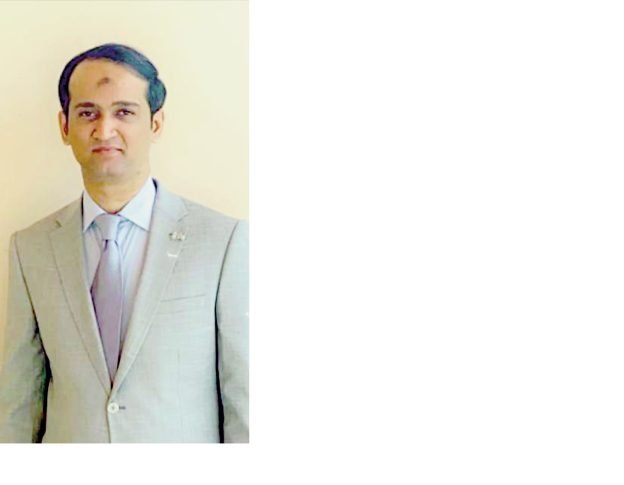
Technology Management in a Globalized World: Challenges and Opportunities
In today’s globalized world, technology management faces a plethora of opportunities and problems as businesses negotiate the difficulties of doing business in a dynamic, interconnected global context. Across-border management of varied technologies is one of the main issues. Organizations operating in international environments frequently struggle to integrate and harmonize disparate technology stacks while taking regulatory framework compliance, compatibility, and interoperability into account. Global technology management is further complicated by the speed at which new technologies are developing. Businesses need to constantly evaluate new technologies, comprehend the potential effects they may have, and strategically implement innovations that support their goals. It is difficult for enterprises to strike a balance between the necessity of innovation and the requirement for stability as they work to minimize the risks related to technological disruptions and maintain their competitiveness. Managing technology globally also means tackling cyber security issues on a large scale. Organizations are more exposed to cyber dangers, such as sophisticated cyber-attacks and data breaches, as a result of expanding their technology footprint internationally. Robust rules, proactive threat detection techniques, and ongoing employee training are necessary for managing cyber security threats in a global setting and enhancing the organization’s overall cyber resilience.
Global technology management requires careful attention to cultural factors. The cultural quirks that affect how technology is adopted, used, and accepted must be understood and navigated by organizations. Optimal implementation of technology in a multinational setting requires modifying management procedures to accommodate varied work styles and customizing technological solutions to suit cultural preferences. One of the major challenges in global technology management boils down to guaranteeing regulatory compliance across jurisdictions. Businesses have to manage a confusing terrain of conflicting privacy rules, data protection statutes, and industry-specific mandates. This necessitates the adoption of strong compliance procedures to reduce legal risks and a thorough awareness of the legal frameworks in each operating region. The globalization of technology management also creates new chances for collaborations and strategic cooperation. Global networks can be used by organizations to collaborate on R&D projects, share technology resources, and access talent pools. Forming strategic alliances with foreign partners can boost innovation, quicken the acceptance of new technologies, and aid in the expansion of a company as a whole. Recruiting and retaining people requires a sophisticated strategy that is driven by global technology management. Companies need to create teams that are geographically distributed and varied while still promoting an inclusive and cooperative work environment. Understanding and adjusting to diverse employment practices, cultural norms, and career goals is essential to luring and keeping top talent across international borders.
Networked supply chains are an essential component of international technology management. Global sourcing and distribution of hardware, software, and other technological components must be managed by organizations. This include maximizing the logistics of the supply chain, reducing the risks brought on by natural disasters or geopolitical events, and making sure that technological resources are distributed in a reliable and effective manner. Organizations have difficulties with ethical issues in technology management in a worldwide environment. Diverse cultural viewpoints on matters like data privacy, the morality of artificial intelligence, and responsible technology use can give rise to ethical quandaries. Maintaining open communication with stakeholders, adhering to ethical norms, and being transparent are all necessary for navigating these ethical issues. Sustainability issues related to the environment are another aspect of global technology management. Businesses need to evaluate and reduce the negative effects of their technological systems on the environment, including carbon emissions, energy use, and electronic waste. Adopting environmentally conscious technology management techniques supports worldwide initiatives to create a more sustainable and greener future while also encouraging environmental responsibility. For worldwide operations to be consistent and effective, technology management procedures must be standardized. The establishment of standardized protocols, documentation, and standard procedures promotes smooth collaboration between heterogeneous teams, improves communication, and expedites the global deployment of technology initiatives.
In today’s globalized world, managing technology demands a thorough and calculated strategy in order to take advantage of the opportunities and overcome the obstacles given by a dynamic and interconnected environment. In order to fully realize the potential of strategic partnership, recruitment of talent, and sustainable practices, organizations must strike a balance between the complexities of varied technologies, cybersecurity concerns, cultural nuances, and regulatory compliance. One of the most important factors in determining an organization’s success in the ever changing digital age is its ability to manage technology effectively in a global setting. -
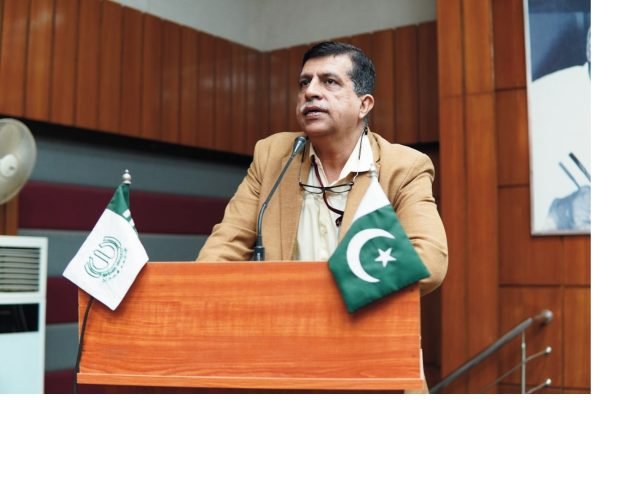
Employers do not invest in fresh graduates like their predecessors: Dr Tariq Soomro
Dream University: Knowledge Vs Job
One can see it from two aspects. One, a university that any student desires to get enrolled in, and two, a university whose majority of graduates fill prestigious vacancies. Once upon a time, we would get education for knowledge and consciousness whereas today the objective is to get a good job. A university whose degree is believed to be a trump card for the job is the highest preference.
Now have a look at it yet from another two aspects. In some good universities, a student may fail to become an impactful graduate for society while an impactful graduate may be produced by a relatively lesser-known university.
Teaching style matters
All universities have the same course set in the curriculum by accreditation bodies in Pakistan. Then why the outcomes are different? Because the teaching styles vary from one teacher to another. I look at universities from three perspectives: faculty, facility, and locality—all three aspects have a great impact on the institution. Of them, faculty makes a great difference.Faculty, Facility, Locality & IoBM
In terms of facility and locality, we are in the run and a plus point is our status of W Category—one among Pakistan’s 9 business universities. We are improving our faculty and are adopting ways and means to reduce the burden on our faculty. But we are faced with an issue here. Our regulators want us to run degree programs and research simultaneously unlike universities abroad where one set of universities only run degree programs and the others offer research programs such as doctoral research. Our faculty in Pakistani universities are overloaded to accomplish tasks like teaching, research, and also activities linked with the functioning of the institution.
IoBM Academic Excellence Framework
To reduce the load on faculty, we have worked a lot and have made a framework, the very first in Pakistan to be put into practice in our institution. This framework passed through our BoG and got a nod. Now we want more faculty to implement such a framework but we are short of faculty and it is pretty difficult to acquire from the market.
Dearth of Faculty
Because of a bad economy, good faculty are moving abroad—a trend very much prevalent in Pakistan. So, it has created a dearth of faculty in the country. Pakistan’s academia is losing its faculty resigning to move abroad. It is posing a serious challenge and this issue may take severe shape in Pakistani universities. We neither attract new faculty nor hold the current one because of dollar-rupee parity.Cognitive measures
Do we recognize brain drain from our universities? Yes, we do and also the thought process is everywhere. We at our university are reviewing the salary structure and have given a 10 percent raise for the time being. Since we are an established institution, we are able to manage these things but the newer universities may face more problems.
IoBM & industry
Industry wants a finished product that can be put right to work from day one. Today’s employers do not invest in fresh graduates like their predecessors in the past. When I joined the industry, I did not know the language that was in use in the company. I knew seven languages as a programmer but the 8th language that I learned was from the employer.
Model of collaboration with industry
Around 70 percent of our visiting faculty is from the industry. Our Capstone Program is well-grounded addressing real problems and the students under this program are linked with the same faculty. Resultantly, most of the graduates are picked up by the companies where the faculty is coming from. Our Capstone Program comprises over one and a half thousand projects at the moment. We have earned a name in the market and you can find our alumni in every institution.Imminent Challenge
Faculty retention is the major challenge at the moment. We are striving to address this challenge. Then there is yet another issue pertaining to reporting to regulatory bodies. After the 18th amendment, the Higher Education Commission (HEC) was devolved but the central commission was retained at the center. Now we are reporting to HEC Islamabad as well as HEC Sindh. They do not have any coordination between them. Moreover, similar issues are experienced with other regulatory bodies too.
A growing institution
We have planned to expand in two ways. One, we have decided to move to computing for its expanding demand in the market for the next ten years. We have recently approved new computing programs in our academic council. Two, We are establishing an IT Park where we shall offer short courses in IT to students who have done matriculation or intermediate.By Manzoor Shaikh
-
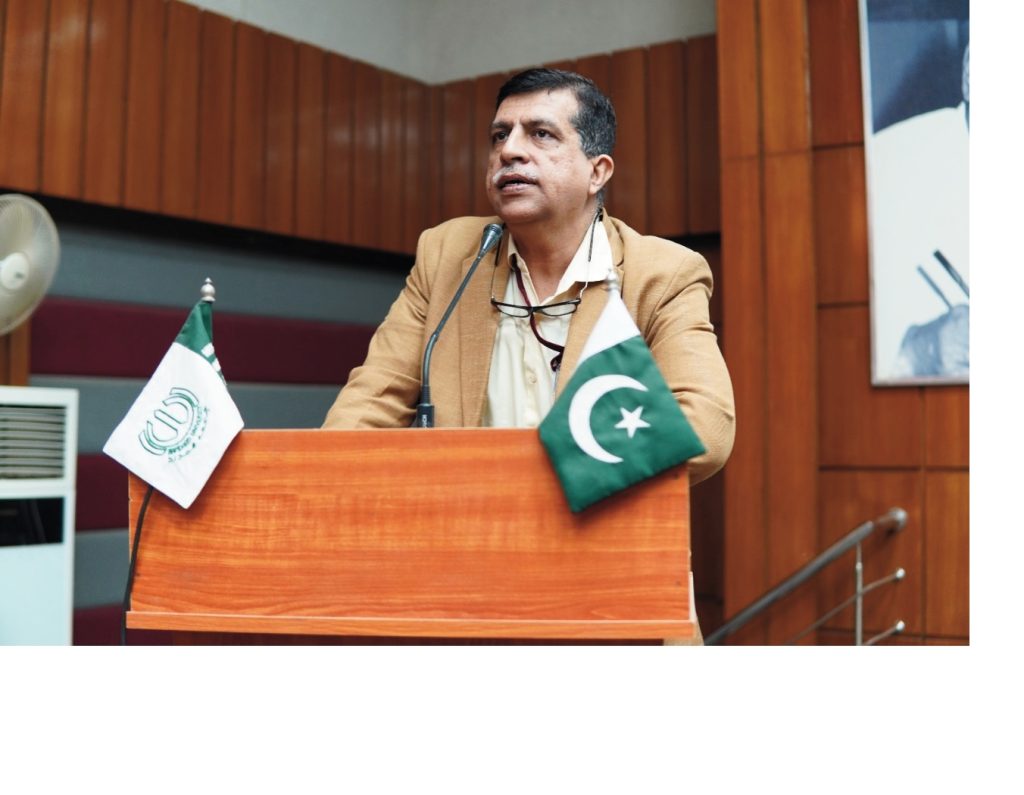
Our universities are not succeeding in resolving local issues of society: Dr. Valiudin
Dream University
Dreams are always there, they vary from person to person and are also coupled with societies so are the concepts of a dream university. Largely the role of universities is to impart knowledge, create it, and improve societies by its application. Every role is a comprehensive area of activities. University serves as a center where all people who have set themselves for such goals congregate for a concerted effort. This congregation leads you to achieve numerous levels of dreams that you see for any university.
My dream for Sir Syed University
I had set my goals once I joined this university. By the grace of God, we have achieved many parts of those goals like accreditation of programs, achieving KPIs in research programs, and drafting over 60 policies to create a conducive atmosphere in all areas. Each and everything is on our website to ensure transparency.
Shoulder to shoulder with the changing world
Covid 19 Pandemic taught us all. Now, we are pursuing a goal as to how to incorporate technology in all of our programs to enhance the level of learning. We were among 13 universities in terms of preparedness for online learning during the pandemic era. We do not compare ourselves with the rest of the world as we still lag far behind. We have to think collectively about how to take over 60 percent of our young population on board.
Are we failing to resolve local problems?
I feel our universities are not succeeding in resolving local issues of society. We are doing everything be it education, research, etc. but we are not addressing individual problems. Maybe we are referring to books written for different societies, research is not linked with local settings, and case studies that we use for business are also alien. We are not focusing on our problems. For instance, we {I mean all including academia, industry, and government} are still unable to solve the garbage problem in Karachi. Universities cannot work in isolation; students come from society and go back to society and work with industry and government. Unless we break the disconnect between us, we cannot succeed. Also, policies and their continuity are a must.
Inter-connectivity of universities
We {all universities} have been working in silos. Now people have begun realizing that without collective effort and connectivity, we cannot solve our problems. I can share that our university is in collaboration with numerous public as well as private universities in Pakistan. The biggest initiative in this regard is the National Idea Bank that we led taking along around 25 universities in Pakistan. Moreover, we are in collaboration with other universities in numerous programs.
Ideas Vs Reality
National Idea Bank served as a platform for interaction between the universities. It is an ongoing process but the benefit is that we are working collectively. In some programs, we are collaborating simultaneously with national and international universities. For instance, four Pakistani and three European universities are partners in a climate change program. Now we are working as collaborators rather than competitors.
Bottlenecks for implementation of projects
We need to change many things but they cannot be done with a single stroke. Things are changing wherever they can change gradually. We experienced it during our tenure at the National Idea Bank and we clinched results from the ideas that we implemented. We received every kind of support from all corners proving that the people are willing to support each other. We have finalized some projects with some other universities.
Engineering losing attraction
It is a reality. Not more than 50 percent of candidates appeared for admissions in engineering programs last year. Of course, it is not a good situation in a country like ours where the ratio of engineers should be bigger. There are multiple reasons for this situation. It will create a gap between supply and demand—a damage that we see. We see a rising demand around the world in the backdrop of emerging technologies and telecom. More and more young candidates are picking IT fields for the benefit of earning quickly. Maybe we are not able to convince the youth why engineering is necessary. They believe engineering has lost its scope. We have to work collectively. -

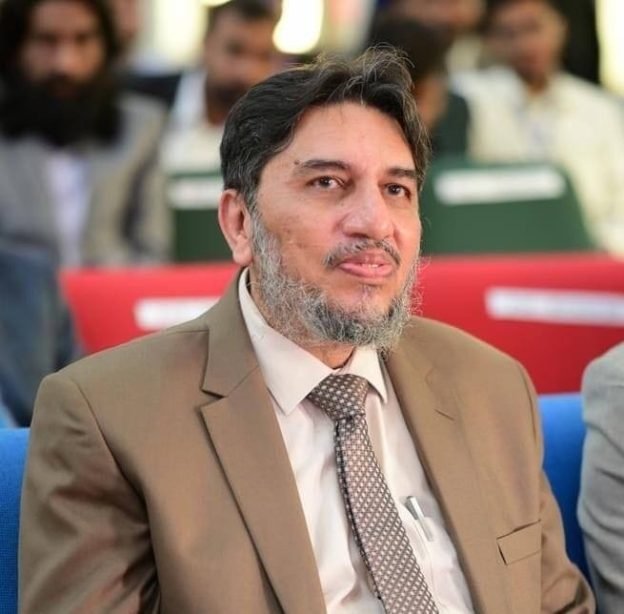
Mehran is my whole life, find myself fit to lead in new industrial revolution: Dr. Tauha Hussain Ali
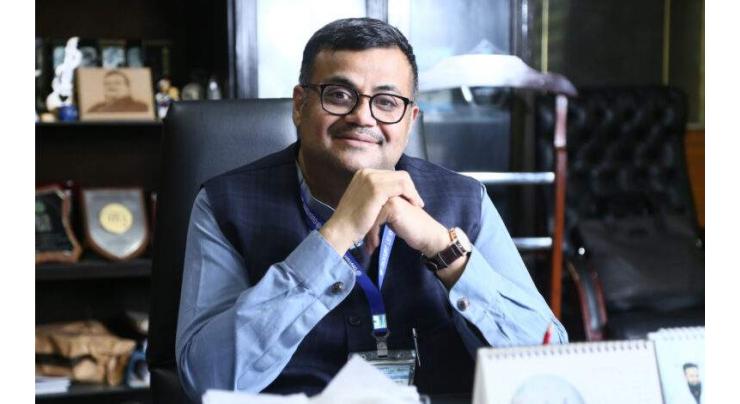
I have been closely monitoring all vice-chancellors before me for being a member of their teams. I find myself relaxed while maintaining the continuity of policy and the advancement with changing times, says Dr. Tauha Hussain Ali, Vice Chancellor, Mehran University of Engineering & Technology (MUET), Jamshoro in a special interview with Engineering Review.
We are entering into Industry Revolution 4.0 and we are required to lead undergraduates to the times of this revolution I find myself fortunate to be settled in this position and lead it.
Leadership roles
Running the university with my style is better than following my predecessors’ who put the system in place. I and my team fully understand the system and the prime objective is to improve the system.
Vision 2030 – ‘RISE’ is making a difference
We had a vision already. Maybe it was restricted to concepts only. What I, with my team, have done is to enshrine it keeping in view the most modern demands of the day, and have incorporated it into the system. It is making a difference—a feat of appreciation.
Salient features of ‘RISE’ (Research, Innovation, Sustainability, Entrepreneurship)
Vision 2030 is student-centric. We believe if the students are not content with the standard of education and the level of facilities and in return not agree to carry the brand name of the university then all our efforts will be in vain.
Liaison with industry
Collaboration with industry is a basic prerequisite for the identity of any university. No research, be it community-based, commercial, or impact-related, can bear any fruit unless it is in liaison with the industry. I have made endeavors to bring the university closer to the industry. We have opened ourselves to the industry so that we can solve their problems. USAID Water Center is just one to float as an example. Numerous national and international donors are now approaching the university to use the capacity and ability of the institution.
Role of Alumni and Vision 2030
We need the experience, capability, and competence of our alumni rather than their money. They must move forward to take care of their alma mater and be part of students’ training and enhancement efforts. This role is embedded in our vision.
Infrastructure for industry-academia liaison
The concept of entrepreneurship is failing in practice in our universities and one of the major causes is the absence of an echo system for entrepreneurship. The system of education especially the syllabus and attendance etc. needs to be transformed so that the students are able to become entrepreneurs. Also, engineers have ideas and they must be equipped with the ability to sell them. They must either collaborate with the industry or with business universities. therefore, many things should be changed.
Engagement with industry turning fruitful
We are reviewing our curriculum keeping in mind the feedback of the industry we are in liaison with. We have sought their input as to what kind of changes should be made so that the students are ready to perform in the industry from the very onset. I think the present system of internships also needs to change and the students should go into the industry for a longer term {let’s say 4 to 6 months} before completing their final years in the university; a few weeks period does not work.
Money matters
Universities have no way but to vie for sustainability. Things are moving in this direction at all levels—government, regulatory bodies, and universities. Regulatory bodies should allow the institutions to move towards commercialization linked with engineering education and the financial benefits of the university. For instance, MUET, Jamshoro has enough land to offer for setting up solar or wind parks. The industry may invest and give dividends to the university whose students can benefit through working with solar or wind power companies. Also, the universities can establish technology parks and the authorities can declare them tax-free zones. We have moved ahead keeping in view some good ideas of Sindh’s investment board. We are in the advanced stage of talks with some companies. The Sindh government is extending a helping hand to the universities as regards the solarization of the universities.
Expanding academic side
We are running 26 programs through 18 departments. We have introduced 5 new programs during the last two years. These include AI and Cybersecurity and also technology programs. This is because our students pay attention to technology rather than engineering which seems to be shrinking over the years. -

Dr. Tahir Masood Ex-MD NESPAK conferred Civil Award

Dr. Tahir Masood, former Managing Director NESPAK, has been conferred Tamgha-i-Imtiaz in the field of engineering by the President of Pakistan. The investiture ceremony for the award was held on Pakistan Day, March 23, 2024, wherein Dr. Tahir Masood received the award from Punjab Governor Muhammad Baligh-ur-Rehman.
Dr. Tahir Masood remained the President and Managing Director of NESPAK from 2018 to 2023. He is an outstanding professional by any standard. During his career spanning over thirty-nine years, he has made significant contributions to diverse projects of vital importance in Pakistan and abroad. A diehard Civil Engineer by profession, Dr. Masood is well-versed in the various disciplines of engineering and carries a diverse work record of over three decades in Corporate Management, Project Management, Geotechnical, Hydro & Thermal Power Engineering, and Dams. During his illustrious career, he has worked on many mega projects of national and international importance such as:
1223 MW CCPP Balloki Project
1180 MW CCPP Bhikki Power Project
660 MW Engro Thar Coal Fired Power Project
Sindh-Engro Coal Mining Project
Orange Line Metro Train Project
Tarbela 4th Extension Project
1450 MW Ghazi Barotha Hydropower Project
Chashma Hydropower Project
Khanki Barrage Project
Bay Area Hazard Assessment after 1989 Earthquake California, U.S.A.
Under his leadership, NESPAK achieved significant progress and goals including securing a lead role in Joint Venture for consulting services for Mohmand Dam and Basha Dam projects. Given his professional excellence, outstanding commitment, and his role in the development of Pakistan for over thirty-nine years, Dr. Tahir Masood has been conferred the civil award. -
IEEEP calls for technical papers, to be presented in multitopic moot
The Institution of Electrical & Electronics Engineers Pakistan – IEEEP Karachi Center is pleased to invite engineers, researchers, consultants, and experts from the academia and professional organizations to present their research, technological developments, and innovative engineering solutions at the 38th IEEEP Multi-Topic International Symposium to be held on 8th & 9th May 2024, at hotel Pearl Continental Karachi, Pakistan.
The Symposium anticipates the participation of over 300 professional engineers, including CEOs, senior engineers, and esteemed foreign delegates representing various sectors such as consultants, contractors, manufacturers, public sector organizations, utilities, and academia. Over the course of two days, the Symposium will feature multiple technical sessions, providing a platform for the presentation of papers covering diverse topics relevant to the business, industry, and engineering sectors in Pakistan.
The IEEEP is the foremost institution in Pakistan that represents professional Electrical & Electronics Engineers from the Industry and Academia and most of the engineers from public sector utilities are also its members. The IEEEP has been instrumental in resolving a number of technical issues of national importance during the past four decades.
The areas of interest for the papers and technical presentations include Energy Market Analysis, Planning, & Transition, Electrical & Energy Management Systems, Renewable Energy & Sustainable Development Goals, Trends in Electricity Generation, Transmission & Distribution, Trends in the Utility Sector & Smart Grid Infrastructure, Advancements in Electrical Machines & Equipment, Electronics Platforms in Industry 4.0 & 5.0 Technologies, Industrial Automation & Control Systems, Emerging Technologies in Telecommunication, Emergence of Health-care Systems for New Vistas, Convergence of Technologies for Enhanced Systems and Strategic Management of Assets & Projects, etc. Interested engineers and authors can contact the Convener Technical, Engr. Rizwan Ahmed Ansari rizansari@hotmail.com and Co-convener Technical Engr. Zeeshan Ali, zeeshanali.engr@gmail.com of IEEEP Symposium 2024.”] -
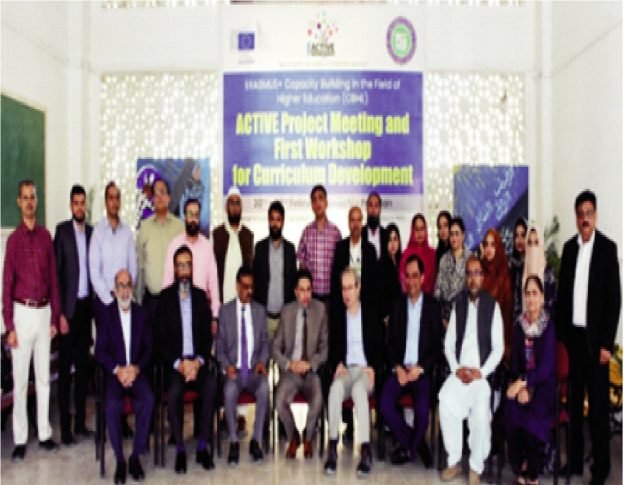
Consortium Partners of ACTIVE Climate Action Project meet at SSUET Karachi Addressing climate change resilience, employing ICT to combat issues.
Sir Syed University of Engineering & Technology (SSUET) organized a meeting of the Consortium Partners of ACTIVE Climate Action Project, co-funded by the European Union and the first 3-day workshop for Curriculum Development, which was attended by Professor Enrique Nava of Malaga University Spain, Prof BS Chowdhry (MUET), Professor Mihai Ciuc (POLITEHNICA University of Bucharest), Dr. Kapal Dev( Munster university Ireland), Dr Marium Jalal (NUTECH), Engr Muhammad Zakir Shaikh (MUET), Dr Valiuddin Vice chancellor SSUET, Acting Registrar Zubair Hameedi, Dr Anayat Ullah (BUITEMS), Deans, Chairperson, and faculty members. Addressing the session, Vice Chancellor SSUET, Prof. Dr. Vali Uddin said that Sir Syed University is playing a significant and effective role in shaping the future of the new generation, extending partnerships beyond national borders, and strengthening the university’s dedication to international excellence.
Expressing strong admiration for the initiatives taken in addressing climate change resilience and employing ICT to combat regional environmental issues, Vice Chancellor Prof. Dr. Vali Uddin underscored that climate change is a global challenge and people are experiencing the significant impacts of climate change, which include changing weather patterns, rising sea level, and more extreme weather events. It affects economic activities and lives. This situation demands us to prepare for the current effects of climate change and the predicted impacts in the future. Efforts should be made to adopt green perspectives, clean technologies, and healthy lifestyles.
Appreciating the initiatives taken by Sir Syed University with unwavering commitment to environmental sustainability, Professor Enrique Nava of Malaga University of Spain said that the universities need to explore collaborative opportunities in educational initiatives and delve into focused discussions on the EU Project for Sustainable Environmental Protection. It is a great achievement of Sir Syed University with good progress in the Active Project.
Prof. Dr. BS Chowdhry from Mehran University of Engineering & Technology presented valuable insight into participating in Active Projects, funded by ERASMUS+ Capacity Building in the Field of Higher Education (CBHE). He said that the ICT Applications for Sustainable Environmental Protection (ACTIVE) project is a unique initiative aimed at
bridging the gap between ICT engineering and environmental sciences in Pakistan.
The project is centered around capacity building and interdisciplinary training to leverage ICT to address pressing environmental and climatic challenges that urban and rural areas face in Pakistan. By collaborating with partner universities across the country, we are uniquely positioned to address the diverse environmental concerns specific to each region. The ACTIVE project addresses a critical need in today’s education and industry – the convergence of ICT and environmental sciences. While many programs focus on ICT engineering or environmental sciences, they often operate in silos, limiting the scope and effectiveness of their solutions. ACTIVE seeks to integrate these areas, training ICT engineers with a strong understanding of environmental science to create more impactful and sustainable solutions for environmental and climatic issues.
Highlighting the importance of international collaborations in addressing global challenges, the Dean Faculty of Electrical & Computer Engineering, Prof. Dr. Muhammad Aamir, presented the Agenda Items in detail. He pointed out that climatic change always affects human lives and there is a need to combat climate change impact on a priority basis because global warming influences climate change.
Prof. Dr. Muhammad Aamir said that curriculum development plays a key role in enhancing teaching and learning, and the courses that focus on fostering skills in students would prove to be beneficial for the students in the future. It should also lean towards specific skill development and creating entrepreneurship capability.
Dr Marium Jalal from NUTECH presented details about Curriculum development of a new MS degree program in multidisciplinary environmental engineering using modern ICT technologies. She also presented Good practices on innovative teaching methodologies in Pakistan HEI to utilize the User Requirement Analysis. Prof Mihai Ciuc and Dr Kapal Dev also discussed about Project Quality Assurance. Dr Anayatullah Baloch briefed on equipment selection. A presentation on Financial Management was given by Ms Laura Rodriguez (UMA), Spain.
On this auspicious occasion, Professor Enrique Nava of the Malaga University of Spain along with Vice Chancellor Prof. Dr. Vali Uddin, Prof. Dr. Muhammad Aamir, Prof. Dr. BS Chowdhry, Prof. Dr. Muhammad Asif, and others inaugurated the Content Development Lab of Sir Syed University.
The meeting delegations also visited Usmani Associates and the Climate Action centre. -
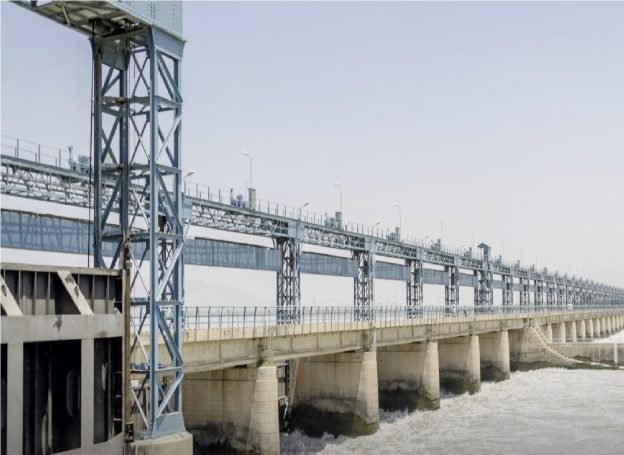
Tampering with Indus River System Authority worries provinces
Be it politics or the economy, mishandling of federal principles is doomed to cause harm to any federation. This fact has a proven history attached to it speaking loudly that the constitutional contracts agreed upon between federating units pave a smooth road to the development and prosperity of the federations.
But it seems as if we {in Pakistan} are ignorant of understanding the lessons that the nations around the world have drawn from their centuries-old history otherwise neither had Prime Minister Shehbaz Sharif withdrawn the notification of the new Indus River System Authority (IRSA) chairman nor had IRSA itself stood by with the elements which attempted to change the federal character of the authority.
Prime Minister Shehbaz Sharif had to withdraw the notification of the new Chairman IRSA Zafar Mahmood after stiff resistance from Sindh. But mind it, the amendment to the IRSA Act is still intact.
Chief Minister Syed Murad Ali Shah made a telephone call to the Prime Minister and conveyed to him a very strong message from the province, reportedly saying that the appointment of Chairman IRSA under the controversial amended IRSA Act by the caretaker government was not acceptable to the province.
A day earlier, Syed Naveed Qamar, former Minister for Water and Power, also spoke on a point of order in the National Assembly and raised concerns on the appointment of a retired bureaucrat as Chairman IRSA. “On the very first day, if we start encroaching upon the rights of the provinces then how do we function as a federation, he asked. It was the first illegal act of the present government to appoint the chairman hurriedly without bringing the law to the floor of the house, he said.
He lashed at the new government for hurriedly appointing the IRSA chairman without placing the ordinance on the floor of the house.
Just two months before the termination of the tenure of the caretaker government in Islamabad, the news appeared in a section of the press that the government was busy moving an ordinance aimed at amending the IRSA Act for handing it over to the federal government. Very few know how and when it started, the move went on despite severe reaction in the provinces, especially in Sindh. Even the sections of the caretaker Sindh cabinet opposed the move but it fell on deaf ears.
The new amendments that surfaced at last had three major rather unconstitutional alterations.
One, the federal government would appoint the chairman of the authority which otherwise has to be looked after by the Council of Common Interest (CCI). The new chairman would either be a serving or retired government servant of grade 21.
Two, the members {provincial representatives} of IRSA would select from among a vice chairman who otherwise as per the actual IRSA Act were taking turns holding the office of chairman.
Three, the chairman was empowered to seek the help of law enforcers to ensure the security of the installations. The enforcers include the army too.
The amendments in the IRSA Act were rejected by water experts and political circles who believed that the amendments would change the nature of the authority and centralize the system. It has also raised questions about the very water accord in place for the distribution of water resources between the provinces.
The political and social circles along with the engineering community in Sindh spoke against the appointment of the new Chairman IRSA without taking the province into confidence.
Also, this month the Sindh cabinet expressed reservations about the recent appointment of Zafar Mahmood whom the people in Sindh knew as a known advocate for the controversial Kalabagh Dam, as Chairman of the Indus Rivers System Authority (IRSA).
Mahmood has long been running a campaign for the construction of large storage dams, especially the Kala Bag Dam.
“The Sindh cabinet believes that the IRSA chairman should be selected from among the members of the provinces or the federal government. Appointing someone from outside would be a clear violation of the water accord,” said the Sindh cabinet in its first meeting chaired by Chief Minister Syed Murad Ali Shah.
Zafar Mahmood, the newly appointed IRSA chairman, has been an outspoken supporter of Kalabagh Dam, dismissing the concerns of provinces like Sindh, Khyber-Pakhtunkhwa, and Balochistan. His appointment has raised objections, not only from the public but also from writers, civil society members, and even leaders within the ruling PPP.
“Zafar Mahmood has consistently rejected Sindh and smaller provinces’ concerns over the controversial dam, especially Kalabagh. How can one accept this appointment?” questioned PPP leader and former senator Sassi Palejo. PPP leaders in Sindh have vowed to approach the federal government to reconsider the decision.
After such a reaction, Prime Minister Shehbaz Sharif withdrew the notification of the new Chairman of IRSA Zafar Mahmood.
According to a letter written by Secretary to Prime Minister, Asad Rehman Gilani “the orders of the Prime Minister’s Office of March 12, 2024, for appointment of Zafar Mahmood, a retired BS-22 Federal Government Officer, as Chairman IRSA may be treated as withdrawn. Further necessary action shall be taken accordingly.”