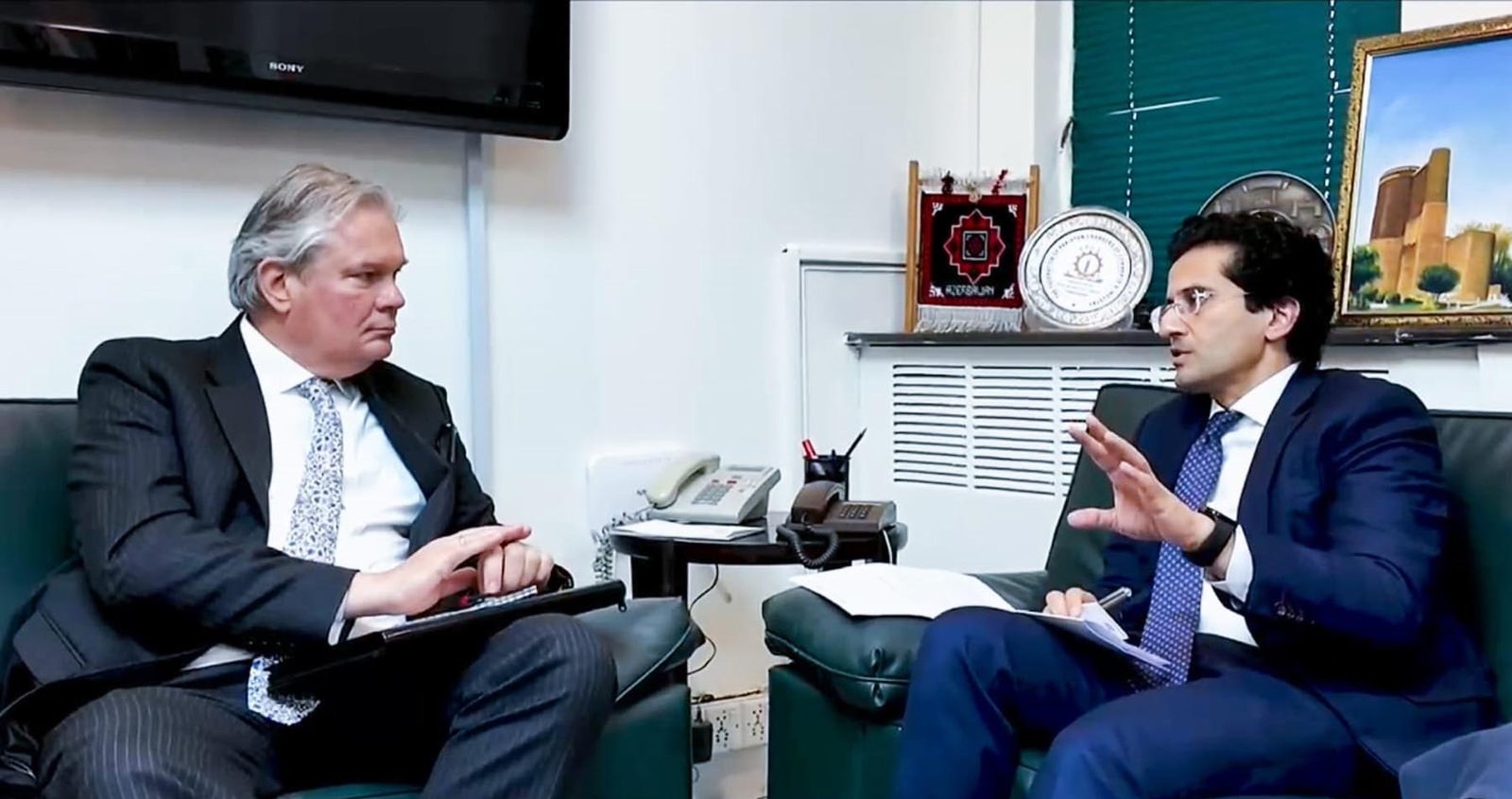
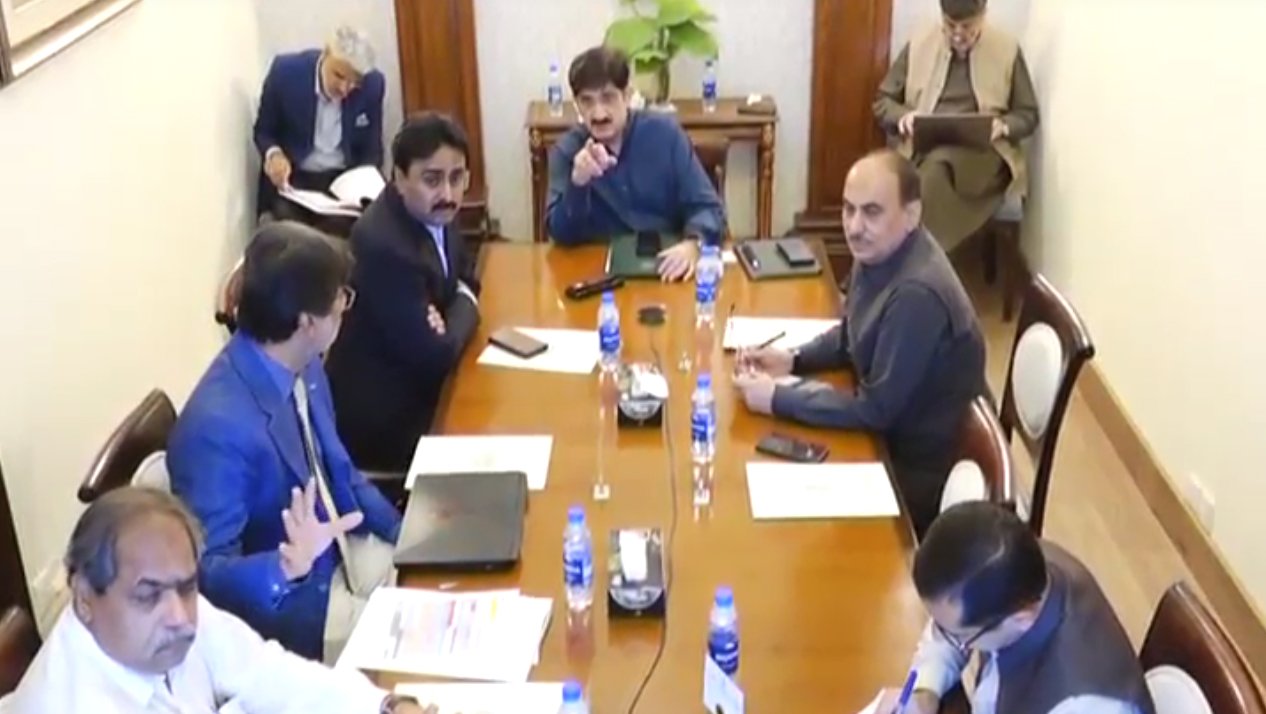
Federal Minister for Petroleum Ali Pervaiz Malik held a meeting with H.E. Robert Jan Siegert, Ambassador of the Netherlands to Pakistan, along with a delegation from Engro Vopak Terminal Limited (EVTL), to discuss prospects for strengthening cooperation in Pakistan’s energy and industrial sectors.
Welcoming the Ambassador and the delegation, the Petroleum Minister expressed optimism about deepening bilateral engagement between Pakistan and the Netherlands, particularly in areas related to energy infrastructure and industrial development. He reaffirmed the government’s commitment to facilitating foreign investment by ensuring a stable, transparent and business-friendly environment.
Ambassador Siegert noted that the Netherlands attaches great importance to its partnership with Pakistan and views it as a promising destination for investment and trade. Highlighting the role of Engro Vopak Terminal Limited, he described the company as a flagship example of Dutch partnership in Pakistan’s energy sector. EVTL is a joint venture between Royal Vopak of the Netherlands and Engro Corporation Limited, operating modern storage and handling facilities for bulk liquid chemicals and liquefied petroleum gas (LPG).
The Ambassador said the Netherlands is keen to further strengthen this collaboration and demonstrate that Pakistan remains open to international business partnerships. He added that the Dutch side is particularly interested in seeing the cooperation in terminal operations continue to grow and evolve in the coming years.
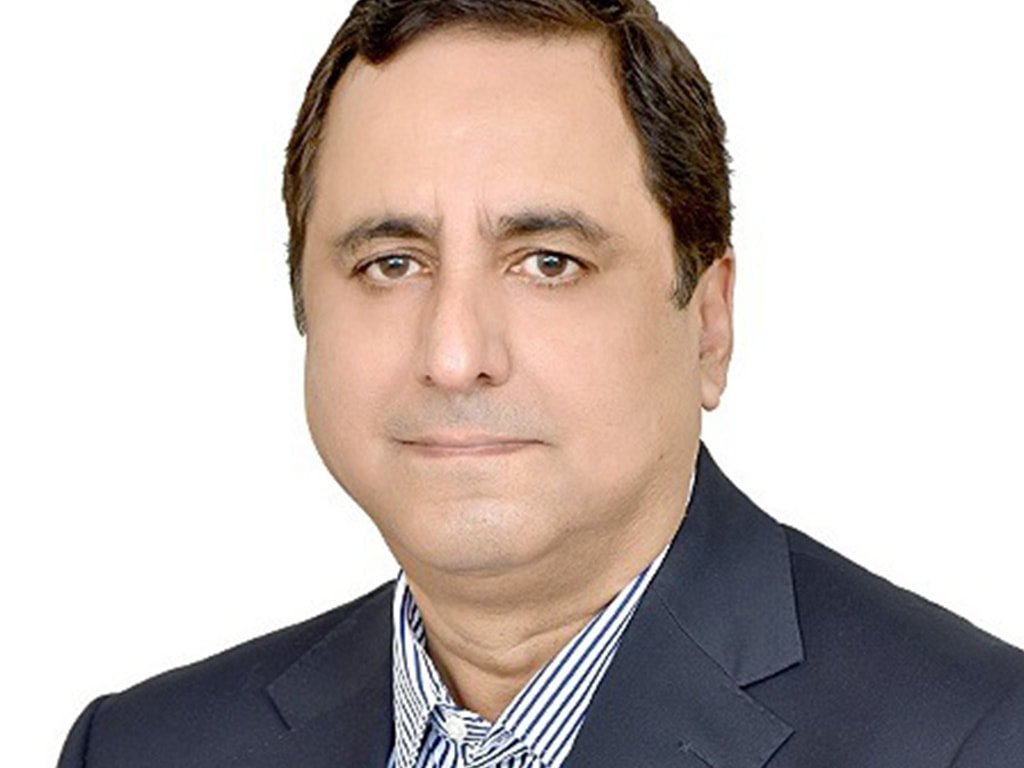
During the meeting, EVTL Chief Executive Officer Ammar Shah briefed the minister on the company’s operations and its role in supporting Pakistan’s industrial supply chains. He informed the participants that EVTL handles a substantial portion of the country’s LPG marine imports and plays a critical role in supplying feedstock to key manufacturing sectors.
According to Shah, the terminal’s infrastructure helps ensure the efficient handling and storage of essential raw materials required by downstream industries, including those producing DAP fertilizer, PVC and PTA. He said EVTL’s operations contribute to improved supply chain efficiency and help maintain a steady flow of industrial inputs for Pakistan’s manufacturing base.
The delegation also discussed potential opportunities for expanding terminal operations and enhancing business activities in Pakistan’s energy logistics and chemical handling sectors. Both sides explored ways to further improve operational efficiency and strengthen collaboration between international investors and local industry.
Federal Minister Ali Pervaiz Malik reiterated that the government is committed to providing a conducive environment for investors and ensuring fair and transparent opportunities for all stakeholders operating in the country’s energy and industrial sectors.
The meeting also included a discussion on the broader energy supply chain situation in light of ongoing developments in the Middle East. The minister informed the delegation that the government is closely monitoring regional dynamics and taking necessary steps to ensure stability in Pakistan’s energy supply.
He noted that the country currently maintains comfortable fuel stock levels but emphasized the importance of prudent consumption patterns and efficient supply management to safeguard long-term energy security.
The interaction underscored the importance of international partnerships in strengthening Pakistan’s energy infrastructure and supporting industrial growth, while reaffirming the commitment of both countries to expand cooperation in mutually beneficial sectors.
Rana Ihsaan Afzal Khan, Coordinator to the Prime Minister on Commerce, held a meeting with Admiral Javed Iqbal, President of the National Institute of Maritime Affairs (NIMA), to explore ways to integrate Pakistan’s maritime potential into the country’s trade and export strategy.
During the meeting, both sides highlighted the vast untapped opportunities within Pakistan’s Blue Economy, noting that the country’s nearly 1,000-kilometer coastline and strategic geographic location offer significant prospects for economic growth and export expansion.
The discussion emphasized that the fisheries sector holds considerable potential for boosting exports, while emerging opportunities also exist in coastal tourism, shipbuilding, marine services and maritime logistics.
Participants stressed the importance of stronger collaboration between academia, think tanks and government institutions to support evidence-based policymaking and help formulate an effective maritime trade strategy.
The meeting also reviewed the “Maritime Century” vision of the Ministry of Maritime Affairs, a long-term roadmap aimed at transforming Pakistan into a competitive maritime nation. The plan focuses on port expansion, modern fleet development, shipbuilding and recycling industries, green maritime technologies and human resource development.
A key proposal discussed was the establishment of a dedicated Sectoral Council within the Ministry of Commerce, in coordination with the Ministry of Maritime Affairs, to incorporate Blue Economy considerations into trade policy and address sector-specific issues to enhance exports.
The proposed mechanism would also support the formulation of a comprehensive Blue Industrial Strategy aligned with Pakistan’s export competitiveness goals.
Both sides agreed to strengthen cooperation between trade and maritime institutions to unlock Pakistan’s coastal potential and promote sustainable economic growth, industrial development and export diversification. – ER News Desk
Federal Minister for Climate Change Musadik Masood Malik represented Pakistan at the Arctic Circle Rome Forum during his official visit to Italy from March 2–5, highlighting Pakistan’s vulnerability to climate change and calling for stronger global cooperation to address environmental challenges.
Speaking at the forum’s plenary session, the minister delivered Pakistan’s National Statement titled “View from Pakistan: Climate & Poles,” emphasizing the devastating impact of melting glaciers, rising sea levels and extreme weather events on the country.
During a panel discussion on “Science Diplomacy for Third Pole,” Malik stressed the need for science-based international cooperation, climate justice and stronger links between research institutions and policymakers to address shared environmental risks. He also participated in Polar Dialogue and high-level deliberations at the National Research Council of Italy.
On the sidelines of the forum, the Pakistani delegation held bilateral meetings with prominent global leaders and policymakers, including Ólafur Ragnar Grímsson, chairman of the Arctic Circle; Katrín Jakobsdóttir, chair of Polar Dialogue; Vivian Motzfeldt; Mona Fortier; Eivind Vad Petersson; and Marie Anne Coninsx.
The minister also held meetings with Anna Maria Bernini and officials from the Italian Agency for Development Cooperation to discuss collaboration in research and climate initiatives.
As part of his engagements, Malik visited Sapienza University of Rome, Italy’s largest public university, where he interacted with academics including Pro-Rector Giuseppe Ciccarone and Rodolfo Negri. Discussions focused on strengthening academic linkages and research cooperation between Pakistan and Italy.
During his interventions, the minister proposed several initiatives including the establishment of a Virtual Green University to connect researchers and innovators, a Climate Risk Capital Fund to support climate-tech startups, and a Green Intellectual Property framework to ensure equitable access to climate innovations.
Malik also participated in a discussion hosted by Andrea Lenzi, where he engaged with leading Italian scientists on biodiversity, cryosphere research and environmental sustainability.
In a media interaction with Sky TG24, the minister outlined Pakistan’s stance on climate diplomacy and called for enhanced global collaboration to address the cascading impacts of climate change.
Pakistan’s participation in the Rome Forum marked the country’s first appearance at the event and came under a special invitation. The Arctic Circle leadership also extended an invitation to Pakistan to participate as a keynote speaker at the forthcoming Arctic Circle Assembly, scheduled to be held in Reykjavík from October 8–10, 2026.
The minister’s engagements in Italy were coordinated by the Pakistan Embassy, with Third Secretary Shahnawaz Khan facilitating meetings aimed at promoting Pakistan’s climate narrative among policymakers, researchers, academia and the international media. – PID/ER News Desk
Oil and Gas Development Company Limited (OGDCL) and Pakistan Petroleum Limited (PPL) have announced a significant oil and gas discovery at the Baragzai X-01 (Slant) exploratory well located in District Kohat, Khyber Pakhtunkhwa.
In a notification submitted to the Pakistan Stock Exchange, OGDCL informed that the discovery was made over the Lockhart Limestone formation within the Nashpa Exploration License.
OGDCL operates the Nashpa block with a 65 percent working interest, while PPL holds 30 percent, and Government Holdings (Private) Limited (GHPL) has a 5 percent carried interest.
According to the announcement, a cased-hole Drill Stem Test (DST-05) conducted in the Lockhart Limestone formation showed encouraging results. The well flowed at a rate of 3,765 barrels of oil per day (BOPD) and 11.2 million standard cubic feet per day (MMSCFD) of gas through a 32/64-inch choke at a wellhead flowing pressure of 4,080 psig.
The Baragzai X-01 (Slant) well was spudded on December 30, 2024 as an exploratory well to evaluate the hydrocarbon potential of multiple geological formations, including Lockhart, Hangu, Lumshiwal, Samana Suk, Shinawari, Datta, and Kingriali.
The well was successfully drilled to a total depth of 5,170 meters, reaching the Kingriali Formation. Based on wireline log evaluation, four earlier cased-hole drill stem tests were carried out in the Kingriali, Datta, Samana Suk plus Shinawari, and Hangu plus Lumshiwal formations. These tests had also resulted in oil and gas discoveries, indicating significant hydrocarbon potential in the block.
Energy sector analysts believe that the discovery highlights the promising exploration prospects in the Nashpa block and underscores the continued efforts of local exploration companies to expand the country’s hydrocarbon reserves.
Officials noted that the latest discovery is expected to contribute toward reducing Pakistan’s energy supply-demand gap by adding indigenous resources to the national energy mix. The development will also strengthen the reserves base of OGDCL and its joint venture partners.
Pakistan has been intensifying exploration activities in recent years to reduce reliance on imported fuels and enhance domestic energy production. Discoveries such as Baragzai X-01 are therefore viewed as an important step toward improving energy security and supporting long-term economic stability.
Further appraisal and evaluation activities are expected to determine the full commercial potential of the discovery in the Nashpa Exploration License area. – ER News Desk
Supernet Limited has announced a change in its top management, informing the Pakistan Stock Exchange that Mr. Waseem Ahmad has ceased to serve as the Chief Executive Officer of the company with effect from March 3, 2026.
In a notification submitted to the stock exchange, the company stated that Mr. Jamal Nasir Khan has been appointed as the new Chief Executive Officer with immediate effect following the departure of Mr. Ahmad.
The disclosure was made in accordance with the regulatory requirements of the stock exchange to inform shareholders and the market about changes in the company’s key management.
Supernet Limited is a leading provider of satellite communications, broadband connectivity, cybersecurity, and information technology solutions in Pakistan. The company offers services to a wide range of sectors including government organizations, defense institutions, financial services, telecom operators, and enterprise clients.
Industry observers note that leadership transitions in technology and communications companies often reflect evolving strategic priorities as firms respond to rapid developments in digital infrastructure, cybersecurity, and connectivity solutions.
While the company did not provide further details regarding the reason for the change, the appointment of Jamal Nasir Khan is expected to steer the company through its next phase of growth and technological expansion.
Market participants will be closely watching how the new leadership shapes the company’s operational strategy and business outlook in Pakistan’s competitive telecommunications and IT services sector.
The company’s notice to the Pakistan Stock Exchange confirmed that the management change became effective on March 3, 2026. – ER News Desk
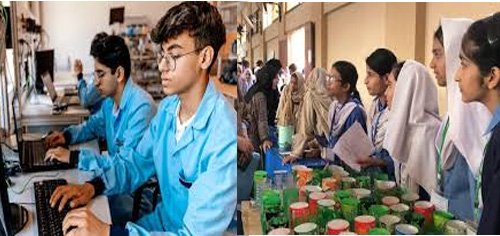
Sindh, with its rich cultural heritage and industrious population, is home to millions of youth, many of whom are unable to pursue higher education due to economic constraints. For these young individuals, the lack of access to education often translates into limited employment opportunities, perpetuating cycles of poverty. However, the future need not be bleak. By focusing on training in practical, future-relevant skills and trades, the youth of Sindh can become self-reliant, support their families, and make meaningful contributions to society. This approach can also address the growing poverty line, thereby transforming the province’s socio-economic landscape.
The Urgent Need for Skill-Based Training While traditional education remains important, it is not a feasible option for all. Many youth, especially from rural and marginalized communities, cannot afford the cost or opportunity of higher education. For them, vocational and technical training presents a pathway to immediate employment and self-employment. Trades such as tailoring, carpentry, plumbing, electrical work, mobile and electronics repair, small-scale food services, and agriculture-related skills can provide sustainable income in the short term.
Beyond these immediate trades, the emerging global and local economic landscape demands skills that will remain relevant for the next 25 years. Digital literacy, renewable energy installation, AI-assisted tools, data entry, and creative services such as graphic design or digital marketing are set to become increasingly valuable. STE(V)TA, while a valuable institution, currently does not fully cover the breadth of trades that will be essential for the future economy. Therefore, a dynamic, forward-looking approach to youth training is necessary.
Using Existing Infrastructure to Create a Training Ecosystem The government of Sindh has a vast network of offices, schools, and colleges, which can be leveraged to establish a province-wide skill training ecosystem. These facilities, often underutilized outside working hours, can serve as training hubs for vocational and technical skills.
Schools and colleges can provide classrooms and laboratories for training in trades like IT, digital marketing, electronics, and renewable energy.
Government offices and community centers can host practical workshops in trades such as plumbing, electrical work, tailoring, and carpentry.
Libraries can be converted into learning centers for theoretical knowledge, online tutorials, and entrepreneurship guidance.
Mobile training units can reach remote villages, delivering practical sessions directly to youth who cannot travel to city centers.
By combining existing infrastructure with trained instructors, industry partnerships, and community engagement, a province-wide skill development network can be created at minimal cost.
Government’s Role and Policy Recommendations To enable this vision, the government must take proactive measures:
Expand and Update STEVTA Programs
Introduce new trades aligned with emerging technologies, renewable energy, healthcare, digital services, and AI-assisted tools.
Regularly revise curricula to match market demand and future trends.
Subsidize Training for Poor Youth
Offer free or low-cost courses, stipends for trainees, and micro-loans to purchase tools.
Ensure that economic barriers do not prevent participation.
Integrate Vocational Training into Education
Introduce skill-development hours in schools and colleges.
Encourage apprenticeships and community mentorship programs.
Leverage Public-Private Partnerships
Collaborate with businesses to provide apprenticeships, tools, mentorship, and job placement.
Encourage CSR initiatives that fund skill development in rural areas.
Promote Awareness and Community Engagement
Conduct campaigns highlighting the economic potential of skilled trades.
Showcase success stories to motivate youth and break stigmas around vocational work.
Certification and Recognition
Ensure that all training programs provide nationally recognized certifications that enhance employability and credibility.
Eradicating Poverty through Skills By equipping youth with both practical and future-oriented skills, Sindh can achieve multiple objectives simultaneously:
Reduce dependency on traditional, low-income jobs.
Create opportunities for self-employment and micro-businesses.
Enable youth to participate in the digital economy and emerging industries.
Transform underutilized infrastructure into productive learning hubs, accessible across urban and rural areas.
Over the next 25 years, youth trained in these needful trades and emerging skills will be capable of meeting local demands, adapting to technological shifts, and generating sustainable livelihoods. This approach will not only empower the youth economically but also significantly contribute to reducing poverty and unemployment in Sindh.
Conclusion The youth of Sindh are at a critical crossroads. Without intervention, many will remain trapped in cycles of poverty. However, by prioritizing vocational and future-relevant training, leveraging existing infrastructure, updating STEVTA programs, and engaging the private sector and communities, the province can create a self-sustaining ecosystem of skilled, employable, and self-reliant youth. This is not merely a policy recommendation; it is an economic imperative and a step towards inclusive development, social stability, and long-term prosperity for Sindh.
Engr. Ramesh Raja is a civil engineer and managerial/ planning professional who also contributes as a freelance writer on technical matters. He may be reached at engineer.raja@gmail.com
Powering industrial advancement in Thailand’s Eastern Economic Corridor
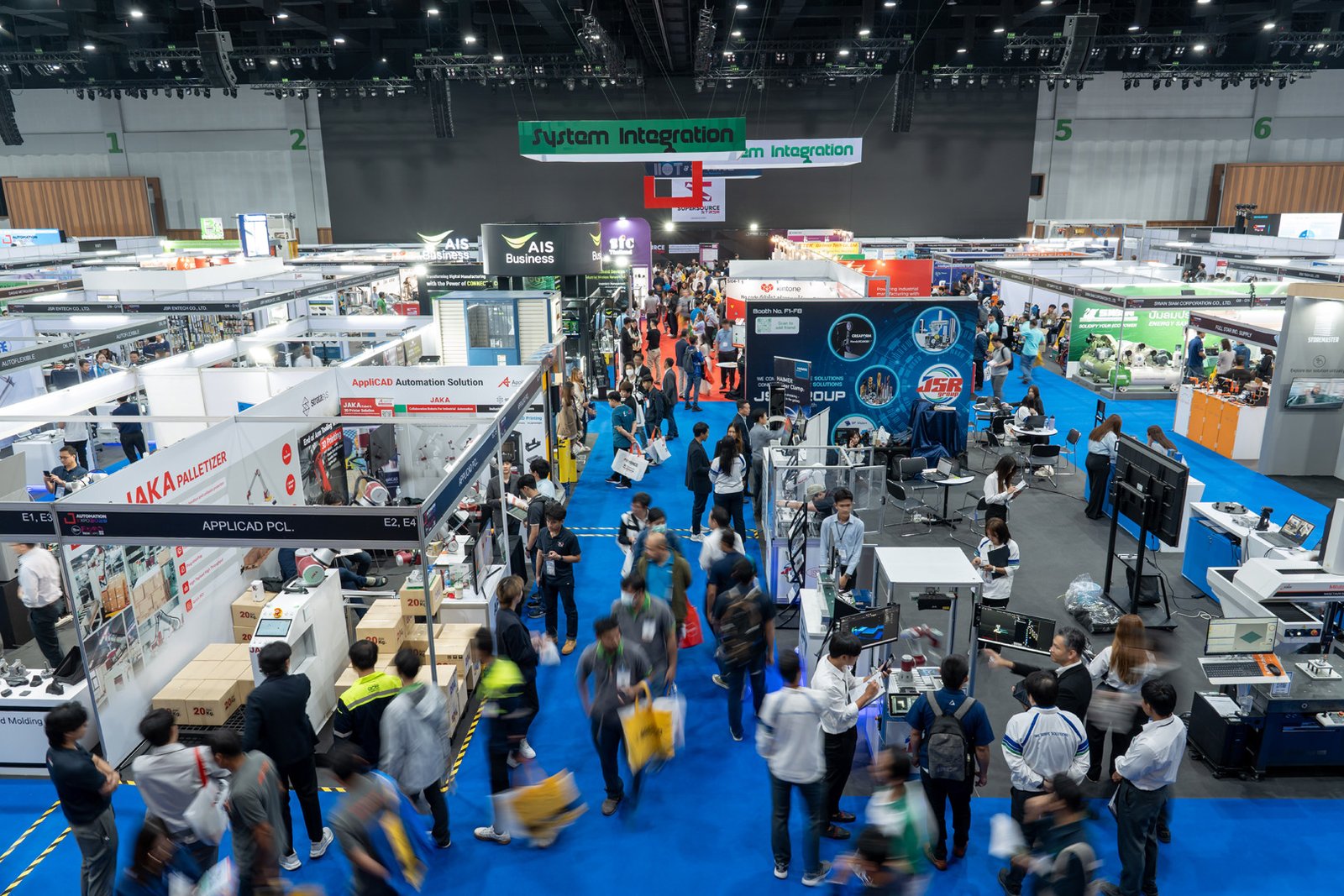
Co-organised by Messe Frankfurt (HK) Ltd and GMTX Co Ltd, the 2026 edition of Automation Expo closed on 27 February 2026, achieving a record 50 per cent year-on-year increase in attendance.
The event was held at the Nongnooch International Convention and Exhibition Center (NICE) in Pattaya, within the Eastern Economic Corridor (EEC), the country’s primary hub for advanced manufacturing and industrial investment. It brought together 11,723 visitors to explore the technological advancements needed to enhance the global competitiveness of Thai industry.
Highlights included the IIoT Ecosystem and Future-X zones, alongside a fringe program that provided manufacturers with practical guidance on upgrading their production lines and managing system integration.
Key figures from Automation Expo 2026: 11,723 visitors 150 exhibitors 7,500 sqm of floor space 8 fringe events
Following the close of the exhibition, Mr Jack Wong, Deputy General Manager, Messe Frankfurt (HK) Ltd, highlighted the momentum currently driving the Thai market: “Thailand is proving that its industrial infrastructure is ready to compete at the highest global level, backed by a highly mature manufacturing sector. As international companies look for reliable production bases, the country is in a strong position to capture that demand. We are very pleased with the results from Automation Expo 2026. Moving forward, Messe Frankfurt will continue to bring the full weight of our international resources and network to the local market, connecting local manufacturers with the global technology providers they need to scale up and enhance their position within global value chains.”
Mr Teera Kittiteerapornchai, CEO of GMTX Co Ltd, noted that the 50 per cent increase in attendance was the highest year-on-year growth in the event’s history. “For Thai manufacturers, the pressure to adapt is immediate. With global supply chains shifting and foreign investment entering the EEC, companies know they need to continually upgrade their production technologies. Feedback from exhibitors consistently highlighted that visitors came with very specific goals for advancing their technical capabilities, particularly as an ageing workforce drives the search for technologies that make existing labour more capable.”
The fair’s 2026 edition presented a comprehensive range of solutions for key Thai industries, including electronics, automotive and food processing. Leading exhibitors such as ADVANTECH, Atlas Copco, Balluff, Beckhoff, Brother, Chiyoda Kihan, FUKUTECH, igus, INFOR, Kardex by Storemaster, Keyence, Murata, RAASPAL, Ricoh, San-Ei Tech, Schmersal and VEGA demonstrated the latest advancements.
The exhibition floor featured everything from low-cost automation and digital factory infrastructure to advanced robotics, including humanoid and autonomous service robots. Attendees also explored automated storage and retrieval systems (AS/RS), smart warehouse technologies, and seamless OT-IT integration.
To help visitors evaluate these technologies, the floor featured two specialised areas focused on advanced production systems. The IIoT Ecosystem zone moved beyond isolated products to illustrate a complete data flow, connecting factory-floor sensors and data collection systems to cloud platforms and analytics engines. Alongside, the Future-X zone highlighted Thailand’s evolution from a consumer of robotics to an active developer and system architect. This section showcased opportunities for Thai manufacturers to produce the essential parts and electric automation components required to build robotics systems locally.
The fair’s fringe program complemented the exhibition with eight events designed to help manufacturers move from exploring new technology to successfully using it. Highlights included the competitive IIoT Tech Challenge Creator, the Creative Factory Space, and the MM Stage Tech Review. By offering expert consulting and business matching alongside hands-on workshops, the program provided attendees with a clear path to both justify their technology investments and manage the technical side of upgrading their production lines.
Feedback from exhibitors:
“Automation Expo 2026 clearly shows that Thai industries are ready to leap directly from Industry 2.0 to 4.0. At the show, we saw immense interest in our AI and predictive maintenance solutions which forecast and alert users about equipment failures. While we expected to meet mainly with the automotive sector, the actual visitor profile was much broader, reaching buyers from the electronics, chemicals, and plastic & moulding industries.” Mr Chotivet Pianpobsuk, Sales Manager, Advantech Corporation (Thailand) Co Ltd
“I see Automation Expo as an ‘automation gallery’ that makes high-tech solutions genuinely accessible to Thai industries. The visitor turnout has been outstanding, drawing a wide audience including clients from the electronics and Food & Beverage industries travelling from as far as Northern Thailand to the EEC. This event allows visitors to explore a variety of solutions in one place, helping factories find practical ways to upgrade their technology and cut maintenance costs.” Mr Voravadhana Asavaphongsavanich, Marketing & Inside Sales Engineer, igus Motion Plastics (Thailand) Co Ltd
“Automation Expo brings the industry together for shared learning. Our participation allowed us to showcase technologies that solve traditional efficiency hurdles, securing opportunities with executives from companies like Mitsubishi and SCGC. The audience quality was exceptional; following our live demonstrations, nearly 100% of visitors with relevant pain points requested product trials.” Mr Wason Hutapraphin, Managing Director, T.V.P. Valve and Pneumatic Co Ltd
Feedback from visitors:
“I attended this event to update my technical knowledge and discovered many relevant innovations, especially in the Creative Factory Space, which showed that incorporating creativity can lead to a more productive, lower-pressure work environment. The sessions on Zero Defect AI and human resource management also provided excellent insights into bridging the generational gap between staff and advancing technology.” Mr Traipop Ampai, Engineer, Thai Engineering Products
“Working in a factory daily, it is difficult to see how advanced innovations can be applied to our daily work until we see them in person. Attending this event has been highly beneficial. I was particularly impressed by the Cobots and AI Inspection systems using smart cameras for quality control. Seeing these technologies firsthand opens up clear possibilities for our own production lines.” Mr Thawatchai Thanunajan, Manager, Ricoh Manufacturing
“This year, my focus at the show was on the training sessions for Procurement KPIs and Corporate Carbon Footprinting, topics that are highly relevant to the aluminium industry, particularly for export-oriented businesses where environmental standards are now crucial. The insights shared from real-world experience make the content immediately useful and applicable.” Mr Asoke Karnasuta, Assistant Vice President, Varopakorn Public Co Ltd
Feedback from speakers: “I have witnessed the remarkable growth of this show since its very first edition. This year, my sessions on human management and technology were fully booked, and the high level of interest led several attendees to approach me for further consulting. The fact that my own clients sent four minivans of employees to attend clearly proves the event has become a respected driver for industries across the Eastern region.” Mr Wuttipong Bunnayawa, Consulting Director, Thailand Productivity Institute
“The standards here elevate every year, successfully drawing massive crowds to the heart of the EEC. My session highlighted that you don’t need to ‘think big’ to adopt technology; starting small with IoT can yield immediate productivity gains. The high interest led many attendees to seek advice backstage on solving specific factory pain points. By connecting innovation with practical application, this event serves as a significant platform for pushing Thai industries towards Industry 4.0.” Mr Teerapat Thongsuchot, Executive Board Member, Thai IoT Association
Automation Expo is supported by a number of prominent organizations and industry associations, including: The Federation of Thai Industries (FTI) Logistics Division, Department of Industrial Promotion Industrial Promotion Center Region 9, Department of Industrial Promotion National Science and Technology Development Agency (NSTDA) National Electronics and Computer Technology Center (NECTEC) Software Park Thailand Eastern Economic Corridor of Innovation (EECi) EEC Automation Park Thailand Productivity Institute (FTPI) Thai-German Institute (TGI) Sumipol Institute of Manufacturing Technology Thai-Nichi Institute of Technology Thai Automation and Robotics Association (TARA) Thai IoT Association Artificial Intelligence Association of Thailand (AIAT) Technology Promotion Association (Thailand-Japan) Thai PLC Center
Jointly organised by Messe Frankfurt (HK) Ltd and GMTX Company Ltd, Automation Expo is part of Messe Frankfurt’s global portfolio of Electronics & Automation Technologies events. – Pattaya, 4 March 2026: PR
Atif Ikram Sheikh, President of the Federation of Pakistan Chambers of Commerce and Industry (FPCCI), has called for urgent governmental measures to insulate Pakistan’s trade and industry from the escalating conflict in the Middle East, warning that continued instability could undermine the country’s fragile economic recovery.
In a statement issued on Sunday, the FPCCI chief cautioned that geopolitical volatility—particularly disruptions in the Red Sea and the Strait of Hormuz—poses a serious threat to Pakistan’s energy security and export competitiveness. He noted that nearly 30 percent of global petroleum consumption passes through the Strait of Hormuz, and any prolonged disruption could trigger severe supply chain shocks.
“Pakistan’s trade and industry cannot afford to become collateral damage in this regional conflict,” Sheikh said, urging authorities to proactively shield the economy, secure energy lifelines, and protect exporters from soaring logistics costs.
Highlighting Pakistan’s vulnerability to Middle Eastern supply chains, he shared that the country imports over $5.7 billion worth of crude petroleum annually, primarily from Saudi Arabia (approximately $3.2 billion) and the United Arab Emirates (around $2.3 billion). When refined petroleum products are included, the total petroleum import bill reached $10.71 billion in FY25, underscoring the scale of dependence on Gulf energy supplies.
Sheikh further warned that the Red Sea crisis has forced commercial shipping lines to reroute vessels, adding 15 to 20 days to transit times for exports bound for Pakistan’s key markets, including the EU, UK, and the United States. Freight costs on major routes could surge by up to 300 percent, while marine insurance premiums have spiked due to war-risk classifications, he added.
Such increases, he said, would significantly inflate the cost of imported raw materials and erode the price competitiveness of Pakistan’s textiles and manufacturing exports.
To safeguard the national economy, the FPCCI president proposed that the federal government immediately build strategic petroleum reserves and finalize contingency agreements with key allies, including Saudi Arabia, for backup oil supplies and deferred payment facilities to ensure uninterrupted energy flows.
Saquib Fayyaz Magoon, Senior Vice President FPCCI, also called for freight and insurance relief through the Ministry of Commerce and the State Bank of Pakistan (SBP). He urged the introduction of a targeted relief package to subsidize rising marine insurance premiums and freight charges, warning that failure to act could severely dent export earnings.
Magoon further emphasized the need to maximize indigenous refining capacity, stating that domestic refineries must be supported to operate at enhanced levels to reduce external vulnerability. “Pakistan needs a localized and resilient strategy that protects energy supplies and keeps export engines running,” he said, adding that FPCCI stands ready to work with the government to navigate the ongoing geopolitical storm. – ER News Desk
Sindh Chief Minister Syed Murad Ali Shah on Thursday reviewed the third-year progress of the Sukkur Barrage Rehabilitation and Modernisation Project (SBIP), terming it critical to Sindh’s irrigation security and agricultural economy, and directed officials to ensure swift completion of ongoing works.
The meeting, held at CM House, was attended by Irrigation Minister Jam Khan Shoro and Secretary Irrigation Zarif Khero. The briefing focused on major civil, structural and mechanical upgrades, particularly the large-scale replacement of the barrage’s historic gates.
Mechanical overhaul gains pace
Reviewing mechanical works, the chief minister was informed that of the 27 new gates planned in the current phase (gates 15 to 43), 25 have been fully fabricated, reflecting over 96 per cent completion. Painting and sandblasting for corrosion protection have been completed on 19 gates, while dismantling of old hoisting systems and cutting of existing gates in the targeted sections have also been finalised.
Murad Ali Shah stressed that precision in the installation of the new gates is vital for ensuring smooth irrigation flows and safeguarding the century-old structure.
Left Bank Canals fully rehabilitated
The meeting was told that rehabilitation of the Left Bank Canals has reached 100 per cent completion, except for the Nara Canal, where work is still underway. The chief minister directed the Irrigation Department to expedite rehabilitation of the Nara Canal to avoid any disruption to irrigation supplies.
Civil works and dredging progress
On the civil side, dredging at the Right Pocket has been completed, while dredging at the Approach Channel is actively in progress to ensure uninterrupted water flow.
Zone-wise updates showed that in Zone-1 (spans 15–23), dewatering, desilting and Ground Penetrating Radar (GPR) surveys of floors and piers have been completed, with concrete overlay work currently underway. In Zones 2 and 3, sheet piling and backfilling are largely complete, while dewatering and desilting activities continue in preparation for further structural repairs.
The chief minister also directed officials to resolve all remaining punch-list items from Phase-I, including minor rectification works on gates 44 to 59, without delay.
Emphasising the strategic importance of the Sukkur Barrage — often described as the backbone of Sindh’s irrigation system — Murad Ali Shah reiterated that timely and quality completion of the modernisation project is essential to safeguard the province’s water security, agriculture and the livelihoods dependent on its vast irrigation network. – ERMD
Former US Treasury secretary Larry Summers resigned from his teaching post at Harvard University over his links to convicted sex offender Jeffrey Epstein, the Ivy League institution said on Wednesday.
Summers, who ran the US Treasury under former president Bill Clinton, was revealed in the Epstein files released by the Department of Justice to have had extensive exchanges with the now deceased financier.
Clinton will testify before a congressional committee on Epstein on Friday while his wife, former secretary of state Hillary Clinton, will appear Thursday.
“Harvard Kennedy School Dean Jeremy Weinstein has accepted Professor Lawrence H. Summers’ resignation from his leadership position as co-director of the Mossavar-Rahmani Center for Business and Government,” the university said in a statement, noting the move was linked to the Epstein case.
“Professor Summers has announced that he will retire from his academic and faculty appointments at Harvard at the end of this academic year and will remain on leave until that time.”
In a previous video clip that went viral, Summers, who taught government at the prestigious university’s Kennedy School, expressed regret to his students over his ties to Epstein.
‘Statement of regret’ “You will have seen my statement of regret expressing my shame with respect to what I did in communication with Mr Epstein,” he said.
In November 2025, Summers said he was “stepping back” from public commitments after Congress released emails showing close communication between him and Epstein.
“I take full responsibility for my misguided decision to continue communicating with Mr Epstein,” Summers said at the time in a statement to US media.
Summers also previously resigned from the board of the OpenAI foundation over the disclosures.
The mere mention of someone’s name in the Epstein files does not, in itself, imply any wrongdoing by that person. However, the documents made public show at the very least connections between Epstein or his circle and certain public figures who have often downplayed – or even denied – the existence of such ties.
Epstein cultivated a global network of powerful politicians, business executives, academics and celebrities – many of whom have been tainted by their association with him.
He had made $9.1 million in donations to Harvard University between 1998 and 2008, the institution said.
A number of prominent Americans – from the Clintons to Microsoft co-founder Bill Gates – have had their reputations damaged by their friendships with Epstein, but no one other than Epstein’s ex-girlfriend Ghislaine Maxwell has faced legal consequences in the United States. – Courtesy Reuters/ER News Desk