Category: Academia

  • Larry Summers Steps Down from Harvard Teaching Role Amid Epstein Links

    Larry Summers Steps Down from Harvard Teaching Role Amid Epstein Links

    Summers, who ran the US Treasury under former president Bill Clinton, was revealed in the Epstein files released by the Department of Justice to have had extensive exchanges with the now deceased financier.

    Clinton will testify before a congressional committee on Epstein on Friday while his wife, former secretary of state Hillary Clinton, will appear Thursday.

    “Harvard Kennedy School Dean Jeremy Weinstein has accepted Professor Lawrence H. Summers’ resignation from his leadership position as co-director of the Mossavar-Rahmani Center for Business and Government,” the university said in a statement, noting the move was linked to the Epstein case.

    “Professor Summers has announced that he will retire from his academic and faculty appointments at Harvard at the end of this academic year and will remain on leave until that time.”

    In a previous video clip that went viral, Summers, who taught government at the prestigious university’s Kennedy School, expressed regret to his students over his ties to Epstein.

    ‘Statement of regret’
    “You will have seen my statement of regret expressing my shame with respect to what I did in communication with Mr Epstein,” he said.

    In November 2025, Summers said he was “stepping back” from public commitments after Congress released emails showing close communication between him and Epstein.

    “I take full responsibility for my misguided decision to continue communicating with Mr Epstein,” Summers said at the time in a statement to US media.

    Summers also previously resigned from the board of the OpenAI foundation over the disclosures.

    The mere mention of someone’s name in the Epstein files does not, in itself, imply any wrongdoing by that person. However, the documents made public show at the very least connections between Epstein or his circle and certain public figures who have often downplayed – or even denied – the existence of such ties.

    Epstein cultivated a global network of powerful politicians, business executives, academics and celebrities – many of whom have been tainted by their association with him.

    He had made $9.1 million in donations to Harvard University between 1998 and 2008, the institution said.

    A number of prominent Americans – from the Clintons to Microsoft co-founder Bill Gates – have had their reputations damaged by their friendships with Epstein, but no one other than Epstein’s ex-girlfriend Ghislaine Maxwell has faced legal consequences in the United States. – Courtesy Reuters/ER News Desk

  • FBR Signs Training Agreement with LUMS for Officer Certification Program

    FBR Signs Training Agreement with LUMS for Officer Certification Program

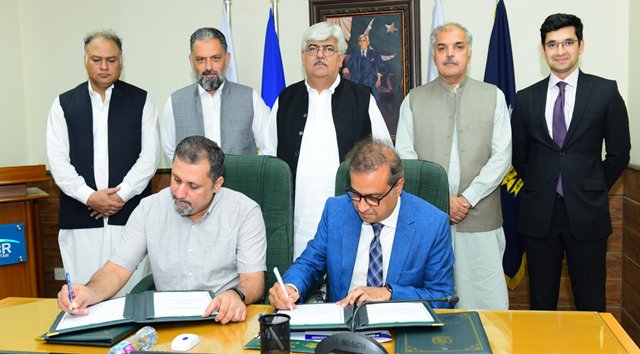
    The signing ceremony was attended by Chairman FBR, Member (Admin/HR), Member IR-Operations, Member Customs-Operations, Directors General of the Inland Revenue Service and Customs Academies, along with other senior FBR officials. Representing LUMS were the Dean of the Suleman Dawood School of Business and the Associate Dean of the Rausing Executive Development Centre.

    Under the certification initiative, officers from both Inland Revenue and Pakistan Customs Services will undergo three-week intensive programs focused on technical areas critical to modern tax and customs administration. These areas include artificial intelligence, data science, revenue forecasting, customs valuation, advanced audit strategies, supply chain management, trade facilitation, and accounting.

    All BS-17 and BS-18 officers will be required to complete two mandatory certifications. Each course will feature three weeks of in-person instruction, hands-on laboratory sessions, and proctored examinations to ensure rigorous assessment standards.

    The initiative forms part of FBR’s broader transformation plan and builds upon the successful launch of a nine-month Postgraduate Diploma program for newly inducted officers at LUMS. Officials noted that the collaboration reflects FBR’s continued commitment to developing a modern, future-ready tax administration through sustained investment in human resource development. – ER News Desk

  • KU’s Chemical Engineering Dept to Host Conference on Application of AI in Chemical Process Industries on Feb 13

    KU’s Chemical Engineering Dept to Host Conference on Application of AI in Chemical Process Industries on Feb 13

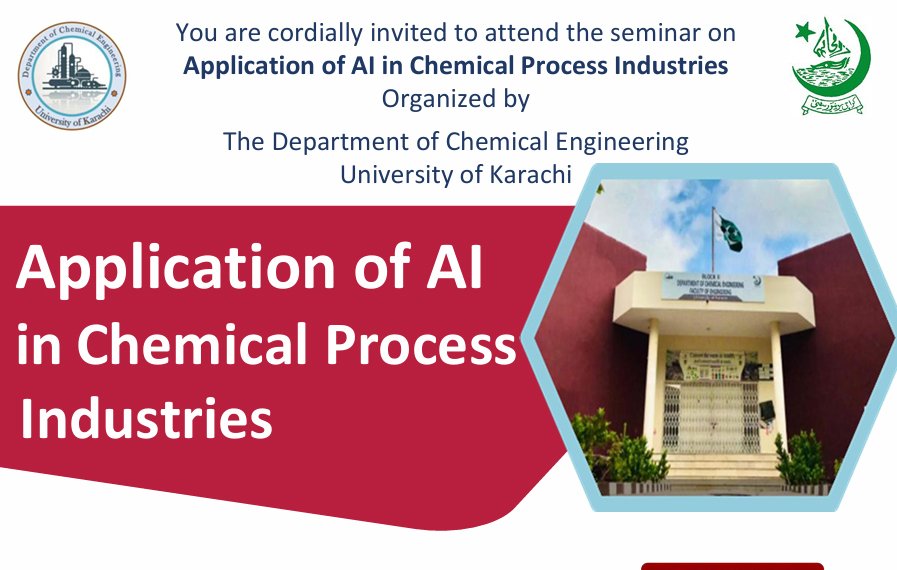
    Prof. Dr. Bilquees Gul, Dean, Faculty of Science & Engineering, UoK, will attend as Guest of Honour. Prof. Dr. Khalid Mahmood Iraqi, Vice Chancellor, University of Karachi, will grace the occasion as the Chief Guest, while Prof. Dr. Muhammad Raza Shah, Director, ICCBS, UoK, will also attend as Guest of Honour.

    The conference will feature expert talks by Dr. Humera Tariq, Associate Professor, Department of Computer Science, UoK; Dr. Syed Ali Ammar Taqvi, Associate Professor & Chairperson, Department of Food Engineering, NED University; and Dr. Zafar Sajid, Founder & President of iCodeGuru and an engineering executive based in Silicon Valley, USA.

    Proceedings will begin at 9:15 am with Tilawat-e-Quran, followed by the welcome address at 9:20 am. Technical talks will commence at 9:30 am. A certificate distribution ceremony for volunteers of 1st ICSGEEDI’26 is scheduled for 10:30 am.

    Addresses by the Dean, ICCBS Director, and Vice Chancellor will follow, highlighting academia’s growing focus on integrating AI with engineering education and industrial applications. The event will conclude with a vote of thanks by Prof. Dr. Shagufta Ishtiaque, Chairperson, Department of Chemical Engineering, followed by shield distribution, closing session, and lunch at 12:15 pm.

    The conference is expected to bring together students, researchers, academicians, and industry professionals to discuss practical pathways for adopting AI-driven solutions in Pakistan’s chemical process industries. – ER News Desk

  • Qaiser Sheikh resolves to transform Chiniot into Pakistan’s ‘Educational Oxford’

    Qaiser Sheikh resolves to transform Chiniot into Pakistan’s ‘Educational Oxford’

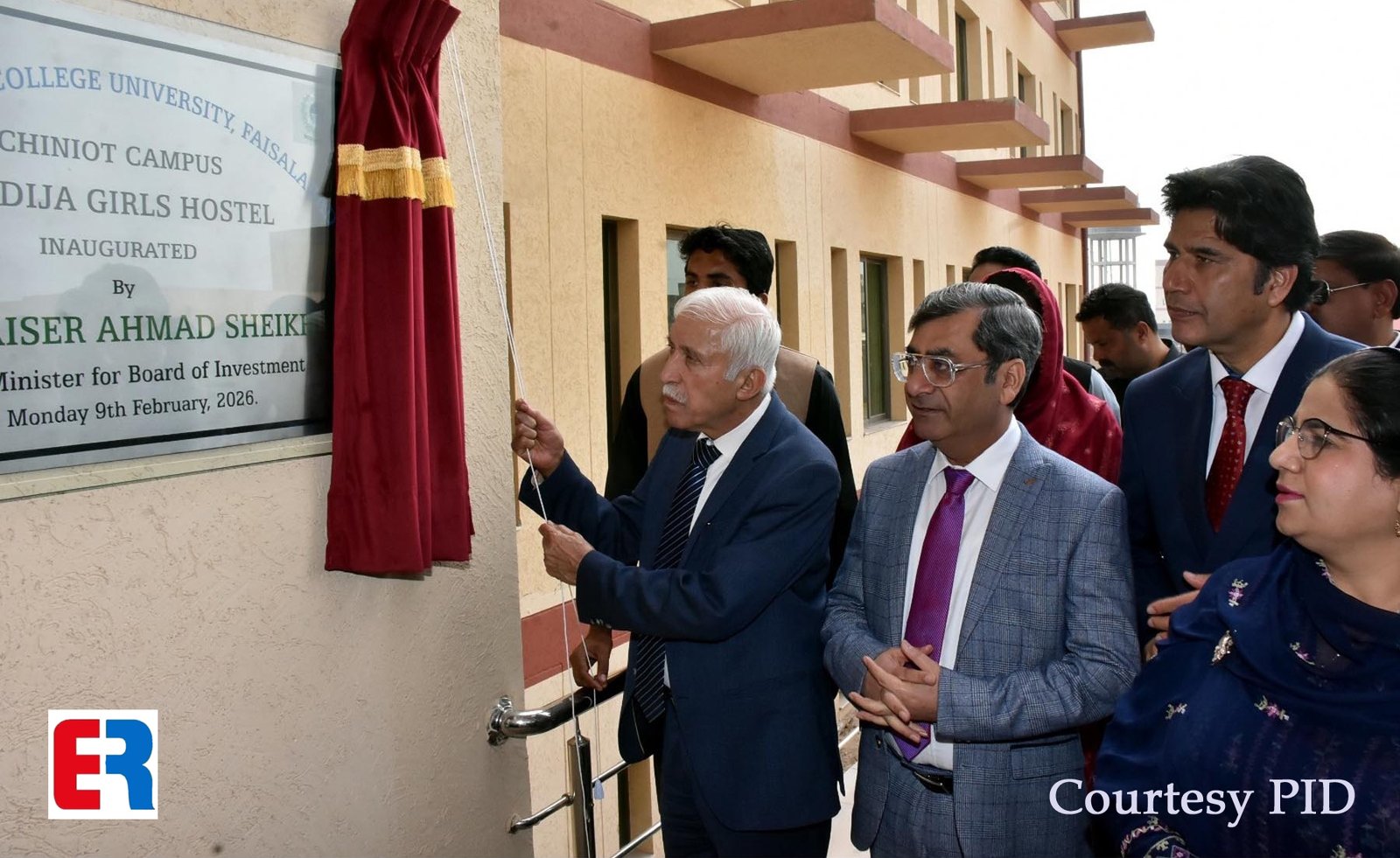
    Addressing the inaugural ceremony of the Girls’ Hostel and Sports Complex at Government College University Faisalabad (GCUF), Chiniot Campus, the Federal Minister stated that he has been representing the area for the past 33 years and has consistently pursued the vision of promoting education as the foundation of national progress. He stressed that nations and societies can only achieve sustainable growth through continuous investment in education.

    Highlighting global comparisons, Mr. Qaiser Ahmed Sheikh noted that Pakistan’s annual exports currently stand at approximately USD 32 billion, whereas China’s exports have reached nearly USD 5 trillion. He attributed China’s remarkable progress to sustained investment in education, which enabled the country to lift nearly 700 million people out of poverty. In contrast, he expressed concern that nearly 25 million children in Pakistan are still out of school, terming it a serious national challenge.

    The Federal Minister also criticized past economic policies, stating that indiscriminate lending to affluent segments weakened the economy and pushed the country close to default. He added that while China maintained an average growth rate of around 10 percent for 35 consecutive years, Pakistan has yet to consistently achieve a 7–8 percent growth rate, largely due to insufficient focus on education and human resource development.

    Referring to the establishment of FAST University Chiniot Campus, Mr. Sheikh recalled that the institution initially operated only in Lahore. Through persistent efforts and engagement with relevant authorities, he facilitated the establishment of its Chiniot campus by providing land free of cost. Despite initial skepticism regarding its location, the campus has now emerged as a successful educational institution. He announced that he is personally willing to bear the tuition fees of deserving Chiniot students who qualify on merit for admission to FAST University, ensuring that financial constraints do not hinder access to education.

    Encouraging students, the Federal Minister urged them to adopt discipline, hard work, and clarity of purpose in their lives. He assured students of his continued accessibility and support, noting that he has maintained the same contact number for the past 33 years and remains available, particularly for students.

    Earlier, during a visit to a medical camp organized in the rural area of Kot Miana, Chiniot, the Federal Minister stated that free medical check-ups and medicines were being provided to patients, while critically ill individuals were being referred to hospitals free of cost. He appreciated the services of qualified and experienced doctors working to provide quality healthcare to the rural population.

    On the occasion, Vice Chancellor GCUF, Prof. Dr. Rauf Azam, stated that enhancing the quality of education and further improving the Chiniot Campus were among his top priorities. He informed that around 2,000 students are currently enrolled at the campus, more than half of whom are female. He emphasized that education goes beyond acquiring degrees and plays a vital role in personality development and nation-building. – PID/ERMD

  • China’s Academic Ascent and the Waning Western Monopoly

    China’s Academic Ascent and the Waning Western Monopoly

    A compelling account of this transformation was presented in The New York Times on January 15, 2026, which reported that Chinese institutions now lead the world in research output, a metric long associated with American academic supremacy. The findings, drawn from internationally recognised ranking systems, underscore a strategic and sustained rise rather than a temporary fluctuation.

    The Ranking That Changed the Narrative
    At the centre of this shift is the CWTS Leiden Ranking, produced by the Centre for Science and Technology Studies at Leiden University in the Netherlands. Unlike reputation-based rankings, Leiden focuses strictly on scientific publications and citations, making it one of the most objective measures of research productivity.

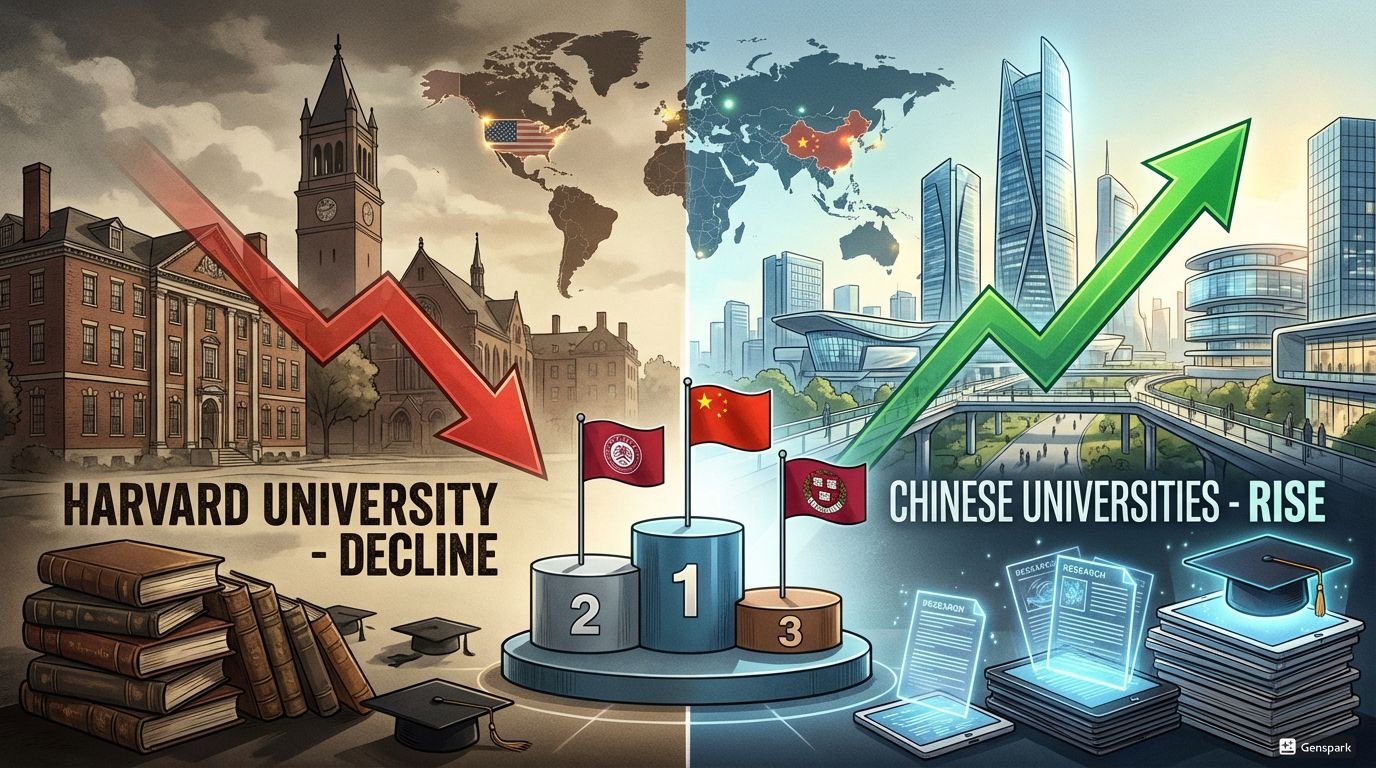
    According to the latest data cited by the New York Times, Zhejiang University and Shanghai Jiao Tong University now rank above Harvard University, pushing the world’s most iconic institution to third place in research output. Even more striking is the broader picture: Chinese universities occupy the majority of the top ten positions, a space once dominated almost entirely by American and British institutions.

    This development is historically significant. It marks the first time that Western universities; particularly those in the United States — have lost clear leadership in the core domain of academic research production.

    Beyond One Ranking: A Systemic Rise
    The Leiden data is not an outlier. Other global assessments reinforce the same conclusion. The Center for World University Rankings (CWUR) reported in 2025 that China now has more universities ranked among the world’s top 2,000 than the United States, a milestone that would have seemed improbable even a decade ago.

    Meanwhile, rankings such as Times Higher Education (THE) and QS World University Rankings, which incorporate teaching quality and global reputation, show steady upward movement by Chinese institutions such as Tsinghua University and Peking University. While Oxford, Cambridge, MIT, and Stanford remain prestigious, their dominance is increasingly shared rather than absolute.

    Why China Is Advancing
    China’s rise is neither accidental nor organic. It is the outcome of deliberate, long-term state policy. Massive public investment in universities, aggressive funding for research laboratories, incentives for international publication, and close collaboration between academia and industry have transformed Chinese universities into global research engines.

    Equally important is scale. China produces tens of thousands of PhDs annually in science, technology, engineering, and medicine, feeding a research ecosystem that now rivals — and in volume surpasses — that of the United States and the United Kingdom.
    Western Slowdown, Not Collapse

    It would be misleading to interpret this shift as the decline of Western education. American and British universities remain leaders in innovation, liberal arts, and academic freedom. However, the New York Times report rightly notes that reduced public funding, restrictive immigration policies, and growing political pressures have slowed research momentum in the United States.

    In a world where knowledge production increasingly defines economic and geopolitical power, even a relative slowdown has global consequences.

    Implications for the Global South and Pakistan
    For Pakistan and other developing nations, China’s academic ascent offers important lessons. It demonstrates that global academic leadership is not culturally fixed, but policy-driven. Sustained investment, institutional autonomy, and international engagement can reposition national universities within a generation.

    Pakistan’s higher education system, while expanding, remains under-resourced and under-integrated into global research networks. The Chinese experience highlights what is possible when education is treated as a strategic national priority rather than a residual budget item.

    A New Academic Order
    The evidence is clear. China has emerged as a leading force in global university education and research, narrowing, and in some areas surpassing the long-standing lead of the United States and the United Kingdom. This does not signal the end of Western excellence, but it does mark the end of Western exclusivity.
    The world is entering a multipolar academic era, and China is no longer catching up; it is setting the pace.

  • ASPIRE Pakistan Expands Academia–Industry Footprint, signs MoUs at LUMHS after CECOS

    ASPIRE Pakistan Expands Academia–Industry Footprint, signs MoUs at LUMHS after CECOS

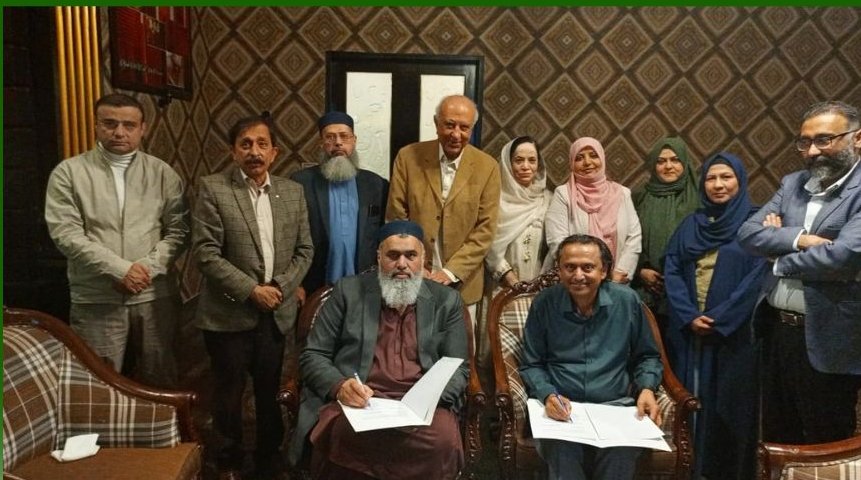
    ASPIRE Pakistan has strengthened its nationwide mission to promote innovation, entrepreneurship, and emerging technologies in higher education through two significant Memorandums of Understanding (MoUs) signed with leading universities in Sindh and Khyber Pakhtunkhwa.

    In Jamshoro, ASPIRE Pakistan formalized a partnership with the Liaquat University of Medical and Health Sciences (LUMHS) aimed at advancing innovation-led learning and practical entrepreneurial pathways for students in medical and health sciences. The MoU was signed by Professor Dr. Ikramuddin Ujjan, Vice Chancellor of LUMHS, and Mr. Hassan Syed, Founder and CEO of ASPIRE Pakistan.

    The collaboration is designed to create opportunities for students to engage in innovation programs, startup enablement initiatives, and applied learning experiences that translate academic ideas into real-world solutions. By integrating entrepreneurship with health sciences education, the initiative seeks to nurture future-ready professionals capable of addressing healthcare challenges through technology and innovation.

    Earlier, on January 20, 2026, ASPIRE Pakistan entered into a similar agreement with CECOS University of Information Technology and Emerging Sciences, Peshawar. The MoU was signed by Hassan Syed alongside the university’s senior leadership, including Dr. Mohammad Mohsin Khan, Vice Chancellor; Dr. Abdul Hanan, Director ORIC; and Dr. Shiraz Khan, Dean, Faculty of Computing and Management Sciences.

    This partnership focuses on entrepreneurship development, innovation acceleration, and youth empowerment through structured programs, mentorship support, and startup incubation pathways for students. During his visit, Mr. Syed appreciated CECOS University’s commitment to fostering a culture of innovation and highlighted the shared vision of bridging academia with Pakistan’s growing entrepreneurial ecosystem.

    Through these collaborations, ASPIRE Pakistan is building a network of universities committed to equipping students with practical skills, innovation exposure, and startup support mechanisms. The initiative reflects a broader effort to align higher education with national economic needs by encouraging students to become problem-solvers, innovators, and job creators.

    These MoUs mark important milestones in ASPIRE Pakistan’s ongoing journey to create an interconnected, empowered, and innovation-driven academic landscape across the country. – ER News Desk

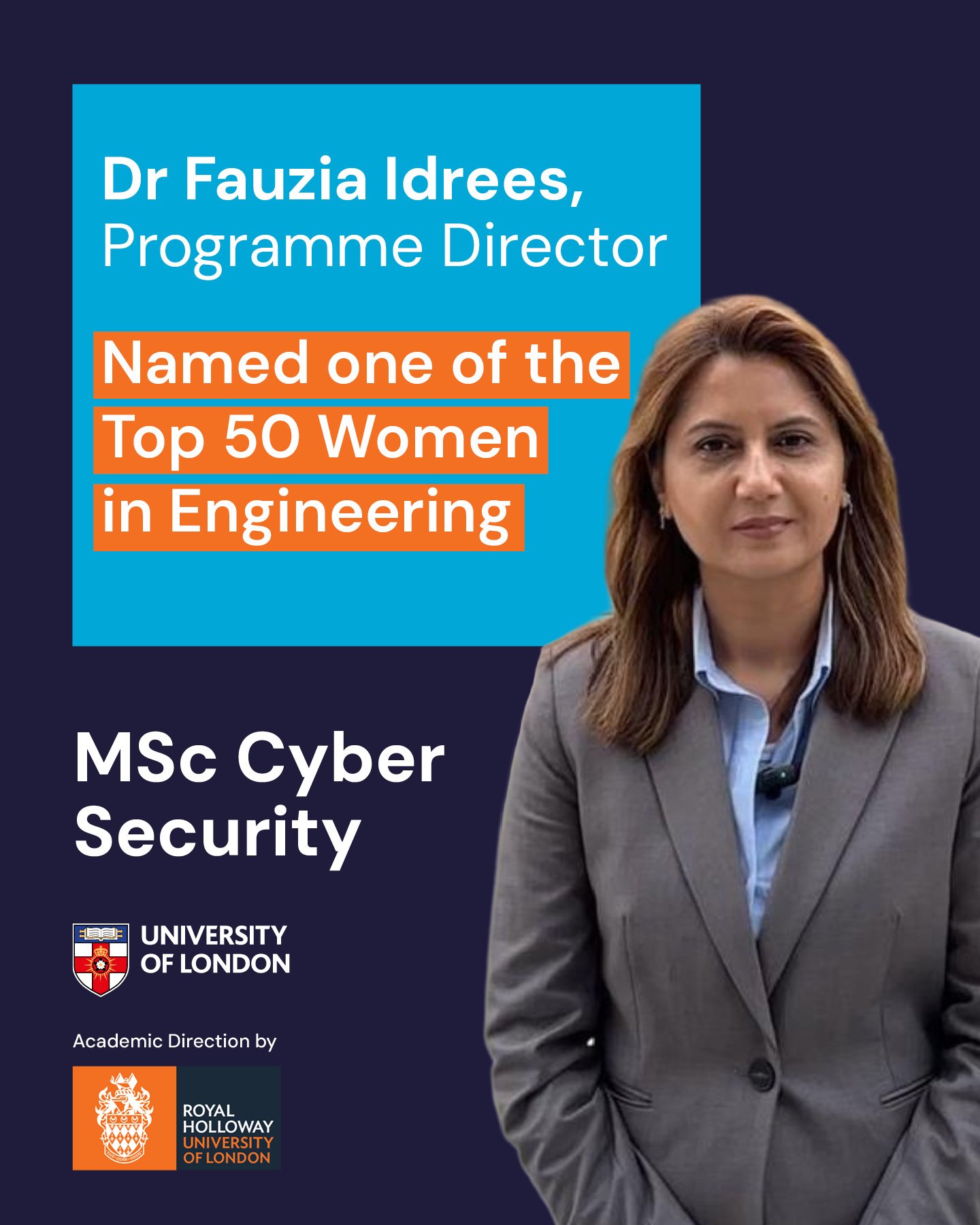
  • Dr Fauzia Idrees Named Among 2025 Top 50 Women in Engineering by Women’s Engineering Society

    Dr Fauzia Idrees Named Among 2025 Top 50 Women in Engineering by Women’s Engineering Society

    The recognition highlights Dr Idrees’ outstanding work in advancing cyber security education, promoting diversity in technology, and preparing the next generation of professionals to tackle evolving digital threats in an increasingly connected world.

    Speaking about the philosophy behind the programme, Dr Idrees remarked, “Cyber security is not just about technology, it’s about people, trust, and protection—and that means it thrives on diversity of thought, background, and experience. Whether you’re interested in the technical aspects, policy, education, or the human and behavioural sides of security, there’s a place for you.”

    Her vision underscores a holistic approach to cyber security that goes beyond coding and networks to include ethics, human behavior, governance, and trust—areas that are becoming central to modern digital protection strategies.

    Under her leadership, the MSc Cyber Security programme has evolved into a multidisciplinary platform that combines technical excellence with real-world applicability. The curriculum emphasizes practical learning, research-driven insight, and industry alignment, equipping students with skills in digital forensics, threat intelligence, risk management, cyber law, and secure system design.

    Dr Idrees’ inclusion in the WES Top 50 list not only celebrates her personal achievement but also signals the growing global recognition of the role educators play in shaping resilient digital ecosystems. Her work continues to inspire students—especially women—to pursue careers in engineering and cyber security, fields where gender representation has historically been limited.

    Profile: Dr Fauzia Idrees

    Dr Fauzia Idrees is an accomplished academic and cyber security specialist serving as the Programme Director of the MSc Cyber Security programme. With a strong background in information security, digital risk management, and cyber policy, she has been instrumental in developing an education model that blends technical depth with human-centered understanding of security.

    She is a strong advocate for diversity in engineering and believes that inclusive perspectives are critical to building safer digital systems. Her teaching and research interests span cyber governance, behavioral aspects of security, digital ethics, and emerging threats in cyberspace.

    Through her leadership, mentorship, and curriculum development, Dr Idrees has helped create pathways for students from varied backgrounds to enter and excel in the cyber security domain. Her recognition by the Women’s Engineering Society places her among an international community of women engineers driving change, innovation, and inclusivity across the engineering spectrum. – ER News Desk

  • How IoBM Is Navigating Rankings, Research Quality and Emerging Technologies

    How IoBM Is Navigating Rankings, Research Quality and Emerging Technologies

    By Manzoor Shaikh

    Ranking of Universities
    There are two views on this issue. Some say there is no need for ranking, as alumni and employers would determine where universities stand. Others support the standards on which university standings are ranked.
    QS is one of the top rankings and is believed to be prestigious. It impacts universities in terms of admissions, as it determines their standing. Pakistan has a very low number of universities that appear in world rankings. Now, the Asia ranking was introduced in this exercise in 2024. In this ranking, 82 universities from Pakistan appeared. After the Asia ranking, we are more visible than ever. We qualified from the start of this category. We understood the mechanism and fulfilled the parameters. One of the significant parameters is research. Another basis is perception—how other people perceive IoBM. They seek employer lists and talk to them about the university. On the research side, they assess the quantitative aspect of research by looking at numbers. The target is 1,000 publications in three years. This is not possible for every university, given the size of student and faculty populations engaged in research.

    QS Ranking Qualification and Our Success
    The number of universities appearing in the ranking is not satisfying; more universities should have appeared. Ranking does not happen automatically; universities must submit their evidence. HEC is, in a way, compelling universities to participate in rankings, as it asks about ranking in one of its rubrics.
    This is serious work for universities. What we have done is distribute our faculty into four parts, as everybody cannot do everything. We have two kinds of faculty: PhD and non-PhD. We divided PhD faculty into two categories—scholarly academicians and professional academicians. The former focus more on research, while the latter teach more. Earlier, everyone was doing everything, which was difficult. Likewise, we categorized non-PhD faculty as scholarly practitioners and instructional practitioners. Instructional practitioners focus on teaching, while scholarly practitioners engage in some research and funding. We have prepared an excellent framework, appreciated by HEC as well. Since we are moving toward international accreditation, we need to change ourselves. This benefited us as our visibility improved by default.

    Research vs Numbers
    In Pakistan, one may write 15 papers and become a professor. However, what is important is the impact of the research. Recently, THE discussed impact research based on the SDGs. Each university must cover at least three SDGs, while the fourth must be SDG 17. Another ranking, the Shanghai Ranking, asks at the outset whether any faculty member or student has ever won a Nobel Prize. No Pakistani university qualifies for that ranking. The university from which I earned my PhD had three Nobel laureates.

    Next Target as Rector
    Sustaining any achievement is a major challenge. In recent Asian rankings, many universities fell in the list and scored lower than before. We have improved and moved upward continuously. First, we aim to move further up the list and enter world rankings. Second, we are now pursuing international accreditation. Some public-sector universities have already done so, and we are also capable. We are going for CCSP accreditation, as we are a business university. Then there are the “three crowns,” a distinction earned by a very small number of universities. Additionally, BGA is another crown, and we are its first member in Pakistan.

    Impact of Fast Changes in Emerging Technologies
    These technologies are widely used today. Our students use them, including AI tools, for assignments, and we are experienced enough to understand this. Using these tools is not wrong; not acknowledging them is. We need to change the perspective that failing to mention the use of AI tools is inappropriate. These tools should be used positively, but we may have stopped thinking independently. Young people have started relying heavily on these tools, which is a real concern. We need to formulate a policy.

    Publised in ER Jan 16-31, 2026

  • From Institute to Innovation Hub: UIT University’s Transition and Vision

    From Institute to Innovation Hub: UIT University’s Transition and Vision

    I have had the opportunity to work at several institutions—NUST, Iqra, Hamdard, Sir Syed, and now UIT. Every institution has its own culture and environment, along with its strengths and challenges. One thing common to all is their commitment to quality education. If we look at how UIT is different, Hamdard was a large university with many programs, while Sir Syed evolved from an engineering university into a multi-program institution. Everywhere, IT and computing departments are growing rapidly. UIT is different in that it began as a small institute; its first classes started in Spring 2022, and now its first batch is about to graduate. It is transitioning from an institute to a university. With this new direction, our focus is also changing—strengthening research culture, building national and international collaborations, policy-making, and product development—because as a new institution, we must take it forward.

    UIT’s key advantage has been its strong practical orientation. From the start, students here have been very strong practically alongside theoretical knowledge, and they adapted quickly. Even now, our graduates’ employment ratio is very good. We want to maintain this edge and extend it to new programs we plan to launch, so our graduates meet market requirements fully.

    As you may have seen, participation in industrial events is essential. We want to bring industry closer at multiple levels. We are working at an advanced level with industry on internships and practical exposure. We have also designed the curriculum to engage students with industry, and the third level is engaging faculty. We aim to implement all these within one year.

    We have many industry collaborations and benefit from being located in Karachi. However, much of the local industry consists of production units—except for software houses—where students do not always get deep learning opportunities. There is a lack of homegrown industry. Graduates and faculty are not engaged at the level they should be, which affects growth.

    That is why we focused on our core strength. Pakistan’s IC design tape-out was done by UIT students. We identified this area, focused on it, and trained students. To date, nine tape-outs have been completed, and our students are present on all major global IC design platforms. There is strong demand, and real design work is happening. Currently, our students are working on a new quantum computing project acquired from abroad, which has been very successful. We have also formed partnerships for human resource training and will conduct training in Sindh and Balochistan, with roles as designers.

    Globally, job opportunities for engineers are increasing. IT has developed software, but it must be implemented—whether in robotics, alternative energy, or electric vehicles. A new EV market is emerging, with large projects underway. Engineers are needed everywhere. While we have updated curricula according to requirements, we have not moved fast enough.

    Another major requirement is laboratories, which are expensive. Labs are needed across disciplines, but when student numbers are low, institutions are reluctant to invest heavily, limiting output. In this area, the government and PEC should consider how they can help.

    I have raised the issue of labs at PEC as well. High-end labs are capital-intensive; therefore, the government or large institutions should invest in them and allow all universities to use them. We need to work according to our local environment and develop policies, rather than only citing international examples.

    We urgently need more space. Pakistan has a large youth population, and to introduce new programs and variations, work has been done and final approvals obtained. We are constructing a new building of similar size to the existing one, with a target of completion within three years. Currently, we have around 1,600–1,700 students, which will increase to about 3,500.

  • 1st Int’l Conference on Sustainable Green Energy, Environment & Digital Innovations Begins at KU

    1st Int’l Conference on Sustainable Green Energy, Environment & Digital Innovations Begins at KU

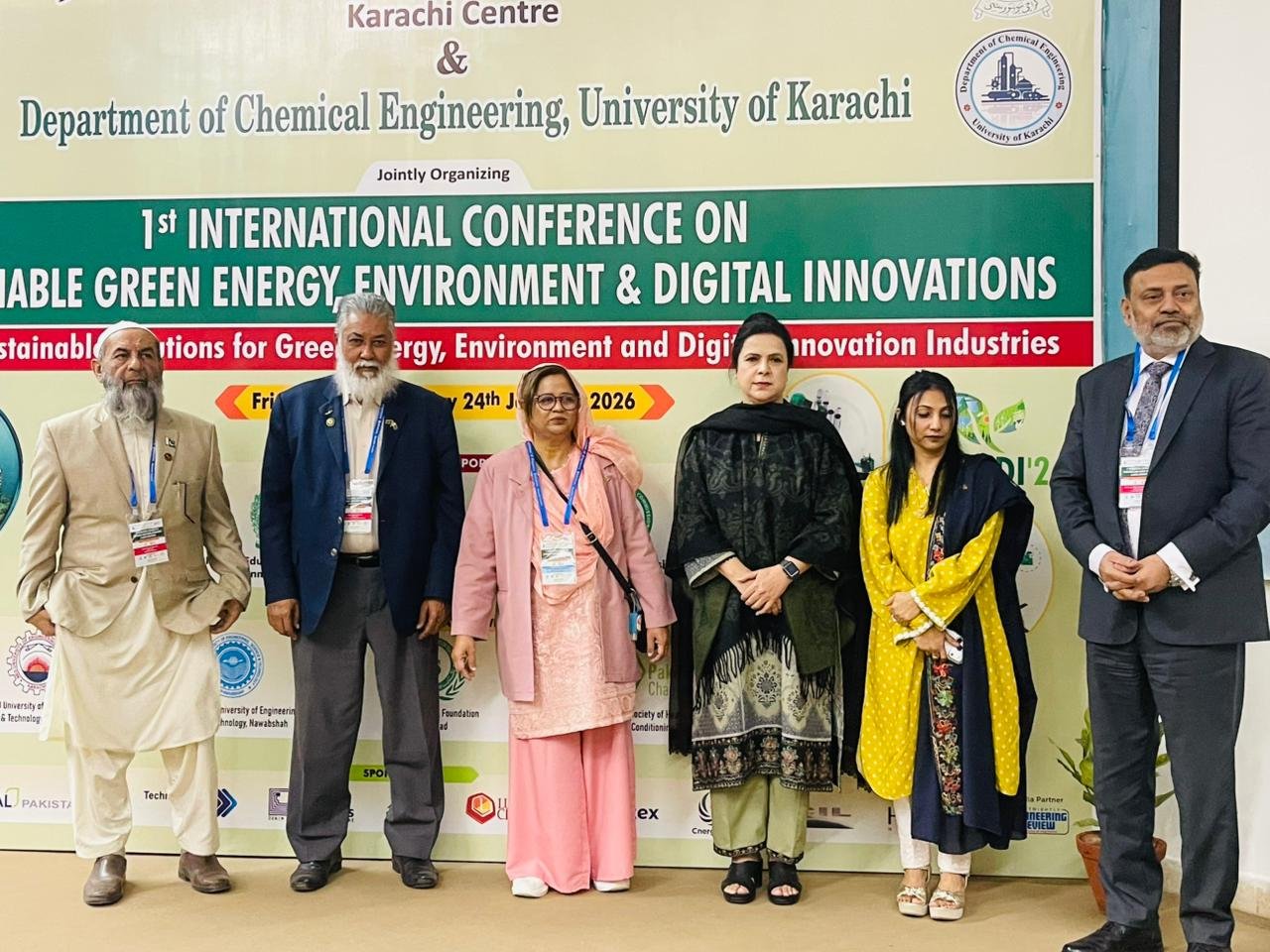
    The prestigious event, organized jointly by the Department of Chemical Engineering, University of Karachi, and The Institution of Engineers Pakistan (IEP), Karachi Centre, was inaugurated with the recitation from the Holy Quran and the national anthem.

    With the theme “Sustainable Solutions for Green Energy, Environment and Digital Innovation Industries,” the conference aims to foster dialogue and collaboration on critical global challenges. The hybrid mode event, allowing both physical and virtual participation via Zoom, saw a gathering of esteemed academics, industry leaders, and engineering professionals.

    The opening session featured a series of addresses from key figures. Prof. Dr. Shagufta Ishteyaque, Chairperson of the Department of Chemical Engineering and Conference Chair, delivered the welcome address. Engr. M. Farooq Arbi, Chairman of IEP Karachi Centre, and Prof. Dr. Bilquees Gul, Dean of the Faculty of Science & Engineering and Conference Patron, also shared their insights.

    International perspectives were highlighted in keynote speeches by Prof. Dr. Athila Evcin from Afyon Kocatepe University, Turkey, and Prof. Dr. Iqbal Mohammad Mojtaba from the University of Bradford, UK, focusing on material sciences and chemical engineering applications for sustainability.

    The session was graced by the presence of Prof. Dr. Khalid Mehmood Iraqi, Vice Chancellor of the University of Karachi and Patron-in-Chief of the conference, and Engr. Prof. Dr. Samreen Hussain, Vice Chancellor of DUET Karachi, as the Guest of Honour.

    Following the morning inaugural session, the conference continued with an afternoon technical session chaired by a panel of experts, featuring keynote speeches, invited talks, and presentations from national and international researchers and industry experts from institutions like QUEST Nawabshah, Novatex Limited, and various departments of the University of Karachi.

    The conference serves as a significant platform for sharing cutting-edge research, innovative practices, and fostering partnerships to advance the goals of sustainable energy, environmental protection, and digital transformation. The event concluded with shield distributions, group photos, and a high tea.

    Karachi, Pakistan – January 23, 2026