Category: Emerging Tech

  • Navigating AI Regulations: Balancing Innovation with Oversight.

    Navigating AI Regulations: Balancing Innovation with Oversight.


    As artificial intelligence (AI) continues to advance at a rapid pace, governments around the world are grappling with the challenge of regulating this powerful technology. In Pakistan, the debate on AI regulation is gaining momentum, with concerns over both the potential benefits and the risks associated with unchecked AI development.

    The article discusses the need for a regulatory framework that not only fosters innovation but also addresses the ethical, legal, and societal implications of AI. This includes ensuring that AI systems are transparent, accountable, and aligned with human values. The push for regulation is driven by the fear that without proper oversight, AI could lead to unintended consequences, such as privacy violations, job displacement, and biased decision-making.

    Moreover, the article highlights the importance of collaboration between the public and private sectors in shaping AI policies. Policymakers are urged to engage with technologists, ethicists, and other stakeholders to create guidelines that can adapt to the rapidly evolving AI landscape. There is also a call for international cooperation to develop global standards for AI governance.

    Ultimately, the challenge lies in finding a balance between encouraging technological advancement and ensuring that AI is developed and deployed responsibly. As Pakistan moves forward in its AI journey, the establishment of a robust regulatory framework will be crucial in harnessing the potential of AI while mitigating its risks.

  • Kaspersky Report: Google, Facebook, and Amazon Among Most Targeted Brands in Phishing Attacks.

    Kaspersky Report: Google, Facebook, and Amazon Among Most Targeted Brands in Phishing Attacks.

    Phishing attacks in 2024 have significantly surged, with Google, Facebook, and Amazon being the most frequently targeted brands by cybercriminals. Kaspersky’s research revealed that attempts to impersonate these brands to steal user credentials increased by 40% compared to the previous year. Google alone faced over 4 million phishing attempts globally in the first half of 2024, followed by Facebook with 3.7 million, and Amazon with 3 million. Other heavily targeted brands included Microsoft, DHL, PayPal, and Mastercard, which also saw substantial increases in phishing attacks as online fraud becomes more aggressive,

  • Pakistan’s Internet Disruption May Persist Until Early October Due to “Submarine Cable Fault”

    Pakistan’s Internet Disruption May Persist Until Early October Due to “Submarine Cable Fault”

    Pakistan’s Internet Slowdown Likely to Last Until Early October Due to Submarine Cable Fault

    The internet slowdown across Pakistan is expected to persist, with repairs to the damaged SMW-4 submarine cable anticipated to be completed by early October 2024, the Pakistan Telecommunication Authority (PTA) announced on Wednesday.

    The PTA confirmed that the slowdown is primarily caused by faults in two of the seven international submarine cables (SMW-4 and AAE-1) connecting Pakistan to the global internet. While the AAE-1 cable has been repaired, improving internet performance, the SMW-4 cable repairs are ongoing and are expected to conclude by October.

    Internet services have been severely disrupted since July, with speeds reduced by up to 40%, and platforms like WhatsApp have been affected, impacting millions of users. PTA dismissed rumors of firewall installations, attributing the issues solely to the submarine cable damage. The authority clarified that VPNs are not being blocked but are being registered, and emphasized compliance with government directives for content restrictions under Pakistan’s web management system.

    4o

  • Microsoft mulls restricting third-party access to Windows kernel after Crowd Strike outage

    Microsoft mulls restricting third-party access to Windows kernel after Crowd Strike outage

    Following the “worst IT outage in history” caused by a faulty CrowdStrike update that affected 8.5 million PCs, Microsoft is advocating for changes to enhance Windows’ resilience and is considering restricting security vendors’ access to the Windows kernel.
    The Redmond tech giant says in a new incident response post that ways to prevent future similar outages are for vendors to minimize the use of kernel mode and for customers to fully use the integrated Windows security features.
    The outage was triggered by a faulty update to CrowdStrike’s CSagent.sys driver, which led to memory access violations and system boot loops. Microsoft’s analysis confirms CrowdStrike’s findings, saying that that kernel-mode drivers while providing crucial system visibility and tamper resistance, can cause significant issues if errors occur.
    The company is also considering restricting third-party access to the Windows kernel, which is the core of the operating system, to prevent similar issues in the future. A similar attempt was made during Windows Vista days back in 2006, but it fell through due to criticism from cybersecurity vendors and EU regulators.
    In another blog post, Microsoft also urges resiliency in the Windows ecosystem.
    Microsoft has mobilized over 5,000 support engineers and is sharing updates on their Windows release health dashboard. They advise businesses to have solid plans for continuity and incident response, back up data regularly, quickly restore devices, use safe update practices, and consider cloud management solutions.
    The company also says that it plans to implement advanced security measures like Virtualization-Based Security (VBS) and zero-trust approaches. Most affected PCs are now operational, and Microsoft aims to improve system resilience going forward.
    On the morning of July 17th, 2024, the tech world woke up to chaos. What started as a routine update from CrowdStrike, one of the biggest names in cybersecurity, quickly spiraled into a significant Windows outage. The ripple effects of this incident were felt across the globe, affecting millions of users and businesses. CrowdStrike, renowned for its cutting-edge endpoint detection and response (EDR) and extended detection and response (XDR) solutions, had made a grave error. They sent out an update without proper patch testing, a technical blunder that exposed the vulnerabilities in their processes. This untested update made its way into production, and the results were catastrophic. Immediately, systems began to fail. From IT giants in Silicon Valley to commercial airlines in Europe, and banks in Asia, the impact was widespread. The outage highlighted the fragility of our interconnected digital infrastructure and the critical importance of rigorous testing protocols. The world was left grappling with the fallout, and the question on everyone’s mind was: How could this happen?
    CrowdStrike, listed on the NASDAQ with a significant market presence, experienced a sharp decline in its share value following the outage. According to Nasdaq, CrowdStrike’s shares fell by 15% in the immediate aftermath, reflecting the market’s reaction to the disruption caused by the faulty update. The answer lay in a series of oversights. Despite CrowdStrike’s strong market position and reputation, there were glaring gaps in their governance and risk analysis practices.

  • The Role of Technology Management in Digital Transformation

    The Role of Technology Management in Digital Transformation

    In the age of digital transformation, technology management is essential because it helps companies strategically integrate technology to spur innovation and meet goals. Through the use of digital technologies, digital transformation entails a fundamental reimagining of consumer experiences, corporate culture, and business processes. The key to coordinating this shift is effective technology management, which guarantees a cogent and flexible response to change by coordinating technology investments with organizational objectives. The strategic integration of technology with corporate strategy is fundamental to the digital transformation process. Understanding the organization’s objectives and determining how digital technologies may support and enhance these goals are key components of technology management. To achieve this alignment, one must have a thorough awareness of the organization’s unique needs and challenges in addition to the state of technology. Effective technology management guarantees that digital projects are essential parts of a larger business plan rather than standalone projects.
    In the context of digital transformation, integrating emerging technologies is essential to technology management. Blockchain, the Internet of Things (IoT), artificial intelligence, and machine learning are a few examples of transformational technologies. A key component of efficient technology management is determining how various technologies relate to and affect the operations and competitiveness of the company. In order to stay forward in the ever-changing digital landscape, it necessitates an introspective approach to exploration and execution. The creation of a solid digital infrastructure is a critical component of technology management in digital transformation. This covers the implementation of cybersecurity safeguards, data analysis platforms, and adaptable reliable cloud computing solutions. The digital infrastructure serves as the cornerstone for the digital capabilities of the company, facilitating data-driven decision-making, scalability, and agility. The infrastructure is kept up to date with industry best practices and the organization’s changing needs thanks to technology management.
    Organizational culture typically has to change as a result of digital transformation, with an emphasis on customer-centricity, agility, and teamwork. Through supporting the use of tools for collaboration, encouraging ongoing learning and upskilling, and cultivating an innovative and experimental mindset, technology management contributes to this cultural shift. Organizations must undergo this cultural shift in order to adjust to the quick-paced, ever-changing digital business environment. In the digital age, data is a vital resource, and technology management is essential to maximizing its potential for corporate gain. This entails building data analytics capabilities, putting in place strong data governance structures, and making sure data privacy laws are followed. Organizations may use data to gain actionable insights that inform decision-making and personalize consumer experiences when technology is managed effectively.
    Customer-centric design and user experience (UX) are critical in the framework of digital transformation. The implementation of technologies and practices that improve user experience—like adaptive layout, accessibility features, and user interface design—is supervised by technology management. Ensuring digital solutions are not only practical and effective but also user-friendly and entertaining for end users is the aim. In the midst of digital transformation, agile approaches and DevOps techniques are essential elements of technology management. These methods place a strong emphasis on quick reaction to changing needs, iterative development, and cooperation between the development and operations teams. Technology management makes that the company implements and refines these approaches to improve the speed, adaptability, and effectiveness of delivering digital solutions. The cybersecurity environment is getting more complicated as businesses embrace digital transformation. The responsibility of safeguarding digital assets, consumer data, and vital systems falls on technology management. To do this, the company must have strong cybersecurity procedures in place, regularly review its risks, and cultivate a cybersecurity-aware culture. In order to reduce cyber threats and guarantee the durability of digital systems, proactive technology management is crucial.
    In the digital environment, where enterprises frequently use a combination of in-house and third-party solutions, compatibility and integration are crucial factors to take into account. The goal of technology management is to choose and use technologies that work in unison with current systems, promote interoperability, and build a cohesive digital environment. This method improves productivity, cuts down on duplication, and makes it easier to implement a coherent digital strategy. An essential component of efficient technology management in the digital transformation process is ongoing monitoring and optimization. This entails the routine evaluation of user input, key performance metrics, and technological performance. Technology management makes sure that the company is flexible and responsive to changing business requirements, technical breakthroughs, and shifts in the competitive environment by keeping an eye on the effects of digital projects.
    Beyond the deployment stage, technology management plays a crucial role in digital transformation through continual innovation and strategic considerations. It entails keeping up with emerging technology, assessing its value to the company, and making plans for its future development. Technology management sustains the organization’s agility, resilience, and long-term performance in the digital age by means of ongoing technological foresight and strategic planning. The secret to effective digital transformation programs is technology management. The process entails coordinating technology with business strategy, incorporating cutting-edge technologies, building a strong digital infrastructure, encouraging creativity, maximizing user experiences, guaranteeing cybersecurity, encouraging interoperability, and persistently observing and adjusting to changes. Effective technology management acts as a compass for enterprises navigating the challenges of digital transformation, pointing them in the direction of greater agility, creativity, and competitive in the digital economy.


  • Technology Management in a Globalized World: Challenges and Opportunities

    Technology Management in a Globalized World: Challenges and Opportunities

    In today’s globalized world, technology management faces a plethora of opportunities and problems as businesses negotiate the difficulties of doing business in a dynamic, interconnected global context. Across-border management of varied technologies is one of the main issues. Organizations operating in international environments frequently struggle to integrate and harmonize disparate technology stacks while taking regulatory framework compliance, compatibility, and interoperability into account. Global technology management is further complicated by the speed at which new technologies are developing. Businesses need to constantly evaluate new technologies, comprehend the potential effects they may have, and strategically implement innovations that support their goals. It is difficult for enterprises to strike a balance between the necessity of innovation and the requirement for stability as they work to minimize the risks related to technological disruptions and maintain their competitiveness. Managing technology globally also means tackling cyber security issues on a large scale. Organizations are more exposed to cyber dangers, such as sophisticated cyber-attacks and data breaches, as a result of expanding their technology footprint internationally. Robust rules, proactive threat detection techniques, and ongoing employee training are necessary for managing cyber security threats in a global setting and enhancing the organization’s overall cyber resilience.
    Global technology management requires careful attention to cultural factors. The cultural quirks that affect how technology is adopted, used, and accepted must be understood and navigated by organizations. Optimal implementation of technology in a multinational setting requires modifying management procedures to accommodate varied work styles and customizing technological solutions to suit cultural preferences. One of the major challenges in global technology management boils down to guaranteeing regulatory compliance across jurisdictions. Businesses have to manage a confusing terrain of conflicting privacy rules, data protection statutes, and industry-specific mandates. This necessitates the adoption of strong compliance procedures to reduce legal risks and a thorough awareness of the legal frameworks in each operating region. The globalization of technology management also creates new chances for collaborations and strategic cooperation. Global networks can be used by organizations to collaborate on R&D projects, share technology resources, and access talent pools. Forming strategic alliances with foreign partners can boost innovation, quicken the acceptance of new technologies, and aid in the expansion of a company as a whole. Recruiting and retaining people requires a sophisticated strategy that is driven by global technology management. Companies need to create teams that are geographically distributed and varied while still promoting an inclusive and cooperative work environment. Understanding and adjusting to diverse employment practices, cultural norms, and career goals is essential to luring and keeping top talent across international borders.
    Networked supply chains are an essential component of international technology management. Global sourcing and distribution of hardware, software, and other technological components must be managed by organizations. This include maximizing the logistics of the supply chain, reducing the risks brought on by natural disasters or geopolitical events, and making sure that technological resources are distributed in a reliable and effective manner. Organizations have difficulties with ethical issues in technology management in a worldwide environment. Diverse cultural viewpoints on matters like data privacy, the morality of artificial intelligence, and responsible technology use can give rise to ethical quandaries. Maintaining open communication with stakeholders, adhering to ethical norms, and being transparent are all necessary for navigating these ethical issues. Sustainability issues related to the environment are another aspect of global technology management. Businesses need to evaluate and reduce the negative effects of their technological systems on the environment, including carbon emissions, energy use, and electronic waste. Adopting environmentally conscious technology management techniques supports worldwide initiatives to create a more sustainable and greener future while also encouraging environmental responsibility. For worldwide operations to be consistent and effective, technology management procedures must be standardized. The establishment of standardized protocols, documentation, and standard procedures promotes smooth collaboration between heterogeneous teams, improves communication, and expedites the global deployment of technology initiatives.
    In today’s globalized world, managing technology demands a thorough and calculated strategy in order to take advantage of the opportunities and overcome the obstacles given by a dynamic and interconnected environment. In order to fully realize the potential of strategic partnership, recruitment of talent, and sustainable practices, organizations must strike a balance between the complexities of varied technologies, cybersecurity concerns, cultural nuances, and regulatory compliance. One of the most important factors in determining an organization’s success in the ever changing digital age is its ability to manage technology effectively in a global setting.

  • Chipmaker TSMC’s first plant to reboot Japanese industry

    Chipmaker TSMC’s first plant to reboot Japanese industry

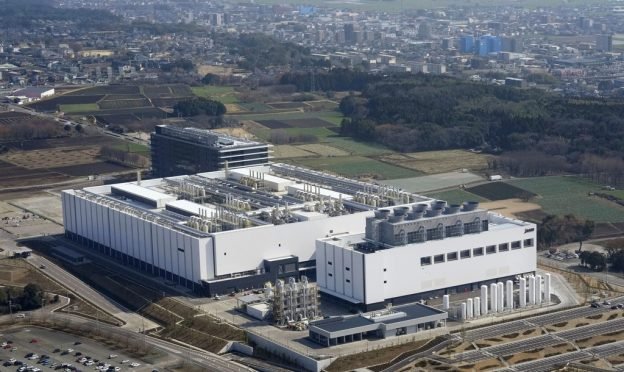
    Chipmaker TSMC formally opened its first Japanese plant last month highlighting the Taiwanese firm’s critical role in Tokyo’s multi-billion dollar efforts to reboot its once-mighty semiconductor manufacturing industry.
    That Japan turned to TSMC for help on an industry it once dominated reflects the Taiwan chipmaker’s dominant position in the foundry business and Tokyo’s heightened concern over China’s growing prowess in a wide swathe of technology.
    The arrival of TSMC, the world’s leading contract chipmaker, in Japan is seen as having sparked investment across a sector vital to economic security even as the government eyes a greater prize with its backing for homegrown foundry venture Rapidus.
    “The possibility of having TSMC build a fab in Japan really rallied support from disparate parts of the semiconductor industry,” said Damian Thong, head of Japan research at Macquarie Capital Securities.
    “They have built a snowball effect around it,” he said.
    By 2027, Taiwan is projected to control two-thirds of foundry capacity for advanced processes as its lead is eroded by aggressive expansion in the U.S., according to research firm TrendForce, with Japan increasing its global share to 3%.
    TSMC, which is also building capacity in the U.S. and Germany, is targeting mass production at the fab later this year and has announced plans for a second plant, bringing total investment in the venture to more than $20 billion.
    Partnering with companies including Sony and Toyota monthly capacity across the two fabs will exceed 100,000 12-inch wafers, strengthening Japan’s access to chips, which are essential for the electronics, automotive and defence industries.
    TSMC sees Japan as a natural fit with an industrious work culture suited to chipmaking and a government that is easy to deal with and generous with subsidies, Reuters has reported.
    Japan has also benefited from Taiwan’s willingness to approve the export of foundry and supply chain technology, particularly for advanced node technologies below 16 nanometres, said David Chuang, an analyst at Isaiah Research.
    “With the prospect of fabricating more advanced roadmaps in Japan, it’s reasonable to expect that foundry customers may be more inclined to commit to long-term development and procurement of capacity,” said Chuang.
    Japan can leverage its expertise in areas such as photoresists – chemicals that are needed for chipmaking – image sensors and packaging, which is becoming increasingly important to eke out chip performance gains, said Joanne Chiao, an analyst at TrendForce.
    Momentum in Japan’s chip sector is growing, with Taiwan chip companies arriving in Japan not only to support the TSMC plant but also being attracted by the industry’s renewed dynamism, Reuters has reported.
    ECONOMIC BOOST
    In the chipmaking hub on the southern island of Kyushu where TSMC’s plant is located, companies ramping up investment include power chip maker Rohm wafer maker Sumco and equipment maker Tokyo Electron.
    The regional economic boost is forecast to hit 20.1 trillion yen ($134 billion) over a decade, according to the Kyushu Economic Research Center, with activity rippling out from fabs being constructed and run, and from consumption by workers.
    A major bottleneck is labour shortages, said Soei Kawamura, a researcher in the business development department at the centre.
    “Large companies like TSMC and Sony will be able to secure the necessary personnel, but the economic development of the Kyushu region will change depending on how many people can be recruited in the local semiconductor-related and other industries,” he said.
    The number of workers in Japan’s chip-related businesses has declined by around a fifth over the last roughly two decades.
    Leading domestic chip firms need to find 40,000 workers over a decade, according to estimates from the Japan Electronics and Information Technology Industries Association (JEITA).
    Tokyo’s grander vision is of building a homegrown champion through foundry venture Rapidus, which is headed by industry veterans and targeting mass production of cutting-edge chips on the northern island of Hokkaido from 2027.
    A potential rival to TSMC, which has spent decades honing its processes, Rapidus is partnering with IBM and chip research organisation Imec. But its prospects for success are viewed with scepticism by many in the industry.
    “I don’t doubt TSMC will be dominant, but Japan will seek to prove that they are valid as a number two,” said Macquarie’s Thong.

  • Production of Ceramic Using Tape Casting Method for Artificial Bone Application

    Production of Ceramic Using Tape Casting Method for Artificial Bone Application

    Department of Metallurgy and Materials Engineering, DUET hosted a webinar featuring Dr. Yasmeen Tabak, a renowned expert in biomaterials research from the Scientific and Technological Research Council of Turkiye (Tubitak). The webinar focused on the production of ceramics using the tape casting method for artificial bone application, offering insights into cutting-edge developments in the field of orthopedic biomaterials.
    At the start of the presentation, she briefed about The Scientific and Technological Research Council of Turkiye, known as Tubitak. The company is the leading agency responsible for coordinating and promoting research and development activities in Turkey. Established in 1963, Tubitak operates under the auspices of the Ministry of Industry and Technology, with a mission to support scientific and technological advancement across various disciplines.
    Dr. Tabak provided an overview of ceramic materials commonly used in orthopedic applications, emphasizing their biocompatibility and structural properties resembling natural bone.
    The webinar explored the significance of ceramic scaffolds in bone tissue engineering and the challenges associated with their fabrication.
    Tape Casting Method:
    The tape casting method was introduced as a versatile manufacturing technique for producing ceramic scaffolds with precise control over thickness and microstructure.
    Dr. Tabak elaborated on the process of ceramic slurry preparation, casting onto flexible substrates, and subsequent drying and sintering stages.
    Material Selection and Optimization:
    The selection of ceramic powders, such as hydroxyapatite (HA) and tricalcium phosphate (TCP), was discussed in relation to their bioactivity and mechanical properties.
    Dr. Tabak highlighted the importance of material optimization to enhance the performance and biocompatibility of ceramic scaffolds for bone regeneration.
    Challenges and Future Directions:
    Challenges in ceramic scaffold fabrication, including porosity control, mechanical strength, and integration with host tissue, were addressed during the talk.
    Future research directions were outlined, focusing on advanced manufacturing techniques, surface modifications, and biomimetic scaffold designs to overcome existing limitations.
    Conclusion:
    The talk on the production of ceramics using the tape casting method for artificial bone application provided attendees with valuable insights into the evolving landscape of orthopedic biomaterials research.
    Dr. Yasmeen’s expertise and contributions in the field underscore the potential of ceramic scaffolds to revolutionize orthopedic surgery and regenerative medicine. The webinar served as a platform for knowledge exchange and collaboration among researchers, students, paving the way for innovative solutions in bone tissue engineering.

  • Information technology services export shows over 5 pc growth

    Pakistan earned $1,151.956 million by providing different information technology (IT) services to various countries during the first five months of the current fiscal year 2023-24. This shows a growth of 5.89 percent as compared with the $1,087.929 million earned through the provision of services during the corresponding months of the last fiscal year 2022-23, the Pakistan Bureau of Statistics (PBS) reported. During the months under review, the export of computer services grew by 8.17 percent as it surged from US $864.429 million last year to US $935.016 million during July-November 2023. Among the computer services, the exports of software consultancy services witnessed an increase of 46.67 percent, from $1.710 million to $2.508 million this year while the export of hardware consultancy services also surged by 4.15 percent, from $318.041 million to $331.231 million. The export of repair and maintenance services however decreased by 40.74 percent from $1.485 million to $0.880 million whereas the export and imports of computer software services surged by 4.05 percent, from $239.473 mil¬lion to $249.179 million. Meanwhile, the export of information services during the months under review dipped by 22.91 percent from $1.790 million to $1.380 million. Among the information services, the exports of information-related services increased by 12.37 per cent, from $0.485 million to $0.545 million whereas the exports of news agency services however decreased by 36.02 percent, from $1.305 million to $0.835 million. The export of telecommunication services dipped by 2.77 percent as these went down from $221.710 million to $215.560 million, the data revealed. Among the telecommunication services, the export of call center services increased by 11.11 percent during the months as its exports increased from $87.327 million to $97.026 million. In contrast, the export of other telecommunication services witnessed a decrease of 11.798 percent, from $134.383 million to $118.534 million during this year, the PBS data revealed.

  • Smart Net Pvt Ltd forges fiber lease deal with One Network, Cybernet

    Smart Net Pvt Ltd forges fiber lease deal with One Network, Cybernet

    Islamabad-SmartNet Private Limited, the technology arm of Capital Smart City and a key entity in the HRL Group of Companies is pleased to announce a groundbreaking Fiber Lease Agreement in collaboration with One Network and Cybernet.
    This partnership enables SmartNet to deliver terabytes of data every second to Capital Smart City, Lahore Smart City, and affiliated projects on motorways. The high-speed connectivity strengthens Capital Smart City’s position as a technological leader, enhancing capabilities in IoT, Big Data, Artificial Intelligence, and advanced technologies.
    In addition to supporting Silicon Valley connectivity and motorway projects, SmartNet aims to contribute significantly to Digital Pakistan, promoting technology exports.
    The establishment of an incubation centre demonstrates a commitment to fostering innovation and technological entrepreneurship. “We are excited to embark on this transformative journey with our partners, One Network and Cybernet,” said Brig (retd) Arshad Kayani, CTO, SmartNet Private Limited. “This collaboration emphasises our commitment to advancing smart solutions and fortifying infrastructure for seamless integration of communication technologies, including 5G and Wi-Fi 6+.”
    The Fiber Lease Agreement positions One Network, SmartNet, and Cybernet at the forefront of the revolution in digital infrastructure and urban development. “We believe this collaboration will enhance the technological landscape of Capital Smart City and contribute significantly to broader digital transformation in urban development,” added General Manager Technology, M Shahzad Khalil.