Institution Looks to Engr. Sohail Bashir for Institutional Revival and Global Engagement; Sohail Bashir Outlines Vision for a Stronger, United Institution
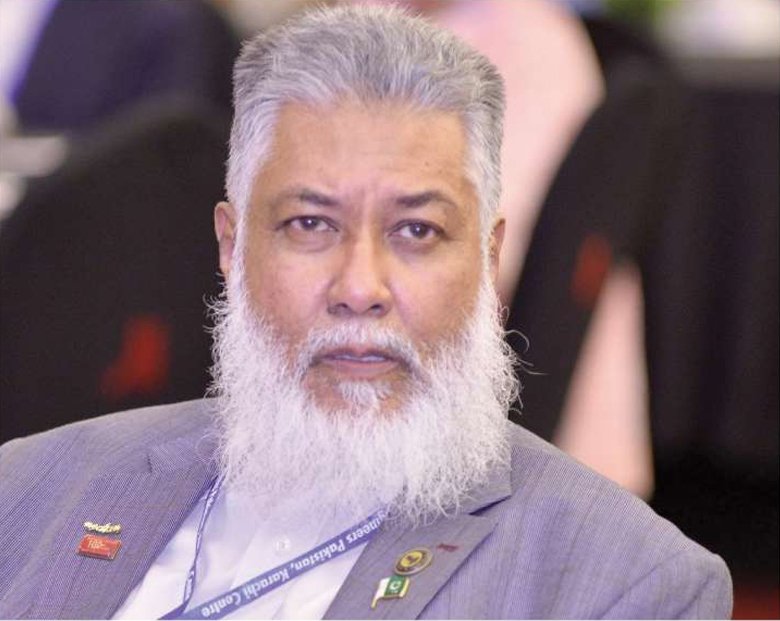
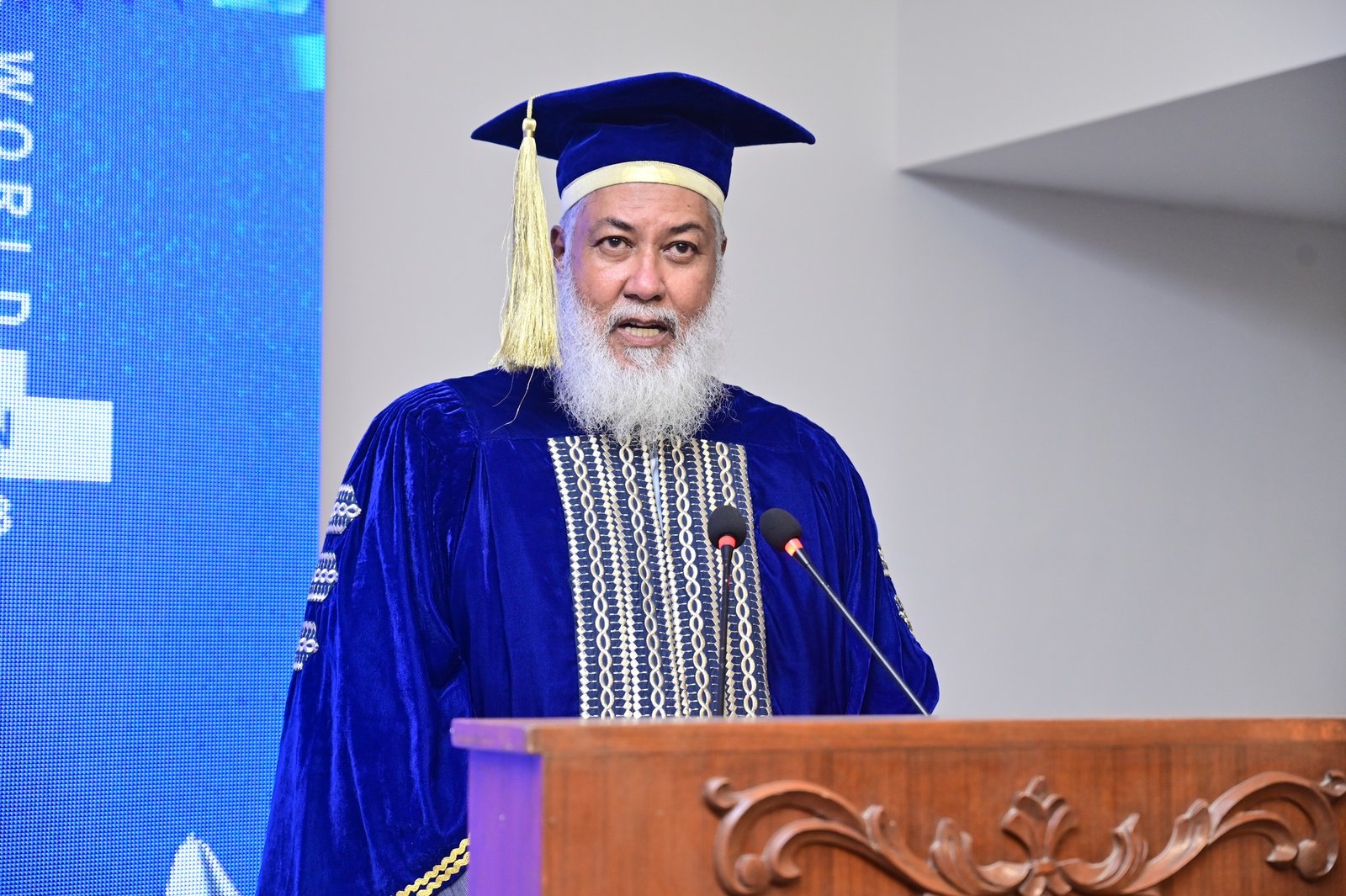
New President, IEP, Engr. Sohail Bashir
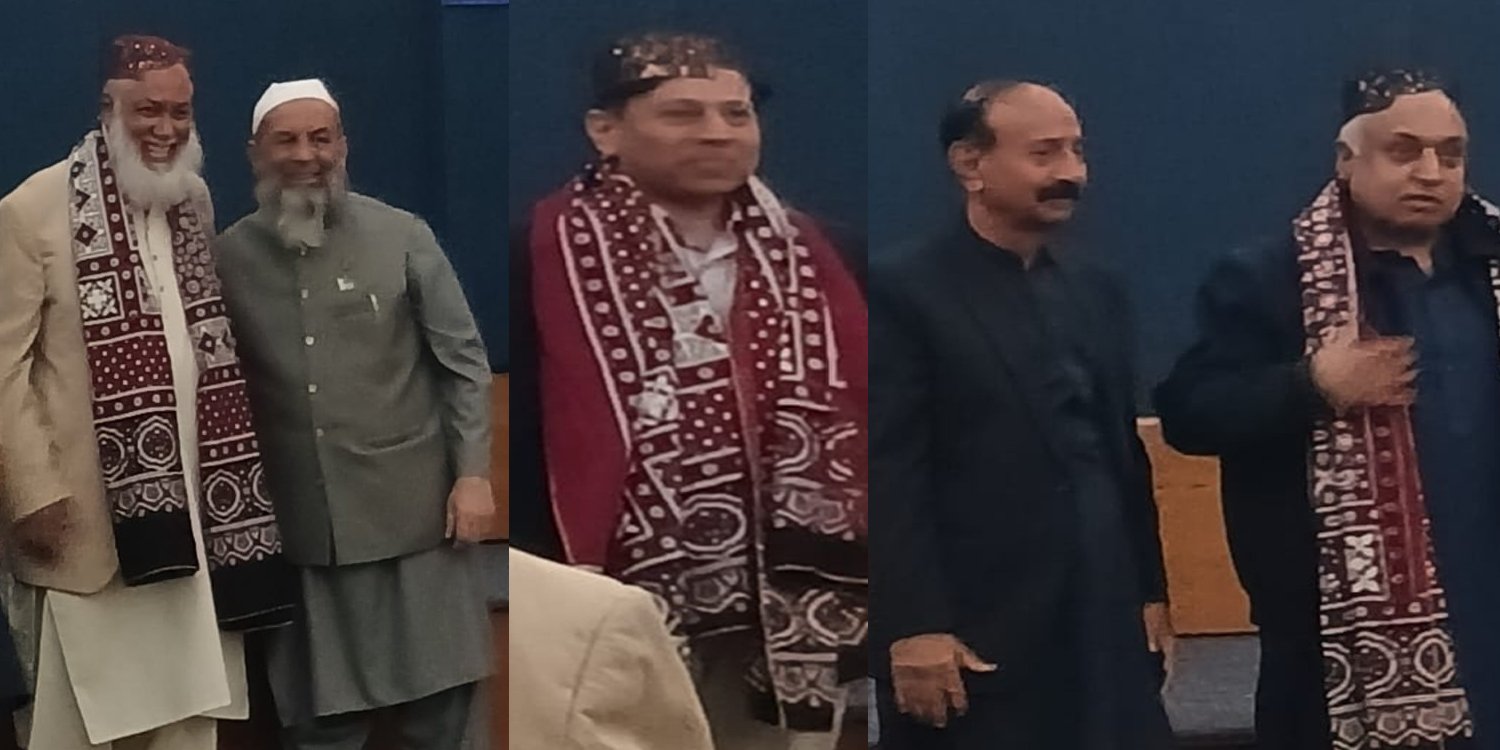
The Institution of Engineers Pakistan (IEP), Karachi, hosted a gala dinner last night in honour of the newly elected IEP President, Vice Presidents, Secretary General, Chairmen of Local Centres, and Central Council Members.
Engr. Khizr, Lahore
A large number of senior engineers, vice chancellors, and professional engineers serving abroad participated in the event and exchanged views on issues pertaining to engineers, educational institutions, and industry.
Under the leadership of Engr. M. Farooq Arbi, the newly elected Chairman of the institution’s Karachi Chapter, the event was organised by Engr. M. Aijazul Haque.
Senior and elected engineers from Lahore, Islamabad, and Hyderabad gathered at the dinner and were addressed by the newly elected President, Engr. Sohail Bashir; Vice President Engr. Ameer Zamir; and the outgoing President, Engr. Farhat Adil.
Addressing the gathering, Engr. Sohail Bashir said that engineers across Pakistan actively participated in the elections, with voter turnout being the highest ever in the institution’s history. He said that the elections were now over and it was time to move forward and decide on future priorities.
He added that the new leadership would continue the institution’s legacy and strengthen IEP’s representation of Pakistan at international forums. He noted that IEP has bilateral agreements with more than 50 countries and that international engagement had remained dormant in recent years, which the new team aims to revive.
Engr. Bashir announced plans to organise a series of international conferences across the country, not only in Karachi but also in Hyderabad, Multan, Faisalabad, Lahore, Islamabad, and Peshawar. “We aim to create a nationwide web of conferences, which will require teamwork, and we are committed to working collectively to achieve these goals,” he said.
Engr. Ameer Zamir, Secretary of the IEP Election Commission, highlighted the comprehensiveness of the electoral process and termed it a positive development that elections were successfully held. He said the results reflected participation by engineers from across the country, from Khyber to Karachi.
He appreciated the services of former President Engr. Farhat Adil and expressed high expectations from the newly elected President Engr. Sohail Bashir, recalling his exemplary performance as Chairman of the Karachi Chapter. He expressed confidence that Engr. Bashir would take the institution to new heights.
The moot was also addressed by the chief guest, Dr. Sarosh Lodhi, as well as elected presidents of Lahore and other IEP centres. – ER Report
Newly elected President of IEP speaks on solarization, skills development, and the future of Pakistan’s engineering sector in an interview with Engineering Review.
Is Pakistan’s economy improving? This is a comparative issue—whether the economy is improving depends on the point in time we compare it with. Are we comparing it with the period before 2018 or after that? If we compare it with the pre-2018 period, we have not yet reached that level, because the economy was quite buoyant then. Subsequently, the political situation deteriorated, changes took place, and the economy weakened. Despite political challenges, the economy has improved to some extent.
There are significant challenges, especially for the manufacturing sector. High energy costs prevent our products from being competitive in international markets. In the local market, where monopolies exist, this is not a major issue. However, internationally—whether in garments or the textile industry—production costs are very high due to energy prices. That is a major challenge. Having said that, if the current upward trend continues, economic indicators suggest further improvement. Despite challenges, progress is taking place.
Does improvement in the economy encourage the engineering industry to move ahead? There is a lot of solarization in the industry. As far as solarization is concerned, the industry has adopted it to a large extent. Many see it as a capital investment that can be recovered in the short term. Solar costs have fallen significantly. However, in the recent past, some government policies have been unfavorable toward solar energy. Due to surplus capacity in power plants and issues related to capacity charges, the government—while earlier strongly encouraging solar—has slowed its support.
Even so, the industry believes that operating solar systems, even beyond net metering and as captive plants, can result in substantial savings. By reducing energy costs, industries can make their products more competitive. Solar prices have dropped from around Rs150 per watt in the past to Rs80, Rs75, and even Rs60 per watt. Panels are also becoming more efficient. This is a booming area, and if the government extends benefits beyond net-metering users, a very positive situation could develop for our industry.
Export of engineering services The picture is not as rosy as it once was, particularly in the 1970s and 1980s, when Pakistani construction companies were active globally. About a decade ago, Iranian companies came to Pakistan to build bridges—for example, an Iranian company constructed the Shaheed-e-Millat Road—whereas earlier, Pakistani companies used to work in Iran, building highways, and also executed projects in Iraq, Saudi Arabia, and across the Gulf.
Today, Pakistani manpower is still being used, but Pakistani companies are not being engaged in the same way. In Saudi Arabia’s NEOM Project, some individuals have gone, but not in the significant numbers seen in the past. Pakistanis are going as labor or individual consultants, not as companies, unlike earlier when organizations like NESPAK executed major projects.
One reason is that Gulf countries’ confidence in European and American firms has increased significantly. When you visit Dubai, it feels like a European country, with offices of almost every European firm. Pakistani consultants are present, but not at the same scale. Perhaps Europeans have a technical edge, and while they are more expensive, they are perceived to deliver better results. Chinese companies have also emerged as strong competitors, particularly in infrastructure projects.
To move forward, we must operate on a company-to-company basis and also send more trained manpower abroad. Many European firms employ Filipino, Bangladeshi, Indian, and Pakistani workers. If we send more of our skilled people, many opportunities can be created.
Have we lagged behind in new technologies? The definition of skilled manpower has changed globally. Here, we consider anyone who can work as skilled, but internationally, a worker must not only know the job but also be certified. We face certification issues, and there is also a lack of full exposure to Health, Safety, and Environment (HSE) standards. Companies abroad are certified in these areas.
Some efforts have been made locally, particularly for plumbers and carpenters, to provide certifications. Once certified, opportunities open not only in the Gulf but also in Australia, Japan, Canada, and Korea. Japan and Korea, in particular, have strong demand—provided workers know the local language. We should develop programs that include language training along with professional certifications.
Are our engineering bodies thinking of doing something in this regard? Some Pakistani companies are outstanding and continue to compete internationally, such as Descon, NESPAK, and Paragon. They have developed themselves well. In Pakistan, international companies operate and engage Pakistani firms in the same manner as they do in Dubai, with international consultants and trained manpower executing projects.
We also need to bring our contractors in line with these standards. One contractor once said that HSE is a “problem.” Anyone who sees HSE as a problem cannot function in today’s environment. Practices have changed—earlier, workers might have worked barefoot with tar on their feet, but that is no longer acceptable.
No new technologies, no skills—no work That is correct. Without upgrading skills and technology, the scope of work becomes limited. Many well-established companies are now adapting and moving toward AI. New engineering graduates are being taught modern technologies, which is helping companies evolve.
There is also a large consulting sector in Pakistan that handles work outsourced from the United States—performed here at lower cost but to international standards. Another major emerging area over the next four to five years is data centers, with projects worth billions of dollars worldwide. Data centers require large amounts of energy, which is why many are being established in the Gulf, where electricity is cheaper.
If we train our people in data center development, this could become a major source of jobs and business. AI will permeate every field—medicine, arts, and engineering alike. Engineering bodies such as ACEP, PEC, and IEP are making efforts to train engineers in these areas and create more opportunities. Many Pakistani engineers are already delivering results across the world—in the USA, the Middle East, Japan, and Germany. There is no reason why we cannot continue to do so. – By Manzoor Shaikh
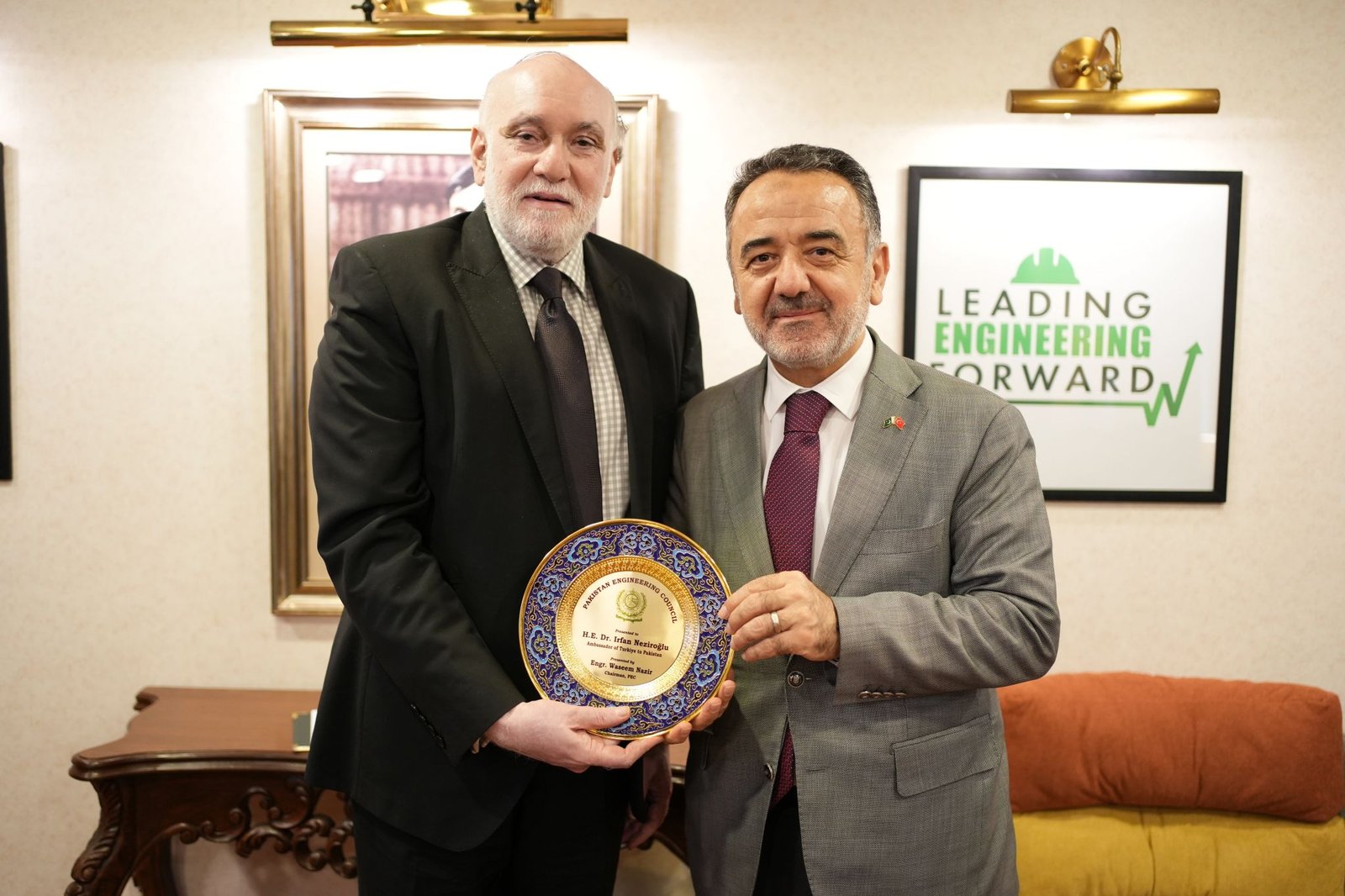
A high-level meeting between H.E. Dr. Irfan Nazir Oglu, Ambassador of the Republic of Türkiye to Pakistan, and Chairman Pakistan Engineering Council (PEC) Engr. Waseem Nazir has marked a significant step forward in strengthening Pakistan–Türkiye cooperation in the engineering sector.
According to the social media platform of the Pakistan Engineering Council (PEC), both sides agreed to develop structured and result-oriented partnerships covering engineering education, professional development and industrial collaboration. The initiatives aim to enhance capacity building, skills development and technology exchange between the two countries.
Among the key proposals discussed was the launch of a Structured Engineers Training, Exposure and Technology Ambassador Program, along with a Faculty Exchange Program between leading engineering institutions in Pakistan and Türkiye. The two sides also agreed on the exchange of high-tech engineers to support capacity-building programmes in both countries.
In addition, a business-to-business (B2B) exposure visit of Pakistani constructors, consultants and clients to Türkiye was proposed to strengthen industrial linkages and promote collaboration in infrastructure and engineering projects.
A flagship Joint Four-Year Engineering Degree Program was also discussed, involving Pakistan, Türkiye, Malaysia and a fourth Islamic country to be identified. The programme is envisioned as a collective initiative of Islamic countries to produce globally competitive “Ummah Engineers,” with Pakistan taking the lead role. The proposed degree would integrate international curricula, industry relevance, student mobility and globally recognised accreditation standards.
Officials said a follow-up session would be held soon to further advance the agreed initiatives and finalise implementation frameworks. – ER Web Desk
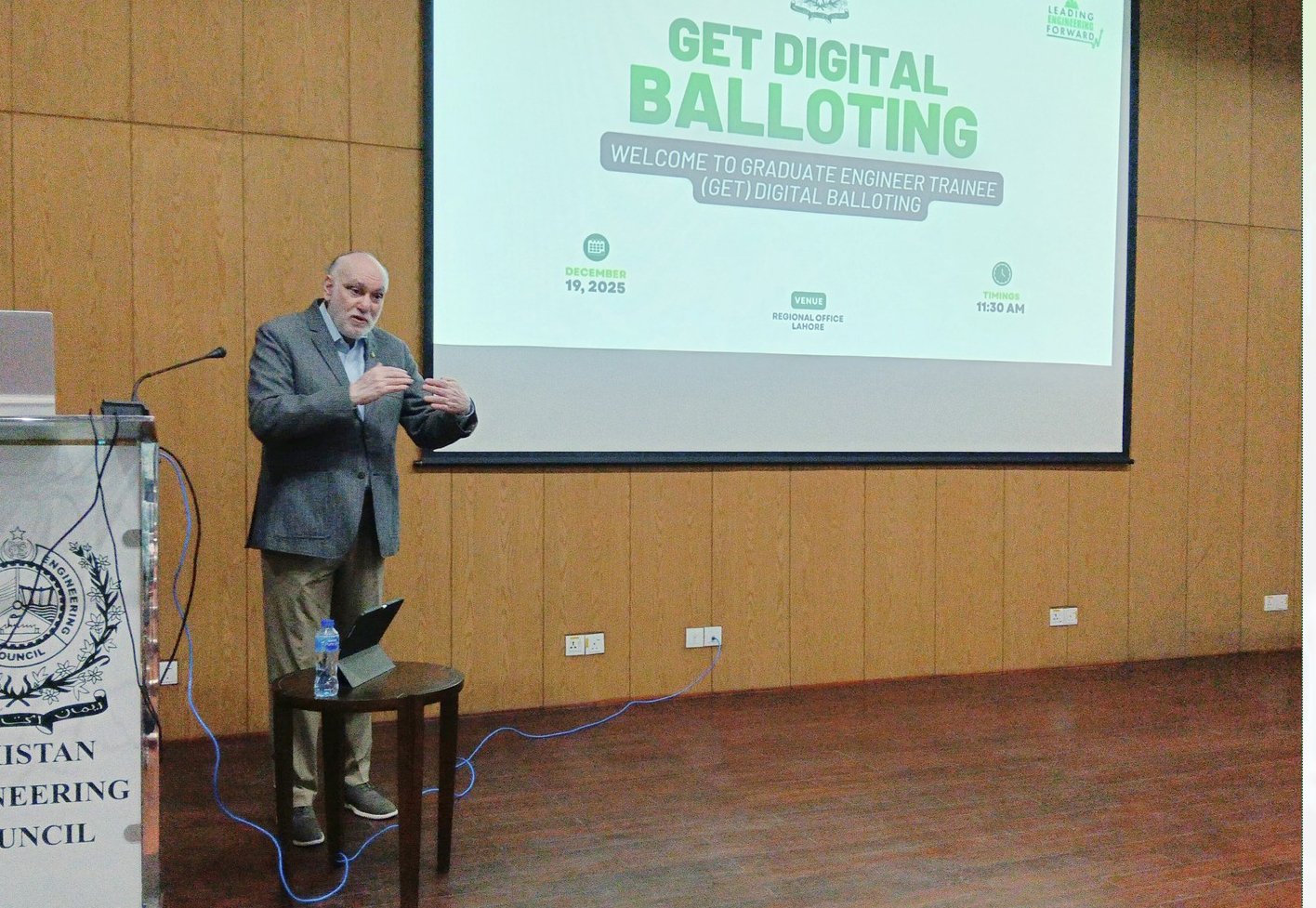
The Pakistan Engineering Council (PEC) has launched the first batch of its Graduate Engineer Trainee (GET) Placement Program, placing 600 young engineers in leading public and private sector organizations across the country for hands-on industrial training.
The six-month, fully PEC-funded and paid program was initiated through a transparent digital balloting process to ensure merit-based placement. Under the initiative, selected engineers will receive five months of on-the-job industry exposure followed by one month of structured skill development, along with a monthly stipend of Rs. 50,000.
The digital balloting ceremony was held at the PEC Regional Office Lahore and inaugurated by Chairman PEC Engr. Waseem Nazir. The event was attended by Vice Chairman PEC Punjab, members of the PEC Governing Body and senior council officials, while representatives from PEC offices across the country also participated.
Speaking on the occasion, PEC leadership said the GET Placement Program has been designed to bridge the long-standing gap between academic learning and practical industry requirements. By providing real-world exposure in reputable organizations, the initiative aims to enhance employability and professional readiness of freshly graduated engineers.
Encouraged by strong support and confidence from both federal and provincial governments, PEC also announced plans to launch the second batch of the GET Placement Program in March 2026. Under the next phase, an additional 1,400 engineers are expected to be placed in various organizations nationwide.
PEC officials said the program reflects the council’s commitment to strengthening the engineering profession, supporting young graduates at the start of their careers, and contributing to national development by building a skilled and industry-ready engineering workforce. – ER Report
Engr. Sohail Bashir, a known engineer and former president of the IEP, Karachi center, has been declared the winner as the president of the Institution of Engineers (IEP). He bagged 3487 votes.
Engr. Soail Bashir takes oath as President, IEP
His competitors, Mian Sultan Mahmood and Engr. Masood Ali Khan received 384 and 56 votes, respectively.
The outgoing president of the institution, Engr. Farhat Adil administered the oath to the newly elected president, Engr. Sohail Bashir.
Notification of Results for the Election terms 2026-28
Young engineers across Pakistan have expressed strong concern over alleged serious irregularities and mismanagement during the recently conducted Engineering Practice Examination (EPE) under the Pakistan Engineering Council (PEC). Leading voices, including Engr. Atif Sial, have formally demanded an immediate and transparent inquiry against the EPDC Committee’s Convenor, Dr. Qaiser Ali.
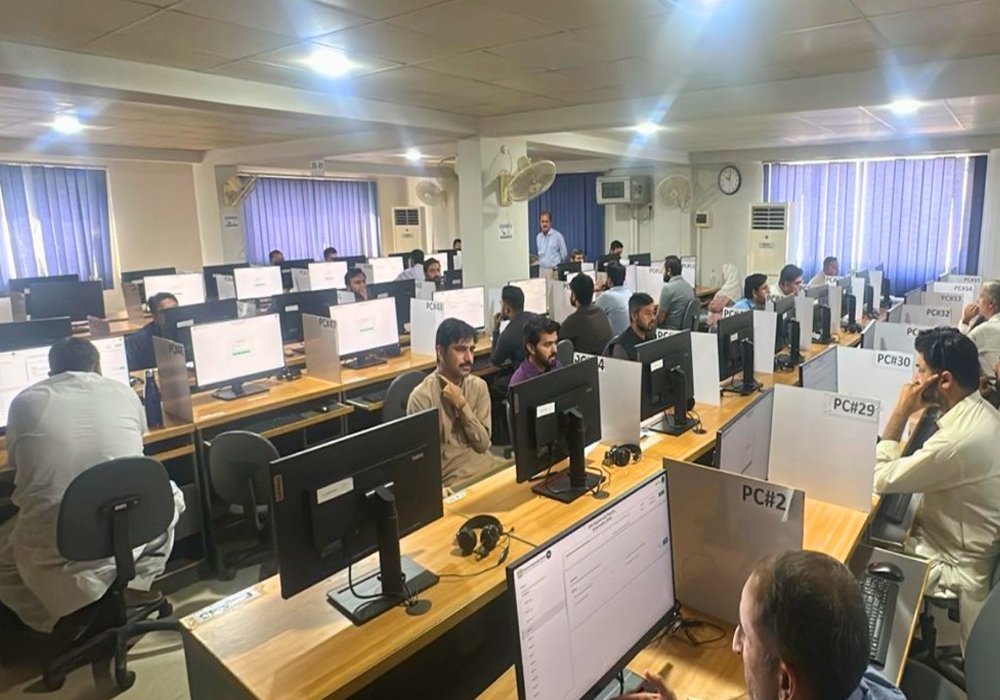
Multiple test centers reportedly faced malfunctioning computers, repeated internet disruptions, and alleged unchecked use of mobile phones and ear pods. These issues allegedly created an unfair and compromised environment for candidates, raising questions about the integrity of the examination process.
According to available data, Part 1 of the exam recorded a 92% pass rate, whereas Part 2 dropped sharply to only 39%, prompting concerns regarding transparency, uniformity, and the credibility of the evaluation system.
More than 1,070 engineers applied and submitted exam fees; however, the number of successful candidates remained disproportionately low. Members of the engineering community have alleged that the current examination structure appears more focused on revenue collection rather than supporting the professional growth of engineers.
Young engineers stated:
“PEC’s examination system has become outdated and ineffective. Poor management, unchecked mobile usage, and repeated violations of merit have destroyed trust in the institution.”
They further warned that the disappointing results and persistent alleged irregularities may discourage engineers from attempting the exam in the future, ultimately weakening the professional engineering pipeline.
The engineering community holds EPDC Convenor Dr. Qaiser Ali allegedly responsible for the mismanagement reported during the examination. They have urged PEC to:
• Initiate an independent inquiry • Review and upgrade examination systems • Ensure strict monitoring and transparent procedures • Implement reforms to restore trust and credibility
Young engineers have emphasized that PEC must take urgent corrective actions to prevent further damage to its reputation and to ensure that future examinations uphold the highest standards of merit and professionalism. – PR
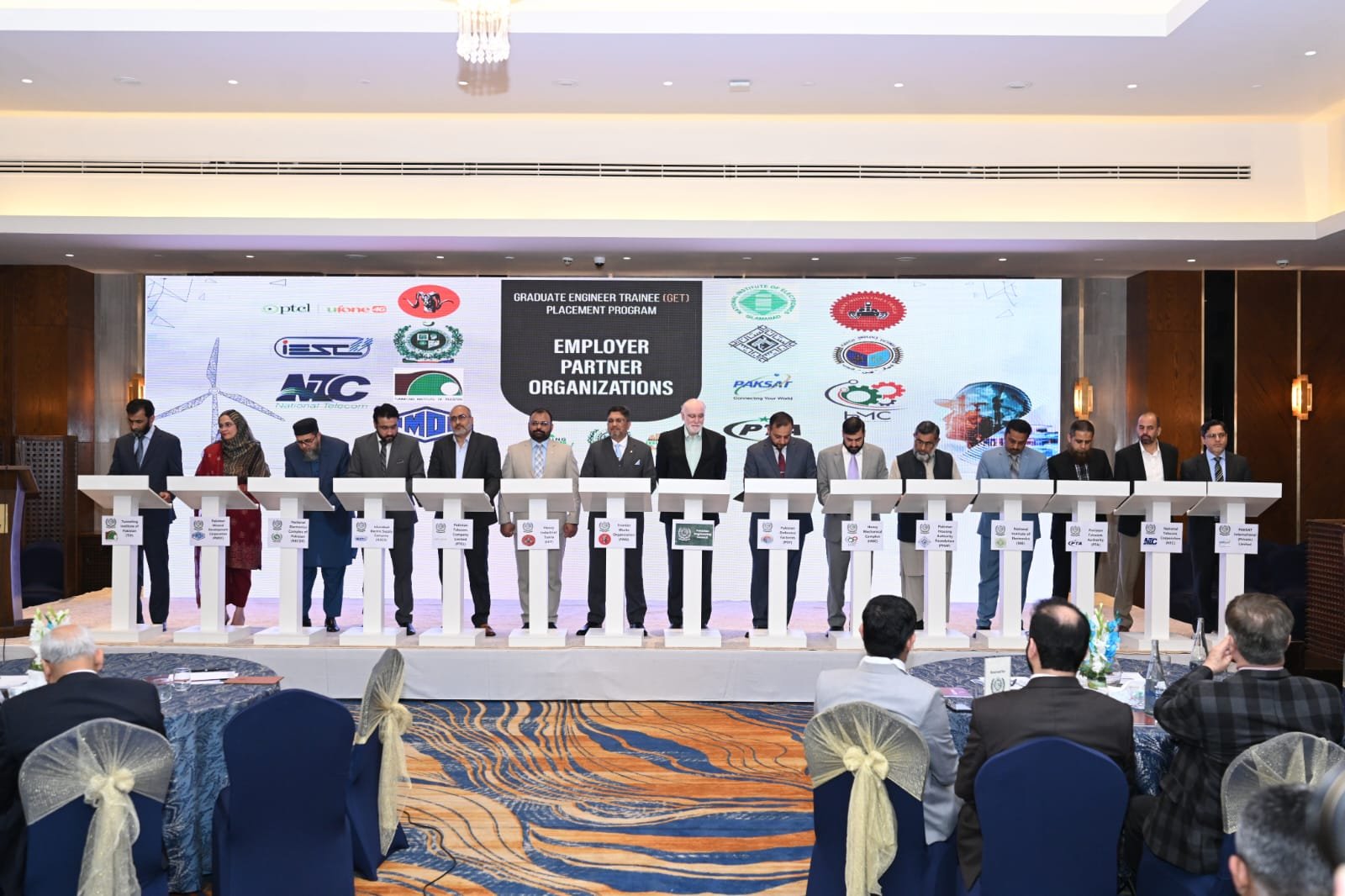
In a major step toward strengthening the professional competence of Pakistan’s young engineers, the Pakistan Engineering Council (PEC) has signed Memoranda of Understanding (MoUs) with 14 leading organizations under its flagship Graduate Engineer Trainee (GET) Placement Program. The ceremony, held in Islamabad, was attended by PEC Chairman Engr. Waseem Nazir, senior engineers, and representatives from both the public and private sectors.
The program — often described as a “house job for engineers” — seeks to bridge the gap between academic learning and practical application by offering structured, hands-on training opportunities to fresh graduates.
Partner organizations include the Frontier Works Organization (FWO), PTCL, Tunneling Institute of Pakistan (TIP), National Institute of Electronics (NIE), National Electronics Complex of Pakistan (NECOP), National Telecommunication Corporation (NTC), Pakistan Telecommunication Authority (PTA), Pakistan Mineral Development Corporation (PMDC), Heavy Industries Taxila (HIT), Heavy Mechanical Complex (HMC), Pakistan Ordnance Factories (POF), Islamabad Electric Supply Company (IESCO), PAKSAT International, and the Pakistan Housing Authority Foundation (PHAF).
A Long-Needed Step Forward
Engineering graduates and professionals have long demanded such a structured, practical training program, noting that academic qualifications alone are not enough to prepare young engineers for the realities of the field. The GET program aims to fill that gap by offering a six-month training cycle, including five months of field exposure and one month of soft skills development — a format reminiscent of the house-job model successfully practiced in the medical profession.
Addressing the ceremony, Chairman PEC Engr. Waseem Nazir said the initiative would help graduates transition smoothly from classroom theory to workplace practice.
“This program is about turning knowledge into competence,” he said. “We want our engineers to be industry-ready, confident, and capable of contributing to Pakistan’s national development.”
He added that similar partnerships have already been established with key organizations in other parts of the country, reflecting PEC’s plan to expand the initiative nationwide.
A Familiar Model — But with Lessons to Learn
Observers note that this is not PEC’s first attempt at such an initiative. During the tenure of former Chairman Engr. Najeeb Haroon, a similar placement program was launched and hailed as a major success by the Council. However, no formal analysis or audit of that program’s outcomes was ever conducted. Over time, reports of mismanagement and irregularities surfaced — allegations that were never formally investigated.
This history has made the engineering community cautiously optimistic about the new program. Many hope that this time PEC will ensure transparency, accountability, and measurable outcomes, avoiding the administrative lapses that tainted previous efforts.
Industry Response and Expectations
Representatives of the 14 partner organizations praised PEC’s renewed focus on practical training, describing the collaboration as a timely and visionary effort to align academic output with industry needs. They emphasized that Pakistan’s economic and industrial growth depends on a workforce of engineers who are not only theoretically sound but also technically skilled and adaptable.
One industry representative remarked that programs like GET could “reshape the professional culture of engineering in Pakistan” — provided the process remains transparent, consistent, and results-oriented.
Toward a Competent and Competitive Workforce
For Pakistan’s thousands of young engineers entering a competitive job market each year, the Graduate Engineer Trainee Program represents both an opportunity and a test. If implemented effectively, it could become a model for sustainable professional development — a platform where learning meets application and potential turns into performance.
As one senior engineer at the ceremony put it, “This is not just a program; it’s an investment in the country’s technical future. But this time, we must make sure it delivers.” – Appeared in ER, Issue – II, 2025
“Representation of young engineers, Technical Allowance, and a formal Service Structure for Engineers should be included as agenda items in the forthcoming PEC Governing Body meeting.”
Engr. Salih Rind, a member of the Pakistan Engineering Council’s Governing Body has urged the PEC Chairman to address the growing frustration among young engineers over unemployment, lack of representation, delays in approving technical allowances, and the absence of a formal service structure. In a letter to the council’s leadership, he called for immediate action and the inclusion of these issues in the upcoming Governing Body meeting. It is deeply concerning that, although the current Governing Body has completed more than a year, key matters such as representation of young engineers, approval of Technical Allowance, and formulation of a Service Structure for engineers have not yet been formally discussed.
Here is the letter:
The Chairman, PEC, The Registrar, PEC, All GB Members.
Subject: Representation of Young Engineers, Technical Allowance, and Service Structure for Engineers
Dear Sir,
I wish to draw your kind attention to the genuine grievances and growing unrest among young engineers arising from unemployment, lack of representation in PEC, and continued neglect of their core professional concerns.
It is deeply concerning that, although the current Governing Body has completed more than a year, key matters such as representation of young engineers, approval of Technical Allowance, and formulation of a Service Structure for engineers have not yet been formally discussed. This prolonged inaction has caused increasing frustration within the engineering community, as reflected in their repeated appeals across various platforms urging PEC to take meaningful action.
The following issues require urgent consideration:
Representation of Young Engineers Young engineers constitute the backbone of the engineering fraternity, yet their presence in PEC’s decision-making forums remains limited. Their inclusion in PEC committees, regional offices, and policy consultations is essential to ensure innovation, balanced representation, and future-oriented progress.
Technical Allowance Engineers serving in federal and provincial departments face evident disparities in compensation compared to other professional cadres such as doctors, lawyers, and bureaucrats. The delay in approval of Technical Allowance not only lowers morale but undermines professionalism and recognition. It is particularly concerning that engineers in prestigious organizations like SSGC, SNGPL, DISCOs, and others do not receive the Technical Allowance despite their critical responsibilities.
Service Structure for Engineers The absence of a uniform and well-defined service structure has resulted in stagnation, slow career progression, and demotivation among young engineers. A structured system is essential to improving efficiency, enhancing professional commitment, and creating a predictable career pathway.
In light of the above, it is requested that these matters be included as agenda items in the forthcoming PEC Governing Body meeting. A committee may also be constituted to hold a consultative session with young GB members and representatives of young engineers in all provinces to develop practical recommendations on these key matters.
These challenges can be addressed through inclusive dialogue, shared responsibility, and collective commitment. I hope that PEC, as the apex regulatory and professional body of the engineering profession, will prioritize these pressing issues to restore confidence within the engineering community.
Yours sincerely, Engr. Muhammad Salih Rind GB Member, PEC (Sindh)
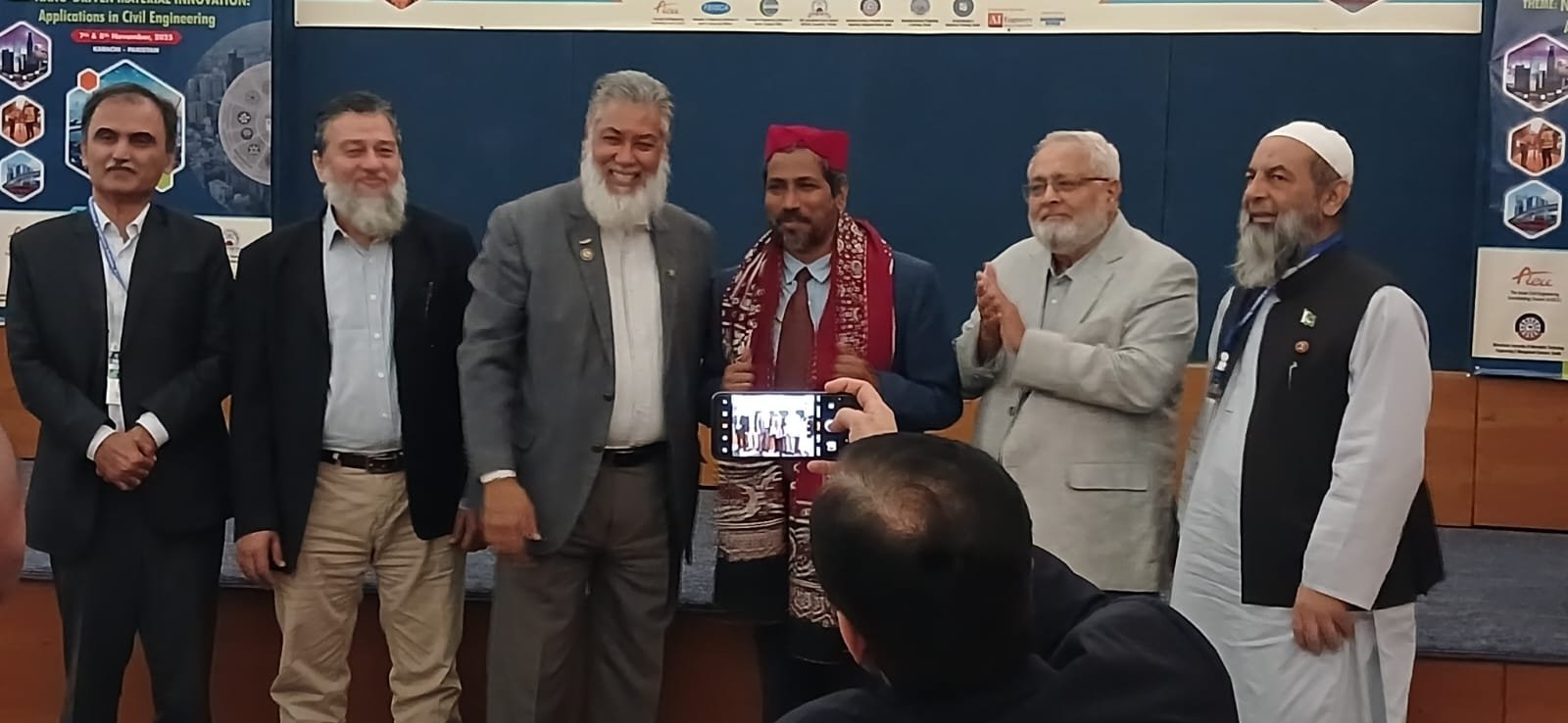
The closing session of the 15th International Civil Engineering Conference (ICEC-2025) was held on Saturday at the IEP Convention Hall, Karachi. The event, organized in hybrid mode (physical and via Zoom), concluded a two-day conference focused on emerging trends and innovations in civil and environmental engineering.
Dr. Marsha Anderson Bomar, PhD, AICP, ENV SP, F.ITE, F.ASCE, President of the American Society of Civil Engineers (ASCE), delivered the keynote address, highlighting the importance of sustainable infrastructure, professional collaboration, and innovation to address challenges such as urbanization and climate change.
Another keynote speaker, Prof. Md. Sirajul Islam, PhD, Department of Civil & Environmental Engineering, North South University, Dhaka, and President of the Asian Civil Engineering Coordinating Council (ACECC), emphasized regional cooperation among Asian civil engineers to strengthen research and capacity building.
Advocating a regional approach to address the challenges posed by climate change, Dr. Islam emphasized the importance of establishing a Coordinated Warning System in the region. He also discussed GCM output analysis, downscaling techniques, the creation of a Regional Center for Flood Risk Management, and the revival of SAARC and SMRC for enhanced regional cooperation.
Engr. Prof. Dr. Abdul Jabbar Sangi, Chairman of the Department of Civil Engineering, NED University of Engineering and Technology (NEDUET), and Conference Convener, thanked international and local participants, noting that the ICEC series has become a key platform for engineers, researchers, and policymakers to exchange knowledge and foster innovation in Pakistan’s infrastructure sector.
The inaugural session, held on Nov 7 at NEDUET, featured addresses by K.N. Gunalan, PhD, PE, BC.GE, NAC, President-Elect of the World Federation of Engineering Organizations (WFEO), and Dr. Sarosh Hashmat Lodi, Senior Vice-Chairman of the Pakistan Engineering Council.
The conference hosted eight technical sessions and concluded with a panel discussion, alongside presentations of the Chairman IEP Medal for Best Paper, recognizing outstanding research contributions.
Engr. Prof. Dr. Muhammad Tufail, Vice Chancellor of NEDUET, Engr. Sohail Bashir, and the Chairman of IEP Karachi Centre addressed the closing session, commending collaboration between academic institutions and professional bodies.
The ICEC-2025 reaffirmed the shared vision of civil engineers across Asia to promote sustainable development, innovation, and excellence in engineering practice. –
Hyderabad, Pakistan – Engr. Salih Rind has been promoted to Chief Engineer (Transmission Section – of Hyderabad Head Qurtor) at Sui Southern Gas Company (SSGC).
In his announcement, Engr. Rind expressed his gratitude to the company’s management — Managing Director, DMD Mr. Saeed Rizvi, and SGM (Transmission) Mr. Jamshed Nisar — for their trust and support. He reaffirmed his commitment to continue contributing with dedication and professionalism.
Engr. Rind brings extensive experience in the energy sector, having served SSGC for many years. He holds a Bachelor’s degree in Electrical Engineering from Mehran University College of Engineering, Science & Technology, Nawabshah, and a Master’s degree in Environmental Engineering from MUET Jamshoro. He has been instrumental in developing the HSE Management System at SSGC and is currently responsible for managing high-pressure transmission pipeline systems across the region.
Beyond his professional responsibilities, Engr. Rind is an active and respected figure in the engineering community of Sindh. He previously served as an elected member of the Governing Body of the Pakistan Engineering Council (PEC) for the 2018–2021 term and is currently serving another tenure (2024–2027). He also contributes to several PEC committees and is affiliated with The Engineers Pakistan (TEP) — the country’s largest network of engineers — led by Engr. Jawed Salim Qureshi. His peers regard him as an influential voice in professional development, engineering policy, and sectoral advancement in the province.
With this promotion, Engr. Rind is expected to play a pivotal role in strengthening SSGC’s transmission operations in Hyderabad, further enhancing the region’s energy infrastructure and advancing the company’s strategic goals. — ER Report