Lucky Core Industries Limited (LCI), formerly ICI Pakistan Ltd., has strongly refuted recent media reports claiming that several global pharmaceutical companies— including LCI—have divested their local manufacturing operations over the past three years.
In its posting to the PSX, the company stated that its pharmaceutical manufacturing operations “continue to operate in the ordinary course of business” and that it has not divested any pharmaceutical manufacturing units during the last three years.
Contrary to the reports, LCI emphasized that it has in fact expanded its footprint in the pharmaceutical sector. The most recent addition to its portfolio was the acquisition of assets from Pfizer Pakistan Limited and other Pfizer group entities, a transaction completed in September 2024. This strategic move underscores the company’s ongoing commitment to strengthening its pharmaceutical capabilities in Pakistan.
LCI reaffirmed its dedication to the country’s healthcare sector, noting that it remains focused on innovation, geographic expansion, and improving access to quality healthcare solutions. The company reiterated its long-term commitment to patients, partners, and stakeholders, underscoring that its growth trajectory in the pharmaceutical segment remains strong and forward-looking. – ER News Desk
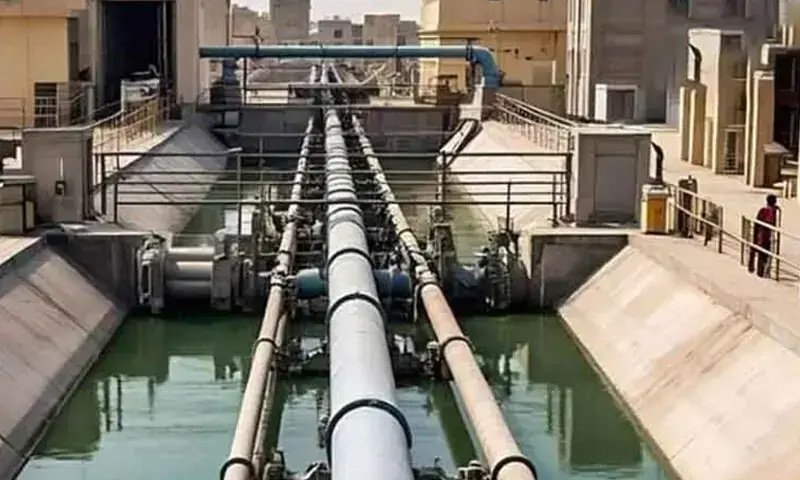
Karachi’s water supply system faced major disruptions throughout November 2025 due to prolonged and repeated power outages at key water pumping stations, according to new data released by the Karachi Water and Sewerage Corporation (KWSC). The utility has warned that the megacity’s water security is being compromised primarily because of unreliable electricity supply from K-Electric.
A KWSC spokesperson said Karachi suffered a total shortage of 884 million gallons of water in November alone. The largest deficit occurred at the Dhabeji Pumping Station, where a 132-hour and 20-minute power outage caused a massive shortfall of 424 million gallons. At the Damloti Pumping Station, a 146-hour power interruption resulted in an additional 111 million-gallon shortage.
Pumping Station
Water Shortage (Million Gallons)
North East Karachi Pumping Station
335
Hub Station
6
Pipri Station
6
Gharo Station
2
Officials said that extended electricity failures forced central pumping stations to shut down for hours at a time, directly affecting the citywide water supply. They stressed that stable electricity is essential for maintaining pumping pressure and ensuring timely distribution of water across Karachi’s densely populated districts.
KWSC officials urged K-Electric to immediately ensure constant, stable, and uninterrupted power supply to all central pumping stations. They also called for urgent technical improvements, noting that repeated cable faults have damaged pumping machinery. Measures such as alternative feeders, standby cables, and comprehensive technical upgrades were described as critical to safeguarding Karachi’s water infrastructure from future disruptions.
The KWSC spokesperson added that the organization remains in continuous coordination with K-Electric to minimize supply gaps. He confirmed that, following the restoration of power, water supply across the city had returned to normal. – ERMD
Shoppers may face higher prices for phones, laptops and other consumer electronics next year as booming AI investment drives up demand for memory chips, manufacturers and analysts warn. Tech giants are pouring massive sums into building AI data centers, sharply increasing the need for DRAM and NAND chips—the same components used in everyday gadgets.
Xiaomi president Lu Weibing said this week that memory supply pressures in 2026 “will be far greater than this year,” predicting “a significant increase” in retail prices for consumer products. William Keating, head of semiconductor consultancy Ingenuity, echoed the warning, saying shortages will hit makers of PCs, smartphones and servers alike. “End result: consumers will pay more,” he said.
The surge in demand is pushing memory prices sharply higher, boosting revenues for chipmakers such as Samsung, SK hynix, Micron and SanDisk. Samsung recently noted that AI-driven server demand “significantly exceeds industry supply” and announced plans for a new semiconductor plant in South Korea. SK hynix reported record quarterly results amid soaring DRAM and NAND prices.
Industry researcher TrendForce says the memory market has entered a strong upward pricing cycle that is already forcing brands to raise retail prices. It has also lowered its 2026 production forecasts for smartphones and laptops. Cars could be affected too, though they rely less heavily on memory chips.
Analysts say the shortage stems from unexpectedly strong AI demand combined with years of chipmakers cutting expansion spending to keep supply tight and prices high. As a result, consumers and businesses should expect higher memory prices and longer wait times through early 2026. – ERMD
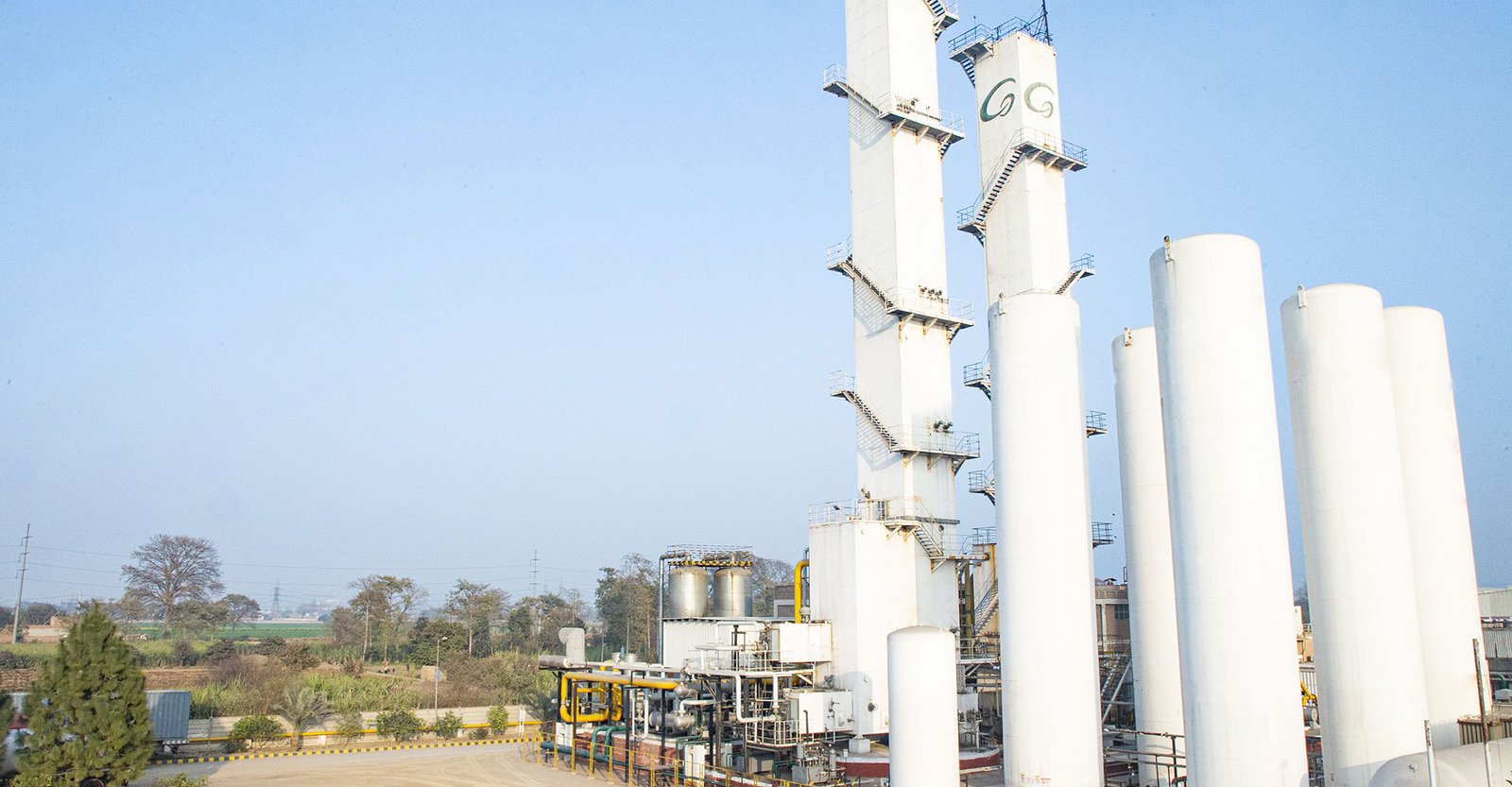
The project, the first of its kind in Pakistan, will produce 80,000 tons per year of liquefied natural gas (LNG) and 55,000 tons per year of industrial and food-grade carbon dioxide (CO2).
Ghani Chemical Industries Limited (GCIL) has approved a joint venture agreement with Mari Energies Limited to establish a pioneering project dedicated to capturing and processing cold-vent/exhaust gases from the Sachal Gas Processing Complex (SGPC).
This groundbreaking project, the first of its kind in Pakistan, will produce 80,000 tons per year of liquefied natural gas (LNG) and 55,000 tons per year of industrial and food-grade carbon dioxide (CO2). The investment is estimated at PKR 14 billion, with a significant portion to be financed through supplier credit.
The project is expected to generate approximately PKR 17 billion annually in revenue, promising substantial profitability.
Under the joint venture structure, GCIL will hold 49% of the shares, while Mari Energies Limited will retain 51%. Mr. Hafiz Farooq Ahmad, CEO of GCIL, will serve as the first CEO of the newly established project company.
This initiative marks a major step forward in Pakistan’s energy and industrial sector, focusing on sustainable gas processing and value addition. –ER News Desk
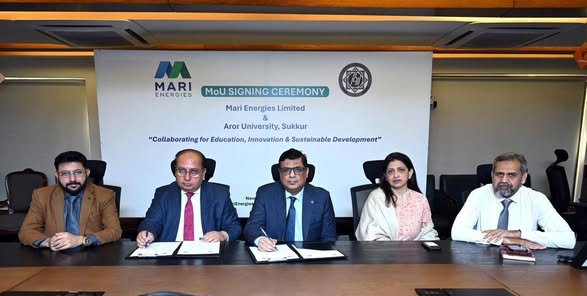
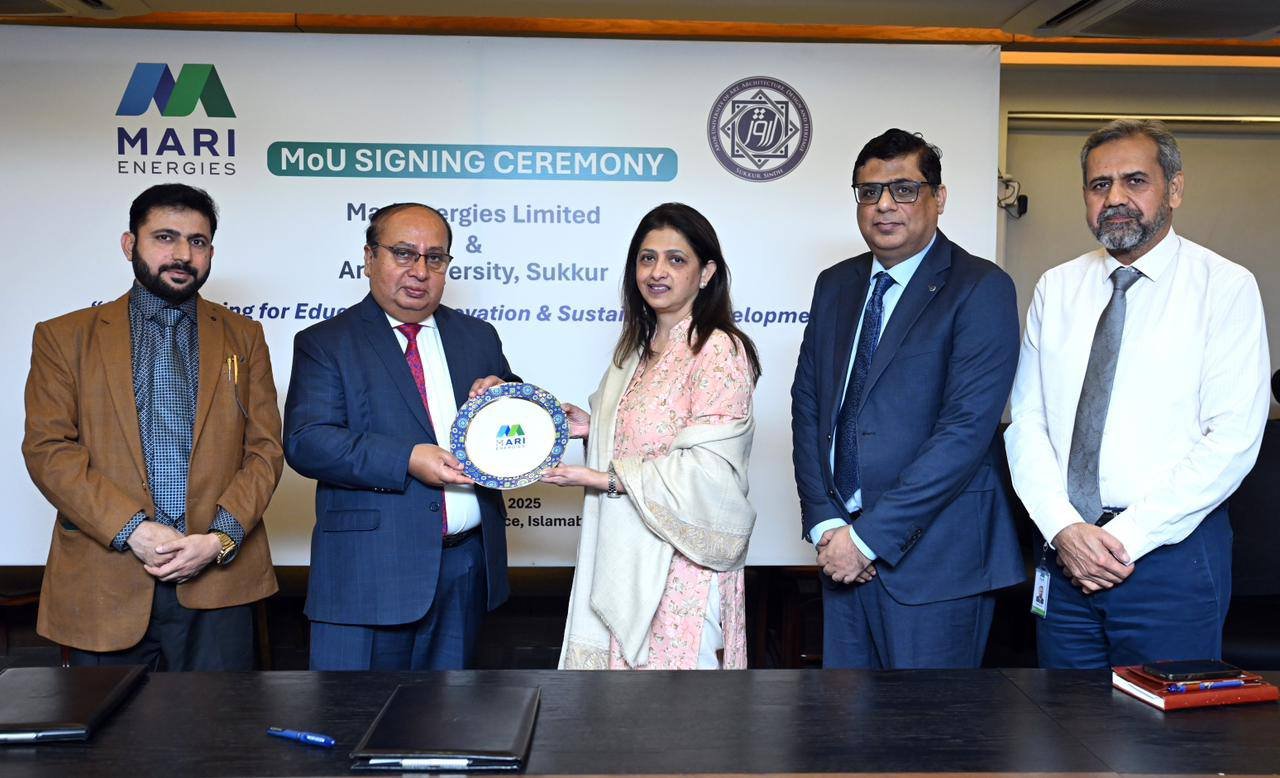
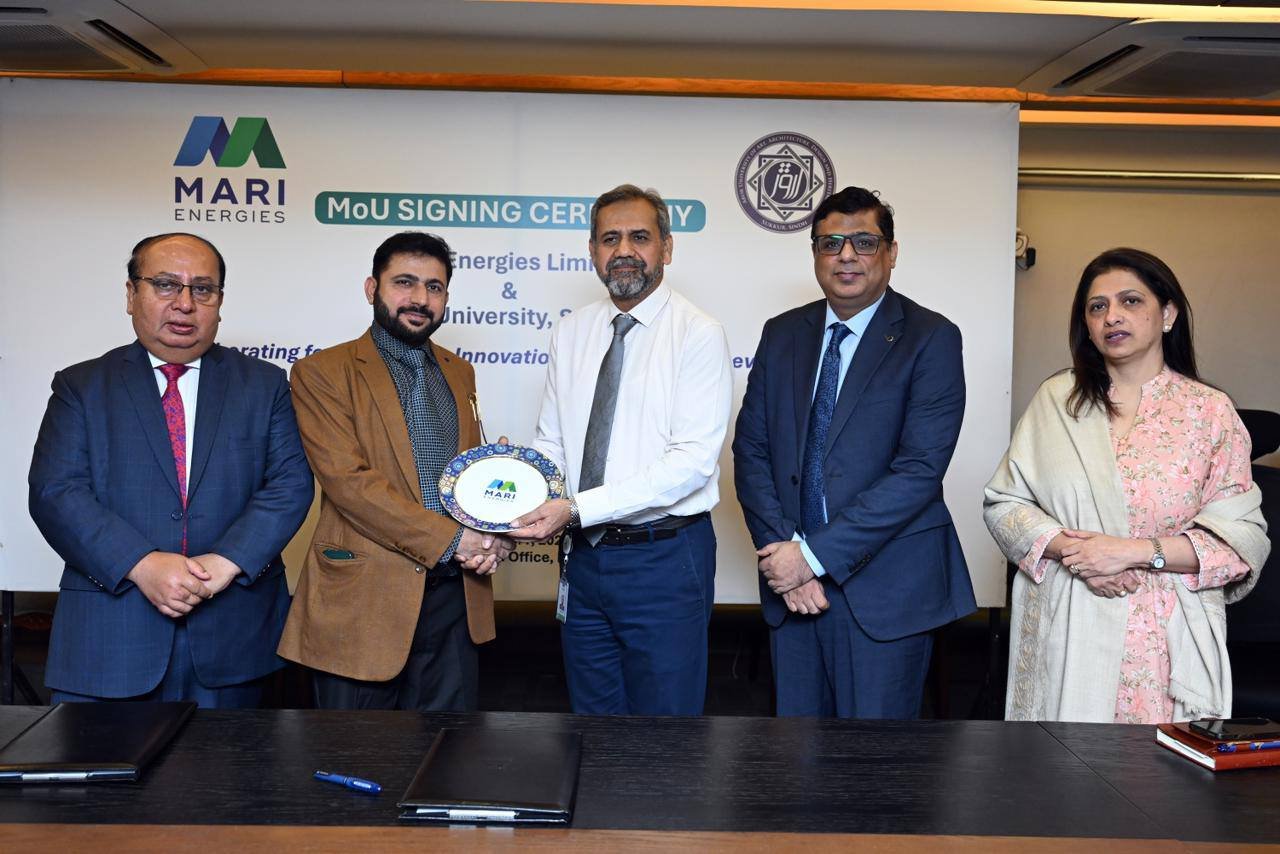
Aror University of Art, Architecture, Design & Heritage, Sukkur has signed a Memorandum of Understanding (MoU) with MariEnergies, marking a significant step toward strengthening academic–industry collaboration, promoting innovation, and supporting sustainable development. The agreement was formalized on 11 November 2025 at MariEnergies’ Head Office in Islamabad.
The partnership aims to bridge the gap between academia and industry by fostering technical learning, hands-on training, and professional readiness among students—particularly those from underprivileged yet talented backgrounds. Through this alliance, both institutions intend to equip future professionals with emerging technologies and practical expertise in art, architecture, design, and related fields, enabling them to contribute meaningfully to Pakistan’s evolving socio-economic landscape.
The MoU was signed by Prof. Dr. Zahid Hussain Khand, Vice Chancellor of Aror University, and Mr. Naseem Qamar, Director HSE/CSR at MariEnergies. The ceremony was witnessed by Mr. Manzoor Ali (Additional Director P&D, Aror University) and Mr. Asghar Naveed (Manager ESG & Sustainability, MariEnergies). Other distinguished attendees included Mr. Ghulam Murtaza Morai (Director Operations, MariEnergies), Mrs. Fozia (CHRO/Director HRM, MariEnergies), and Mr. Muhammad Hassan (Officer Sustainability & CSR, MariEnergies).
About Aror University of Art, Architecture, Design & Heritage, Sukkur
Aror University is a specialized public-sector institution dedicated to the disciplines of art, architecture, design, culture, and heritage studies. Located near Sukkur, the university aims to preserve traditional knowledge while promoting modern design education and research. With a focus on creativity, innovation, and cultural identity, Aror University offers academic programs that blend historical understanding with contemporary practice, preparing students for careers in creative industries, heritage management, and design-led development.
About MariEnergies
MariEnergies is a growing energy-sector company focused on sustainable and responsible exploration, production, and energy management solutions. With an expanding portfolio across onshore and offshore exploration blocks, the company places strong emphasis on environmental stewardship, HSE compliance, community development, and corporate social responsibility. Through its ESG-driven initiatives, MariEnergies supports education, skill development, and socio-economic uplift, while contributing to Pakistan’s long-term energy security. – ER News Desk
The day I received the permission to publish Engineering Review was a day of immense joy for me. With that permission, I had 90 days to release the first issue of Engineering Review. During this period, Mr. Raza Khattak was appointed as the editor.
These were the days of Zulfiqar Ali Bhutto’s reign. Many industries had been nationalized, and industrialists were intimidated. Workers had turned against mill owners. Seths were being humiliated, surrounded, and sometimes assaulted on a daily basis. The extremity of the situation can be gauged from the fact that Mr. Zameer Sheikh, the owner of Ahmed Food Industries, was thrown into the cauldrons used for opening ghee for making sweets. In such an environment, starting new industries was out of the question. To protect their wealth, Seths began investing in residential flats instead. These flats were sold to ordinary citizens. On one hand, this partially fulfilled the slogan of “bread, cloth, and shelter,” and on the other, there was no fear of nationalization since these flats were owned by the common and middle class. By that time, the construction of flats was widespread across Karachi.
In this context, my understanding of “engineering” was limited to the construction of houses and flats. I initially thought that Engineering Review would be a magazine about construction activities. But right from the start, it took a different direction. This shift happened when, in search of news, Mr. Raza Khattak visited the WAPDA office at Hub Dam. The first news in the second issue (November 1975) was: “Hub Dam Completion: Delay Imminent” Thus, Engineering Review moved beyond houses and flats and entered the realm of real engineering. Now, we became a representative newspaper for the three major branches of engineering: Civil, Electrical, and Mechanical. Other branches got comparatively less space. Early Years and Struggles
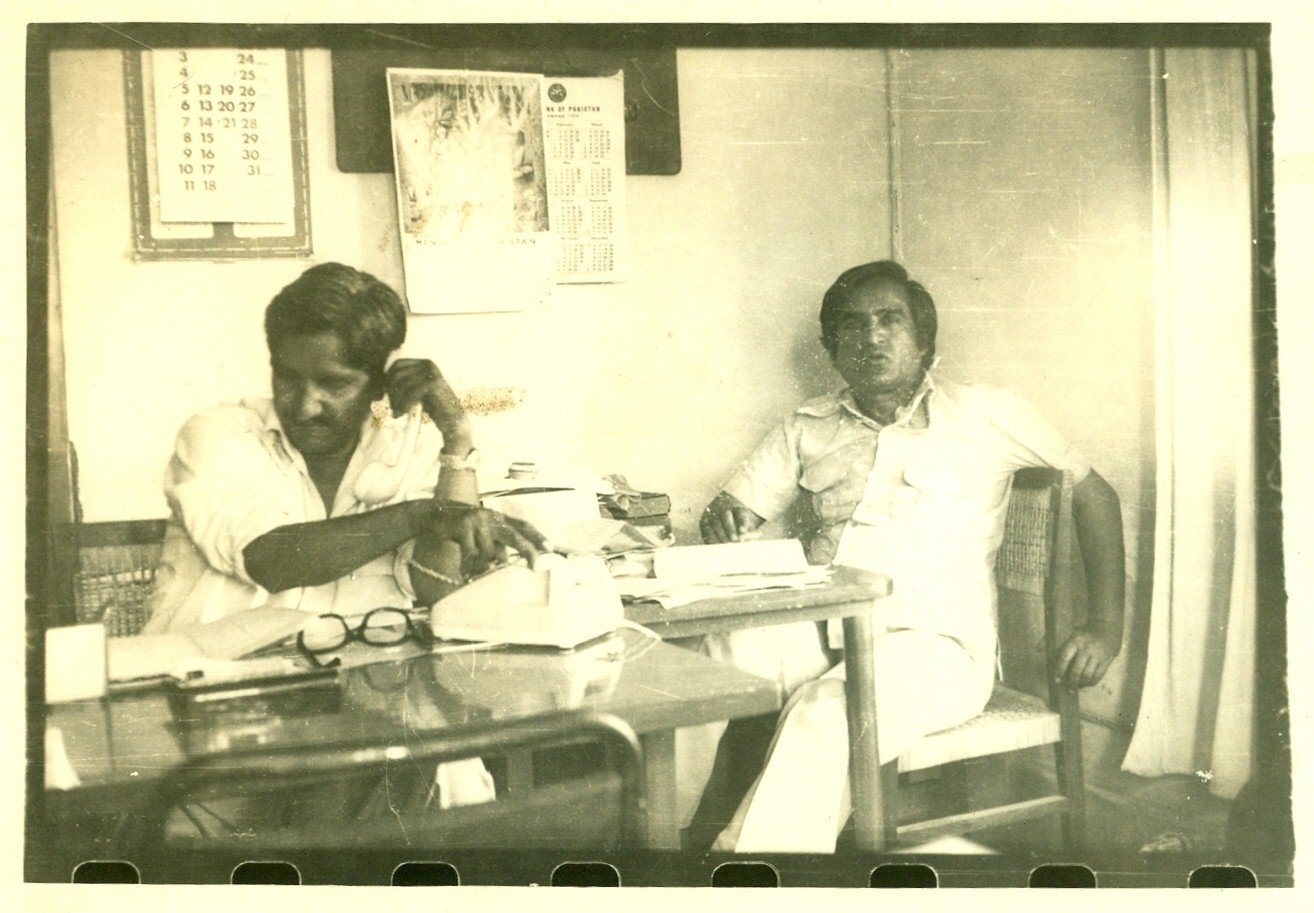
The first four to five years of Engineering Review were extremely challenging and required immense patience. I was the owner, the office boy, the manager, and the clerk all in one. Every morning, I had to open the office, sweep, and clean. During those days, when anyone asked me about my role in Engineering Review, I would say I was the “Chief Servant” of the institution. The office boy of a neighboring Ruby Rice Mills advised me that the office should not remain closed when I went out (which happened often). He apparently arranged a clerk for me. A few months later, my father also began coming to the office for half a day to handle correspondence on my behalf.
Engineering Review started with a modest capital of Rs. 18,000, which even in 1975 was a very small amount, and it was depleted within a few months. Advertisers rarely paid on time. Sometimes I borrowed money from my father, siblings, or friends to keep things running. The lack of resources was so severe that not only did I often get physically exhausted, but I would also sit alone and cry. I thought my wife was unaware of my tears.
But my wife understood my struggles well through the deteriorating condition of our household. While cooking lentils, vegetables, or a large piece of meat at home, we usually ate smaller portions during my employment days. Now, this had become rare. Buying clothes and other essentials had stopped. Buying large cuts of meat was also a burden. In these circumstances, a butcher suggested that I buy the neck cut of buffalo or cow meat, which was cheaper than other meat and also tasty. This experiment turned out well. One day, my wife gently suggested that I should close Engineering Review and take a regular job, which would provide a steady income and ease our household worries. I replied that this was no longer possible. I had taken loans that could only be repaid from the magazine’s revenue, which, God willing, would improve soon.
The Labor of Love
To prepare Engineering Review for mailing, I had entrusted the task of wrapping the copies in paper bands, pasting tickets, and attaching addresses to my father, my younger sister Tayyaba, and other family members. It was, in truth, a labor of love — a family partnership not bound by wages, but by affection and shared pride. Because of that love, their “payment” was never made — and never demanded. Among the salaried staff, our editor earned 400 rupees per month, while our clerk received 150 rupees. Somehow, I always managed to pay their salaries by the fifth of every month — no matter how difficult the circumstances. As for my own salary — also 400 rupees — it was a different story. I often had to pay it to myself in two or four installments, depending on how much money was available.
Don’t Try to Sell the Magazine
It was on the advice of my boss — and the owner of Medical News — Mr. Ayaz Mahmood, that I first decided to launch an engineering magazine. One day, he gave me a piece of advice that sounded quite strange at the time. He said: “Don’t try to sell your magazine. If you do, it will soon shut down.” Had I not worked at Medical News, I might never have understood what he meant. At Medical News, we used to distribute about 5,000 to 6,000 copies free of cost every fortnight. The idea behind this “free distribution” was simple yet brilliant — a larger circulation made it far easier to attract advertisers. When I started Engineering Review, I initially set the circulation at 4,000 copies. It didn’t take long for me to realize that selling even that number was nearly impossible.
And without good circulation, advertising revenue — the lifeblood of any magazine — simply couldn’t flow. I Have No Right to Publish an Engineering Magazine Once it was decided that Engineering Review would be distributed free of cost, the next logical step was to obtain the membership list of the Institution of Engineers, Pakistan (IEP) — so the magazine could reach the right audience. On the surface, this seemed simple enough — but it turned out to be anything but easy. The IEP Karachi Centre believed that a person who was not an engineer had no right to publish a magazine on engineering. My explanation — that journalism and engineering were two entirely different professions — did little to change their minds. In their view, I was interfering unnecessarily in a field to which I did not belong. Therefore, they flatly refused to share their members’ list with me.
Since the “straight road” led nowhere, I had to find another way. Fortunately, among the honorary editors I had appointed from different engineering disciplines was Mr. Wali Jan, who managed to obtain the IEP Karachi members’ list for me. Later, in Lahore, I met Engineer Rab Nawaz Batra, who was then perhaps the Central Secretary of the Institution. He received me with exceptional warmth and generosity — not only did he provide me with the list of members, but he also encouraged my initiative to launch a magazine devoted to engineering. That day, I truly realized the difference between large-heartedness and narrow-mindedness — and how one gesture of generosity can open doors that prejudice keeps shut. The Struggles of Composing .
Today, in 2012, composing text for English and Urdu magazines or books is no longer a challenge. Large and small publications alike handle the entire process through computers — clean, quick, and efficient. But in the 1970s, things were very different. Back then, composing was a nightmare. A major portion of my time was consumed by arranging for Engineering Review to be composed and by getting Urdu text calligraphed manually. In those days, major English newspapers and large printing presses used the Hot Metal Composing method. Smaller and medium-sized presses relied on hand setting — placing each letter individually into its proper place, line by line, word by word. It was painfully slow and laborious work.
Many authors’ books and publishers’ magazines never made it to print simply because composing or calligraphy couldn’t be completed on time. Dreams remained dreams — never crossing over into reality. The English daily The Sun was the first newspaper in Pakistan to adopt a computerized electronic composing system. The setup operated swiftly inside a small air-conditioned room, whereas the old hot-metal machines required large spaces. Each machine had its own furnace for melting lead and casting letters — turning the composing area into something of a furnace itself, where workers toiled in sweltering heat.
I had once been part of The Sun’s first sales team, and as a former employee, I had good relations with its publisher, Mr. M. Parvez. He agreed that the news stories and articles I submitted would be composed and handed back to me the very next day. But that promise was never fulfilled. Eventually, I began spending nights at The Sun’s office, hoping that my presence might ensure at least some progress on my material. Yet, even that didn’t work. Later, I was told that my composing would be done before the newspaper’s daily work began — which sounded reasonable. But that hope, too, turned to dust.
The Blessing of Karamatullah
After the failure with The Sun, I tried having Engineering Review composed at many small and large printing presses. The process was so frustrating that I even considered producing the magazine on a typewriter. But that plan, too, failed. One day, we met Mr. Karamatullah of Karamat Time Press, Mahmoodabad. And true to his name, he performed a miracle. Suddenly, the monthly Engineering Review, which had previously been delayed by four or six weeks at a time, started coming out on schedule. Our editor, Riaz-ul-Hassan, began feeling somewhat redundant.
Under these new circumstances, in February 1980, Engineering Review was transformed into a fortnightly publication. This marked our entry into the modern era of composing. Soon, the composing work began to take place in our own office. One chapter of struggle had finally ended. Ah, what a chapter it had been! Our license for Engineering Review also included provision for Urdu content. A staff member from the daily Huriat would prepare our material on time. But just like English composing, Urdu calligraphy was also a major headache. Many books never even reached the printing stage due to the meddling of scribes
When Urdu, too, began to be composed on computers, the number of books reaching the market increased significantly.
Engineering Review (ER) began its journey in 1975 as a modest publication, focusing on the three foundational branches of engineering: civil, electrical, and mechanical. At that time, its vision was simple yet ambitious – to provide engineers with a platform where knowledge, innovation, and practical solutions could converge.
What started as a magazine catering to a small professional audience has, over five decades, grown into a beacon of engineering insight, shaping the discourse on technology, industry, and education across Pakistan. In its early years, ER concentrated on the core principles of engineering, highlighting major projects, industry developments, and technological advancements in the civil, electrical, and mechanical sectors. Its articles emphasized practical knowledge, case studies, and reviews of projects that set benchmarks for aspiring engineers.
This focus on foundational disciplines laid a strong base for the magazine’s credibility and influence, drawing the attention of professionals, academia, and policymakers alike. As time progressed, ER began to broaden its scope, encompassing emerging technologies and interdisciplinary fields that were gradually becoming essential to modern engineering. Electronics, computer science, automation, renewable energy, and telecommunications found space in its pages, reflecting the global evolution of engineering practices. In the last fifty years, the magazine has not only chronicled the growth of these technologies but has also actively engaged in discussions about their practical applications, policy implications, and potential to transform industries. ER’s commitment to covering all institutions involved in engineering and industry in Pakistan has made it a vital reference point. Universities, technical institutes, and research centers now feature regularly, highlighting achievements in areas such as biomedical engineering, advanced manufacturing, robotics, and material sciences.
The magazine has become a platform where academic research meets industrial application, bridging the gap between innovation and practical implementation. By reviewing policies concerning local manufacturing and the development of engineering goods, ER has consistently advocated for technological self-reliance and sustainable growth in Pakistan. The magazine’s influence extends beyond the borders of academia and industry. Over the years, ER has established a presence at national and international conferences, exhibitions, and symposiums, representing Pakistan’s engineering community. From trade fairs to scientific conventions, ER’s team engages with innovators, policymakers, and industry leaders, sharing insights and fostering collaboration. Its participation has not only showcased Pakistan’s engineering capabilities but has also positioned ER as a respected voice in national engineering discussions.
The transformation of ER from a print magazine into a modern, digital platform has further amplified its impact. Alongside its fifty years of print publication, ER now boasts a vibrant online presence. Its website serves as a hub for articles, research updates, industry news, and educational content, while social media channels—including YouTube, Facebook, and Instagram—connect thousands of engineers, institutions, and industry professionals. The Pakistan Engineering Council, along with numerous universities and companies, actively engages with ER’s digital platforms, reflecting the magazine’s role as a central node in the country’s engineering ecosystem.
Through these channels, ER has created a dynamic, interactive space for discussion, collaboration, and knowledge sharing. Engineers across Pakistan can access the latest research, technological trends, and policy developments with ease. Students and young professionals benefit from tutorials, webinars, and feature articles that inspire innovation and encourage critical thinking. Meanwhile, industry leaders gain insights into emerging technologies, manufacturing policies, and market trends, allowing them to make informed strategic decisions.
As ER celebrates its fifty-year milestone, it is clear that its journey is defined by more than just longevity. It is a story of vision, persistence, and adaptability. From a modest magazine focused on civil, electrical, and mechanical engineering, it has grown into a comprehensive chronicle of technological progress, a platform for discourse, and a catalyst for innovation. Its pages reflect not only the evolution of engineering in Pakistan but also the aspirations and achievements of generations of engineers who have contributed to the nation’s development.
In 2025, Engineering Review stands as a testament to the power of commitment, vision, and the relentless pursuit of excellence. It continues to inspire, inform, and connect engineers, bridging the gap between tradition and innovation, and ensuring that Pakistan remains a vibrant contributor to global technological advancement.– ER Team
It must have been sometime in the late 1980s. On Chundrigar Road, in an office on Dr. Billimoria Street, two senior men were deeply engrossed in a heated argument. The office peon, after asking me to wait, said politely, “Please have a seat for a while.”
From where I sat, I could clearly see both of them through the glass partition — and their voices carried well enough for me to hear every word. Waiting, though usually difficult, seemed easier that day because their discussion was about something that fascinated me. They were passionately debating politics — specifically, the rights of ordinary citizens and the underprivileged — the sort of themes usually raised by nationalists.
As a student of Dawood College of Engineering and Technology (DCET, Karachi) — now a university — I found their conversation both familiar and electrifying. Back then, university campuses were hubs of political activity, and such debates struck right at the heart of my own curiosity.
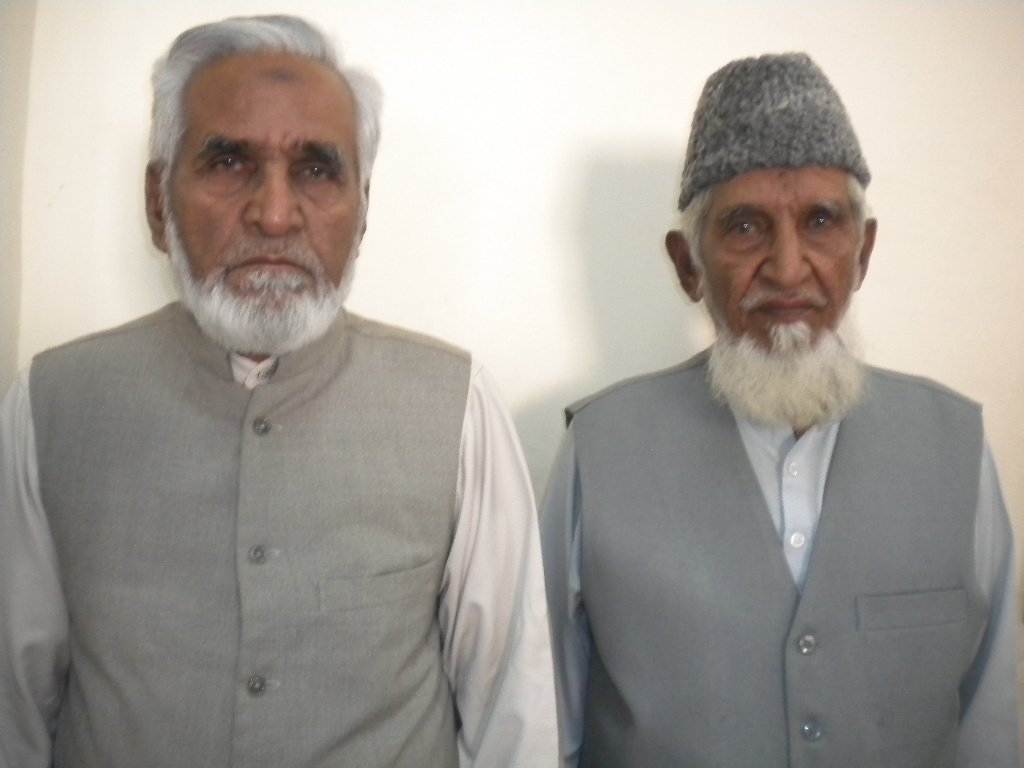
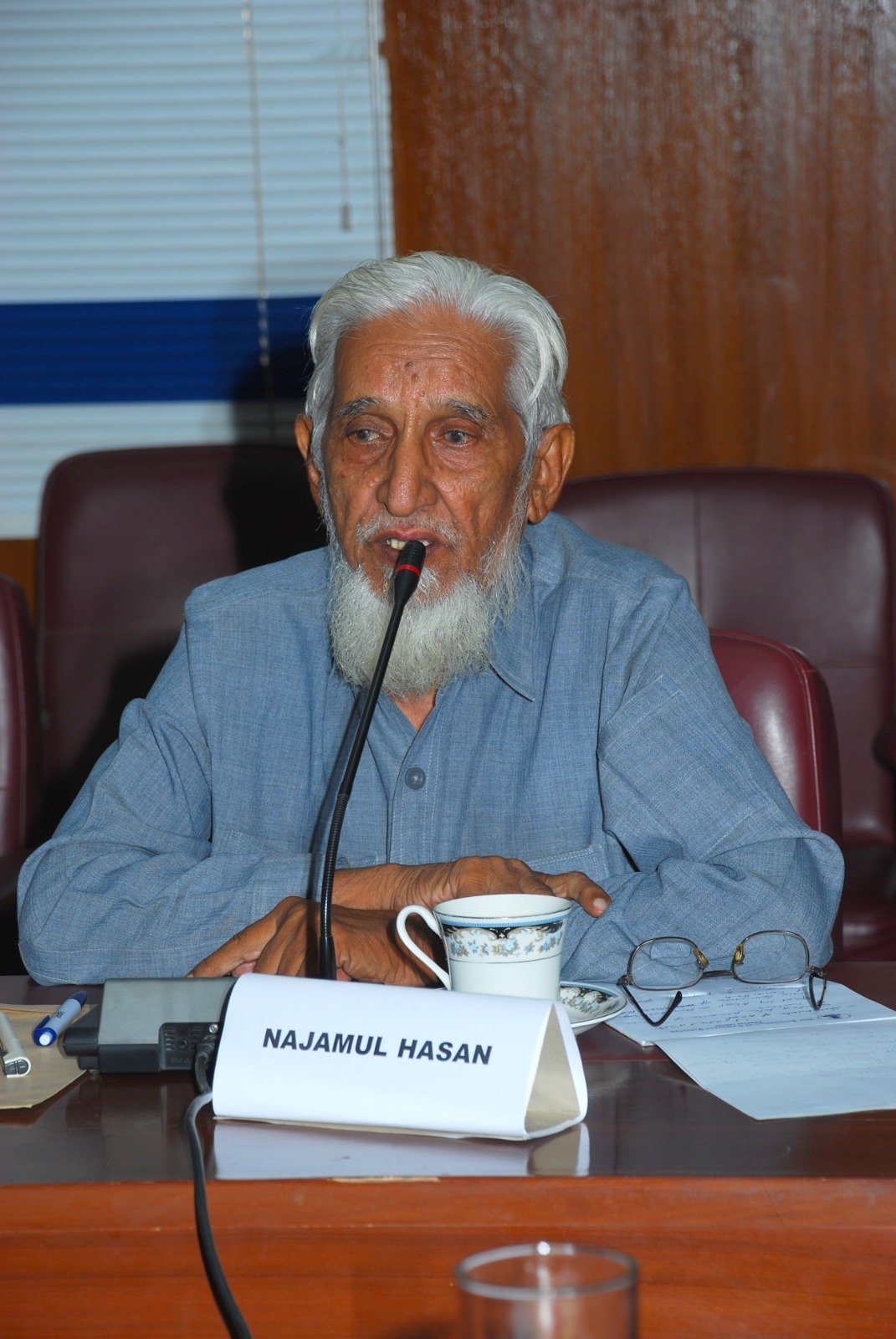
The interesting thing, however, was that the discussion was taking place not in a political party office, but in the office of an engineering magazine — and the two men engaged in that fiery exchange were Mr. Najamul Hasan, the Managing Editor, and Mr. Riazul Hasan, the Editor of Engineering Review.
At that time, I had no idea that both men were ethnically Punjabi. But even more surprising was hearing them advocate for equal development across all regions of Pakistan, transcending provincial identities — something rarely heard back then.
I had originally come there for another purpose altogether. But before I even met them, I realized that my visit had already been worthwhile.
A short while later, I was called in. I went in and sat before Mr. Najamul Hasan. “Sir, I’m a student at DCET,” I began, almost breathlessly. “I’ve heard that you offer scholarships to bright students — that’s why I’ve come.” “Oh, yes,” he replied kindly. “We do try to help where we can. Do you have your marksheet with you?” After I showed my marksheet and went through a brief personal interview, Engineering Review promised me a monthly stipend of Rs. 300.
At that moment, I had no idea that the two men I had just met — and the organization they led — would leave such a lasting impression on my life. Their values, their seriousness of purpose, and their quiet belief in nurturing young minds would remain etched in my memory forever.
Their true worth — Najamul Hasan and Riazul Hasan — became clear to me about ten years later, when I began working at Engineering Review as a reporter. While I was working at the Daily Barsat, a senior journalist, Javed Rafiq — who worked with Yousuf Shaheen’s English paper Sindh Tribune — suggested that I start reporting with Engineering Review. The very next morning, after ten years, I walked once again into the Engineering Review office.
I met Editor Riazul Hasan and told him I wanted to work as a reporter. He handed me a piece of paper and a pencil and asked me to file a story about a railway accident near Sangi Railway Station. It was one of the deadliest railway accidents in Pakistan’s history, with enormous loss of life and property. I don’t know how much Riaz Sahib liked my story, but he expressed his willingness to include me in his reporting staff. That’s how my career in engineering journalism began.
Thanks to Riaz Sahib’s editorial skill and Najam Sahib’s strategic planning, we were able to break many important stories — often ahead of the morning newspapers. Becoming a good engineering journalist is one thing, but what impressed me even more was the human face of this small institution as it evolved before my eyes.
I saw honesty and humanism in practice at Engineering Review. Najamul Hasan wrote later, in his autobiography, about his desire for a comfortable life, but I saw him live his convictions every single day. If anyone ever truly earned their reward from the magazine’s earnings, it was Najam and Riaz.
In Pakistan, many institutions run according to the whims of wealthy patrons; the boss’s word is treated as law. Yet these two ran an inclusive, modern institution — without arrogance, without authoritarianism. I have never seen anyone observe and follow details as meticulously as Najamul Hasan. The little skill I have for thinking and writing ideas, I owe entirely to him.
The way he trained the sales and marketing teams was remarkable — almost unmatched. That is why many who once worked in Engineering Review’s editorial and marketing sections later went on to hold key positions in other organizations.
Many left to launch their own magazines and publications. For instance, Aftab Iraqi worked about fifteen years and later launched Engineering & Industrial Review (EIR). Zeeshan Haider, a sales and marketing executive from Lahore, after twenty years, started Engineering Post. Ch. Gulzar, after twelve years here, launched Constructor. Another colleague from Lahore began Industrial Affairs.
This spirit of independence and enterprise — nurtured by Engineering Review — was a legacy of Najamul Hasan’s mentorship.
Yes, some of those publications survived while others didn’t, but none could rival the foundational strength of Engineering Review. Its core remained unchanged — authentic news that drives business and shapes the engineering landscape.
And when the time came, the legacy of Najamul Hasan fell into worthy hands — those of his son, Syed Muhammad Salahuddin. Taking over his father’s seat, Salahuddin soon faced the same kind of storms his father had weathered decades earlier. Pakistan’s fragile economy and, later, the COVID-19 pandemic seemed to echo those early years of struggle for Engineering Review. Yet, like his father, he never lost sight of the path laid before him — resilience, integrity, and an unshakable faith in hard work. He remembered what Najam Sahib had done, how he had endured, and what principles had guided him through hardship. Through these testing times, Salahuddin carried forward that same torch, ensuring that Engineering Review continued to stand tall — not just as a magazine, but as a living institution of credibility, courage, and continuity.
It’s not necessary to mention that because I was Riaz Sahib’s reporter, I later broke many stories while working for The Frontier Post in Peshawar and Lahore. I respected him so deeply that when I was later offered the position of Editor, I accepted only on one condition — as long as Riaz Sahib was alive, he would remain the Editor, and I would continue doing the editorial work. Due to health issues, he gradually began spending more time at home.
Had these two giants come from wealthy families, today’s celebrated media figures would pale in comparison to them. Their influence was such that many people — from youth to old age — have remained part of Engineering Review’s journey.
Names like Waheed Ahmed, Raza Ur Rehman, Mansoor Hussain, Munawar Ali, Manzoor Shaikh, Farrukh Adil, and Iftikhar Chaudhry still appear in the old issues of Engineering Review — somewhere, in some byline, you will find them. (The author is the Editor of Engineering Review.)
OpenAI on Tuesday unveiled ChatGPT Atlas, a long-anticipated artificial intelligence-powered web browser built around its popular chatbot, in a direct challenge to Google Chrome’s dominance.
The launch marks OpenAI’s latest move to capitalize on 800 million weekly active ChatGPT users, as it expands into more aspects of users’ online lives by collecting data about consumers’ browser behavior. It could accelerate a broader shift toward AI-driven search, as users increasingly turn to conversational tools that synthesize information instead of relying on traditional keyword-based results from Google — intensifying competition between OpenAI and Google.
Shares of Alphabet (GOOGL.O), opens new tab, which owns the Chrome browser, were down 1.8% in afternoon trading.
Reuters earlier reported on OpenAI’s planned browser launch. It is the latest entrant in a crowded field of AI browsers, which includes Perplexity’s Comet, Brave Browser and Opera’s Neon, as companies race to weave in tools that can summarize pages, fill out forms and draft code to attract users.
Atlas lets users open a ChatGPT sidebar in any window to summarize content, compare products or analyze data from any site. In “agent mode,” now available to paid users, ChatGPT can interact with websites on their behalf — completing tasks from start to finish, such as researching and shopping for a trip. – Courtesy Reuters
Federal Minister for Maritime Affairs Muhammad Junaid Anwar Chaudhry has unveiled an ambitious plan to revive the long-dormant Pakistan Steel Mills (PSM) through advanced technology and a landmark maritime-industrial partnership with the Ministry of Industries and Production.
The minister presented the concept during a high-level meeting with Special Assistant to the Prime Minister on Industries and Production Haroon Akhtar Khan, held at the Ministry of Maritime Affairs. The meeting was also attended by senior officials from both ministries and representatives of leading Chinese maritime enterprises.
At the centre of the proposal is the establishment of Pakistan’s first “Sea to Steel Green Maritime Industrial Corridor” at Port Qasim, envisioned as a transformative model integrating ship recycling, green steel manufacturing, and sustainable industrial practices into a unified ecosystem.
“This initiative has the potential to reshape Pakistan’s industrial and maritime future by linking the steel and shipping sectors through environmentally responsible practices,” the minister said.
Pakistan currently imports around $6 billion worth of steel annually, with demand projected to grow by nearly 6% each year through 2035, according to a World Bank report. The proposed corridor could reduce steel imports by up to 20%, saving the economy over $13 billion over the next decade, the minister noted.
A key component of the plan is the revival of the Iron Ore and Coal Berth (IOCB) at Port Qasim — inactive since 2015 — to be transformed into a modern ship recycling and repair complex equipped with a floating dock capable of servicing Aframax-class vessels.
Chaudhry explained that steel recovered from dismantled ships would be supplied to PSM or reprocessed at a new steel facility near Port Qasim to produce high-grade industrial steel. This approach, he said, would reduce dependence on imported raw materials, conserve foreign exchange, and revitalize domestic steel and shipbuilding industries.
The minister also highlighted potential benefits for the Pakistan National Shipping Corporation (PNSC), which currently relies on foreign shipyards for maintenance. The development of local repair capacity, he said, would lower operational costs and strengthen Pakistan’s maritime infrastructure.
Special Assistant Haroon Akhtar Khan welcomed the proposal and called for enhanced inter-ministerial coordination.
“We must work together for Pakistan’s economic growth and the welfare of our people,” he remarked, expressing confidence in the project’s transformative potential.
Commodore (R) Muhammad Jawad Akhtar, Technical Advisor Maritime at the ministry, described the corridor as a practical manifestation of the government’s Blue Economy vision.
“The Sea to Steel Green Corridor represents an integrated model of sustainable ship recycling, green steel production, and maritime industrialization,” he said, adding that the project would attract investment, create jobs, and promote technology transfer.
Minister Chaudhry concluded that the initiative reflects a strategic alignment of maritime trade, industrial growth, and environmental sustainability. He said the plan would reactivate idle national assets, generate thousands of skilled jobs, and drive regional economic growth.
“This is about building a self-sustaining maritime-industrial ecosystem that strengthens the national economy,” he emphasized.
The meeting ended with an agreement to finalize the project’s financial and technical frameworks in collaboration with national agencies and international partners. A formal presentation to key stakeholders is expected in the coming weeks. – ER News Desk
READ MORE STORIES
The human use of engineering is to apply scientific knowledge to create solutions that improve lives and advance society.