Category: Featured

  • PEC Expands Graduate Engineer Trainee Program with 15 New MoUs in Karachi

    PEC Expands Graduate Engineer Trainee Program with 15 New MoUs in Karachi

    Previously, PEC had entered into partnerships with 14 leading organizations in Islamabad, bringing the total number of partner organizations under the GET Placement Program to 29. The program was launched under the leadership of PEC Chairman Engr. Waseem Nazir as part of the Council’s broader effort to modernize engineering education and professional development in Pakistan.

    Chairman PEC, Engr. Waseem Nazir

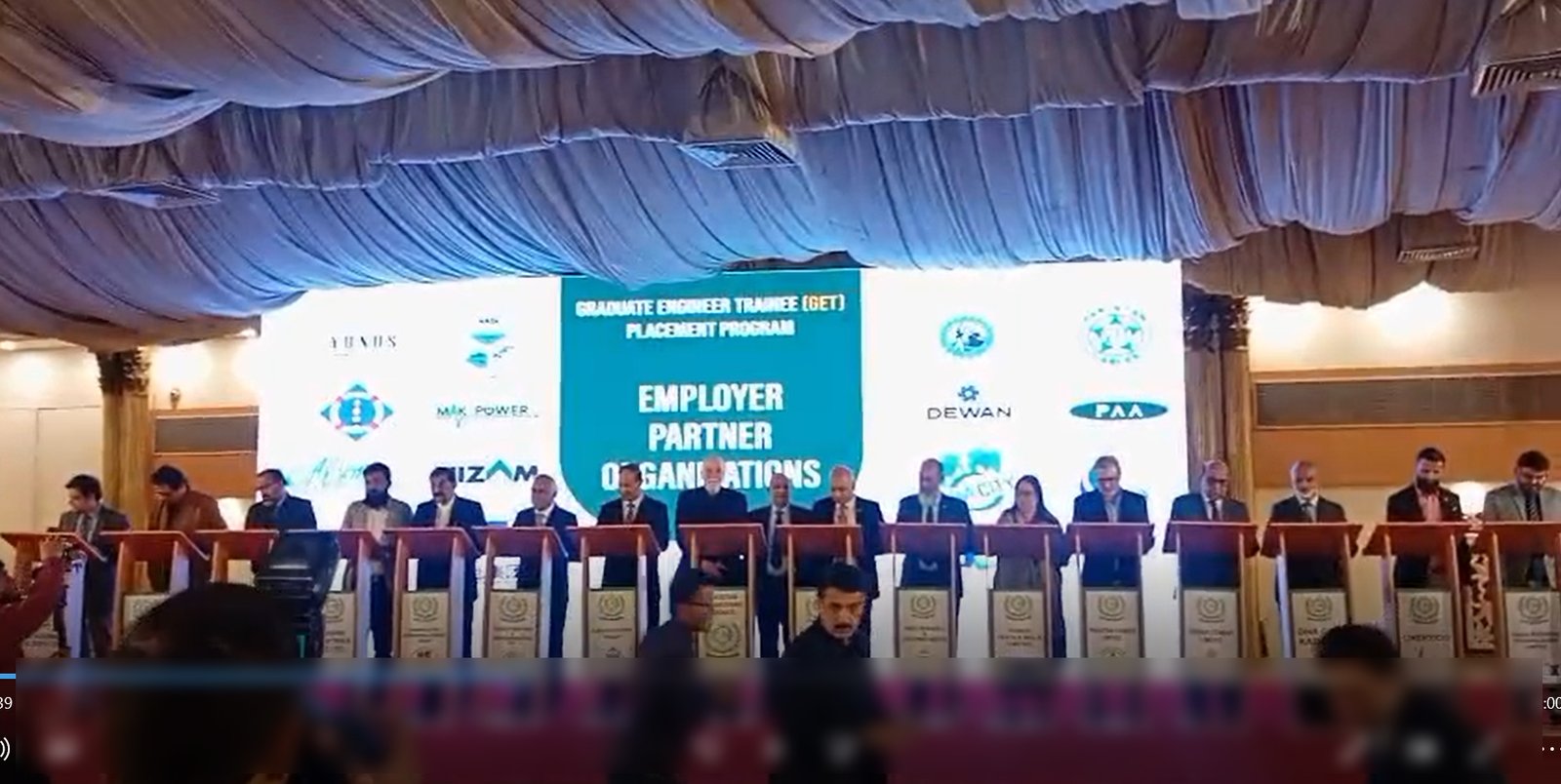
    The MoU signing ceremony was held at a local hotel in Karachi and was led by Chairman PEC Engr. Waseem Nazir along with his team. Former PEC Chairman Engr. Qadir Shah, senior engineers, and representatives of the partner organizations were also present at the event.

    GET Partners’ Views

    Often described as a “house job for engineers,” the GET Placement Program is designed to bridge the long-standing gap between academic learning and industry requirements by providing structured, hands-on professional training to fresh engineering graduates.

    The newly signed partner organizations include Yunus Textile Mills Limited, Karachi Shipyard & Engineering Works Ltd., Karachi Port Trust (KPT), Pakistan Airports Authority, Pakistan Cables Limited, Pakistan Machine Tool Factory, Naval Research & Development Institute, Inbox Business Technologies Limited, Harbin Electric International, Dewan Cement Limited, Alsons Industries (Pvt.) Ltd., Cynergico, DHA City Karachi, H. Nizam Din & Sons Ltd., and MAK Power International (Pvt.) Ltd.

    Engr. Waseem Nazir with GET partners

    Engineering graduates and professionals have long emphasized the need for such a structured training mechanism, noting that academic qualifications alone are insufficient to prepare young engineers for real-world challenges. The GET Program addresses this concern through a six-month training cycle, comprising five months of on-the-job field exposure and one month dedicated to soft skills development, mirroring the house-job model successfully implemented in the medical profession.

    Addressing the ceremony, Chairman PEC Engr. Waseem Nazir said the initiative would enable graduates to transition smoothly from classroom theory to workplace practice.

    “This program is about turning knowledge into competence,” he said. “Our goal is to produce industry-ready engineers who are confident, skilled, and capable of contributing effectively to Pakistan’s national development.”

    He added that similar partnerships have already been established in other parts of the country and that PEC plans to further expand the program nationwide.

    Representatives of the partner organizations welcomed PEC’s renewed focus on practical training, describing the GET initiative as a timely and forward-looking effort to align academic output with industry needs. They stressed that Pakistan’s industrial and economic growth depends on engineers who are not only theoretically sound but also technically proficient and adaptable.

    One industry representative remarked that programs like GET could “reshape the professional culture of engineering in Pakistan,” provided the process remains transparent, consistent, and results-oriented.

    For the thousands of young engineers entering an increasingly competitive job market each year, the Graduate Engineer Trainee Program represents both an opportunity and a challenge. If implemented effectively, it has the potential to become a sustainable national model for professional development—where education meets application and potential is transformed into performance. – ER

  • PPL Appoints CFO Mohammad Khalid Rehman as Interim CEO

    PPL Appoints CFO Mohammad Khalid Rehman as Interim CEO

    According to the notice issued pursuant to Rule 5.6.1 of the Stock Exchange Rules, the decision was taken at the Board meeting held on January 9, 2026. Mr. Rehman will assume the additional role of CEO/Managing Director alongside his existing responsibilities as CFO, with effect from January 10, 2026.

    The appointment has been made as an interim arrangement for a period of three months or until the appointment of a regular CEO of the company, whichever is earlier. He replaces Mr. Sikandar Ali Memon, who has ceased to hold the office.

    PPL stated that the interim appointment is aimed at ensuring continuity in leadership and smooth management of the company’s operations during the transition period. – ER News Desk

  • Pakistan Inaugurates First HKC-Certified Ship Recycling Facility

    Pakistan Inaugurates First HKC-Certified Ship Recycling Facility

    Federal Minister for Maritime Affairs Muhammad Junaid Anwar Chaudhry inaugurated the facility at the Prime Green Recycling Yard, describing the certification as a historic achievement for a sector long associated with safety and environmental concerns. Addressing the ceremony, he said the milestone reflected Pakistan’s growing alignment with global maritime and environmental standards.

    “This is a historic achievement for Pakistan’s maritime sector,” the minister said. “The success of the Prime Green Recycling Yard is a matter of national pride and a clear indication that Pakistan is now meeting international benchmarks for environmentally responsible ship recycling.”

    The Hong Kong International Convention, adopted under the International Maritime Organization (IMO), establishes strict standards for the safe and environmentally sound recycling of ships, covering hazardous materials management, worker safety, and waste disposal. The certification signifies that Pakistan’s ship recycling practices now comply with these global requirements.

    Junaid Chaudhry noted that reforms initiated by the Ministry of Maritime Affairs were translating into tangible results, adding that Pakistan was steadily emerging as a responsible player in the global ship recycling industry. He termed the certification “a golden chapter” in the country’s maritime history.

    Ship recycling remains a key industry in Pakistan, particularly in Gadani, Balochistan, which was once among the world’s largest ship recycling hubs. The minister said the government was actively working to modernise the Gadani Ship Recycling Zone through infrastructure upgrades, regulatory reforms, and stronger oversight mechanisms.

    Emphasising worker welfare, he said ensuring the safety and health of ship recycling workers would remain a top priority as the industry transitions toward cleaner and safer operational standards. Enhanced safety protocols, he added, would be enforced across the sector.

    The minister also acknowledged the role of the Pakistan Ship Breakers Association in organising and formalising the industry, stressing that close collaboration between the public and private sectors was essential for sustainable growth.

    Highlighting the economic potential of the sector, Junaid Chaudhry said a modern and responsible ship recycling industry could generate thousands of jobs, conserve valuable foreign exchange, and support domestic industries by supplying locally sourced steel and materials.

    “With a sustainable and responsible approach, ship recycling can become a major contributor to Pakistan’s economic growth,” he said. “It will reduce dependence on imports and strengthen the country’s industrial base.”

    Reaffirming the government’s commitment to maritime development, the minister said continued policy support and investment would help position Pakistan as a regional leader in safe and sustainable maritime activities. He added that the HKC certification marked the beginning of a broader reform agenda aimed at restoring confidence in Pakistan’s maritime sector and enhancing its global standing. – ER News Desk

  • NDMA Receives PMO Endorsement to Audit Public Infrastructure, Prepare 300-Day Monsoon Plan

    NDMA Receives PMO Endorsement to Audit Public Infrastructure, Prepare 300-Day Monsoon Plan

    The National Disaster Management Authority (NDMA) has received formal endorsement from the Prime Minister’s Office to implement a nationwide audit of Pakistan’s public infrastructure and to develop a comprehensive 300-day preparedness and response plan for the 2026 monsoon season at both federal and provincial levels.

    In line with this mandate, NDMA has been entrusted with reviewing and auditing vulnerable public infrastructure and buildings to strengthen national resilience against floods, earthquakes, and climate-induced disasters. To advance the initiative, NDMA convened the National Seminar on the Infrastructure Audit Program – 2026 at the National Emergencies Operations Center (NEOC) at its headquarters in Islamabad.

    During the seminar, NDMA presented the approved concept note outlining the national framework for the Infrastructure Audit Program, marking the official launch of a nationally mandated initiative. The program aims to enhance the safety, resilience, and long-term sustainability of public infrastructure through a preventive and risk-informed approach.

    Federal Minister for Housing and Works Mian Riaz Hussain Pirzada attended the seminar as chief guest. In his address, he noted that Pakistan has suffered heavy human and economic losses due to floods, earthquakes, and climate-related disasters, largely because of vulnerable and inadequately prepared infrastructure. He emphasized the urgent need to move away from reactive, post-disaster responses toward early identification of structural weaknesses and timely mitigation measures.

    Commending NDMA for launching the initiative, the minister said the Infrastructure Audit Program represents a paradigm shift from response to prevention and from assumptions to evidence-based decision-making. He added that systematic assessments of infrastructure health would help identify risks in critical buildings, protect public assets, and enable informed planning and investment. He reaffirmed the full support of the Ministry of Housing and Works for the program’s implementation.

    Chairman NDMA Lt Gen Inam Haider Malik said the seminar was aimed at initiating coordinated nationwide implementation of the Infrastructure Audit Program – 2026 by bringing federal and provincial stakeholders onto a single platform. He explained that the focus was on building a shared understanding of the audit framework, clarifying roles and responsibilities, and aligning strategies and timelines to ensure systematic assessment and strengthening of critical infrastructure across the country.

    Participants were briefed on the program’s scope, rationale, and phased implementation plan, including the prioritization of high-occupancy and high-risk buildings, use of standardized audit methodologies such as visual inspections and non-destructive testing, development of digital reporting and decision-support systems, and integration of resilience indicators into infrastructure planning.

    The seminar was attended by senior federal and provincial officials, representatives of building control and development authorities, engineers, technical experts, academics, and development partners. It concluded with a collective commitment to jointly implement the Infrastructure Audit Program – 2026, finalize initial priorities and timelines, and translate the national vision of resilient infrastructure into concrete action, reaffirming Pakistan’s resolve to protect lives, safeguard public investments, and build safer, disaster-resilient communities. – ER News Desk

  • Pakistan Expressway N-25 to Be Completed in Two Years: Aleem Khan

    Pakistan Expressway N-25 to Be Completed in Two Years: Aleem Khan

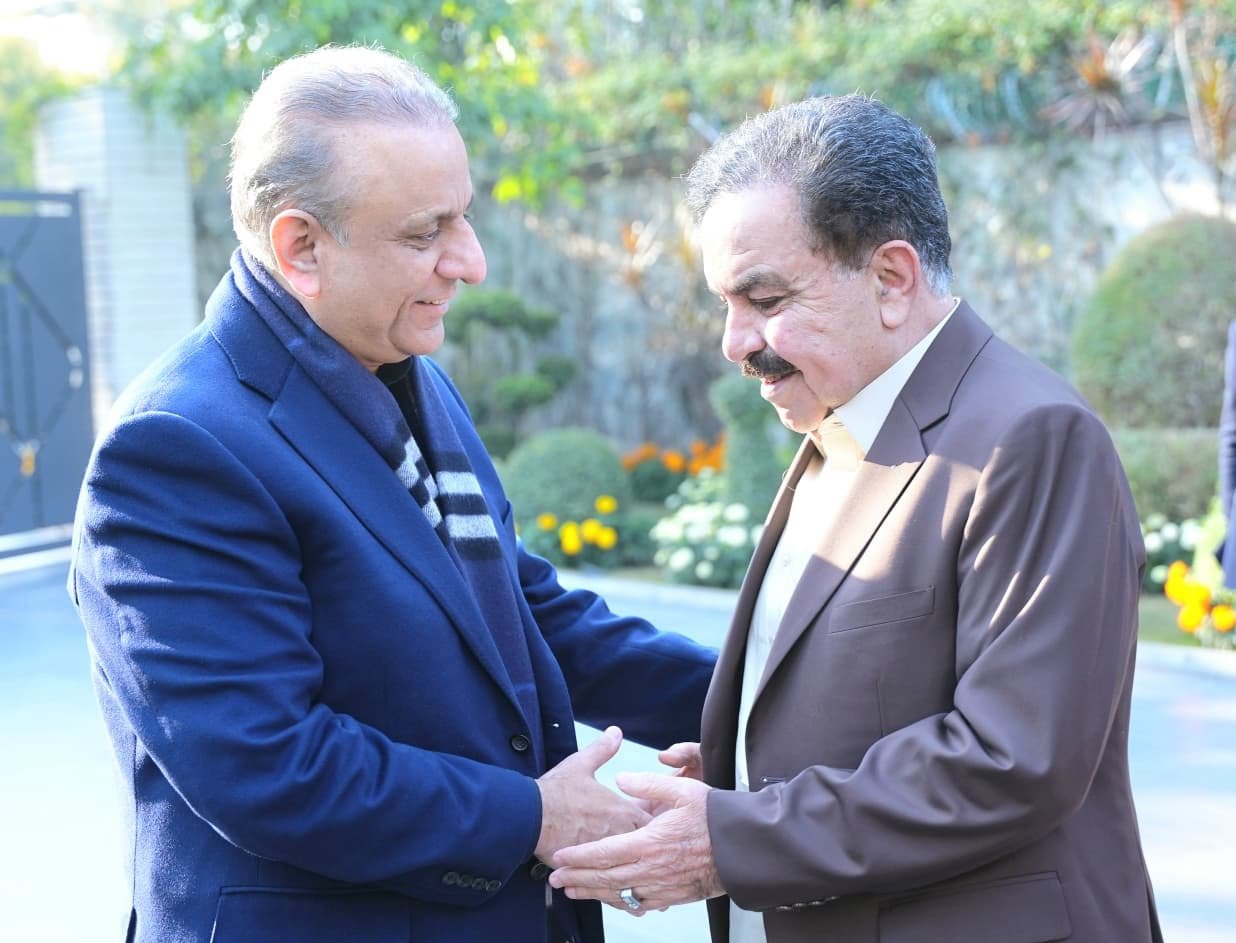
    The minister made these remarks during a meeting with Balochistan Governor Jaffar Khan Mandokhail, who called on him in Islamabad.

    During the meeting, both leaders discussed issues of mutual interest as well as the prevailing political situation in the country. Abdul Aleem Khan said that the construction, rehabilitation and upgradation of highways in Balochistan remain a top priority for the NHA. He added that despite security challenges, the authority continues to actively pursue development projects across the province.

    The federal minister reaffirmed that the N-25 Pakistan Expressway is being constructed to international standards and that quality and transparency will be ensured throughout the project. He stressed that the expressway will significantly improve connectivity and facilitate economic activity in Balochistan.

    Governor Jaffar Khan Mandokhail briefed the minister on various NHA-related matters, for which Abdul Aleem Khan assured early resolution. The governor also extended an invitation to the federal minister to visit Quetta, which was warmly received. – ER News Desk

  • 18,000 Indigenous Trees to Be Planted in Islamabad in Partnership with OGDCL

    18,000 Indigenous Trees to Be Planted in Islamabad in Partnership with OGDCL

    The initiative is part of a broader reforestation campaign launched to address the long-standing issue of seasonal pollen allergies in the Islamabad Capital Territory (ICT). The campaign was initiated following a directive from the Prime Minister of Pakistan, who declared the pollen crisis a priority public health concern. Under this decision, a total of 29,115 allergenic paper mulberry trees have so far been removed from the federal capital.

    The pollen management campaign was formally initiated in the last quarter of 2024 after a high-level meeting held on November 27, chaired by Minister of State for National Health Services, Regulations and Coordination Dr Mukhtar Ahmad Malik. The Capital Development Authority (CDA) was tasked with executing a comprehensive plan to remove invasive paper mulberry trees and submit regular progress reports.

    A scientifically approved three-step eradication process was adopted, involving cutting the trees, uprooting the entire root system, and refilling the soil to prevent regrowth. Authorities clarified that the operation exclusively targeted the invasive Broussonetia papyrifera (paper mulberry), and no indigenous or non-allergenic tree species were disturbed during the drive.

    The eradication campaign covered major green belts and urban sectors across Islamabad. Large-scale removal was carried out in F-9 Park, where 12,800 trees were removed, and Shakarparian, where 8,700 trees were cleared. Additional removals included 2,965 trees from G-10, G-11, F-10, F-11, D-12 and along Srinagar Highway, as well as 1,405 trees in G-8, 839 in G-9, 490 in F-8, 1,142 in H-8 and 534 in H-9.

    Following the completion of the removal phase, the campaign has transitioned into a long-term and sustainable reforestation strategy. Under government policy, three environment-friendly indigenous trees are being planted for every allergenic tree removed. So far, 40,000 large indigenous trees have already been planted at cleared sites, including fruit-bearing and pine species to promote ecological balance.

    The restoration drive has been further strengthened through public-private partnerships. MIRA Power Limited has contributed 3,000 indigenous saplings, while the Beaconhouse School System planted an additional 5,000 trees in the F-9 area. In Shakarparian, 81 acres of land across three sites have been levelled and prepared, with pit-digging currently underway ahead of the upcoming planting season. The entire project, from eradication to final replantation, is scheduled to be completed by the end of April 2026.

    Health data from the Allergy Center Islamabad indicates a marked improvement following the campaign. The number of patients receiving pollen allergy vaccinations has declined steadily, from 16,250 in 2023 to 14,747 in 2024, and further to 12,449 by the end of 2025—reflecting an overall reduction of 23 percent in two years. The most significant impact was recorded in late 2025, when monthly cases dropped to 512 in November and 519 in December, compared to over 1,100 cases in the corresponding months of 2023.

    Officials say the figures clearly demonstrate that the government’s decisive action against allergenic trees has contributed to cleaner air, improved public health, and a greener, more sustainable future for the residents of Islamabad. – ER News Desk

  • Sindh CM Approves Karachi Transformation Plan in Partnership with FWO

    Sindh CM Approves Karachi Transformation Plan in Partnership with FWO

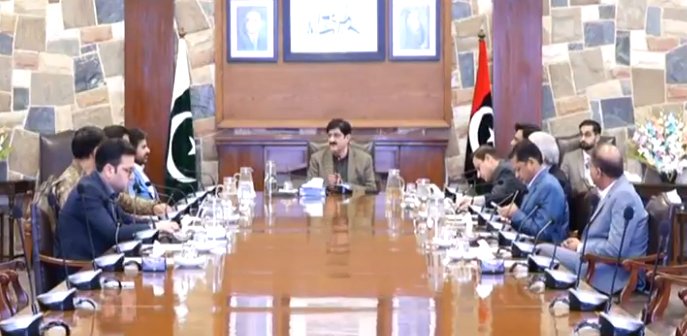
    The approval was granted during a joint meeting of the FWO, the Local Government Department, and the Karachi Metropolitan Corporation (KMC) held at the CM House in Karachi. The meeting was attended by Local Government Minister Nasir Hussain Shah, Chief Secretary Sindh Asif Hyder Shah, Karachi Mayor Barrister Murtaza Wahab, Principal Secretary to the CM Agha Wasif, Karachi Commissioner Hassan Naqvi, and Finance Secretary Fayaz Jatoi. The FWO delegation was led by its Director General, Major General Abdul Sami.

    At the outset, the chief minister announced a one-time grant-in-aid of Rs84.796 billion for 523 development schemes in Karachi, adding that Rs26.282 billion has also been approved under the Federal Public Sector Development Programme (PSDP) for Karachi-related projects.

    “I want to initiate development projects in partnership with FWO to ensure quality, speed, and transparency,” CM Murad said, stressing that all mega and major projects must meet international planning and design standards. “Karachi’s development should be on par with the world’s best cities,” he added.

    The chief minister informed the meeting that six priority infrastructure projects worth Rs10.72 billion have been identified for immediate execution to address traffic congestion, improve connectivity, and enhance urban mobility. These include rehabilitation of the road from M-9 to Malir-15 via Jinnah Avenue and Shahrah-e-Faisal at a cost of Rs1.025 billion; construction of a right-turn underpass at Malir Halt costing Rs1.5 billion; and construction of a flyover from Airport Road to Star Gate, Shahrah-e-Faisal, at a cost of Rs1.2 billion.

    Other projects include rehabilitation of the road from Y-Junction to Machli Chowk in Hawksbay, including damaged sections from Masroor Base to the Truck Stand, costing Rs1.995 billion, and construction of a flyover at Sohrab Goth for Rs5 billion to improve intercity traffic flow.

    Briefing the meeting, Local Government Minister Nasir Hussain Shah and Mayor Barrister Murtaza Wahab said Karachi, as Pakistan’s economic hub, faces serious structural, environmental, and civic challenges. To address these issues, 10 to 12 high-visibility development schemes are being identified, five of which have already been approved by the chief minister for early implementation.

    They added that the proposed portfolio of 523 schemes includes rehabilitation and reconstruction of damaged internal roads, traffic management improvements, upgrading of major arteries and flyovers, development of parks, and beautification of seven major roads. The main executing agencies will be KMC, KDA, Karachi Mega Schemes, and city government departments.

    The chief minister directed that FWO engineers, in coordination with local government and KMC officials, finalize designs and identify utility shifting requirements by the end of February so that construction work can begin in March. He reiterated the Sindh government’s commitment to transforming Karachi through sustainable, well-planned, and efficiently executed development initiatives.

    Keamari Road Project Launched

    Meanwhile, Karachi Mayor Barrister Murtaza Wahab laid the foundation stone of the Suparco Road rehabilitation project in Keamari district. Describing it as a major step toward improved urban infrastructure, the mayor said modern and sustainable development is essential for Karachi’s growth.

    The project is being constructed at an estimated cost of Rs56 million and includes installation of 48,000 square feet of paver blocks and 65,000 square feet of asphalt wearing course. The mayor said the project would significantly improve traffic flow and provide better facilities to residents, reaffirming that KMC will continue public welfare projects without discrimination. – ER News Desk

  • Zuma Resources Partners with Elysium Technologies in Global Travel e-SIM Market

    Zuma Resources Partners with Elysium Technologies in Global Travel e-SIM Market

    In line with its long-term growth strategy, the Company has transitioned its principal line of business from the textile sector to information technology. The new strategic focus encompasses IT investments, partnerships, and collaborations across a diversified portfolio of companies operating in information technology, AI-enabled services, electric vehicle (EV) technology, healthcare technology, e-commerce, and other emerging sectors.

    This strategic shift was approved by shareholders at the Annual General Meeting held on December 31, 2025, representing a pivotal transformation aimed at diversification, innovation, and sustainable growth.

    To support the commencement of operations under the new business model, the Company’s directors injected PKR 8.495 million into the Company up to December 31, 2025. In addition, Zuma Resources Limited appointed a new Chief Executive Officer, an MBA from LUMS with over 17 years of experience in the telecom and technology sectors, to steer the Company through its transformation phase.

    Further strengthening its operational footprint, the Company has established a new head office in DHA Phase-8, Lahore, and is in the process of opening an additional office in Islamabad.

    As part of its future-focused strategy, the Company is actively negotiating strategic arrangements with several high-growth companies for potential inclusion under its corporate umbrella. During the period, Zuma Resources Limited entered into a Memorandum of Understanding (MoU) with Elysium Technologies LLC, USA, for collaboration in the global travel e-SIM business. The partnership will provide access to an international digital marketplace covering more than 120 countries.

    Management expressed confidence that the shift from traditional textile operations to the information technology sector will significantly enhance revenue potential, strengthen operational resilience, and create sustainable long-term value for the Company and its shareholders. – ER News Desk

  • NHA, FWO Given 15 Days to Address Motorway Infrastructure Issues

    NHA, FWO Given 15 Days to Address Motorway Infrastructure Issues

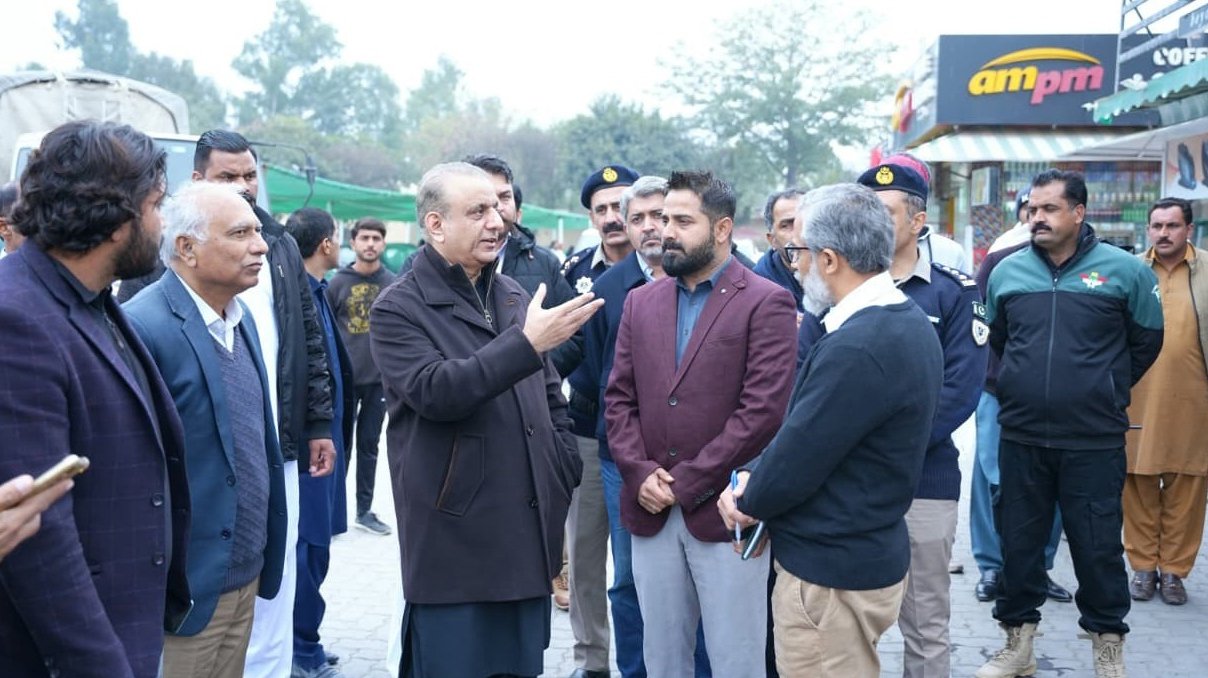
    He expressed these views while speaking to senior officers during his visit to the Lahore–Islamabad Motorway (M-2). The Federal Minister carried out a detailed inspection of various rest areas, including Sukhiki, Sial, and Bhera, and reviewed the facilities available on the M-2, such as tuck shops, mosques, washrooms, and overall infrastructure. Taking notice of deterioration and poor conditions, Abdul Aleem Khan issued instructions to the concerned authorities for immediate and effective remedial measures.

    He emphasized that data should be collected based on daily traffic volume to ensure that necessary actions are taken in line with actual requirements. He made it clear that the expansion, renovation, and modernization of rest areas on the M-2 in accordance with contemporary standards is essential. The Federal Minister stressed that the layout of shops at motorway rest areas should be uniform and that the availability of food items at officially notified prices must be ensured. He also directed the NHA to formulate a regular and sustainable plan specifically for motorway rest areas.

    During his visit, Federal Minister for Communications Abdul Aleem Khan received briefings from NHA and FWO officers, as well as the Motorway Police, on various administrative and service-related matters. At different locations, citizens and travelers interacted with the Federal Minister and expressed gratitude for the steps taken to improve travel facilities. At the Bhera Rest Area, an overseas Pakistani also met Abdul Aleem Khan and remarked that transport infrastructure in Pakistan is gradually improving. Citizens appreciated the recent improvements in the communications sector and thanked the Federal Minister for his initiatives. – ER News Desk

  • Hanif Abbasi Unveils Massive Overhaul of Pakistan Railways

    Hanif Abbasi Unveils Massive Overhaul of Pakistan Railways

    Addressing a press conference, the Federal Minister informed that the Asian Development Bank (ADB) has approved a USD 2 billion loan for the construction of a 480-kilometer new railway track between Karachi and Rohri, which will reduce travel time by at least five hours. The groundbreaking of the Karachi–Rohri project is expected in July 2026, and the project will be completed within two and a half to three years.

    Hanif Abbasi stated that under the Reko Diq project, work is underway on a 900-kilometer railway track from Rohri to Nokundi, which includes the construction of 500 kilometers of new track and the upgrading of 400 kilometers of existing track. Additionally, the 87-kilometer Nokundi–Taftan track has been included in the project to improve rail connectivity with Iran.

    He further said that a 54-kilometer People’s Train route is being launched in Balochistan at a cost of Rs 4 billion, while eight regional routes will be established in Punjab. Sindh and Punjab, along with Khyber Pakhtunkhwa, are being included in new railway development projects.

    The Federal Minister said that, for the first time, provinces have been offered the opportunity to operate branch lines. Punjab, Sindh, and Balochistan have already allocated funds, while consultations with the Khyber Pakhtunkhwa government are ongoing. He added that progress is being made on railway connectivity with Kazakhstan, Uzbekistan, and Iran, and that the Islamabad–Tehran–Istanbul railway service will be launched after obtaining security clearance.

    Hanif Abbasi informed that cleanliness and improvement work at Rawalpindi Railway Station has been completed. Three prime trains have already been upgraded, and more trains will be upgraded by June 30. He announced that by December 31, all major trains will be upgraded, featuring security cameras, Wi-Fi, hostesses, and modern dining cars. Wi-Fi routers have been installed at railway stations, and ticket booking has been enabled through the Rabta App.

    He further stated that a 1,700-kilometer fiber optic network is being laid, Karachi and Lahore railway stations are being made safer and more secure, and stickers similar to M-Tag will be installed on trains. Progress is also underway on a Rs 8.9 billion digital system agreement with FWO and a USD 85 million project with DP World at Pipri Yard.

    The Federal Minister said that 155 railway stations have been shifted to solar energy, and Pakistan Railways has achieved its highest-ever daily revenue of Rs 300 million. He added that, at the request of Punjab Chief Minister Maryam Nawaz and with the provision of funds, the Lahore–Rawalpindi new track project will reduce travel time to two and a half hours upon completion.

    He further stated that Pakistan Railways has set a target of achieving Rs 1 trillion in revenue by June 2026, and under the leadership of the Prime Minister, Pakistan Railways will be transformed into a modern, safe, and profitable organization.

    The Federal Minister also assured that the rights of all railway employees are fully protected. Railway hospitals and schools are being outsourced, all hospitals will be upgraded, and free medical treatment will be provided to railway employees at railway hospitals. Additionally, 14 running rooms are being further improved to facilitate railway staff. – PID/ERMD