Category: Featured

  • Sindh’s Post-Flood Housing Program a Global Model, Says Aseefa Bhutto Zardari

    Sindh’s Post-Flood Housing Program a Global Model, Says Aseefa Bhutto Zardari

    The forum, held at a local hotel, was attended by Sindh cabinet members, Chief Secretary Sindh Syed Asif Hyder Shah, senior officials, diplomats, representatives of international financial institutions, donor agencies, academia, civil society, and the private sector, making it the region’s largest gathering focused on housing and human settlements.

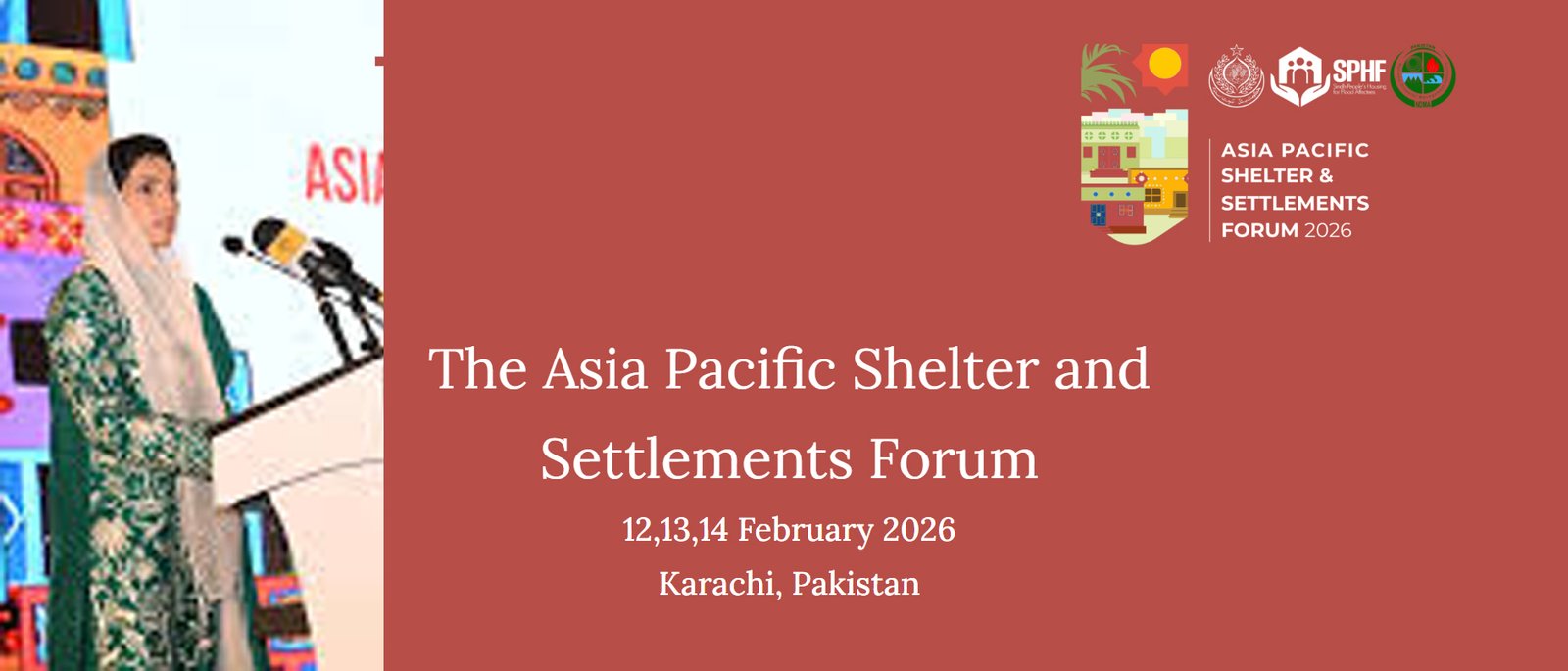
    In her presidential address, First Lady of Pakistan, Bibi Aseefa Bhutto Zardari, said safe shelter is not merely a structure but the foundation of dignity, security, and opportunity. Chief Minister Syed Murad Ali Shah said Sindh has demonstrated that large-scale recovery, social inclusion, and climate resilience can go hand in hand, citing the province’s housing initiative as a global benchmark.

    “Resilience is built with people, not for people. When communities are trusted and empowered, recovery becomes faster, stronger, and more sustainable,” the Chief Minister said.

    “Shelter is far more than a roof over one’s head. It is where families recover from loss, children feel secure enough to dream, and communities regain the strength to move forward,” the First Lady added, stressing that climate-resilient housing must be treated as a basic human right, especially in climate-vulnerable regions.

    Highlighting the widening impact of climate change, rapid urbanization, and inequality across the Asia-Pacific region, Bibi Aseefa noted that insecure housing disproportionately affects women and children. She emphasized that placing women at the center of housing ownership creates long-term social and economic stability for entire communities.

    World’s Largest Post-Disaster Housing Effort
    The Chief Minister detailed the Sindh People’s Housing for Flood Affectees (SPHF) program, launched after the devastating 2022 floods that submerged nearly 70 percent of the province and damaged over 2.1 million homes. He described it as one of the largest post-disaster housing reconstruction programs in the world, aimed at building over 2.1 million climate-resilient houses.

    He underscored that homes and land titles are being issued in women’s names, promoting ownership, dignity, and financial inclusion. The program has drawn global recognition, including a recent visit by World Bank President Ajay Banga to SPHF sites in Larkana.

    “Everywhere we went, affected families made only one demand: give us our homes back,” he recalled.
    Murad Ali Shah said the initiative was made possible through the vision of Chairman Bilawal Bhutto Zardari, who pushed for rebuilding homes despite severe financial constraints. Within a week of initial planning, the World Bank pledged support, followed by commitments from multiple partners at a global donors’ conference.
    He informed participants that over 700,000 houses have been completed, while construction continues at scale.

    Administrative and Technical Engagement
    Welcoming delegates, Chief Secretary Syed Asif Hyder Shah said the forum aimed to develop a practical roadmap to address climate-driven housing challenges. Field visits have also been planned to provide firsthand insight into recovery efforts.
    SPHF CEO Khalid Shaikh shared that around 750,000 houses have been completed, over 1.5 million are under construction, and 1.5 million bank accounts have been opened for beneficiaries, most of them women.

    International Endorsements
    World Bank Country Director Bolormaa Amgaabazar praised Sindh’s efforts, calling the forum a vital platform for global dialogue on shelter and resilience. She noted that millions opened bank accounts and secured land ownership for the first time under the program.

    ADB Deputy Country Director Asad Aleem emphasized the need to integrate housing with water, sanitation, and hygiene (WASH) facilities and reaffirmed ADB’s continued support over the next three years.

    IsDB Regional Director Saleh Jlassi joined via video link, while EU representative Jeroen Willems termed Sindh’s program well-planned and effective, announcing that the European Investment Bank would also support the initiative.

    Representatives from IOM, Habitat for Humanity, and Catholic Relief Services (CRS) highlighted Sindh’s recovery model as a beacon of hope for disaster-affected regions worldwide.

    A documentary featuring stories of flood survivors and the reconstruction journey was screened during the forum, underscoring the scale of devastation and the unprecedented recovery effort underway.
    The conference will continue with technical sessions and policy dialogues focused on translating commitments into actionable strategies to ensure safe, resilient, and dignified housing across the Asia-Pacific region. KARACHI: ER News Desk

  • FPCCI Welcomes 3% Cut in Export Refinance Facility, Calls It Lifeline for Exporters

    FPCCI Welcomes 3% Cut in Export Refinance Facility, Calls It Lifeline for Exporters

    He said the reduction addresses FPCCI’s long-standing demand to rationalize the cost of capital and lower the cost of doing business, particularly for manufacturers and exporters struggling with high financing costs.

    Atif Ikram Sheikh noted that the initiative currently falls within the existing ERF limit of Rs 1,052 billion, adding that the ceiling is designed to remain flexible and may be enhanced if the State Bank of Pakistan (SBP) or the Export-Import Bank of Pakistan (EXIM Bank) decide to increase the limit through June 2027.

    He termed the 300 basis point reduction more than a routine adjustment, calling it a direct boost to the competitiveness of Pakistan’s manufacturing and export sectors. With the revised ERF rate of 4.50 percent, he said Pakistani exporters would be better positioned to compete with regional economies such as Bangladesh and Vietnam, where exporters have long benefited from low-cost financing.

    The FPCCI president observed that the relief has come at a critical time when the private sector is actively supporting the government’s vision for economic recovery and export growth. He expressed optimism that the rate cut would encourage greater industrial borrowing.

    Highlighting the 57 percent increase in the SME borrower base during the last fiscal year, he said the reduced ERF rate would help sustain momentum for small exporters who are most vulnerable to high borrowing costs.

    Atif Ikram Sheikh further stated that FPCCI expects the reduction in financing cost to help push year-on-year export growth into positive territory, provided continued support is extended by the government and its institutions. He also appreciated the SBP’s role in facilitating exporters’ access to finance.

    Reaffirming FPCCI’s commitment to working closely with the government, he said the reduced ERF rate would serve as a cornerstone for economic stability and export growth in 2026 and beyond. – ER News Desk

  • SECP Registers 3,881 New Companies in January; Total Tally Reaches 283,540

    SECP Registers 3,881 New Companies in January; Total Tally Reaches 283,540

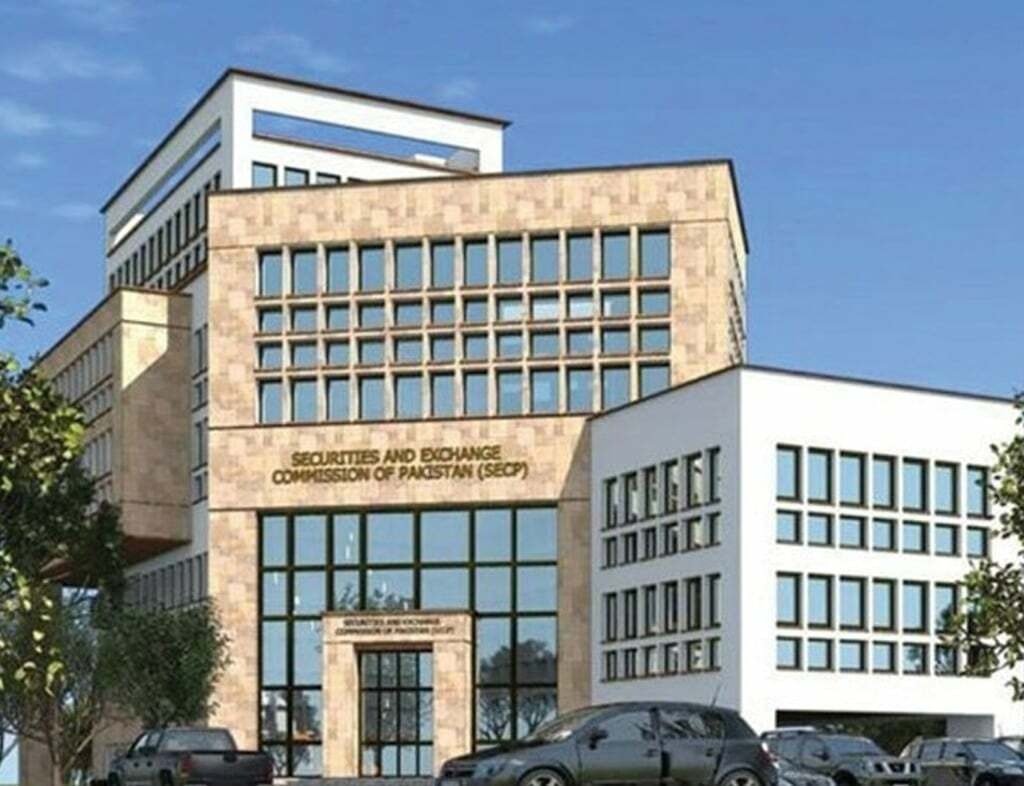
    According to the SECP, the newly incorporated firms brought in a cumulative paid-up capital of Rs 8.4 billion during the month. Notably, 99.9 percent of the registrations were completed online through the commission’s eZfile system, reflecting continued progress in digital facilitation.

    A total of 82 companies attracted foreign investment from investors belonging to a diverse range of countries, including China, the United States, Afghanistan, Australia, Turkey, the United Kingdom, Palau, South Africa, Albania, Denmark, Germany, Malaysia, South Korea, Spain, and Ukraine.

    In terms of company structure, private limited companies accounted for 59 percent of new registrations, while single-member companies made up 38 percent. The remaining 3 percent comprised public unlisted companies, not-for-profit organisations, and limited liability partnerships.

    Province-wise, Punjab led with 1,998 new companies (52 percent), followed by the Islamabad Capital Territory with 747 (19 percent), Sindh with 601 (15 percent), Khyber Pakhtunkhwa with 343 (9 percent), Gilgit-Baltistan with 127 (3 percent), and Balochistan with 65 (2 percent).

    Sector-wise, the Information Technology and e-commerce sectors topped the list with 729 new companies, followed by trading (613), services (494), and real estate development and construction (347).

    Other prominent sectors included tourism and transport (234), food and beverages (183), education (145), mining and quarrying (100), marketing and advertising (95), communications (83), textiles (77), corporate agricultural farming (75), pharmaceuticals (65), healthcare (62), engineering (60), fuel and energy (55), and auto and allied industries (45).

    An additional 419 companies were registered across other sectors such as chemicals, cosmetics and toiletries, cables and electrical goods, and paper and board. – ERMD

  • EDB to Formulate HVACR Policy with Industry Recommendations

    EDB to Formulate HVACR Policy with Industry Recommendations

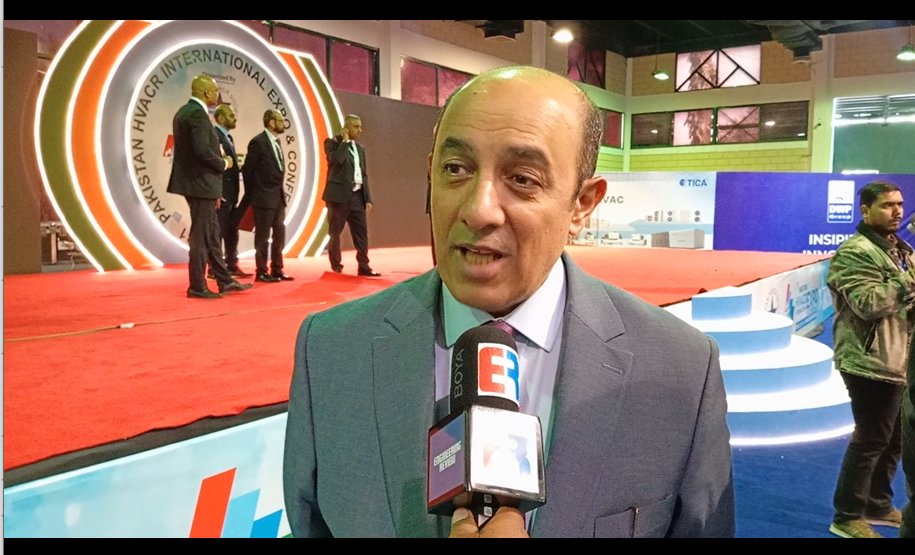
    Speaking to Engineering Review during the HVACR Conference and Exhibition 2026 held at the Expo Center Karachi, he said the sector has significant potential but needs better channelization and policy support. He added that he has invited the HVACR leadership to visit the EDB to present their recommendations.

    He said, “Pakistan is a growing economy, and it is encouraging to learn at this HVACR Conference that this is the fifth-largest exhibition in the country. It is a matter of pride and optimism. We have tremendous potential that needs to be properly channelized.

    “The Prime Minister of Pakistan, Shehbaz Sharif, and the Adviser to the Prime Minister, Haroon Akhtar, have given special instructions to facilitate industry in every possible way. I have invited the HVACR leadership to visit the Engineering Development Board in Islamabad and submit their recommendations so that we can develop a constructive and supportive policy for the sector.” – ER Report

  • ACEP’s Conference on Resilient Urban Infrastructure to Be Held Tomorrow (13 February)

    ACEP’s Conference on Resilient Urban Infrastructure to Be Held Tomorrow (13 February)

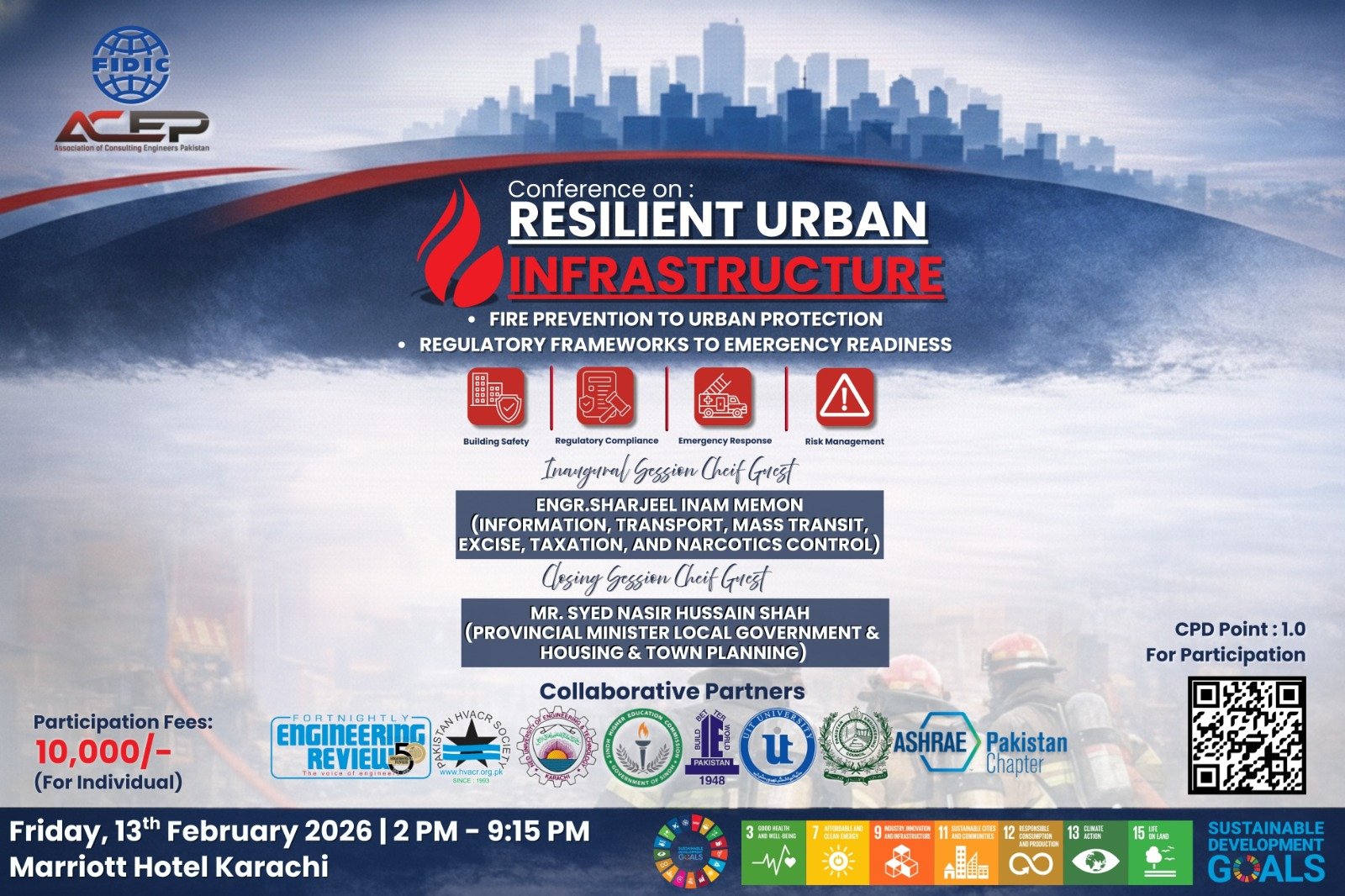
    The conference will revolve around critical themes including building safety, regulatory compliance, emergency response, and risk management, with a special focus on fire prevention and urban protection and strengthening regulatory frameworks for emergency readiness.

    This conference is being contemplated as one of the serious professional initiatives in the aftermath of the tragic Gul Plaza fire incident, where a large number of people lost their lives. The incident exposed a harsh reality of the city: thousands of buildings remain highly unsafe and ill-prepared to handle fire and other emergency situations.

    The event aims to bring together policymakers, engineers, regulators, and industry stakeholders to deliberate on practical solutions to prevent such tragedies in the future.

    Engr. Sharjeel Inam Memon, Minister for Information, Transport, Mass Transit, Excise, Taxation, and Narcotics Control, will grace the event as the Inaugural Session Chief Guest. Mr. Syed Nasir Hussain Shah, Provincial Minister for Local Government & Housing Town Planning, will attend as the Closing Session Chief Guest.

    A wide range of collaborative partners, including professional engineering bodies, academic institutions, and industry forums, are supporting the conference. The event also carries CPD Point: 1.0 for participating professionals.

    The organizers hope the conference will serve as a platform to initiate reforms, improve enforcement of building codes, and enhance coordination among departments responsible for urban safety and emergency management, aligning with the broader objectives of the UN Sustainable Development Goals (SDGs). – ER

  • Asia-Pacific Shelter and Settlements Forum 2026 to Kick Off on Feb 12, Convene Global Experts in Karachi

    Asia-Pacific Shelter and Settlements Forum 2026 to Kick Off on Feb 12, Convene Global Experts in Karachi

    Held under the theme “Scaling Inclusive, Climate-Resilient Homes and Communities in a Nexus-Driven New Humanitarian World,” the forum will feature 26 sessions and nearly 115 speakers. Participants include representatives from international organisations, shelter and settlement clusters, humanitarian agencies, climate and disaster risk experts, housing practitioners, and development partners.

    The inaugural session will include opening remarks by Syed Asif Hyder Shah, Chief Secretary, Government of Sindh; Bolormaa Amgaabazar, Country Director, World Bank; Asad Aleem, Deputy Country Director, ADB; and Salah Jelassi, Director, IsDB Group Regional Hub Türkiye.

    Day one will see addresses from Jeroen Willems, Head of Cooperation, EU Delegation to Pakistan; Pernille Ironside, UNICEF Representative; Mio Sato, Chief of Mission, IOM; Mia Marina, Habitat for Humanity; Sean Callahan, CRS; Lt. Gen. Inam Haider Malik, Chairman NDMA; and Khalid Mehmood Shaikh, CEO SPHF. Sindh Chief Minister Murad Ali Shah will deliver a special address, while the keynote will be presented by the Chief Guest, Her Excellency Ms. Aseefa Bhutto Zardari.

    The forum will deliberate on three major themes: climate-smart design and inclusive finance, sustainable systems for a climate-ready future, and inclusive governance for people-centred resilience.

    The closing ceremony on February 13 will include a conference recap, reflections by Najam Ahmed Shah, award distribution, and the handover for APSSF 2027–28, followed by a Sindh Heritage and Food Bazaar for international delegates.

    The Asia Pacific Shelter and Settlements Forum (APSSF) is a globally recognised platform that brings together government officials, international organisations, development partners, donors, regional leaders, Shelter and Settlements Clusters, and humanitarian actors. The Forum aims to strengthen coordination and collaboration while enabling the exchange of best practices, policies, and innovations in the Shelter and Settlements sector across the Asia Pacific region. – By Abdullah Solangi

  • Symmetry Group Acquires US-Based LogoDesignGuru to Strengthen Platform-Led Digital Capabilities

    Symmetry Group Acquires US-Based LogoDesignGuru to Strengthen Platform-Led Digital Capabilities

    LDG operates AI-powered design platforms, digital asset marketplaces, and hybrid design-service models that cater to an international customer base. The acquisition marks a significant step in Symmetry Group’s strategy to expand its global footprint while enhancing its platform-driven digital offerings.

    According to the company, LDG is expected to generate approximately USD 0.7 million (around PKR 200 million) in revenue during the current year and is already operating at a healthy level of profitability. Following the acquisition, Symmetry anticipates further improvement in earnings through cost optimization, operational efficiencies, and targeted revenue growth initiatives. Revenues are projected to grow at a strong year-on-year rate.

    The move reinforces Symmetry Group’s focus on scaling technology-enabled services and strengthening its presence in international digital markets through platform-led business models.

    The company stated that further details regarding the transaction and integration plans will be shared in due course. – ER News Desk

  • Indus AI Summit 2026 Concludes with $1 Billion AI Pledge and Islamabad Declaration

    Indus AI Summit 2026 Concludes with $1 Billion AI Pledge and Islamabad Declaration

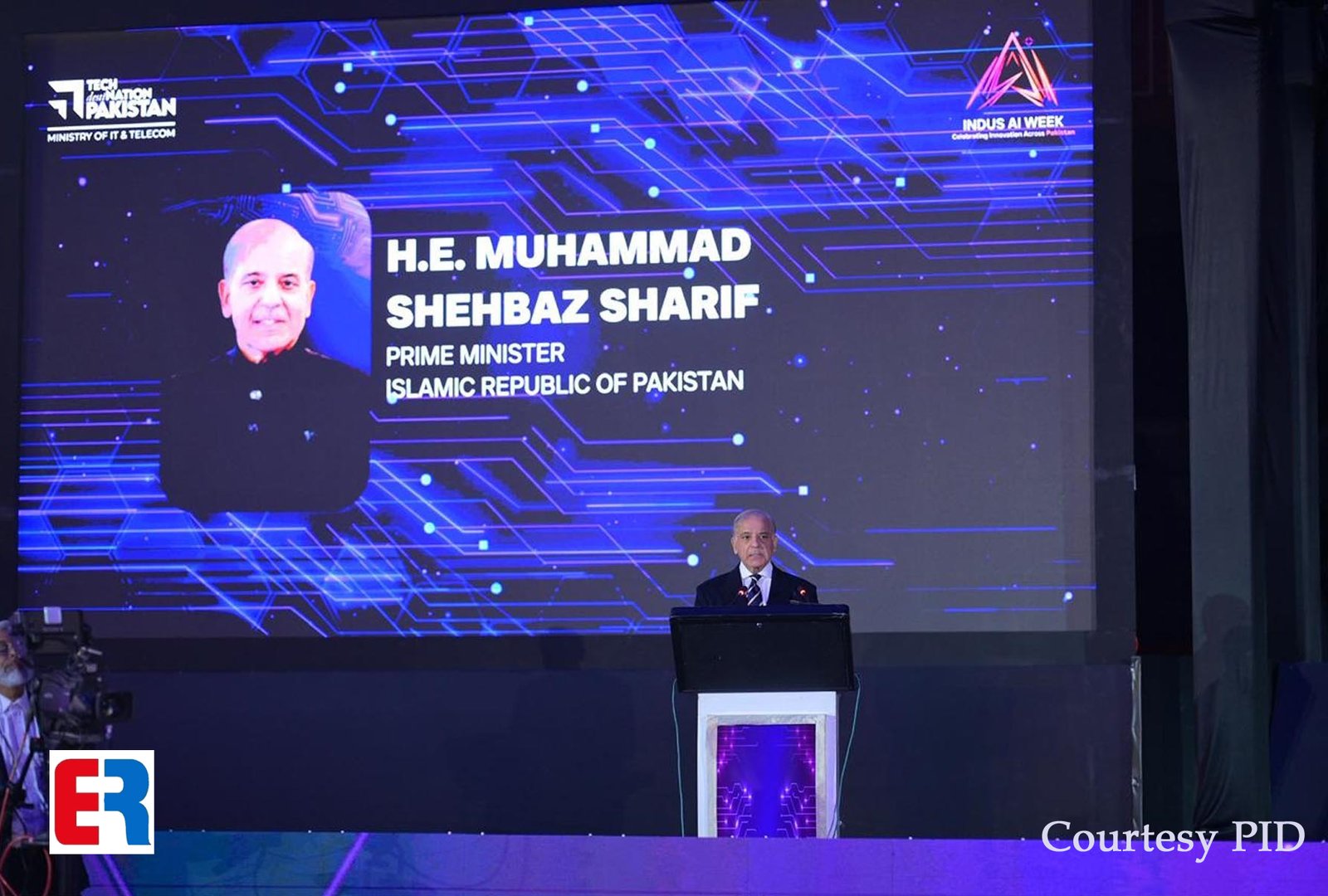
    Prime Minister Muhammad Shehbaz Sharif attended as Chief Guest alongside Federal Minister for IT Shaza Fatima Khawaja. In his address, the Prime Minister described artificial intelligence as central to national progress and announced a $1 billion government commitment to AI by 2030. The investment will fund sovereign compute infrastructure, research, and ecosystem development. He also announced 1,000 fully funded AI PhD scholarships, the introduction of AI curriculum in federal schools, and a plan to train one million non-IT professionals in AI skills.

    Federal Minister for Planning Ahsan Iqbal linked AI adoption to the “Uraan Pakistan” vision, stressing academia–industry integration for export growth and jobs. Minister Shaza Fatima highlighted ongoing digital reforms, including e-office adoption and high-performance computing foundations, and emphasized international partnerships.

    A key outcome was the Islamabad Declaration, outlining eight pillars for sovereign, ethical, and accountable AI governance, focused on data trust, public value, explainability, and a private-sector-led ecosystem.

    The summit featured international voices including Dr Aisha Bin Bishr, Türkiye’s Deputy Minister Muhammet Kasım Gönüllü, and experts from Canada, China, the UAE, and global tech firms. Dialogues covered AI governance, financing, data policy, and AI-native government design.

    With the summit concluded, activities now move to public engagement events at the Islamabad Sports Complex, as Indus AI Week continues nationwide through February 15, signaling Pakistan’s intent to become a regional AI leader. – ER News Desk/PID

  • Symmetry Group Approves PKR 1.25 Billion Investment to Expand Digital and AI Footprint

    Symmetry Group Approves PKR 1.25 Billion Investment to Expand Digital and AI Footprint

    According to the company’s disclosure, the approved plan includes the acquisition of a US-based technology firm and a strategic investment in a local AI and data-driven digital company. The move signals Symmetry’s intent to deepen its technological capabilities while expanding its international and domestic footprint in high-growth digital segments.

    The investment will also be directed toward scaling operational capacity, enabling the company to effectively execute recently secured long-term engagements. A portion of the funds will be allocated to enhancing technology infrastructure and meeting working capital requirements, with a clear focus on improving operational efficiency and profitability.

    Industry observers view this development as a significant step for Pakistan’s digital services landscape, where companies are increasingly investing in artificial intelligence, data analytics, and integrated digital solutions to meet evolving client demands in marketing technology, digital transformation, and customer experience management.

    Symmetry Group, known for its presence in digital media, marketing technology, and data-led solutions, has in recent years positioned itself at the intersection of technology, creativity, and analytics. The latest investment plan appears to align with this trajectory by bringing in advanced international expertise while simultaneously nurturing local AI-driven capabilities.

    The acquisition of a US-based technology firm is expected to provide Symmetry access to advanced platforms, technical talent, and global market linkages. Meanwhile, the strategic investment in a domestic AI and data company reflects growing confidence in Pakistan’s emerging tech ecosystem and the potential for locally developed solutions to scale regionally and globally.

    The company stated that further details regarding the investment plan will be communicated in due course.

    Analysts suggest that such investments not only strengthen corporate growth but also contribute to Pakistan’s broader digital economy by encouraging technology transfer, capacity building, and the development of indigenous AI and data competencies. – ER News Desk

  • Ministries Agree on Joint Action to Protect Pakistan’s Maritime Heritage

    Ministries Agree on Joint Action to Protect Pakistan’s Maritime Heritage

    The understanding was reached during a meeting where both ministers reviewed ongoing initiatives and discussed a framework for collaboration to ensure maritime heritage is documented, preserved, and integrated into national development strategies.

    Junaid Chaudhry noted that Pakistan’s 1,000-kilometre coastline along the Arabian Sea has historically connected South Asia with the wider Indian Ocean world. Historic ports, shipwrecks, lighthouses, navigational routes, and traditional fishing settlements reflect a rich maritime legacy that remains under-documented and vulnerable.

    “Our maritime heritage is not only a record of our past but a strategic asset for the future,” he said, adding that its preservation could support education, tourism, and the blue economy while strengthening national identity.

    Minister Khichi emphasized the role of cultural institutions, museums, and research bodies in documenting maritime history. He said his ministry would collaborate with maritime authorities to map coastal heritage sites, support archaeological surveys, and promote public awareness.

    The ministers discussed forming a joint working group to coordinate policies, share data, and develop conservation projects. They also stressed the need for stronger legal protections, improved monitoring, and capacity-building with support from universities and international partners.

    Both agreed to translate policy discussions into practical actions to protect Pakistan’s maritime heritage for future generations. – ER News Desk