Category: Featured

  • India sends navigation satellite into orbit on ISRO rocket in landmark launch

    India sends navigation satellite into orbit on ISRO rocket in landmark launch

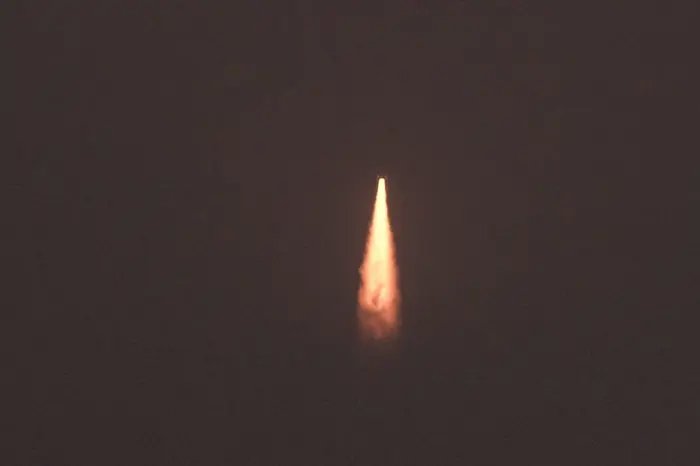
    The NVS-02 satellite lifted off from the Satish Dhawan Space Centre in Sriharikota about 6.23am IST (0053 GMT) aboard the GSLV-F15 rocket, marking the latest step in India’s efforts to expand its Navigation with Indian Constellation (NavIC) system.

    Designed to provide positioning services over India and surrounding regions, NavIC has been positioned by the country as India’s answer to the US Global Positioning System (GPS), China’s BeiDou, the European Galileo, and Russia’s GLONASS.

    Pakistan launches first home-made observation satellite

    The launch, ISRO’s 100th, comes as competition in space intensifies, with countries racing to expand satellite networks that power everything from defence operations to smartphone navigation and financial transactions.

    Jitendra Singh, India’s minister of Science and Technology said, “It’s a privilege to be associated with the Department of Space at the historic moment of this record feat.”

    In 2024, the United States led with 145 space launches, driven largely by SpaceX, while China followed with 68, according to industry data.

    India, historically a smaller player, is increasing its launch cadence, with ISRO planning 30 missions by March 2025.

  • UK-based Ali Khawaja named PM’s National Youth Council member

    UK-based Ali Khawaja named PM’s National Youth Council member

    He will represent the youth of overseas Pakistanis in the United Kingdom. Currently travelling to Pakistan, Khawaja has officially taken the oath by the Prime Minister Shehbaz Sharif on January 28, 2025, in Islamabad.

    This event marks the start of his term on the National Youth Council, where he will work to elevate the voices of young people, both within Pakistan and in the diaspora community.

    At the moment Ali Khawaja is the youngest Director of “The SK Hub”, founder of BusyBrians and he is also SK Hub’s Global Youth Ambassador.

    The SK Hub is UK based well reputed organization with a diverse business portfolio in education, technology, fashion academies, healthcare, research, real estate and business consulting. The SK Hub is following net zero strategy for their commitment towards the global environment impact.

    In his new role, Ali Khawaja is committed to promoting youth participation in governance, striving to create meaningful opportunities for young people to actively shape Pakistan’s future. His appointment highlights the growing significance of the overseas Pakistani diaspora in influencing national policies and fostering connections among youth worldwide.

  • Trump calls China’s DeepSeek AI leap a ‘wake-up call’ for US tech

    Trump calls China’s DeepSeek AI leap a ‘wake-up call’ for US tech

    US President Donald Trump has called Chinese AI start-up DeepSeek’s strong showing a “wake-up call” and “positive” for America’s tech sector, and also warned that he would slap tariffs on foreign-made semiconductor chips, including those made by Taiwan’s TSMC, if they do not start producing them stateside.

    “Today and over the last couple of days, I’ve been reading about China and some of the companies in China, one in particular, coming up with a faster method of AI and much less expensive method. And that’s good, because you don’t have to spend as much money. I view that as a positive, as an asset”, Trump told Republican lawmakers gathered at his Doral golf resort in Miami, Florida.

    American AI firms try to poke holes in disruptive DeepSeek

    He added: “The release of DeepSeek AI from a Chinese company, should be a wake up call for our industries, that we need to be laser focused on competing to win, because we have the greatest scientists in the world”.

    Trump also pledged during his remarks that under his administration “we’re going to unleash our tech companies, and we’re going to dominate the future like never before”, telling American tech firms that “you’ll be doing that too, so you won’t be spending as much, and you’ll get the same result”.

    DeepSeek’s AI reasoning model R1 was published fully open-source last week. The announcement sparked a sell-off in US tech stocks on Monday, with investors fearing that the new AI model could threaten the dominance of current leaders in the space.

    The market jitters were particularly severe for US semiconductor giant Nvidia, which saw a staggering US$592.7 billion drop in market value amid growing concerns over China’s rapidly advancing AI technology.
    According to DeepSeek, its latest AI model required less than US$6 million worth of Nvidia’s less advanced H800 chips. This breakthrough represents a significant challenge to US policy, which has relied on sanctions and export controls to limit China’s access to advanced technology.

    The H800 chips were introduced in November 2022 as a more affordable alternative for Nvidia’s Chinese customers, just a month after the US imposed its initial restrictions on exports of advanced microchips and equipment to China.
    Last year, the US also pressured Taiwan – home to the world’s largest chipmaker, Taiwan Semiconductor Manufacturing Company (TSMC) – to prevent the sale of its most advanced chips to mainland Chinese companies.
    TSMC has been constructing two plants in Arizona. The first, a $12 billion facility, was approved during Trump’s first term as US president in 2020, which his administration touted as a significant win, while the second plant was announced during President Joe Biden’s term in 2022.

    Biden approved nearly US$6 billion in subsidies under the Chips and Science Act, his signature initiative to bring chip manufacturing back to American soil.

    Speaking to CNBC a day before Trump’s inauguration, TSMC Chief Financial Officer Wendell Huang expressed confidence that the funding would continue to flow under Trump as the fabrication plants reached construction and production milestones.

    The first fabrication plant in Arizona started producing advanced chips in the fourth quarter of last year, Huang said in the interview. He added that the construction of two plants in Arizona was on track, with the second expected to be operational in 2028.

    On Monday, Trump suggested he might impose tariffs on Taiwan and end subsidies for its tech companies manufacturing in the US.

    Warning about the imposition of tariffs on semiconductor chips, Trump remarked: “They left us, and they went to Taiwan, which controls about 98 per cent of the chip business, by the way.”

    “We want them to come back, but we don’t want to give them billions of dollars like this ridiculous programme Biden’s offering. They already have billions of dollars,” Trump continued.

    “We don’t need to give them money. They’re going to come back because it’s in their interest to do so,” he said, calling the establishment of plants in the US the “only way” to avoid tariffs.

  • American AI firms try to poke holes in disruptive DeepSeek

    American AI firms try to poke holes in disruptive DeepSeek

    Chinese startup DeepSeek on Monday sparked a stock selloff and its free AI assistant overtook OpenAI’s ChatGPT atop Apple’s App Store in the U.S., harnessing a model it said it trained on Nvidia’s lower-capability H800 processor chips using under $6 million.

    As worries about competition reverberated across the U.S. stock market, some AI experts applauded DeepSeek’s strong team and up-to-date research but remained unfazed by the development, said people familiar with the thinking at four of the leading AI labs, who declined to be identified as they were not authorized to speak on the record.

    OpenAI CEO Sam Altman wrote on X that R1, one of several models DeepSeek released in recent weeks, “is an impressive model, particularly around what they’re able to deliver for the price.” Nvidia said in a statement DeepSeek’s achievement proved the need for more of its chips.

    Software maker Snowflake decided Monday to add DeepSeek models to its AI model marketplace after receiving a flurry of customer inquiries.

    With employees also calling DeepSeek’s models “amazing,” the U.S. software seller weighed the potential risks of hosting AI technology developed in China before ultimately deciding to offer it to clients, said Christian Kleinerman, Snowflake’s executive vice president of product.

    “We decided that as long as we are clear to customers, we see no issues supporting it,” he said.

    Meanwhile, U.S. AI developers are hurrying to analyze DeepSeek’s V3 model. DeepSeek in December published a research paper accompanying the model, the basis of its popular app, but many questions such as total development costs are not answered in the document.

    China has now leapfrogged from 18 months to six months behind state-of-the-art AI models developed in the U.S., one person said.

    Yet with DeepSeek’s free release strategy drumming up such excitement, the firm may soon find itself without enough chips to meet demand, this person predicted.

    DeepSeek’s strides did not flow solely from a $6 million shoestring budget, a tiny sum compared to $250 billion analysts estimate big U.S. cloud companies will spend this year on AI infrastructure.

    The research paper noted that this cost referred specifically to chip usage on its final training run, not the entire cost of development.

    The training run is the tip of the iceberg in terms of total cost, executives at two top labs told Reuters. The cost to determine how to design that training run can cost magnitudes more money, they said.

    The paper stated that the training run for V3 was conducted using 2,048 of Nvidia’s H800 chips, which were designed to comply with U.S. export controls released in 2022, rules that experts told Reuters would barely slow China’s AI progress.

    Sources at two AI labs said they expected earlier stages of development to have relied on a much larger quantity of chips. One of the people said such an investment could have cost north of $1 billion.

    Some American AI leaders lauded DeepSeek’s decision to launch its models as open source, which means other companies or individuals are free to use or change them.

    “DeepSeek R1 is one of the most amazing and impressive breakthroughs I’ve ever seen – and as open source, a profound gift to the world,” venture capitalist Marc Andreessen said in a post on X on Sunday.

    The acclaim garnered by DeepSeek’s models underscores the viability of open source AI technology as an alternative to costly and tightly controlled technology such as OpenAI’s ChatGPT, industry watchers said.

    Wall Street’s most valuable companies have surged in recent years on expectations that only they had access to the vast capital and computing power necessary to develop and scale emerging AI technology.

    Those assumptions will come under further scrutiny this week and the next, when many American tech giants will report quarterly earnings.

  • Saudi Arabia allows foreigners to invest in firms with property in Makkah, Medina

    Saudi Arabia allows foreigners to invest in firms with property in Makkah, Medina

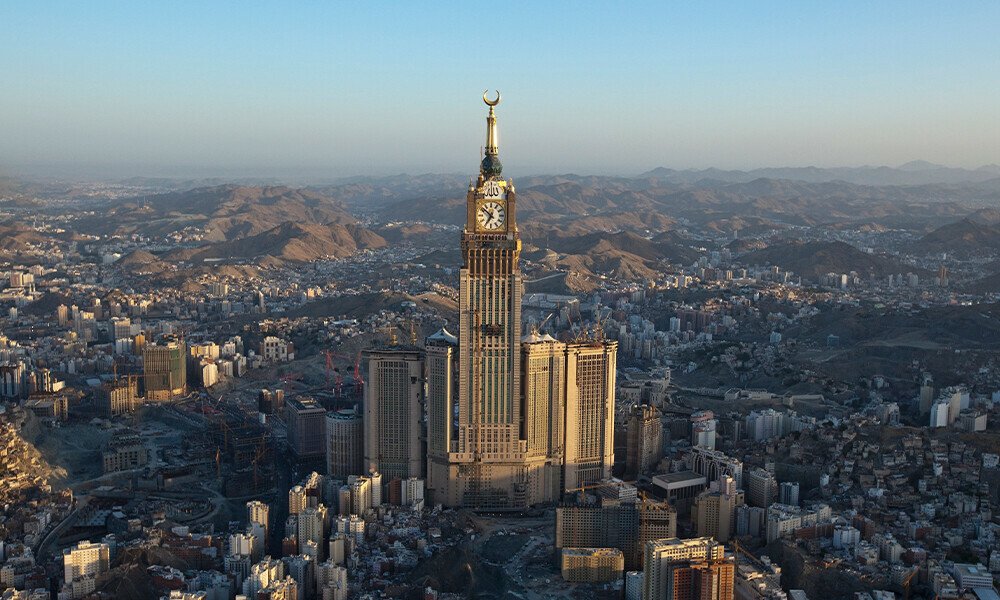
    The move will allow foreigners to invest in firms whose revenues rely on the Islamic pilgrimage, one of the top revenue sources for the oil-rich kingdom.

    Saudi Arabia’s market watchdog, the Capital Market Authority (CMA), said in a statement the move aimed to attract foreign capital and provide liquidity for present and future projects in the two cities.

    Saudi Arabia Plans $600bn in New US Investment, Trade Over Four Years

    Saudi Arabia has said it aims to welcome 30 million pilgrims for Haj and the year-round pilgrimage umrah annually by 2030. In 2019, it earned about $12 billion from the two pilgrimages, according to official data.

    The annual pilgrimage plays a vital role in the country’s economy and upping the number of pilgrims is an integral part of its Vision 2030 economic reform agenda that aims to wean the economy off oil revenues.

    Saudi Arabia’s benchmark index was up 0.2%, led by 10% increases in both Jabal Omar Development Company and Makkah Construction and Development Company, which have real estate in Makkah.

    Saudi Alwaleed’s KHC interested in TikTok if Musk or others buy it

    The bourse, the Gulf Arab region’s largest with a market capitalization of 10.2 trillion riyals ($2.72 trillion), opened up to foreign investors in 2015 in a bid to attract more funds and has seen a flurry of new listings in recent years.

    The CMA said that under Monday’s move foreign investment would be limited to shares, convertible debt instruments, or both, and would exclude “strategic foreign investors”.

    The watchdog added that people without Saudi nationality would not be allowed to own more than 49% of shares of the firms involved.

    A New Dawn for Reko Diq: Saudi Investment and Pakistan’s Mining Future

    In 2021, it allowed non-Saudis to subscribe to real estate funds investing within the boundaries of Makkah and Medina.

  • SBP Cuts Policy Rate to 12%, Marking Sixth Consecutive Reduction

    SBP Cuts Policy Rate to 12%, Marking Sixth Consecutive Reduction

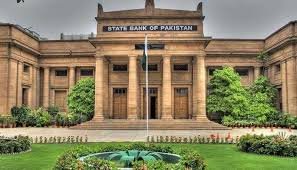
    In his statement, the governor explained that the rate cut was influenced by the outlook on inflation and other recent developments. He noted a positive trend in remittances and expressed confidence that inflation would decline in January. However, he cautioned that core inflation remains high.

    “The cautious approach was adopted considering these factors,” Governor Ahmed said. He also emphasized that both remittances and export numbers were performing well, supporting a favorable current account balance.

    On the topic of foreign exchange (FX) reserves, the governor reaffirmed the central bank’s target of reaching $13 billion by the end of June 2025.

    Later, the SBP released a statement noting that inflation had been trending downward as expected, reaching 4.1% year-on-year in December. This decline was attributed to moderate domestic demand, supportive supply-side factors, and a favorable base effect. The statement indicated that inflation is expected to continue decreasing in January but may rise slightly in the following months. Despite this, core inflation remains high.

    The statement also highlighted gradual improvements in economic activity, as indicated by high-frequency data.

    Key developments discussed by the MPC included lower-than-expected real GDP growth and a surplus in the current account for December 2024. However, the SBP’s FX reserves declined due to low financial inflows and high debt repayments. Tax revenues, despite a substantial increase in December, still fell short of targets. Additionally, global oil prices showed increased volatility in recent weeks.

    Given these factors and emerging risks, the MPC concluded that a cautious monetary policy stance was necessary to ensure price stability.

    The government had recently reduced the cut-off yields on treasury bills (T-bills) in an auction, signaling a higher probability of another interest rate cut. The reduction of T-bill rates by up to 41 basis points, with a total decrease of 90 basis points in January, indicated market expectations of further rate cuts.

    The SBP’s decision marks the sixth consecutive interest rate cut since June 2024, when the policy rate stood at 22%.

    In a statement issued after the meeting, the MPC confirmed the decision to cut the policy rate by 100 basis points to 12%, effective from January 28, 2025. The committee reiterated that inflation had been decreasing in line with expectations, driven by moderate domestic demand and supportive supply-side conditions. Although core inflation is easing, it remains elevated. The MPC also noted that the policy rate reductions since June 2024 are expected to continue supporting economic activity.

    In its previous meeting on December 16, the MPC had reduced the key policy rate by 200 basis points to 13%.

  • Thailand pilots ‘green transport’ to combat air pollution in Bangkok

    Thailand pilots ‘green transport’ to combat air pollution in Bangkok


    Deputy Prime Minister and Minister of Transport Suriya Jungrungreangkit said the decision was made after Bangkok was ranked the fourth worst city in the world for air quality on January 24, according to the latest data from Swiss-based IQAir.

    From January 25 to 31, people will be given free services on buses and electric trains within the capital, said Suriya.

    The Thai government will allocate about 140 million THB (4.1 million USD) from the central budget to offset the costs of transport units, including Bangkok Transit System Plc (BTS), Bangkok Expressway and Metro Public Company (BEM) and Bangkok Mass Transit Authority (BMTA).

    In addition, the government has set up eight checkpoints to monitor vehicle emissions. Suriya expects the number of passengers using public transport to increase by 20-30% during this period. He added that if the pollution situation does not improve after the seven-day period, the government will consider extending the initiative.

  • Bilawal Bhutto-Zardari Calls for Collective Action to Tackle Climate Change

    Bilawal Bhutto-Zardari Calls for Collective Action to Tackle Climate Change

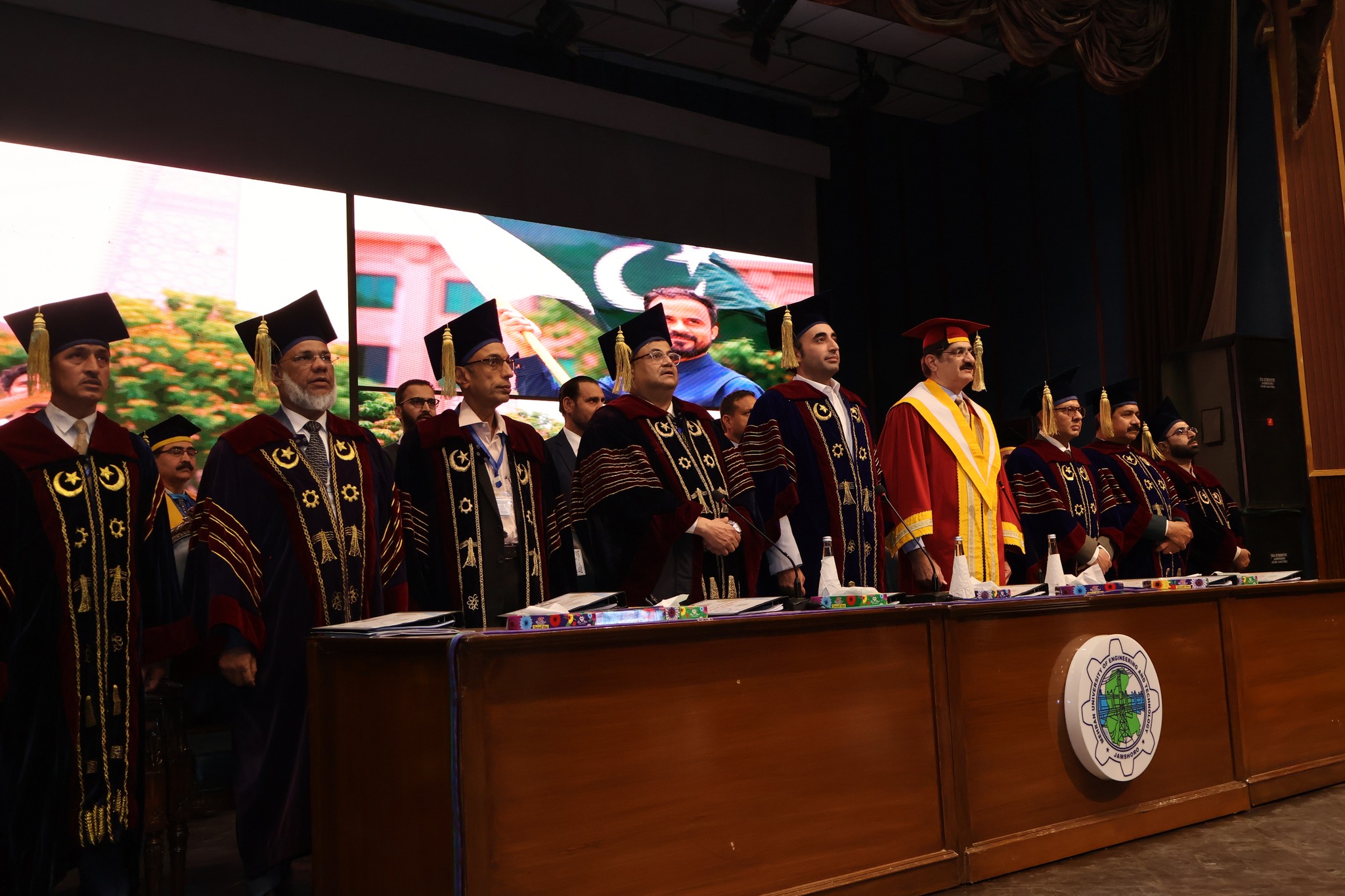
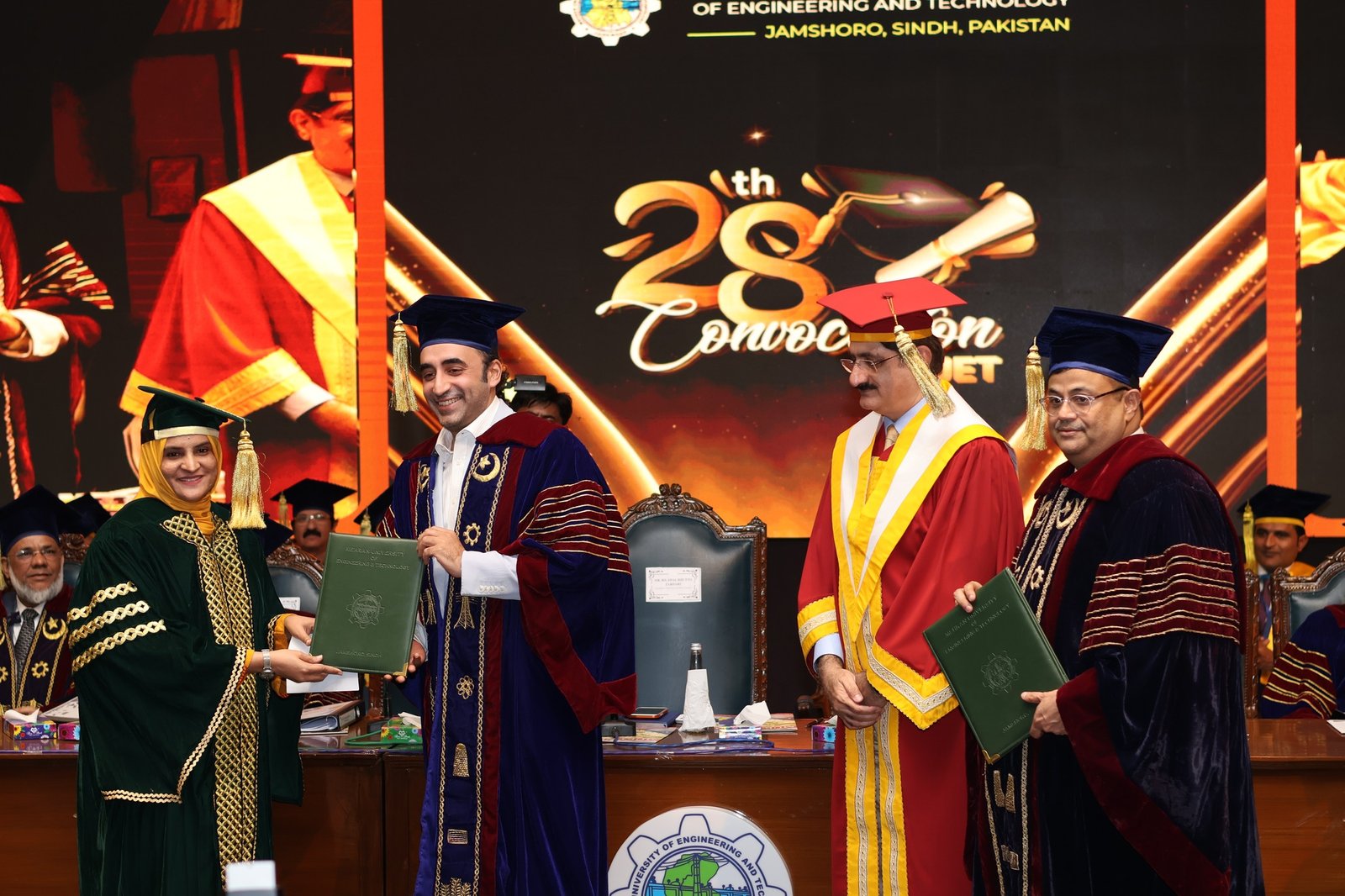
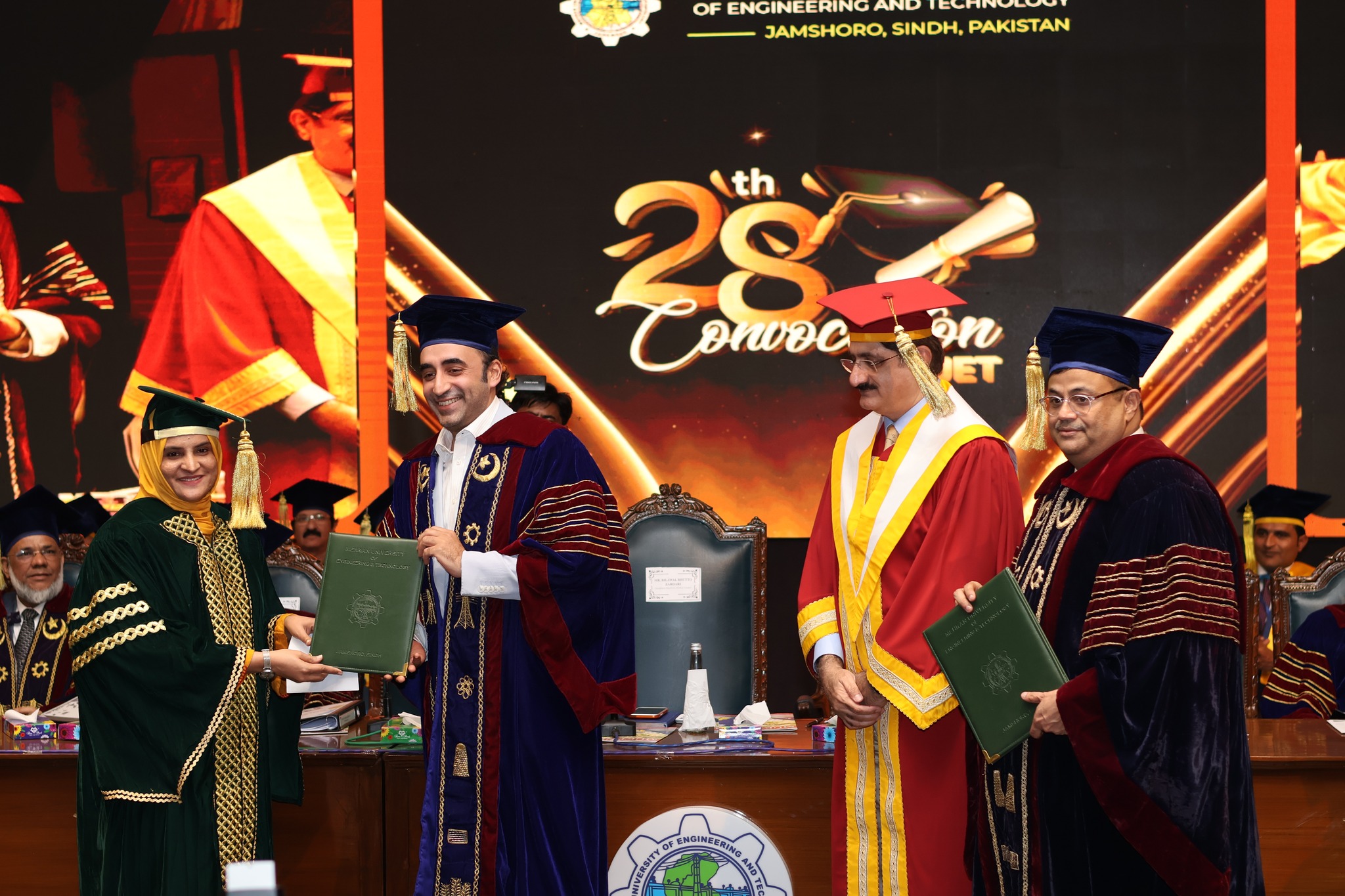
    He highlighted the numerous challenges Pakistan faces, particularly climate change, and recalled the devastating floods of 2022 that severely impacted Sindh. He stressed that tackling environmental crises requires immediate and concerted efforts from all sectors of society.

    “Today is a day of pride and joy for the graduating students,” Bilawal said, congratulating them. “As you move forward, I urge you to contribute to the nation’s progress. Combatting climate change is a collective responsibility, and it is essential that we all work together to address it.”

    Investments being made in infrastructure, industry to build a brighter future for Sindh: Syed Murad Ali Shah

    Bilawal also praised Mehran University’s reputation, noting that it is one of the country’s top institutions. “Many members of the Sindh Assembly are proud graduates of this university, and we take great pride in the role of Sindh’s engineers in shaping our infrastructure.”

    He also reflected on the rapid pace of technological advancements, pointing out the emerging challenges, such as fake news, digital misinformation, and cybercrimes. “Technology is advancing at an incredible rate, but we must ensure it is used responsibly for the betterment of humanity.”

    Concluding his speech, Bilawal celebrated Sindh’s rich cultural heritage, saying, “Sindh’s history spans centuries, and it remains a land of immense beauty and deep cultural significance.”

  • Investments being made in infrastructure, industry to build a brighter future for Sindh: Syed Murad Ali Shah

    Investments being made in infrastructure, industry to build a brighter future for Sindh: Syed Murad Ali Shah

    Speaking at the convocation ceremony of Mehran University of Engineering and Technology in Jamshoro, the chief minister said MUET stands as Pakistan’s second-best university, renowned for its contributions to higher education. Over the years, it has cultivated leaders, innovators, and change-makers who have shaped the country and the global landscape. The university’s dedication to high-quality education, research, and innovation has earned it a distinguished reputation both within Pakistan and beyond.

    The Vice Chancellor and faculty were praised for their roles in preparing students as engineers who are equipped to solve problems, think critically, and adapt to changes in order to create transformative solutions. The future of Pakistan’s infrastructure, industries, and technological advancements depends on the expertise and leadership of young professionals, such as those trained at MUET.

    The message emphasized the importance of thinking beyond traditional limits and focusing on innovation, sustainability, and inclusivity in all endeavors. Success was described not just in terms of personal achievement, but in the lasting, positive impact one can make on others and society.
    The Chief Minister of Sindh reaffirmed the commitment of the PPP government to advancing education, research, and innovation. Efforts are underway to build an ecosystem that allows young minds to thrive and supports institutions like MUET in leading research and technology development. Investments are being made in infrastructure, connectivity, and industry to build a brighter future for Sindh.

    He read from an article of former US President Herbert Hoover on the engineering profession saying: “It is a great profession. There is the fascination of watching a figment of the imagination emerge through the aid of science to a plan on paper. Then it moves to realization in stone or metal or energy. Then it brings jobs and homes to men. Then it elevates the standards of living and adds to the comforts of life. That is the engineer’s high privilege.”

    “The great liability of the engineer compared to men of other professions is that his works are out in the open where all can see them. His acts, step by step, are in hard substance. He cannot bury his mistakes in the grave like the doctors. He cannot argue them into thin air or blame the judge like the lawyers. He cannot, like the politicians, screen his shortcomings by blaming his opponents and hoping the people will forget. The engineer simply cannot deny he did it. If his works do not work, he is damned.”

    “On the other hand, unlike the doctor, his is not a life among the weak. Unlike the soldier, destruction is not his purpose. Unlike the lawyer, quarrels are not his daily bread. To the engineer falls the job of clothing the bare bones of science with life, comfort, and hope. No doubt as the years go by people forget what engineer did it, even if they ever knew. Or some politician puts his name on it. Or they credit it to some promoter who used other people’s money. But the engineer himself looks back at the unending stream of goodness which flows from his successes with satisfaction that few professions may know. And the verdict of his fellow professional is all the accolade he wants.”

  • Vietnam to become Asia-Pacific region’s fastest growing economy in 2026

    Vietnam to become Asia-Pacific region’s fastest growing economy in 2026

    Notably, the WB forecasts Vietnam’s GDP growth at 6.3% in 2026. Although this is 0.2 percentage points lower than its earlier projection, Vietnam is expected to lead the region in GDP growth.

    It could surpass major economies including Mongolia (6.1%), the Philippines (6%), Thailand (5.1%) and China (4%).

    Overall, the WB forecasts GDP growth in the East Asia and Pacific (EAP) region to gradually decline in the years to come, from 4.6% in 2025 to 4.1% in 2026, primarily due to China’s economic slowdown.

    Excluding China, EAP economies are projected to maintain a growth rate of 4.7% in 2026, driven by strong domestic demand.

    In 2024, growth in EAP economies excluding China is estimated at 4.8%, higher than the 4.3% recorded in 2023, supported by the recovery in trade, domestic tourism and internal demand.

    The WB highlighted Vietnam as a bright spot in regional economic growth, thanks to its robust export capabilities.

    In the near future, the WB warns of potential economic risks for the region, mainly due to global trade uncertainties and China’s economic downturn. Other risks include escalating geopolitical tensions and global inflation.

    Natural disasters caused by climate change are also expected to continue pressuring regional growth prospects.

    Globally, the WB forecasts economic growth at 2.7% for both 2025 and 2026, consistent with the growth rate in 2024.