Category: Featured

  • OpenAI faces new copyright case, from global book publishers in India

    OpenAI faces new copyright case, from global book publishers in India

    Courts across the world are hearing claims by authors, news outlets and musicians who accuse technology firms of using their copyright work to train AI services and who are seeking to have content used to train the chatbot deleted.

    The New Delhi-based Federation of Indian Publishers told Reuters it had filed a case at the Delhi High Court, which is already hearing a similar lawsuit against OpenAI.
    The case was filed on behalf of all the federation’s members, who include publishers like Bloomsbury (BLPU.L), opens new tab, Penguin Random House, Cambridge University Press and Pan Macmillan, as well as India’s Rupa Publications and S.Chand and Co, it said.

    “Our ask from the court is that they should stop (OpenAI from) accessing our copyright content,” Pranav Gupta, the federation’s general secretary said in an interview about the lawsuit, which concerns the ChatGPT tool’s book summaries.
    “In case they don’t want to do licensing with us, they should delete datasets used in AI training and explain how we will be compensated. This impacts creativity,” he added.

    OpenAI did not respond to a request for comment on the allegations and the lawsuit, which was filed in December but is being reported here for the first time. It has repeatedly denied such allegations, saying its AI systems make fair use of publicly available data.

    OpenAI kicked off an investment, consumer and corporate frenzy in generative AI after the Nov. 2022 launch of ChatGPT. It wants to be ahead in the AI race after raising $6.6 billion last year.

  • OpenAI faces new copyright case, from global book publishers in India

    OpenAI faces new copyright case, from global book publishers in India

    Courts across the world are hearing claims by authors, news outlets and musicians who accuse technology firms of using their copyright work to train AI services and who are seeking to have content used to train the chatbot deleted.

    The New Delhi-based Federation of Indian Publishers told Reuters it had filed a case at the Delhi High Court, which is already hearing a similar lawsuit against OpenAI.
    The case was filed on behalf of all the federation’s members, who include publishers like Bloomsbury (BLPU.L), opens new tab, Penguin Random House, Cambridge University Press and Pan Macmillan, as well as India’s Rupa Publications and S.Chand and Co, it said.

    “Our ask from the court is that they should stop (OpenAI from) accessing our copyright content,” Pranav Gupta, the federation’s general secretary said in an interview about the lawsuit, which concerns the ChatGPT tool’s book summaries.
    “In case they don’t want to do licensing with us, they should delete datasets used in AI training and explain how we will be compensated. This impacts creativity,” he added.

    OpenAI did not respond to a request for comment on the allegations and the lawsuit, which was filed in December but is being reported here for the first time. It has repeatedly denied such allegations, saying its AI systems make fair use of publicly available data.

    OpenAI kicked off an investment, consumer and corporate frenzy in generative AI after the Nov. 2022 launch of ChatGPT. It wants to be ahead in the AI race after raising $6.6 billion last year.

  • Pakistan, World Bank Agree to Accelerate Dasu Hydropower Project Implementation

    Pakistan, World Bank Agree to Accelerate Dasu Hydropower Project Implementation

    The agreement was announced by Martin Raiser, the World Bank’s Vice President for South Asia, following a meeting with Pakistan’s energy ministers, Sardar Awais Ahmad Khan Laghari (Power) and Musadik Masood Malik (Petroleum). Raiser shared the development in a post on X.

    The two sides emphasized their commitment to cleaner energy and reducing system losses and costs. Raiser also highlighted the meeting as a significant outcome of the newly launched 10-year Country Partnership Framework (CPF).

    As part of the push to expedite the project, the World Bank will send a mission to monitor the first stage of the Dasu Hydropower Project. The Implementation Support and Progress Review Mission will visit from February 10 to March 5, 2025, to assess the project’s progress.

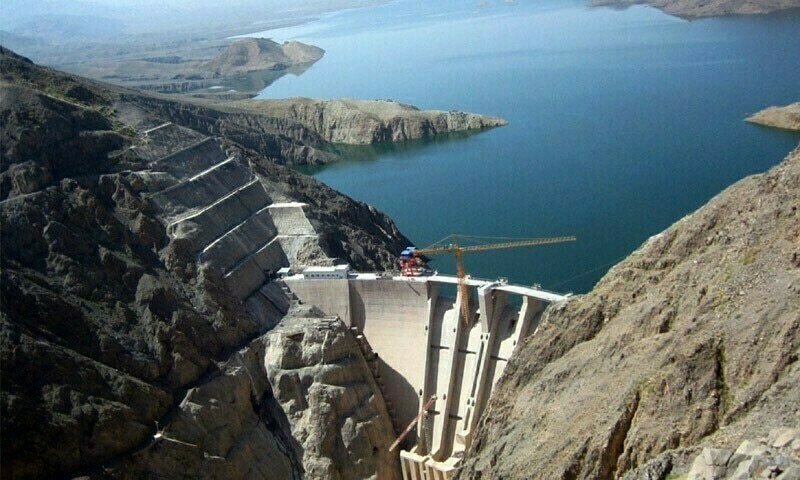
    The Dasu Hydropower Project will be built in two phases, each with a capacity of 2,160 MW. The project’s first phase is expected to start generating power in July 2027.

    Last month, the Ministry of Economic Affairs raised concerns about delays in the project, citing the slow pace of securing an additional $1 billion in financing. The delay was primarily due to the lack of approval for the revised PC-1 plan from the Water and Power Development Authority (WAPDA). Another major hurdle was restrictions on ground transportation for international workers and experts traveling between Islamabad and Dasu, as well as a shortage of armored vehicles needed for their safety in the project area.

  • Microsoft to train 1 million South Africans on AI skills

    Microsoft to train 1 million South Africans on AI skills

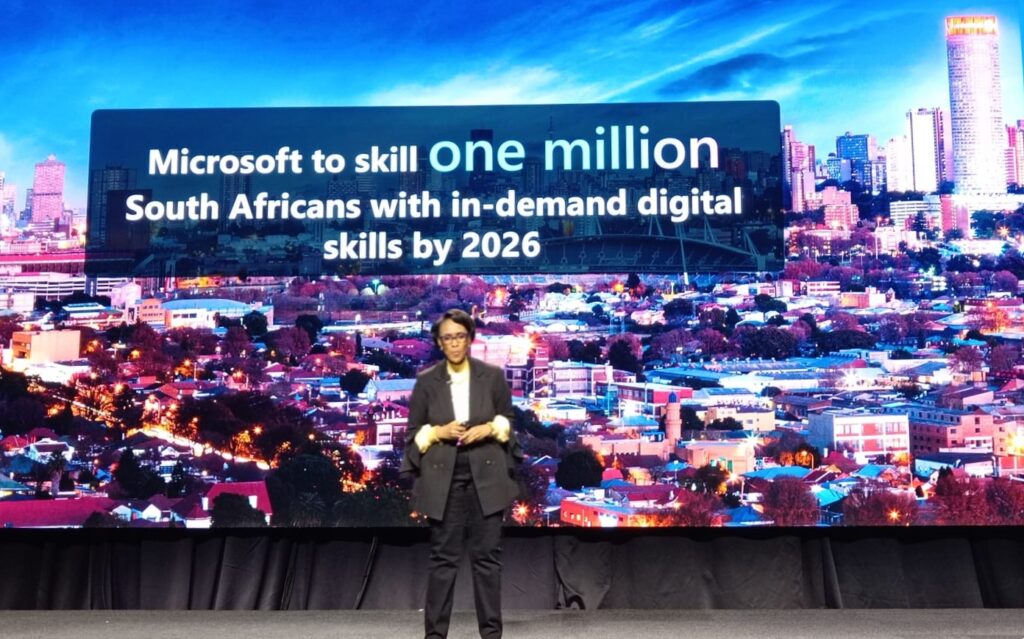
    Microsoft’s (AI) national skilling initiative targets a broad audience, and in South Africa will prioritise all sectors from companies to government and the youth, Barnard said at the company’s “AI Tour” in Johannesburg.

    She did not disclose the investment figure for the initiative.

    Microsoft to invest $3bn in India to expand AI, cloud capacity

    “By providing skilling opportunities and access to industry recognised certifications, our youth will be well positioned to compete on the global stage,” Barnard said.

    Microsoft, the first global “hyperscale” public cloud provider to build data centres in South Africa, has trained four million Africans in the last five years and has committed to train 30 million Africans in the next five years. — Courtesy Reuters

  • Sindh Government Launches Pilot Project to Digitize Land Revenue Records

    Sindh Government Launches Pilot Project to Digitize Land Revenue Records

    Chief Minister Syed Murad Ali Shah chaired a meeting with top officials from the Board of Revenue (BoR), where it was decided that, as part of the pilot project, one deh from both urban and rural areas would be selected for the digitalization of ownership title records. The Chief Minister approved two dehs—Borkho from the district and Palijani from the sub-district of Matyari.

    The pilot phase will span six weeks, after which various software solutions will be developed to digitize the handwritten property records.

    The meeting was attended by Chief Secretary Syed Asif Haider Shah, Senior Member of the BoR Baqaullah Unnar, Secretary to the Chief Minister Raheem Shaikh, and others.

    The Chief Minister was briefed on the current system, where applicants must navigate eight to nine stages to obtain a sales certificate. These stages include: submitting an online application on the web portal, making payment at the bank, obtaining stamp paper, applying for e-registration, confirming the sales certificate through various markers, visiting the sub-registrar office for scrutiny, biometric verification, and finally issuing the certificate.

    The Chief Minister expressed dissatisfaction with this complicated process and directed that it be streamlined to only two stages. He recommended setting up a service center for tax and fee payments via an e-payment system, followed by the establishment of an automated system for property transfers.

    The Chief Minister also approved the Sindh Digital Land Title Transfer Rules 2025, which outline the digital process for easier property transfers. The rules include the creation of a central database to maintain complete digital land records and property documents. This system will be linked with NADRA’s biometric system.

  • World Bank’s Country Partnership Framework for Pakistan launched

    World Bank’s Country Partnership Framework for Pakistan launched

    The World Bank’s Board of Directors approved the first-ever 10-year CPF for Pakistan last week, marking the largest commitment in the nation’s history. The extended framework focuses on six key development areas, supported by a monitoring and evaluation scorecard to track progress.

    On January 14, The World Bank Group’s Boards of Executive Directors discussed the new Country Partnership Framework (CPF) for Pakistan, which aims to support inclusive and sustainable development through a strong focus on building human capital; fostering durable private sector growth; and building economic, social and environmental resilience in the country.

    The statement of the bank said: “Our new decade-long partnership framework for Pakistan represents a long-term anchor for our joint commitment with the Government to address some of the most acute development challenges facing the country: child stunting, learning poverty, its exceptional exposure to the impacts of climate change, and the sustainability of its energy sector,” said Najy Benhassine, World Bank Country Director for Pakistan. “Support to policy and institutional reforms that boost private sector-led growth and create fiscal space to finance the investments needed to address these challenges will remain key in our engagements.”

    The CPF will support six key country outcomes:

    • Reduced child stunting through increased access to clean water and sanitation services, basic health and nutrition and family planning services
    • Reduced learning poverty through quality foundational education
    • Increased resilience to floods and other climate-related disasters and better food and nutrition security in the face of climate impacts on the water-agriculture nexus
    • Cleaner and more sustainable energy and better air quality
    • Increased fiscal space and better management and more progressive public expenditures for development
    • Increased productive and inclusive private investment, particularly to improve external trade balances and higher, more sustainable growth.

    These outcomes will be supported by cross-cutting interventions in social safety nets and financial inclusion to support and protect the most vulnerable populations, particularly women, as well as digital and transport connectivity.

    Achieving these ambitious goals will require leveraging resources through enhanced private sector engagement and increased joint financing and coordination with other development partners.

    “We are focused on prioritizing investment and advisory interventions that will help crowd-in much needed private investment in sectors critical for Pakistan’s sustainable growth and job creation, including energy and water, agriculture, access to finance, manufacturing and digital infrastructure,” said Zeeshan Sheikh, International Finance Corporation Country Manager for Pakistan and Afghanistan. “We are also collaborating with public and private partners to address key policy challenges that inhibit a more inclusive participation of the private sector in Pakistan’s economy.”

    “Guarantee instruments under the World Bank Group’s Guarantee Platform will support private investment in areas consistent with the development outcomes under the CPF where the domestic and foreign private sector has a role to play,” said Şebnem Erol Madan, the Multilateral Investment Guarantee Agency Director of Economics and Sustainability.

    A series of policy notes and other analytical work helped inform the CPF priorities, together with extensive consultations across the country with key stakeholders including the government, private sector, civil society, think tanks, academia, media, and development partners. The CPF has also been informed by the Government’s priorities, both at the Federal and Provincial levels, as well as lessons learned from the previous country engagements. It is also well aligned with key objectives of the recently launched National Economic Transformation Plan, Uraan Pakistan, and those of the Prime Minister’s Economic Transformation Agenda and Implementation Plan. 

    The World Bank Group in Pakistan Since the World Bank Group started operating in Pakistan in 1950, IBRD has provided over $48.3 billion in assistance, IFC has invested approximately $13 billion to advance private sector-led solutions, and MIGA has provided $836 million in guarantees. The current portfolio for IBRD, IFC and MIGA in Pakistan includes 106 projects and a total commitment of $17 billion.

  • Saudi Arabia Plans $600bn in New US Investment, Trade Over Four Years

    Saudi Arabia Plans $600bn in New US Investment, Trade Over Four Years

    Saudi official news agency reports: His Royal Highness the Crown Prince affirmed the Kingdom’s intention to broaden its investments and trade with the United States over the next four years, amounting to $600 billion, and possibly beyond that.

    His Royal Highness Prince Mohammed bin Salman, Crown Prince and Prime Minister, held a phone call this evening with President Donald J. Trump of the United States of America.

    During the call, His Royal Highness the Crown Prince conveyed the congratulations of the Custodian of the Two Holy Mosques, King Salman bin Abdulaziz Al Saud, and his own congratulations to the President on the occasion of his inauguration as President of the United States, wishing the friendly American people further progress and prosperity under the President’s leadership.

    The two leaders discussed ways to cooperate between the Kingdom of Saudi Arabia and the United States of America to promote peace, security, and stability in the Middle East, in addition to enhancing bilateral cooperation in combating terrorism.

    The leaders also discussed ways to strengthen bilateral ties in various areas. His Royal Highness the Crown Prince highlighted the U.S. administration’s ability to create unprecedented economic prosperity and opportunity through anticipated reforms, and emphasized that the Kingdom seeks to participate in these opportunities for partnership and investment.

    His Royal Highness the Crown Prince reiterated the Kingdom’s intention to broaden its investments and trade with the United States over the next four years, amounting to $600 billion, with potential for even greater involvement.

    The President expressed his appreciation and thanks to the Custodian of the Two Holy Mosques and His Royal Highness the Crown Prince for their congratulations, affirming his eagerness to work with the Kingdom on matters that benefit the interests of both countries.

  • Schneider Electric Pakistan Launches “Impact Roadshow” in Karachi

    Schneider Electric Pakistan Launches “Impact Roadshow” in Karachi

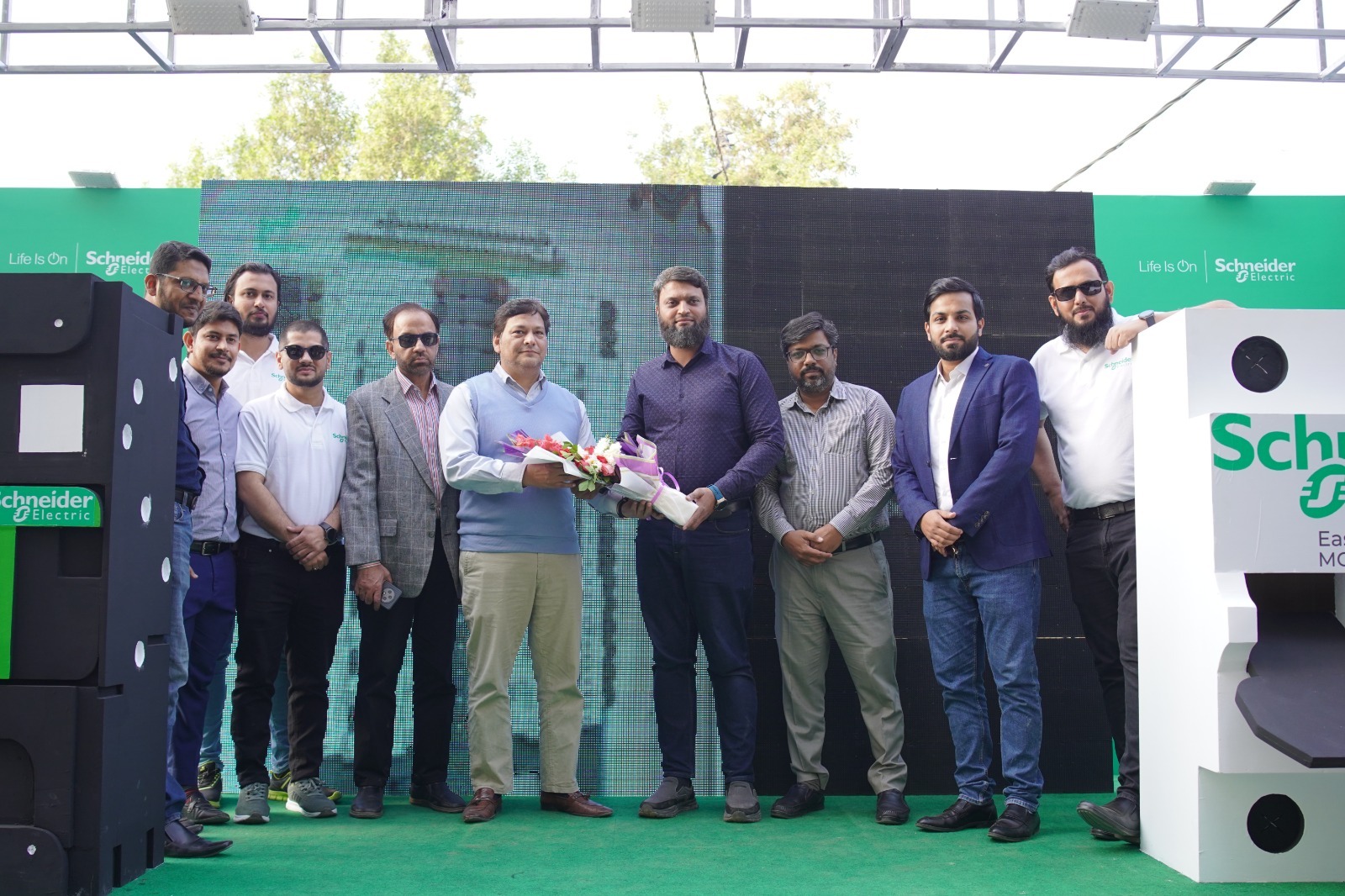
    Schneider Electric Pakistan recently conducted the first-of-its-kind “Impact Roadshow” in Karachi’s Aram Bagh market, focusing on combating the critical issue of counterfeit products within the retail segment.  
    The roadshow involved a full day of engaging activities, including informative presentations on the dangers of counterfeit goods and the importance of choosing genuine Schneider Electric products. The team distributed informative collaterals, hosted engaging activities like a spin-the-wheel challenge and a fun photo booth, and rewarded participants with exciting giveaways.  

    The Country Leader for Panel Builder & Distribution, Mr. Kamran Sultan said: “This roadshow is a testament to Schneider Electric’s commitment to protecting our customers and ensuring they have access to genuine, high-quality products,” The Channel Manager for Home and Distribution, Mr. Jahanzaib Inam also added that:  “By partnering with our valued distributors and retailers, we are taking a proactive stance against counterfeiting and driving sustainable growth within the market.”  

  • SEM-Eleken Partnership Redefining Future of MEP Design in Pakistan

    SEM-Eleken Partnership Redefining Future of MEP Design in Pakistan

    Together, SEM Engineers and Eleken Associates as SEP bring an unparalleled legacy of over 80 years of combined expertise and a dynamic team of 140+ seasoned professionals. This partnership is poised to provide a one stop solution for designing MEP systems that cater to the evolving needs of modern construction and infrastructure development.

     •        Air-conditioning & Mechanical Ventilation  
    •        Public Health services  
    •        Life safety  
    •        Vertical transportation  
    •        MV/LV Power systems  
    •        ELV systems  
    •        Data & voice systems  
    •        Building Management systems  
    •        Solar Power system  
    •        Specialized services  

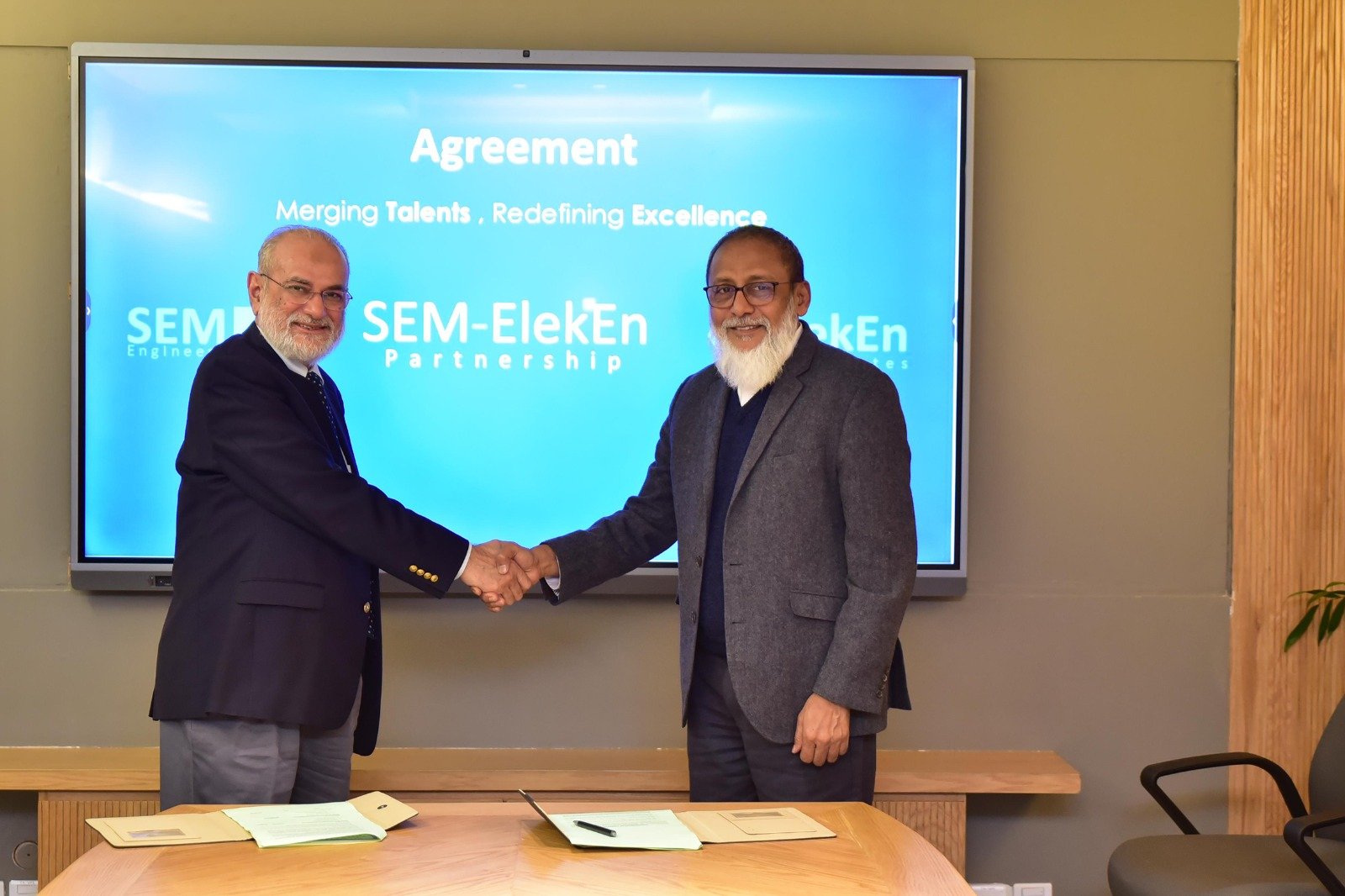
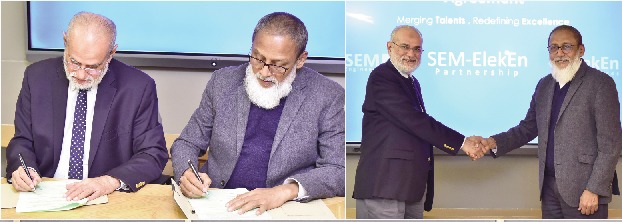
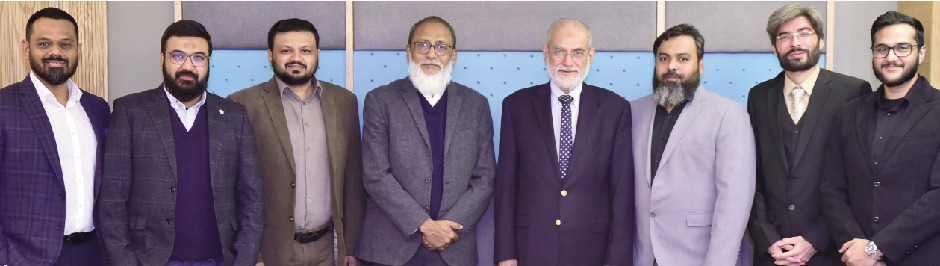
    The official launch of the SEP (SEM-Eleken Partnership) was commemorated with a memorable agreement signing ceremony, attended by the top management of both companies. This momentous occasion not only celebrated the coming together of two exceptional firms but also highlighted their commitment to setting benchmarks for excellence in the MEP design industry.  

    This partnership goes beyond a traditional business alliance; it represents a convergence of shared values, expertise, and aspirations. By harnessing the combined strengths of SEM Engineers and Eleken Associates, the collaboration seeks to create transformative solutions in the engineering and design industries, with a focus on innovation, sustainability, and excellence, the partnership will prioritize the following areas:  

    1.      M&P Systems The collaboration will focus on the design, development, and optimization of mechanical and plumbing (M&P) systems. By integrating advanced technologies and sustainable practices, the partnership aims to deliver highly efficient and cost-effective solutions. These systems will be tailored to meet the diverse needs of clients across industries, ensuring reliability and environmental responsibility.  

    2.      Electrical Systems Electrical systems form the backbone of modern infrastructure. SEM Engineers and Eleken Associates will pool their expertise to innovate in areas such as power distribution, renewable energy integration, and smart grid technologies. Their efforts will prioritize energy efficiency, safety, and adaptability to evolving demands, ensuring that these systems are not only robust but also future-ready.  
    Leadership Speaks  


    The SEM-Eleken Partnership is guided by a team of visionary leaders whose collective expertise ensures a bright future for the collaboration:  
    Their unwavering dedication and innovative mindset will drive the partnership to achieve its ambitious goals.  
    As SEP-SEM-Eleken embarks on this exciting journey, the industry can look forward to groundbreaking developments and a new benchmark for excellence in MEP design. Stay tuned as this partnership reshapes the future of the construction and engineering sectors in Pakistan and beyond

  • Five Professors from MUET, Jamshoro, Among Pro-Vice Chancellors Elevated to Meritorious Professor Status

    Five Professors from MUET, Jamshoro, Among Pro-Vice Chancellors Elevated to Meritorious Professor Status

    The university had submitted a letter in April 2024 to the department, seeking approval for Resolution No. 156.4 (II) from the 156th meeting of the Syndicate.

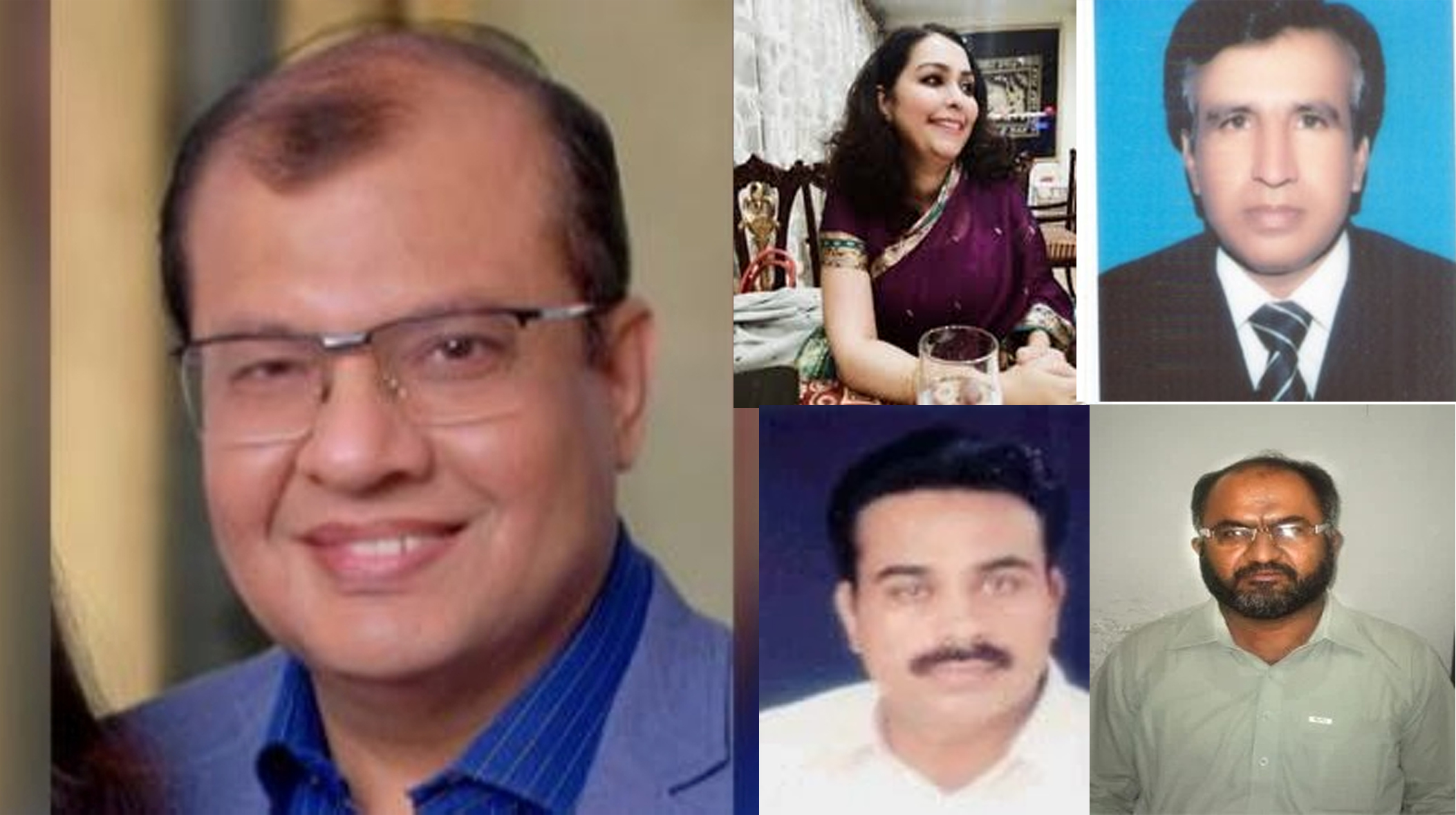
    With the Chief Minister’s approval, five professors have been awarded BPS-22. The professors include:

    How Professors Are Elevated

    Meritorious posts are reserved for 12.5% of the total sanctioned professor positions at the university. The selection process emphasizes academic merit, professional achievements, and leadership capabilities. To ensure transparency and meritocracy, specific weightages are assigned to various criteria, and candidates must achieve a minimum score of 60 marks to become eligible.

    The Power of Materials Engineering: Key Takeaways from DUET’s 2nd International Conference

    The university’s selection board conducts a detailed evaluation of candidates based on these weighted criteria. Each applicant is scored, and only those with the highest marks for the available positions are recommended to the Syndicate. Upon approval by the Syndicate, the cases are forwarded to the Chief Minister for final consent.

    This structured and quantitative approach ensures fairness, meritocracy, and transparency in the selection of candidates for meritorious posts. It strengthens the academic and administrative framework of universities, fostering excellence in higher education.