Blog

  • Pakistan’s Citi Pharma Enters Real Estate Investment Sector with New Subsidiary

    Pakistan’s Citi Pharma Enters Real Estate Investment Sector with New Subsidiary

    In its notification to the Pakistan Stock Exchange (PSX), the pharmaceutical manufacturer described the approval as a significant milestone in its strategic expansion into Pakistan’s real estate investment sector. Following the name reservation, the company will proceed with the formal incorporation of the REIT Management Company and initiate the regulatory process for the formation, registration, and launch of a Real Estate Investment Trust (REIT), subject to obtaining all necessary approvals, licenses, and consents from the SECP and other relevant authorities.

    The establishment of CITI REIT Management Company (Private) Limited reflects Citi Pharma’s long-term strategy to diversify its business portfolio and capitalize on emerging opportunities in the real estate and capital markets. The proposed REIT platform is expected to facilitate transparent and regulated real estate investments while creating sustainable value for shareholders and investors.

    Under the proposed platform, the company plans to undertake three major real estate development projects. The first project is envisaged at Hali Road, Lahore, followed by a second development on Citi Pharma’s land at Khayaban-e-Zafar, Lahore, and a third project on company-owned land near Islamabad International Airport.

    Subject to the receipt of all required regulatory approvals and adherence to projected timelines, completion of the projects is anticipated by the end of the first quarter of Financial Year 2026–27.

    Citi Pharma Limited has estimated the total value of land to be contributed as its investment in the REIT Management Company at approximately Rs7 billion. This valuation represents the land investment and is expected to be realized progressively as the respective projects are launched and executed.

    In addition to recovering the land value, the company will also be entitled to receive its proportionate share of annual dividends from the REIT Management Company, providing an ongoing return on investment beyond the value of its land contribution. – ER News Desk

  • Agriauto Industries Limited Posts Strong Turnaround as Auto Sector Gains Momentum

    Agriauto Industries Limited Posts Strong Turnaround as Auto Sector Gains Momentum

    In its communication to the Pakistan Stock Exchange (PSX), the company noted that Pakistan’s economy remains well positioned to sustain growth in FY2026, supported by macroeconomic stability, easing inflation, and improved fiscal management. Inflation is projected to remain within the 5–7% range over the medium term, while stable exchange rates and healthy remittance inflows are expected to cushion external pressures.

    The automotive industry witnessed significant expansion during the period, aided by a sharp decline in interest rates from 22% in January 2024 to 10.5% by December 2025, removal of import curbs, exchange rate stability, and supportive policy measures for local manufacturing.

    Financial Performance
    For the six-month period ended December 31, 2025, consolidated turnover surged approximately 80% to Rs. 8.4 billion, compared to Rs. 4.7 billion in the same period last year. Unconsolidated turnover rose 68% to Rs. 5.3 billion.

    The company posted a consolidated profit after tax of Rs. 530 million, marking a turnaround from a loss of Rs. 56 million in the same period last year. On an unconsolidated basis, profit after tax stood at Rs. 452 million, compared to Rs. 176 million previously. Consolidated earnings per share reached Rs. 14.67.

    Segment-wise, passenger car and two-wheeler sales increased by 51% and 33%, respectively, while tractor sales declined by 20% compared to the corresponding period last year.

    Looking ahead, the company expects a measured recovery in the automotive sector under continued macroeconomic stabilization and anticipates that the upcoming Auto Policy 2026–31 will encourage further localization, fresh investment, and sustainable medium-term growth.

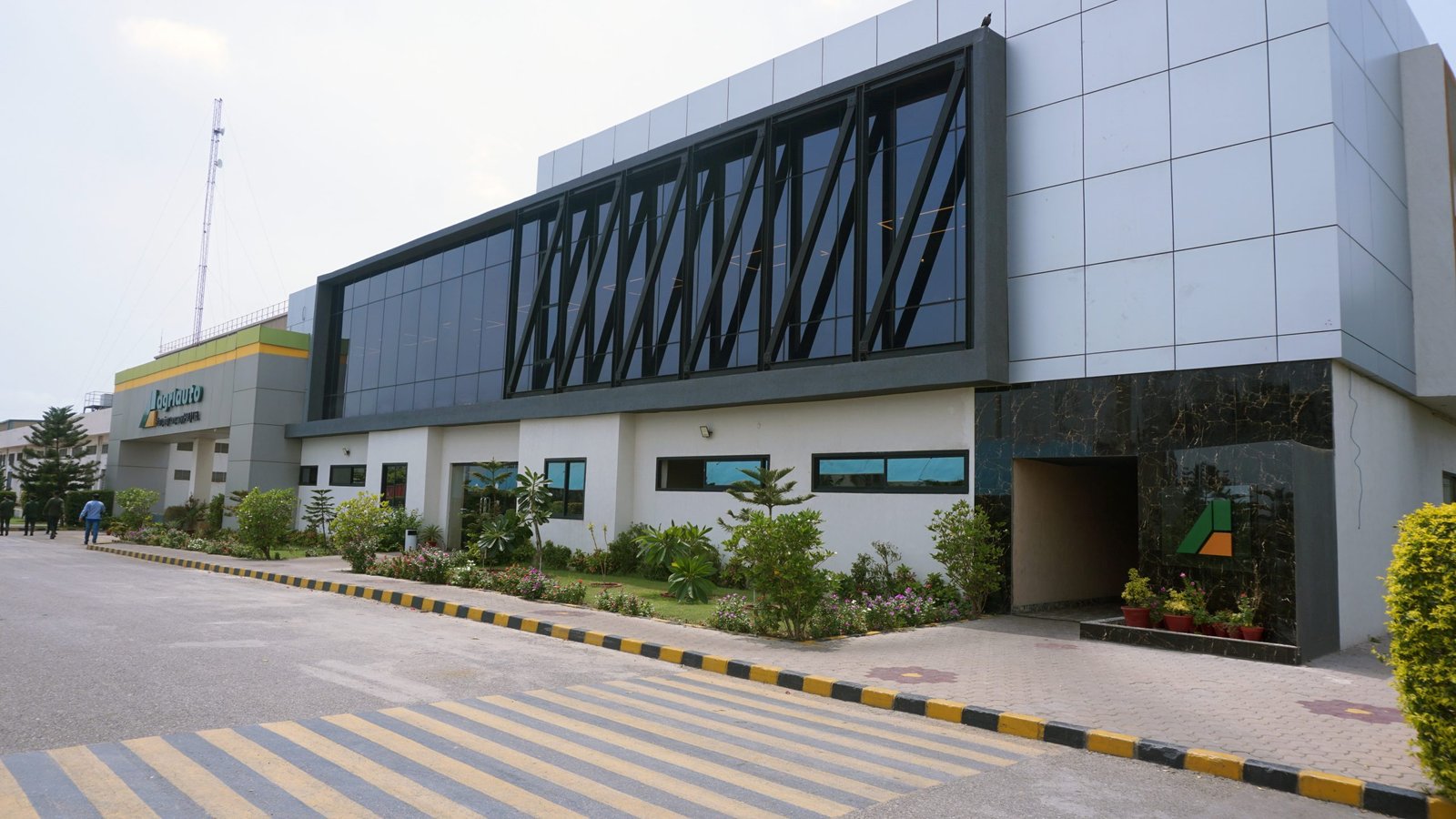
    Agriauto Industries Limited is one of Pakistan’s leading manufacturers of automotive components, specializing in the production of shock absorbers, struts, and other precision-engineered parts for passenger cars, motorcycles, tractors, and light commercial vehicles. The company supplies to major original equipment manufacturers (OEMs) in Pakistan and operates with a focus on quality, localization, and technological advancement. Through its subsidiary, Agriauto Stamping Company (Pvt.) Limited, the group also manufactures high-tensile sheet metal components, supporting the domestic auto vendor industry.

    ER News Desk

  • Sindh High Court Sanctions Merger of Supernet Limited into Supernet Technologies

    Sindh High Court Sanctions Merger of Supernet Limited into Supernet Technologies

    According to the company’s notification, the Court allowed the merger petition and approved the Scheme of Arrangement relating to the corporate and capital reorganization of the subsidiaries through an order dated February 24, 2026, in petition J.C.M. No. 24 of 2025. A certified copy of the order was received on February 25, 2026.

    As a result, the Scheme and the Proposed Arrangement are deemed effective from January 1, 2025.

    The restructuring consolidates and amalgamates all assets, liabilities, and obligations of SNL into STL, enabling a streamlined corporate structure and a renewed focus on strategic capital allocation.

    In a separate communication to the PSX, Supernet Limited confirmed that the merger has been executed under Sections 279 to 283 and 285(8) of the Companies Act, 2017, following requisite approvals and court sanction.

    Under the Scheme, STL will allot and issue ordinary shares to SNL shareholders. The record date for determining shareholder entitlements will be announced in due course in accordance with the Scheme.

    The development marks a significant step in group-level restructuring aimed at enhancing operational efficiency and strengthening the company’s strategic direction. – ER News Desk

  • Sindh, ADB Agree to Advance KCR Revival and Expand Electric Bus Service

    Sindh, ADB Agree to Advance KCR Revival and Expand Electric Bus Service

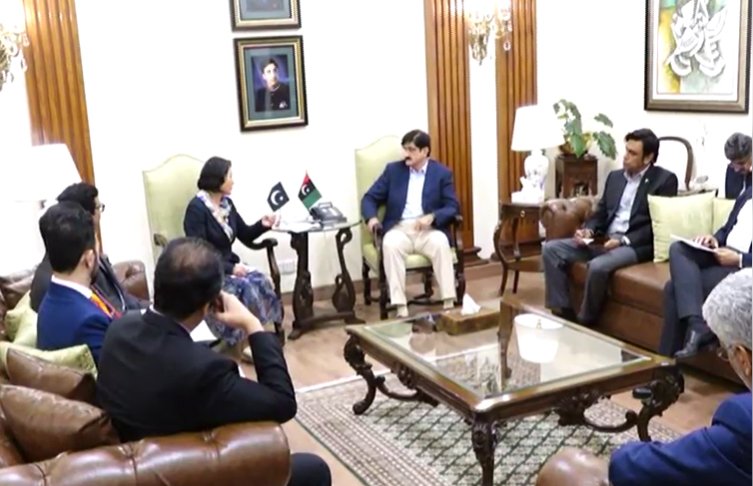
    During the meeting held at the Chief Minister’s House, both sides agreed to enhance development cooperation and accelerate work on priority transport projects. Opening discussions on Karachi’s transport challenges, the Chief Minister described KCR as the provincial government’s flagship priority, stating that the megacity urgently requires a functional circular railway system to serve as a feeder to various Bus Rapid Transit (BRT) lines and ease commuting difficulties.

    He emphasized that the government seeks financial and technical support for the project. Noting ADB’s ongoing assistance for the BRT Red Line, he said the time is appropriate for the Bank to also support KCR’s revival. “KCR is not just a transport project but the lifeline of Karachi,” he remarked, adding that its restoration would reduce traffic congestion, cut carbon emissions, and promote inclusive economic growth.

    ADB’s Country Director expressed in-principle support for KCR and advised the provincial government to submit required documentation for board consideration.

    The meeting also reviewed ADB’s proposed $3 billion development pipeline for 2026–2029, covering transport, urban development, health, education, water, sanitation, rural development, and climate resilience. Expansion of electric bus services in Karachi and their introduction in Hyderabad, Sukkur, and Larkana were also discussed, with both sides agreeing to move forward on the proposal. – ER News Desk

  • Proposed Amendments to Trade Organization Rules Send Shockwaves Through Business Community: FPCCI President

    Proposed Amendments to Trade Organization Rules Send Shockwaves Through Business Community: FPCCI President

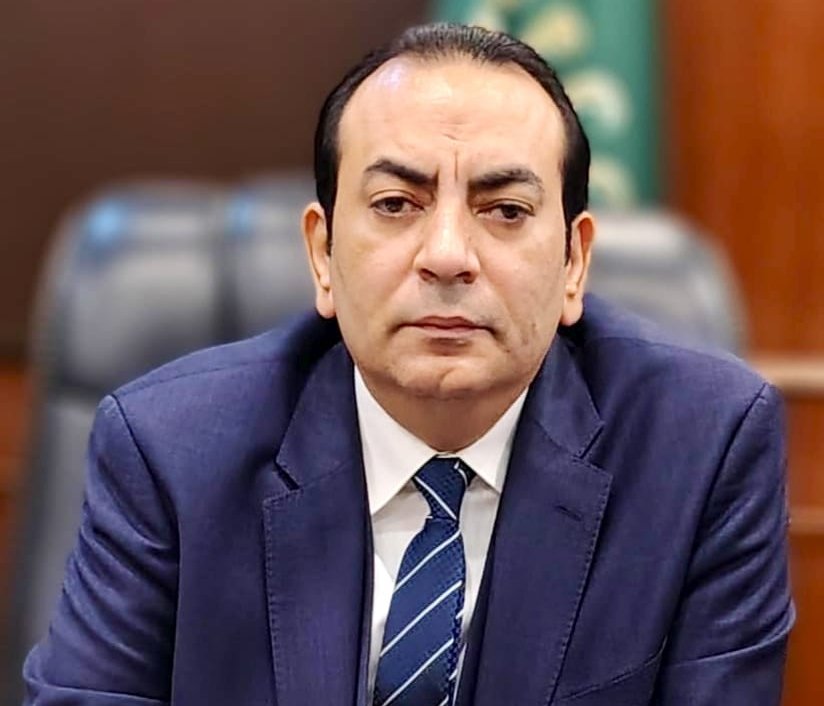
    In a statement, the FPCCI chief said the business community holds serious reservations regarding the Trade Organization Rules 2013 Amendment Bill. He noted that the prevailing business environment is already under strain due to both internal and external trade barriers and mounting economic pressures.

    “The business environment is already shaky. Chambers of Commerce serve as the last resort for the business community to raise its voice. The proposed legislation will eliminate district-level chambers, dismantle institutional structures, and severely impact district economies,” he warned.

    Sheikh emphasized that district chambers play a pivotal role in shaping local economies and supporting national economic growth. According to him, any restrictions on trade organizations could potentially deprive export-oriented businesses of proper representation.

    “The amendment will demoralize the business community and discourage small and medium-sized enterprises (SMEs) as well as women-led businesses,” he added.

    The FPCCI president urged Parliament to reject the bill and allow district chambers to continue functioning. “This move could have far-reaching consequences for the economy and the broader business community. We request the authorities to reconsider the proposed legislation and ensure that district chambers are allowed to operate effectively,” he concluded. – ER News Desk

  • Cnergyico Board Ratifies 20-Year Pipeline Arrangement with Asia Petroleum

    Cnergyico Board Ratifies 20-Year Pipeline Arrangement with Asia Petroleum

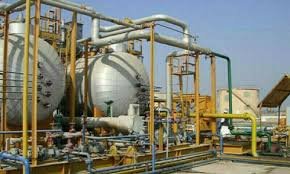
    The decision was taken during the board meeting held on February 24, 2026. Under the proposed arrangement, CPL intends to use APL’s pipeline network for a period of 20 years to transport all of its High Speed Diesel (HSD) produced at its refineries and destined for the Zulfiqarabad Oil Terminal. The system will provide onward connectivity to the White Oil Pipeline (WOP) network and storage terminals at Port Qasim.

    The agreement outlines the agreed commercial and regulatory framework for pipeline-based transportation. However, the execution of definitive agreement(s) remains subject to the fulfilment of certain conditions precedent, including required governmental and regulatory approvals, as well as completion of connectivity arrangements.

    According to the company, the proposed pipeline-based transportation model is expected to significantly reduce reliance on road transport. This shift is anticipated to help minimize road congestion and accident risks, while strengthening supply chain reliability through direct refinery-to-terminal connectivity and access to the WOP system.

    The development marks a strategic step toward enhancing operational efficiency and improving logistics infrastructure within Pakistan’s downstream oil sector. – ER News Desk

  • OGDCL Tests New Gas and Condensate Well at Dars West Field in Sindh

    OGDCL Tests New Gas and Condensate Well at Dars West Field in Sindh

    According to a notice shared with the Pakistan Stock Exchange (PSX), the well was drilled to a total depth of 2,100 meters using the company’s in-house expertise.

    During testing, the well produced 9.70 million standard cubic feet per day (MMSCFD) of gas along with 580 barrels per day (BPD) of condensate at a choke size of 36/64 inches, with a wellhead flowing pressure of 1,725 Psi from the Lower Goru C-Sand reservoir.

    The results further confirm the hydrocarbon potential of the Lower Goru C-Sand reservoirs in the Dars West area. OGDCL said pipeline laying is currently in progress, and upon completion, the gas will be processed at the KPD-TAY plant before being injected into the SSGCL network.

    The Dars West Development and Production Lease (D&PL) Joint Venture comprises OGDCL as the operator with a 77.5 percent working interest, while Government Holdings (Private) Limited (GHPL) holds the remaining 22.5 percent stake.

    The company stated that the development reflects its continued efforts in reservoir evaluation, testing, and field development to enhance hydrocarbon production.

    ER News Desk

  • HBL Reappoints Muhammad Nassir Salim as President & CEO for Two-Year Term

    HBL Reappoints Muhammad Nassir Salim as President & CEO for Two-Year Term

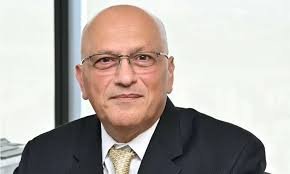
    In a notice shared with the Pakistan Stock Exchange (PSX), the bank stated that its Board of Directors approved the extension of Mr. Salim’s tenure, expressing confidence in his leadership and strategic direction.

    The continuation of his term comes at a time when Pakistan’s banking sector is navigating economic reforms, digital transformation, and evolving regulatory requirements. The Board’s decision signals continuity in HBL’s long-term growth strategy and operational priorities.

    Mr. Muhammad Nassir Salim is a seasoned banker with extensive domestic and international experience in corporate and commercial banking. Since assuming the role of President & CEO, he has focused on strengthening HBL’s balance sheet, enhancing digital banking capabilities, expanding international operations, and reinforcing compliance and risk management frameworks.

    Under his leadership, HBL has pursued strategic initiatives aimed at improving profitability, customer experience, and sustainable growth.

    Founded in 1947, HBL is Pakistan’s largest bank by branch network and one of the country’s leading financial institutions. The bank operates an extensive domestic network along with an international presence across multiple countries.

    HBL provides a wide range of services, including retail banking, corporate and investment banking, Islamic banking, treasury services, and digital financial solutions. Over the years, the bank has played a significant role in supporting trade, industry, and financial inclusion in Pakistan.

    The latest appointment reinforces HBL’s commitment to stability, strategic continuity, and value creation for its shareholders. – ER News Desk

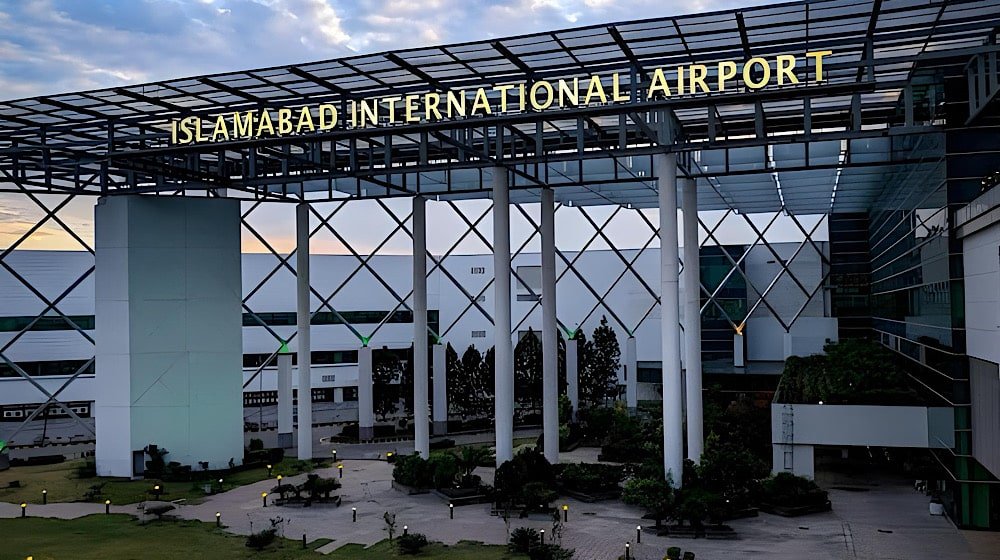
  • PC Board Forms Committee to Negotiate with ADB on Islamabad Airport Privatisation

    PC Board Forms Committee to Negotiate with ADB on Islamabad Airport Privatisation

    The meeting was chaired by Mr. Muhammad Ali, Adviser to the Prime Minister on Privatisation and Chairman of the Privatisation Commission. The Board’s decision follows its earlier approval to initiate direct negotiations with ADB under the Privatisation Commission (Hiring of Financial Adviser) Regulations, 2018.

    According to an official statement, the Negotiation Committee has been mandated to conduct detailed discussions with ADB and submit its recommendations to the Board for consideration and approval in line with the applicable regulatory framework.

    The proposed transaction envisions outsourcing airport operations under a concession model through an open and competitive bidding process. The government aims to enhance operational efficiency, improve service delivery standards, and ensure optimal value realisation for the national exchequer.

    Separately, the PC Board reviewed and approved the audited financial statements of the Privatisation Commission for the fiscal year 2024–25, fulfilling statutory requirements.

    Reaffirming its commitment to transparency, the Board said all privatisation transactions would be conducted in a competitive and rule-based manner to safeguard public interest and maximise value for the government. – ER News Desk

  • Govt Imposes Captive Power Levy Under IMF Condition; Financial Benefit to Go to Consumers

    Govt Imposes Captive Power Levy Under IMF Condition; Financial Benefit to Go to Consumers

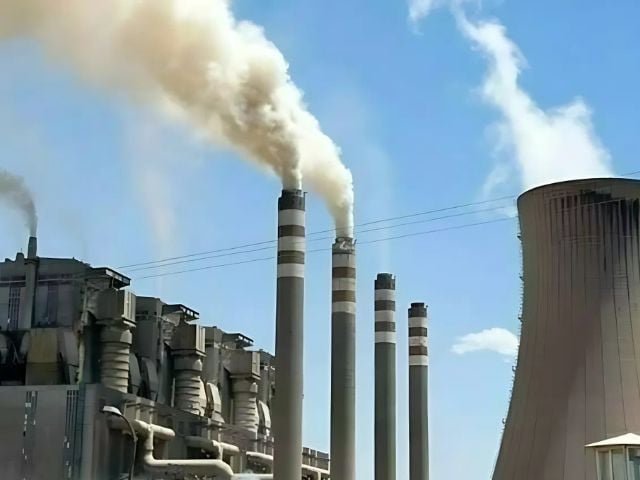
    Under the new measure, a levy of Rs1,247 per MMBTU has been imposed on captive power plants. The revenue generated from this levy will be utilized to lower electricity tariffs for all categories of power consumers.

    According to the report, officials said the government plans to pass on the financial benefit to consumers on a monthly basis, providing relief in electricity bills. The Petroleum Division has issued a formal notification for the implementation of the levy on captive power plants for December 2025.

    The levy has been imposed under the Off-the-Grid Captive Power Plants Levy Act 2025. The federal cabinet had earlier approved the mechanism to ensure that proceeds from the captive power levy are transferred to electricity consumers in the form of tariff relief.

    Captive power plants, which are typically operated by industrial units for self-generation of electricity, will now contribute to the broader power sector through this levy. Officials maintain that the measure is aimed at improving financial sustainability in the energy sector while supporting efforts to reduce electricity costs for households and businesses.

    The move is seen as part of wider structural reforms in the power sector agreed with the IMF to stabilize the economy and rationalize energy pricing. – ER Monitoring Desk