Blog

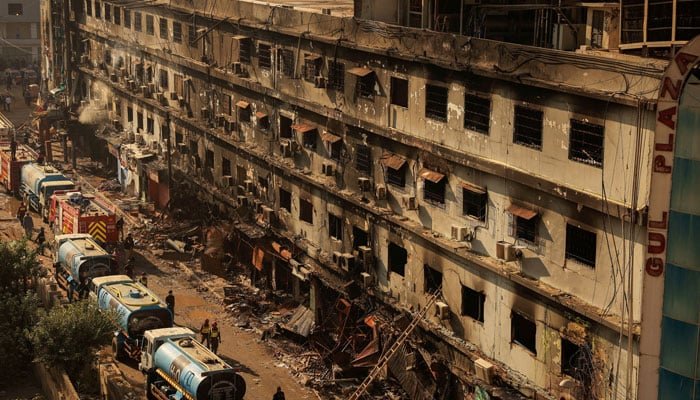
  • Gul Plaza Fire: Tragedy Could Have Been Averted With Basic Safety Measures

    Gul Plaza Fire: Tragedy Could Have Been Averted With Basic Safety Measures

    The fire operation at Gul Plaza in Karachi’s South District has been declared complete, with official figures confirming that 79 people lost their lives, either due to burns or suffocation. Yet another deadly incident has added to the long list of urban tragedies in Pakistan’s largest city—one marked by poor governance, weak regulatory enforcement, and chronic neglect of safety standards.

    While the forensic report is still awaited, unofficial accounts circulating suggest that the fire may have been triggered by children playing with burnt matchsticks inside the building. Authorities, however, have not yet confirmed the cause of ignition.
    What is beyond dispute, according to fire safety and engineering experts, is that the scale of damage and loss of life could have been drastically reduced—or entirely prevented—had basic fire safety measures been implemented and followed.

    A Building Without Safety
    Gul Plaza is one among thousands of buildings in Karachi that fail to meet even the minimum fire safety requirements. Experts point out that both commercial and residential occupants often remain indifferent to emergency preparedness, evacuation planning, and fire prevention—until disaster strikes.
    “This incident has once again exposed the real state of our governance and regulatory systems,” said one expert, noting that similar questions have arisen after every major fire tragedy in Karachi over the past 15 years: Why do so many people die in relatively small buildings?

    Codes Exist, Compliance Does Not
    Pakistan is not short of laws or technical guidance. The Pakistan Engineering Council (PEC) developed a comprehensive Building Code of Pakistan several years ago, which clearly outlines requirements for emergency exits, fire-resistant design, evacuation routes, and firefighting systems. The code applies across the federation.
    In Sindh, additional provisions exist under the Occupational Safety and Health Act, which also incorporates building safety standards. However, experts say the problem lies in implementation and enforcement, not legislation.
    Design engineers, they argue, must also ensure that approved drawings strictly follow these codes and that building control authorities enforce compliance without exception.

    The First Three Minutes Matter
    Fire safety specialists emphasize that the first three minutes of a fire are critical. If a fire is controlled during this window, a major catastrophe can often be avoided.
    “There is a severe lack of awareness among the general public,” said Jawed Akhtar, a fire safety expert. “In Gul Plaza, we saw panic, lack of coordination, no understanding of how to operate firefighting equipment, and no emergency response plan. Smoke disorients people—without training, they don’t know where to go.”
    According to him, a functional emergency response plan alone could have saved every life. “There should have been immediate announcements, organized evacuation, and trained personnel guiding occupants towards emergency exits.”

    Awareness, Training, and Attitude Change
    Ali Ashraf, another expert, stressed that engineering solutions already exist, but they are useless without awareness and training.
    “Even if firefighting equipment is installed, it cannot be used effectively unless people are trained,” he said. “Residents and workers in multi-storey buildings must understand fire types, extinguisher usage, and evacuation protocols. Missing the initial three minutes often means losing control entirely.”
    He added that people must also understand the five classes of fire and the fire triangle—oxygen, fuel, and heat—to respond appropriately.

    Start Early, Educate Deeply
    Aijaz ul Haq, Secretary, the Institution of Engineers Pakistan, Karachi emphasized the need for long-term sensitization, suggesting that fire safety concepts should be included in school curricula.
    “If people learn about fire behavior, risks, and response from childhood, they become safer adults,” he said. “We already have laws and regulations. Building associations should deploy trained volunteers at entry and exit points to guide occupants during emergencies.”

    Role of Engineering Bodies and Media
    Engr. Ayaz Mirza, the organizer of OHSE Conference of the Institution of Engineers Pakistan highlighted the role of professional institutions such as the Institution of Engineers Pakistan (IEP), which regularly submits safety recommendations to government departments and conducts awareness activities.
    “Not all recommendations are implemented, but some have been incorporated into law,” he said, adding that pressure on authorities has continued for over a decade.
    Experts unanimously stressed that the media must play a proactive role in spreading fire safety awareness. Collaboration between engineering bodies and media platforms could significantly improve public preparedness.

    Survey of Unsafe Buildings Urgently Needed
    Experts called on the Pakistan Engineering Council, in collaboration with builders’ associations such as ABAD, to conduct an urgent survey of buildings in old and semi-old areas of Karachi.
    They also pointed out that, according to existing laws, there should be at least one fire station for every 100,000 people—a requirement that is far from being met in many parts of the city.

    A Preventable Loss
    The Gul Plaza fire is not an isolated incident but a systemic failure of planning, enforcement, awareness, and accountability. Experts agree that unless building safety codes are enforced, emergency preparedness is institutionalized, and public awareness is taken seriously, such tragedies will continue to repeat themselves.
    And each time, the question will remain the same: Why were lives lost when the solutions were already known?

  • Dr Fauzia Idrees Named Among 2025 Top 50 Women in Engineering by Women’s Engineering Society

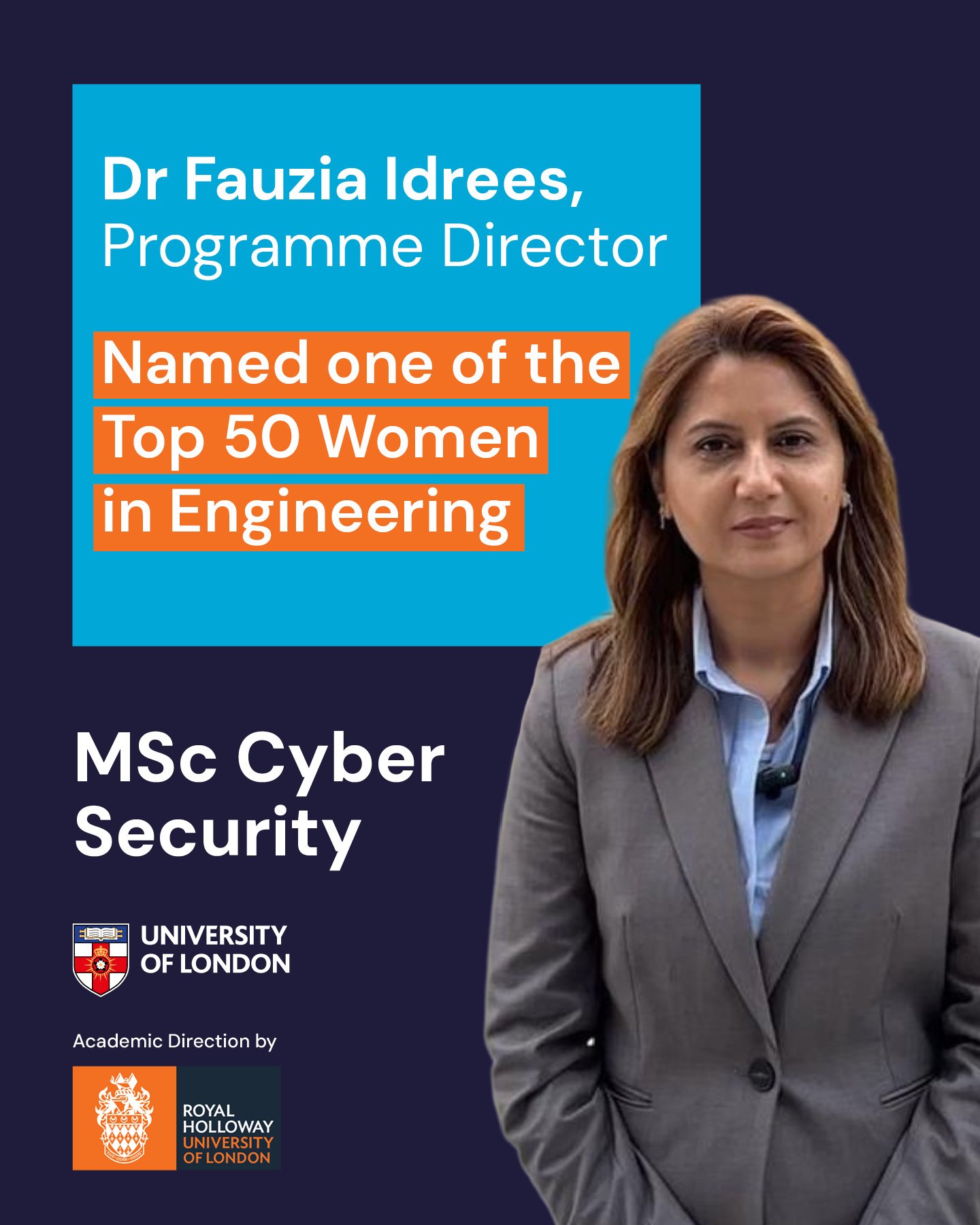
    Dr Fauzia Idrees Named Among 2025 Top 50 Women in Engineering by Women’s Engineering Society

    The recognition highlights Dr Idrees’ outstanding work in advancing cyber security education, promoting diversity in technology, and preparing the next generation of professionals to tackle evolving digital threats in an increasingly connected world.

    Speaking about the philosophy behind the programme, Dr Idrees remarked, “Cyber security is not just about technology, it’s about people, trust, and protection—and that means it thrives on diversity of thought, background, and experience. Whether you’re interested in the technical aspects, policy, education, or the human and behavioural sides of security, there’s a place for you.”

    Her vision underscores a holistic approach to cyber security that goes beyond coding and networks to include ethics, human behavior, governance, and trust—areas that are becoming central to modern digital protection strategies.

    Under her leadership, the MSc Cyber Security programme has evolved into a multidisciplinary platform that combines technical excellence with real-world applicability. The curriculum emphasizes practical learning, research-driven insight, and industry alignment, equipping students with skills in digital forensics, threat intelligence, risk management, cyber law, and secure system design.

    Dr Idrees’ inclusion in the WES Top 50 list not only celebrates her personal achievement but also signals the growing global recognition of the role educators play in shaping resilient digital ecosystems. Her work continues to inspire students—especially women—to pursue careers in engineering and cyber security, fields where gender representation has historically been limited.

    Profile: Dr Fauzia Idrees

    Dr Fauzia Idrees is an accomplished academic and cyber security specialist serving as the Programme Director of the MSc Cyber Security programme. With a strong background in information security, digital risk management, and cyber policy, she has been instrumental in developing an education model that blends technical depth with human-centered understanding of security.

    She is a strong advocate for diversity in engineering and believes that inclusive perspectives are critical to building safer digital systems. Her teaching and research interests span cyber governance, behavioral aspects of security, digital ethics, and emerging threats in cyberspace.

    Through her leadership, mentorship, and curriculum development, Dr Idrees has helped create pathways for students from varied backgrounds to enter and excel in the cyber security domain. Her recognition by the Women’s Engineering Society places her among an international community of women engineers driving change, innovation, and inclusivity across the engineering spectrum. – ER News Desk

  • Harassment complaint case: Sindh Governor Sets Aside Ombudsman Order Against K-Electric CEO

    Harassment complaint case: Sindh Governor Sets Aside Ombudsman Order Against K-Electric CEO

    K-Electric Limited (KEL) has informed KSX that the Governor of Sindh has set aside the order previously issued by the Provincial Ombudsman, Sindh, against the company’s Chief Executive Officer in a harassment complaint case.

    The development follows K-Electric’s earlier disclosure dated August 1, 2025, regarding an order passed by the Provincial Ombudsman on July 31, 2025, in a complaint filed by a former employee under the Protection against Harassment of Women at the Workplace Act, 2010. The complaint had been lodged against two employees and a former director of K-Electric.

    Subsequently, the CEO had approached the Sindh High Court (SHC) through a constitutional petition, upon which the court had suspended the operation of the Ombudsman’s order. The CEO had also filed a representation (appeal) before the Governor of Sindh, the designated appellate authority under the law.

    According to K-Electric, the Governor of Sindh, exercising powers under Section 9 of the Act, heard the parties and reviewed the relevant record before issuing the decision to set aside the Ombudsman’s July 31, 2025 order. – ER News Desk

  • Avanceon Secures USD 9 Million Worth of Automation Projects in Pakistan

    Avanceon Secures USD 9 Million Worth of Automation Projects in Pakistan

    According to the company, projects worth USD 5.7 million have been secured in the energy sector, with Letters of Intent (LOIs) already received. These assignments include terminal automation and digital transformation initiatives incorporating solar-powered control systems, resilient communication networks, centralized SCADA integration, and IEC 62443-compliant cybersecurity frameworks. The projects aim to enhance operational efficiency, system resilience, and regulatory compliance across critical energy infrastructure.

    In addition, Avanceon has secured USD 3.3 million in new projects within the hospitality, retail, and real estate sectors. These include the delivery of advanced ELV, Building Management Systems (BMS), Fire Alarm Systems, Guest Room Management Systems, and IT network solutions, designed to optimize energy use, improve operational efficiency, and enable centralized asset management.

    The development marks Avanceon’s formal entry into the hospitality automation market, supporting its long-term growth strategy in smart buildings and digital infrastructure.

    Avanceon stated that its strong project references, proven track record, and partnerships with leading OEMs were instrumental in securing these projects. All implementations will follow HAZOP studies and ISO 9001-certified QA/QC protocols, ensuring compliance with international quality and safety standards.

    Due to client confidentiality, specific customer names and project details have not been disclosed.

    Karachi: ER News

  • Adeel Qamar Resigns as CEO of Engro Powergen Qadirpur Limited

    Adeel Qamar Resigns as CEO of Engro Powergen Qadirpur Limited

    The Board of Directors has initiated the process to appoint a new Chief Executive Officer and is expected to make an appointment in due course.

    The company expressed its deep gratitude and appreciation to Mr. Adeel Qamar for his valuable contributions and dedicated service. Mr. Qamar began his professional career at Engro Fertilizers in 2003 as a Graduate Trainee Engineer. Over the years, he held several senior leadership roles within the Engro Group, including key positions at Engro Polymer & Chemicals Limited (EPCL), where he played an important role in driving operational excellence and strategic growth.

    Engro Powergen Qadirpur Limited is an independent power producer (IPP) operating a 217-megawatt permeate gas-based power plant located at Qadirpur, Ghotki. The facility is a combined-cycle power plant with a 1+1+1 configuration, comprising one gas turbine, one heat recovery steam generator (HRSG), and one steam turbine, enabling efficient power generation.

    Under Mr. Qamar’s leadership, the company continued to focus on operational reliability, efficiency, and its contribution to Pakistan’s power sector. The Board and management acknowledged his leadership and commitment, wishing him success in his future professional endeavors.

    Profile
    20+ years of diversified experience across engineering, maintenance, project management, contracts management, business development, supply chain, & human resources. Adept at cultivating high-performing teams and fostering collaborative environments that maximize productivity. Skilled in stakeholder engagement, risk mitigation, and implementing large scale projects. – ER News Desk

  • Mari Energies Announces Gas Discovery at Tibri-1 Well in Balochistan

    Mari Energies Announces Gas Discovery at Tibri-1 Well in Balochistan

    The Kalchas South Block is operated by United Energy Pakistan Limited (UEPL), which holds a 46 percent working interest. Mari Energies Limited owns a 44 percent working interest, while Dewan Petroleum (Pvt.) Limited (DPL) holds the remaining 10 percent stake.

    According to the information shared by the company with the Pakistan Stock Exchange, Tibri-1 is the first exploratory well drilled in the Kalchas South Block. The well was spudded on November 11, 2025, and drilled to a total depth of 7,170 feet. Initial testing of the Dunghan/Sui Main Limestone (SML) formation has yielded encouraging results. The well flowed gas at a rate of 11 million standard cubic feet per day (MMSCFD) at a 64/64-inch choke with a wellhead flowing pressure of 561 psig. At a 32/64-inch choke, the well produced 6.5 MMSCFD of gas with a wellhead flowing pressure of 1,161 psig.

    Further testing and evaluation are currently underway to assess the full production potential of the discovery.

    The area had remained largely unexplored for an extended period due to security challenges. However, following the acquisition of additional working interest from DPL in July 2023, the joint venture resumed exploration activities in the block. The successful Tibri-1 discovery reflects the joint venture’s renewed commitment to unlocking Pakistan’s domestic hydrocarbon potential and contributing to the country’s energy security.

    The discovery is expected to support ongoing efforts to reduce reliance on imported energy and strengthen indigenous gas supplies. – ER News Desk

  • How IoBM Is Navigating Rankings, Research Quality and Emerging Technologies

    How IoBM Is Navigating Rankings, Research Quality and Emerging Technologies

    By Manzoor Shaikh

    Ranking of Universities
    There are two views on this issue. Some say there is no need for ranking, as alumni and employers would determine where universities stand. Others support the standards on which university standings are ranked.
    QS is one of the top rankings and is believed to be prestigious. It impacts universities in terms of admissions, as it determines their standing. Pakistan has a very low number of universities that appear in world rankings. Now, the Asia ranking was introduced in this exercise in 2024. In this ranking, 82 universities from Pakistan appeared. After the Asia ranking, we are more visible than ever. We qualified from the start of this category. We understood the mechanism and fulfilled the parameters. One of the significant parameters is research. Another basis is perception—how other people perceive IoBM. They seek employer lists and talk to them about the university. On the research side, they assess the quantitative aspect of research by looking at numbers. The target is 1,000 publications in three years. This is not possible for every university, given the size of student and faculty populations engaged in research.

    QS Ranking Qualification and Our Success
    The number of universities appearing in the ranking is not satisfying; more universities should have appeared. Ranking does not happen automatically; universities must submit their evidence. HEC is, in a way, compelling universities to participate in rankings, as it asks about ranking in one of its rubrics.
    This is serious work for universities. What we have done is distribute our faculty into four parts, as everybody cannot do everything. We have two kinds of faculty: PhD and non-PhD. We divided PhD faculty into two categories—scholarly academicians and professional academicians. The former focus more on research, while the latter teach more. Earlier, everyone was doing everything, which was difficult. Likewise, we categorized non-PhD faculty as scholarly practitioners and instructional practitioners. Instructional practitioners focus on teaching, while scholarly practitioners engage in some research and funding. We have prepared an excellent framework, appreciated by HEC as well. Since we are moving toward international accreditation, we need to change ourselves. This benefited us as our visibility improved by default.

    Research vs Numbers
    In Pakistan, one may write 15 papers and become a professor. However, what is important is the impact of the research. Recently, THE discussed impact research based on the SDGs. Each university must cover at least three SDGs, while the fourth must be SDG 17. Another ranking, the Shanghai Ranking, asks at the outset whether any faculty member or student has ever won a Nobel Prize. No Pakistani university qualifies for that ranking. The university from which I earned my PhD had three Nobel laureates.

    Next Target as Rector
    Sustaining any achievement is a major challenge. In recent Asian rankings, many universities fell in the list and scored lower than before. We have improved and moved upward continuously. First, we aim to move further up the list and enter world rankings. Second, we are now pursuing international accreditation. Some public-sector universities have already done so, and we are also capable. We are going for CCSP accreditation, as we are a business university. Then there are the “three crowns,” a distinction earned by a very small number of universities. Additionally, BGA is another crown, and we are its first member in Pakistan.

    Impact of Fast Changes in Emerging Technologies
    These technologies are widely used today. Our students use them, including AI tools, for assignments, and we are experienced enough to understand this. Using these tools is not wrong; not acknowledging them is. We need to change the perspective that failing to mention the use of AI tools is inappropriate. These tools should be used positively, but we may have stopped thinking independently. Young people have started relying heavily on these tools, which is a real concern. We need to formulate a policy.

    Publised in ER Jan 16-31, 2026

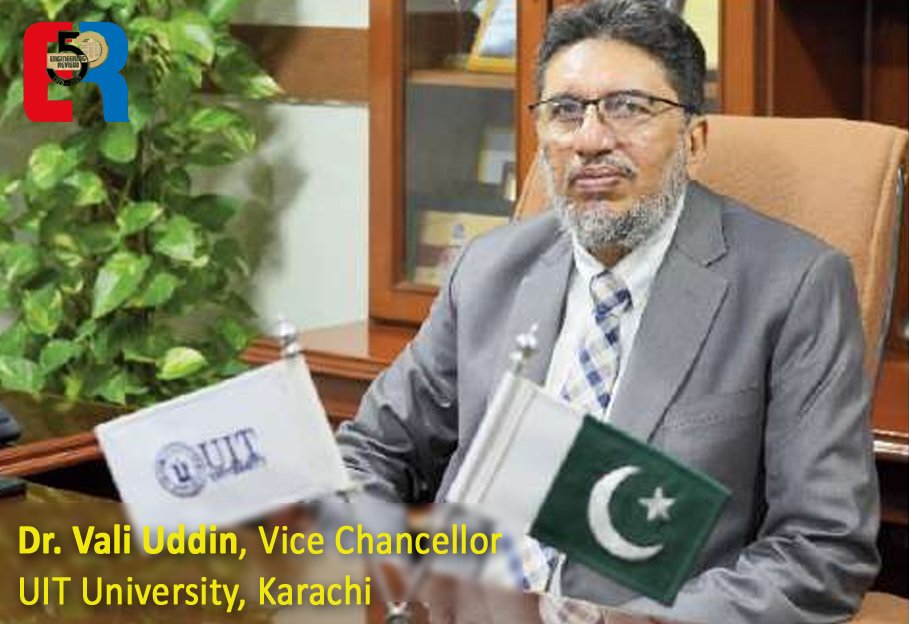
  • From Institute to Innovation Hub: UIT University’s Transition and Vision

    From Institute to Innovation Hub: UIT University’s Transition and Vision

    I have had the opportunity to work at several institutions—NUST, Iqra, Hamdard, Sir Syed, and now UIT. Every institution has its own culture and environment, along with its strengths and challenges. One thing common to all is their commitment to quality education. If we look at how UIT is different, Hamdard was a large university with many programs, while Sir Syed evolved from an engineering university into a multi-program institution. Everywhere, IT and computing departments are growing rapidly. UIT is different in that it began as a small institute; its first classes started in Spring 2022, and now its first batch is about to graduate. It is transitioning from an institute to a university. With this new direction, our focus is also changing—strengthening research culture, building national and international collaborations, policy-making, and product development—because as a new institution, we must take it forward.

    UIT’s key advantage has been its strong practical orientation. From the start, students here have been very strong practically alongside theoretical knowledge, and they adapted quickly. Even now, our graduates’ employment ratio is very good. We want to maintain this edge and extend it to new programs we plan to launch, so our graduates meet market requirements fully.

    As you may have seen, participation in industrial events is essential. We want to bring industry closer at multiple levels. We are working at an advanced level with industry on internships and practical exposure. We have also designed the curriculum to engage students with industry, and the third level is engaging faculty. We aim to implement all these within one year.

    We have many industry collaborations and benefit from being located in Karachi. However, much of the local industry consists of production units—except for software houses—where students do not always get deep learning opportunities. There is a lack of homegrown industry. Graduates and faculty are not engaged at the level they should be, which affects growth.

    That is why we focused on our core strength. Pakistan’s IC design tape-out was done by UIT students. We identified this area, focused on it, and trained students. To date, nine tape-outs have been completed, and our students are present on all major global IC design platforms. There is strong demand, and real design work is happening. Currently, our students are working on a new quantum computing project acquired from abroad, which has been very successful. We have also formed partnerships for human resource training and will conduct training in Sindh and Balochistan, with roles as designers.

    Globally, job opportunities for engineers are increasing. IT has developed software, but it must be implemented—whether in robotics, alternative energy, or electric vehicles. A new EV market is emerging, with large projects underway. Engineers are needed everywhere. While we have updated curricula according to requirements, we have not moved fast enough.

    Another major requirement is laboratories, which are expensive. Labs are needed across disciplines, but when student numbers are low, institutions are reluctant to invest heavily, limiting output. In this area, the government and PEC should consider how they can help.

    I have raised the issue of labs at PEC as well. High-end labs are capital-intensive; therefore, the government or large institutions should invest in them and allow all universities to use them. We need to work according to our local environment and develop policies, rather than only citing international examples.

    We urgently need more space. Pakistan has a large youth population, and to introduce new programs and variations, work has been done and final approvals obtained. We are constructing a new building of similar size to the existing one, with a target of completion within three years. Currently, we have around 1,600–1,700 students, which will increase to about 3,500.

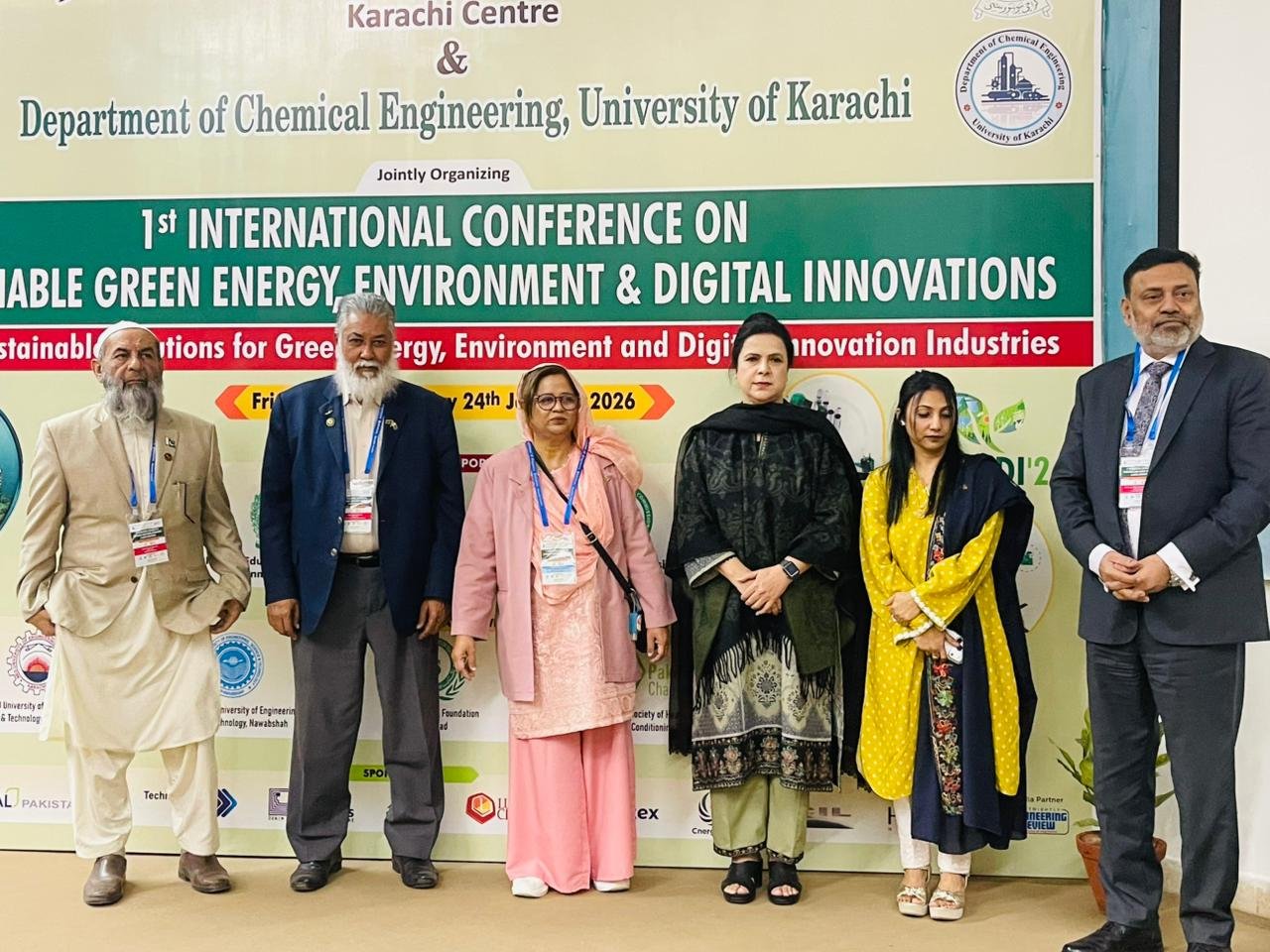
  • 1st Int’l Conference on Sustainable Green Energy, Environment & Digital Innovations Begins at KU

    1st Int’l Conference on Sustainable Green Energy, Environment & Digital Innovations Begins at KU

    The prestigious event, organized jointly by the Department of Chemical Engineering, University of Karachi, and The Institution of Engineers Pakistan (IEP), Karachi Centre, was inaugurated with the recitation from the Holy Quran and the national anthem.

    With the theme “Sustainable Solutions for Green Energy, Environment and Digital Innovation Industries,” the conference aims to foster dialogue and collaboration on critical global challenges. The hybrid mode event, allowing both physical and virtual participation via Zoom, saw a gathering of esteemed academics, industry leaders, and engineering professionals.

    The opening session featured a series of addresses from key figures. Prof. Dr. Shagufta Ishteyaque, Chairperson of the Department of Chemical Engineering and Conference Chair, delivered the welcome address. Engr. M. Farooq Arbi, Chairman of IEP Karachi Centre, and Prof. Dr. Bilquees Gul, Dean of the Faculty of Science & Engineering and Conference Patron, also shared their insights.

    International perspectives were highlighted in keynote speeches by Prof. Dr. Athila Evcin from Afyon Kocatepe University, Turkey, and Prof. Dr. Iqbal Mohammad Mojtaba from the University of Bradford, UK, focusing on material sciences and chemical engineering applications for sustainability.

    The session was graced by the presence of Prof. Dr. Khalid Mehmood Iraqi, Vice Chancellor of the University of Karachi and Patron-in-Chief of the conference, and Engr. Prof. Dr. Samreen Hussain, Vice Chancellor of DUET Karachi, as the Guest of Honour.

    Following the morning inaugural session, the conference continued with an afternoon technical session chaired by a panel of experts, featuring keynote speeches, invited talks, and presentations from national and international researchers and industry experts from institutions like QUEST Nawabshah, Novatex Limited, and various departments of the University of Karachi.

    The conference serves as a significant platform for sharing cutting-edge research, innovative practices, and fostering partnerships to advance the goals of sustainable energy, environmental protection, and digital transformation. The event concluded with shield distributions, group photos, and a high tea.

    Karachi, Pakistan – January 23, 2026

  • Meet Our New Consulting Editors

    Meet Our New Consulting Editors

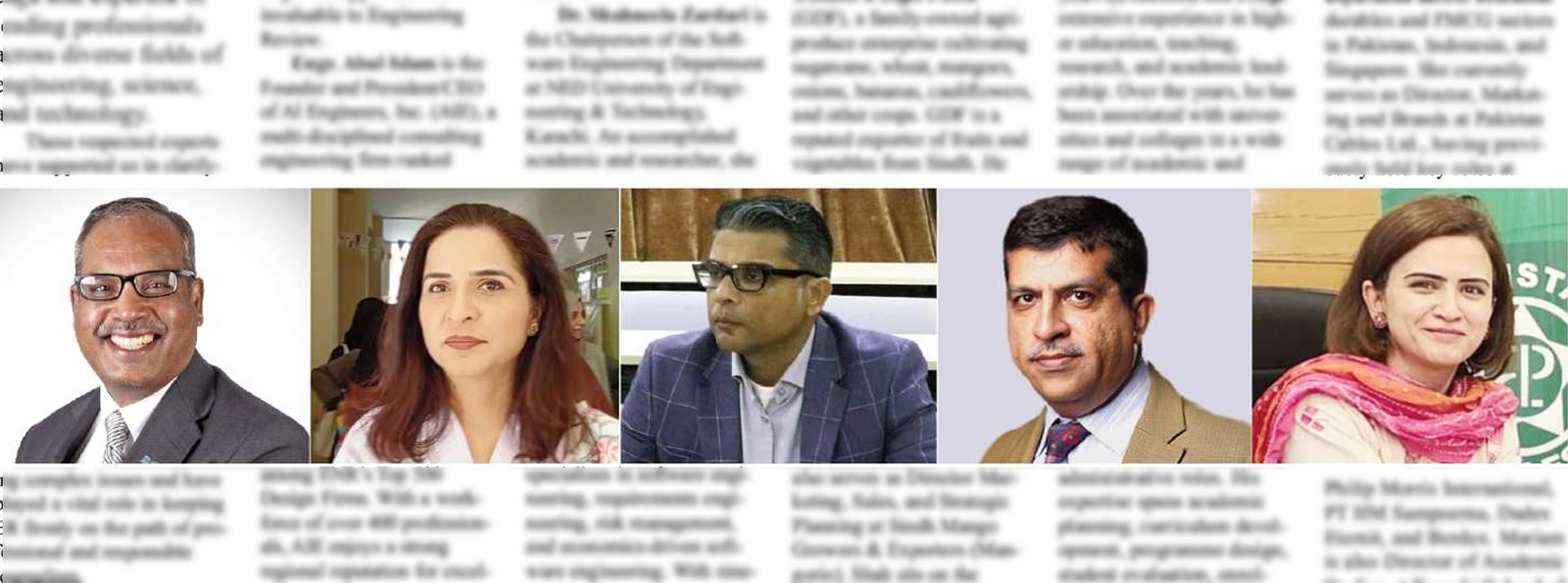
    We are pleased to announce that four more distinguished professionals have agreed to join our team as Consulting Editors, further strengthening our intellectual depth and editorial vision. We take this opportunity to introduce them to our readers.

    Their contributions will complement the continued guidance of Dr. Bhawany Shankar Chaudhry, Engr. Khalid Pervez, and Engr. Farhat Adil, whose mentorship and support remain invaluable to Engineering Review.

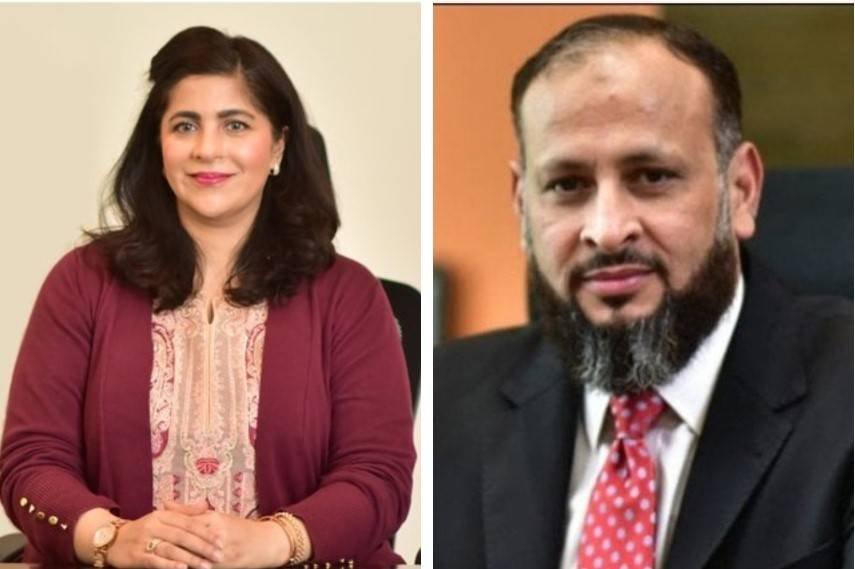
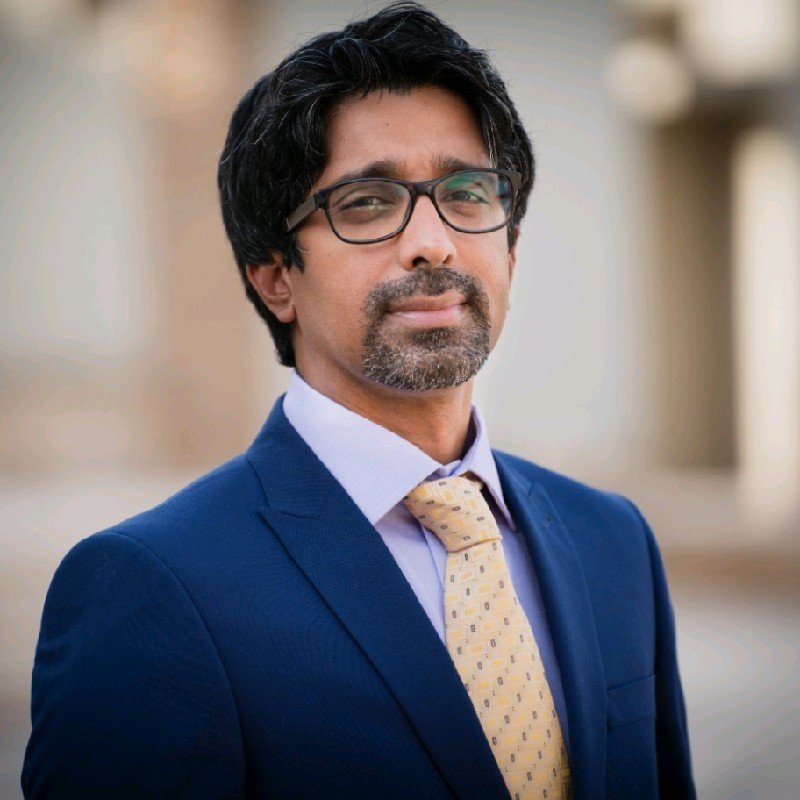
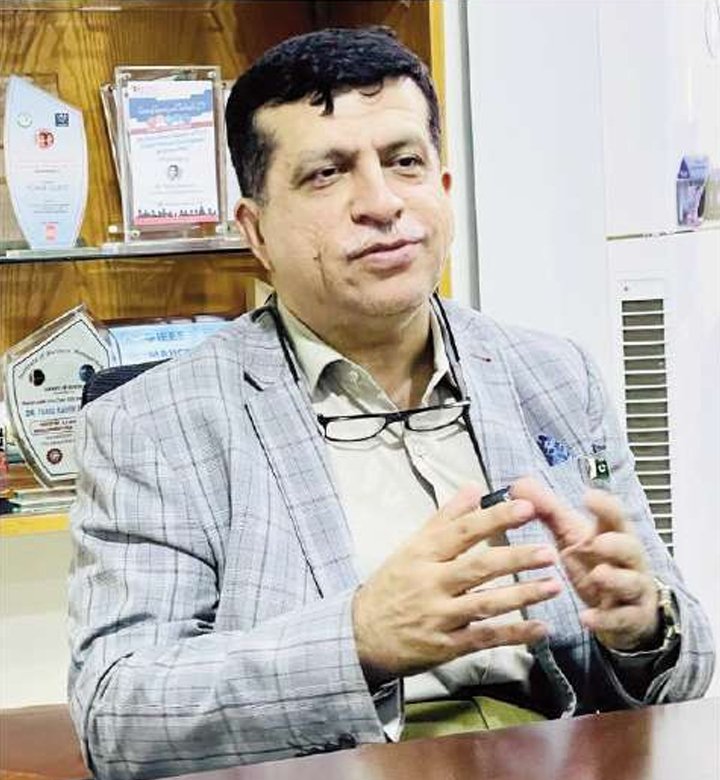
    Engr. Abul Islam is the Founder and President/CEO of AI Engineers, Inc. (AIE), a multi-disciplined consulting engineering firm ranked among ENR’s Top 500 Design Firms. With a workforce of over 400 professionals, AIE enjoys a strong regional reputation for excellence, quality, and innovation. Engr. Islam is deeply committed to employee development, fostering a culture of teamwork, transparency, and leadership. Five years ago, he established AI Engineers Pakistan, contributing meaningfully to Pakistan’s engineering industry. With more than 40 years of professional experience, he has successfully led major infrastructure projects across the United States, including bridges, highways, airports, transit systems, and utilities.

    Dr. Shahneela Zardari is the Chairperson of the Software Engineering Department at NED University of Engineering & Technology, Karachi. An accomplished academic and researcher, she specializes in software engineering, requirements engineering, risk management, and economics-driven software engineering. With nineteen years of full-time teaching and research experience, she has made significant contributions to academic leadership and curriculum development. Dr. Zardari is widely recognized for her strong communication skills and her ability to convey complex technical concepts clearly to diverse audiences. Her work reflects a deep commitment to advancing software engineering education and mentoring future professionals.

    Mahmood Nawaz Shah is a progressive farmer based in Tando Allah Yar, Sindh, and the driving force behind Genuine Delight Farms (GDF), a family-owned agri-produce enterprise cultivating sugarcane, wheat, mangoes, onions, bananas, cauliflowers, and other crops. GDF is a reputed exporter of fruits and vegetables from Sindh. He also serves as Director Marketing, Sales, and Strategic Planning at Sindh Mango Growers & Exporters (Mangorio). Shah sits on the boards of the Trade Development Authority of Pakistan (TDAP), Pakistan Horticulture & Export Board, and Hisar Foundation, and currently serves as Senior Vice President of the Sindh Abadgar Board. With over 25 years of professional experience and advanced degrees from George Washington University, USA, he remains actively engaged in agricultural policy, governance, and public sector reform discourse.