Blog

  • Karachi Development Package: Sindh Govt–FWO Partnership Aims to Redefine Urban Project Delivery

    Karachi Development Package: Sindh Govt–FWO Partnership Aims to Redefine Urban Project Delivery

    The move is being viewed by engineers and urban planners as an attempt to address long-standing issues of delayed completion, cost overruns, weak coordination, and governance gaps that have historically plagued development schemes in Karachi.

    Sindh Chief Minister Syed Murad Ali Shah approved the Karachi Transformation Plan while presiding over a joint meeting of the FWO, the local government department, and the Karachi Metropolitan Corporation (KMC) at the CM House. The meeting was attended by senior provincial officials, including Local Government Minister Nasir Hussain Shah, Karachi Mayor Barrister Murtaza Wahab, the Chief Secretary, Commissioner Karachi, and Finance Secretary, while the FWO delegation was led by its Director General, Major General Abdul Sami.

    Under the plan, the Sindh government announced a one-time grant-in-aid of Rs84.796 billion for 523 development schemes in Karachi, alongside Rs26.282 billion approved under the federal PSDP for Karachi-related projects. Additionally, six priority infrastructure projects worth Rs10.72 billion have been identified for immediate execution to ease traffic congestion, improve connectivity, and strengthen urban mobility.

    These include rehabilitation of the M-9 to Malir-15 corridor via Jinnah Avenue and Shahrah-e-Faisal, construction of an underpass at Malir Halt, a flyover from Airport Road to Star Gate, road rehabilitation from Y-Junction to Machli Chowk in Hawksbay, and the construction of a flyover at Sohrab Goth—Karachi’s main intercity gateway.

    According to the chief minister, the partnership with FWO is intended to ensure “quality, speed, and transparency,” with all major projects to be designed and executed at international standards.

    Engineers believe this long-term collaboration has two primary drivers. First, Karachi’s development projects have frequently failed to meet timelines due to weak inter-agency coordination, poor governance, encroachments, and unresolved utility relocation issues. These delays often inflate project costs, disrupt daily life for commuters, and ultimately damage the government’s credibility.

    Second, with elections approaching, the government is under pressure to demonstrate visible and substantive development. Faster execution, better construction quality, and timely completion are seen as politically crucial areas where FWO’s reputation for disciplined project management and rapid construction gives the government confidence.

    Engineers point out that coordination with civilian utilities and removal of encroachments are among the biggest causes of delays in Karachi. The presence of a non-civilian executing agency like FWO is expected to significantly reduce such bottlenecks, even if they cannot be eliminated entirely. FWO’s operational structure, they argue, allows for quicker decision-making and enforcement, which is often difficult in purely civilian-led projects.

    However, the partnership has also raised concerns within professional circles. Some senior engineers warn that large-scale involvement of FWO in the Karachi Development Package could sideline major local consultants and contractors by limiting competitive bidding. While FWO typically subcontracts work to smaller firms—benefiting small and medium contractors—large civilian construction companies may find themselves excluded, potentially impacting the broader construction industry.

    Others argue that the issue lies less with FWO’s entry and more with the civilian sector’s own weaknesses. According to this view, large local firms have struggled with project management efficiency, timely completion, and coordination, creating difficulties for clients. Delays in fund releases, which are often seen as common in government projects, also remain a critical factor affecting project speed, regardless of the executing agency.

    Transparency remains another debated aspect. Some engineers note that allegations of non-transparent contract awards and commissions have long surrounded public-sector projects in Sindh. They caution that unless governance reforms accompany the new partnership, structural issues related to accountability and fair procurement may persist, even if execution improves.

    Meanwhile, work on smaller projects has already begun. Karachi Mayor Barrister Murtaza Wahab recently laid the foundation stone for the Suparco Road rehabilitation project in Keamari, being executed at a cost of Rs56 million. The project includes extensive paving and asphalt works aimed at improving traffic flow and civic facilities.

    Overall, the Sindh government–FWO partnership represents a bold attempt to reset Karachi’s development trajectory. Whether it succeeds in delivering timely, high-quality, and transparent outcomes—while balancing the interests of the local construction industry—will determine if this model becomes a template for future urban development in Sindh.

  • Pakistan to Leverage Space and AI Technologies for Maritime Management

    Pakistan to Leverage Space and AI Technologies for Maritime Management

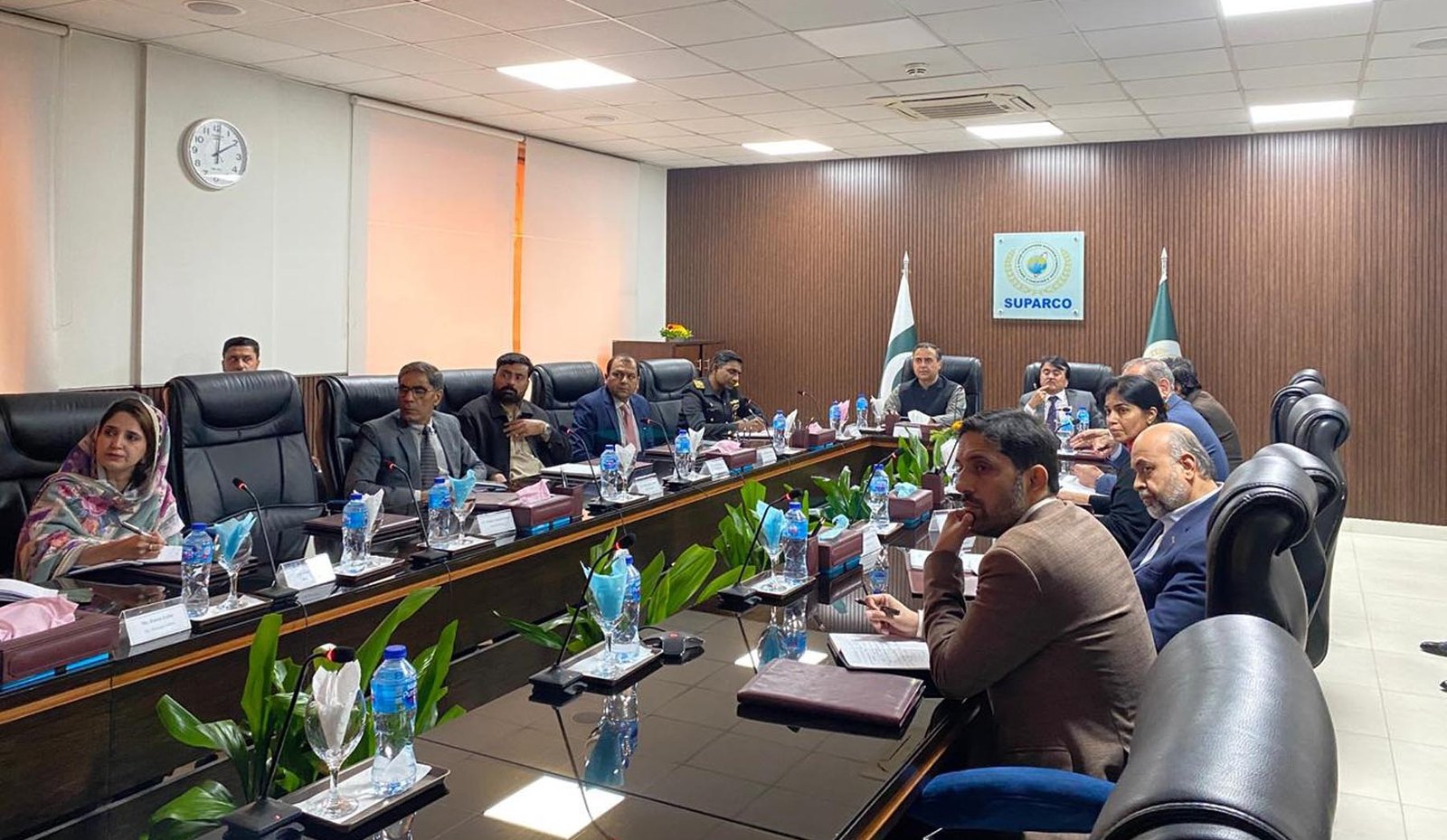
    He made the remarks during a visit to the Pakistan Space and Upper Atmosphere Research Commission (SUPARCO) headquarters—the first-ever visit by a maritime affairs minister to the organization. SUPARCO Chairman Yusuf Khan briefed the minister on satellite-based capabilities for maritime safety, port management, environmental monitoring and disaster response.

    The minister was presented with satellite assessments for potential new ports and plans for AI- and satellite-enabled relief and rescue operations. He emphasized the use of space technology to address climate change impacts, protect ocean biodiversity and ensure sustainable use of marine resources, in line with Pakistan’s international commitments.

    SUPARCO also proposed artificial intelligence solutions for ports to improve efficiency and maritime safety. Both sides agreed to institutionalize cooperation through a formal framework to enhance coordination in maritime monitoring, disaster management and environmental protection. – ERMD

  • Pakistan, Canada Discuss Enhanced Cooperation in Minerals and Energy Sectors

    Pakistan, Canada Discuss Enhanced Cooperation in Minerals and Energy Sectors

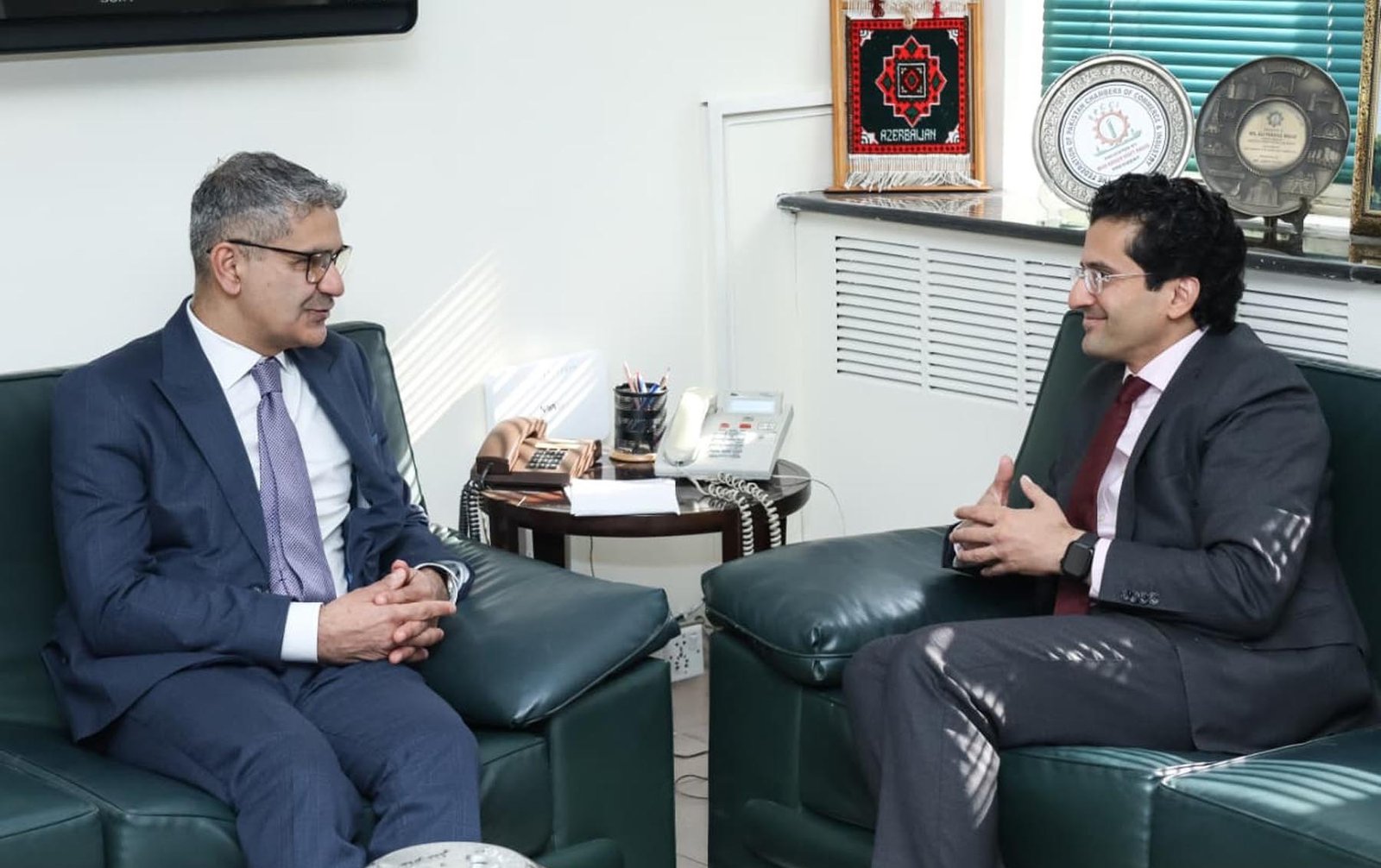
    During the meeting, the Canadian high commissioner highlighted the success of Barrick Gold’s Reko Diq project as a strong foundation for expanding Pakistan–Canada cooperation in the minerals sector. He said Canada is actively encouraging more Canadian companies to participate in the Pakistan Minerals Investment Forum (PMIF) and expressed optimism about deeper engagement with Pakistan in a changing global environment shaped by shared values, networks and common interests.

    High Commissioner Tarik Ali Khan also conveyed that the Ministry of Natural Resources Canada is ready to support cooperation with Pakistan in the mineral sector. Sharing his personal experience, he said he had visited the Reko Diq site and was encouraged by the visible community development initiatives, including schools, hospitals and water purification projects.

    Federal Minister Ali Pervaiz Malik noted that Reko Diq has successfully secured international financing, making it one of the most significant funding rounds achieved by Pakistan in recent years. He emphasized that the government is committed to ensuring the highest standards of labour safety and Environmental, Social and Governance (ESG) compliance, and that major mining projects are being developed for long-term national benefit.

    The high commissioner also invited Pakistan to participate in PDAC 2026, the world’s leading mineral exploration and mining convention, scheduled to be held in Canada in March 2026. He said the event would provide an important platform for Pakistan to showcase its mineral potential to global investors and further strengthen bilateral cooperation.

    In addition, the high commissioner shared that Canada is exploring ways to provide technical assistance in the energy sector. Welcoming the initiative, the federal minister said support in technical expertise and intellectual capital would help strengthen Pakistan’s systems and enhance investor confidence.

    Both sides reaffirmed their commitment to advancing Pakistan–Canada relations, with minerals and energy identified as key areas of long-term cooperation.

    ER News Desk

  • ASPIRE Pakistan, CECOS University Sign MoU to Empower Entrepreneurs and Innovators

    ASPIRE Pakistan, CECOS University Sign MoU to Empower Entrepreneurs and Innovators

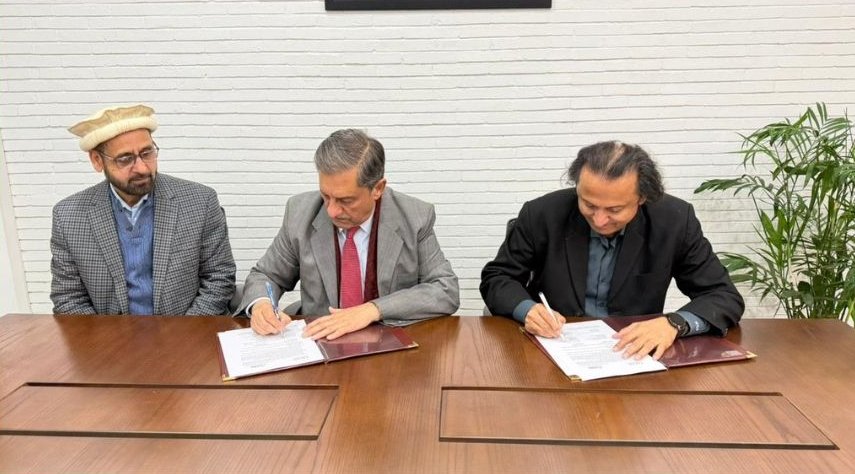
    The MoU was formally signed on 20th January 2026 by Hassan Syed, CEO of ASPIRE Pakistan, and senior leadership from CECOS University, including Dr. Mohammad Mohsin Khan, Vice Chancellor; Dr. Abdul Hanan, Director of ORIC; and Dr. Shiraz Khan, Dean of the Faculty of Computing and Management Sciences, as stated on ASPIRE Pakistan’s LinkedIn.

    This partnership will empower aspiring entrepreneurs and students at CECOS through structured innovation programs, mentorship support, and startup incubation pathways—nurturing a future-ready generation of changemakers and problem-solvers.

    During the visit, Mr. Hassan Syed commended CECOS University’s institutional commitment to fostering a culture of innovation and emphasized the shared mission of bridging academia with the national entrepreneurial ecosystem.

    This collaboration marks another milestone in ASPIRE Pakistan’s ongoing journey to build a connected, empowered, and innovation-driven Pakistan.

    ER News Desk

  • Post–Gul Plaza Tragedy Spurs Nationwide Focus on Fire Safety Audits

    Post–Gul Plaza Tragedy Spurs Nationwide Focus on Fire Safety Audits

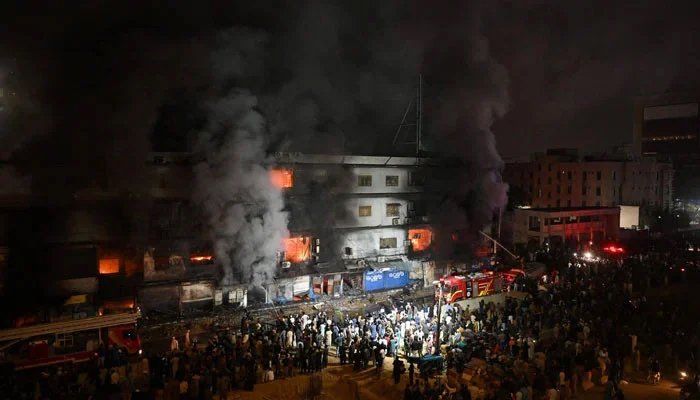
    The deadly fire incident at Karachi’s Gul Plaza, which claimed 28 lives, has triggered renewed concern over fire safety standards in high-rise and commercial buildings across the country, particularly in major urban centres such as Karachi and Lahore. The tragedy has prompted both provincial authorities and industry stakeholders to reassess existing fire prevention and response mechanisms.

    In this context, Punjab Chief Minister Maryam Nawaz on Tuesday announced a comprehensive audit of all fire safety systems across the province. In an official statement, she said that new Standard Operating Procedures (SOPs) would be developed and fire safety systems strengthened to prevent similar incidents in the future.

    The chief minister directed that government and private buildings be thoroughly inspected, particularly in view of risks associated with short circuits, which remain a leading cause of urban fires. She said complete safety checks would be carried out to ensure timely prevention of fire hazards. Maryam Nawaz emphasized that effective safety measures would be ensured in government offices, hospitals, schools and private institutions, adding that proactive steps were essential to avert loss of life and property.

    Meanwhile, scrutiny of fire safety arrangements has also intensified in Karachi. The Association of Builders and Developers (ABAD) Chairman Muhammad Hassan Bakhshi stated that installing fire safety equipment in all buildings within three days was not practically possible, as the required equipment was not readily available in the market.

    Speaking during a televised discussion, he referred to a fire safety audit report issued on Tuesday evening, details of which have since emerged. According to Bakhshi, many of the buildings identified in the report are between 30 and 35 years old. He said that most buildings constructed by ABAD members over the last 15 to 20 years have incorporated fire safety measures, whereas older structures were built at a time when such requirements were not strictly enforced.

    He added that builders of older buildings have now been advised to ensure compliance with fire safety regulations. However, he stressed that retrofitting old structures requires time, technical planning and availability of equipment.

    It may be recalled that the Sindh Building Control Authority (SBCA) had issued an ultimatum directing the installation of fire safety systems across Karachi within three days. SBCA has also formally conveyed this directive to the ABAD chairman through an official letter.

    The recent developments indicate a growing realization among governments and stakeholders that enforcement of fire safety standards, regular audits and realistic implementation timelines are critical to preventing future tragedies in densely populated cities. – ER News Desk

  • Zarea Limited Signs USD 2 Million Strategic MoU with Chinese Agri-Tech Firm

    Zarea Limited Signs USD 2 Million Strategic MoU with Chinese Agri-Tech Firm

    Zarea Limited has announced the signing of a Strategic Memorandum of Understanding (MoU) valued at USD 2 million in the initial phase of a long-term collaboration with Wang Chuang Xi Jun Chang Agri Ltd., a leading Chinese agri-platform company. The MoU was signed on the sidelines of the Pak–China Investment Conference held in Islamabad.

    According to the company, the strategic partnership aims to explore growth opportunities in Pakistan’s agriculture sector by leveraging Wang Chuang Xi Jun Chang Agri Ltd.’s integrated and technology-driven agricultural model. The collaboration will assess the introduction of advanced seed technologies, technology-enabled agronomic and farm services, structured labor and grower management systems, scalable production models, and enhanced agricultural trade between Pakistan and China.

    Zarea Limited stated that the partnership is designed to improve agricultural productivity, strengthen supply chain efficiency, and enhance traceability across the agri-value chain. The initiative is also expected to support the transfer of technical expertise, provide international market exposure, and create potential export linkages for local growers and agribusiness stakeholders in both countries.

    The company added that the collaboration aligns with its long-term strategy of developing a technology-enabled, integrated agricultural ecosystem and is expected to further strengthen Zarea Limited’s position in the agri-commodities segment. – ER News Desk

  • Rescue Continues at Gul Plaza; Demolition Only After All Missing Persons Are Traced, Says DC South

    Rescue Continues at Gul Plaza; Demolition Only After All Missing Persons Are Traced, Says DC South

    Talking to the media in Karachi, the deputy commissioner said that rescue operations at Gul Plaza continued for the fifth consecutive day, while efforts were also underway to expedite the identification of the recovered bodies.

    He said the death toll had risen to 28, while identification of 17 individuals recovered from the debris was still pending. So far, the identification process of 11 victims has been completed. According to him, 85 people are listed as missing, and search efforts are ongoing.

    The DC South said that the location data of 39 missing persons had been traced to Gul Plaza; however, there are certain parts of the building that rescuers have not yet been able to access. He added that debris is being removed from the collapsed portions of the building, both through machinery and manual efforts, though significant difficulties are being faced in lifting the fallen structure.

    He further stated that smoke and heat are still present inside the building, necessitating cooling operations. “Search operations have been carried out in all accessible areas, and rescue and search work is continuing while keeping technical considerations in view,” he said.

    Javed Khoso added that the list of 85 missing persons includes some duplicate names, which are currently being verified. He stressed that no haste is being shown, as the matter involves human lives. “Until even a single missing person remains unaccounted for, the building cannot be demolished. Once all procedures are completed, the entire structure will be brought down,” he reiterated.

    The deputy commissioner also said that the adjacent Rampa Plaza has been temporarily sealed. He added that building plans and related documents of Rampa Plaza have been sought from the Sindh Building Control Authority (SBCA). – ER News Desk

  • WAPDA Chairman Reviews Progress of Tarbela 5th Extension Hydropower Project

    WAPDA Chairman Reviews Progress of Tarbela 5th Extension Hydropower Project

    The World Bank and the Asian Infrastructure Investment Bank (AIIB) are providing financial assistance for the project.

    Member (Water) Syed Ali Akhtar Shah, Member (Power) Muhammad Arfan Miana, General Manager/Project Director T5 HPP, General Manager Tarbela Dam, General Manager (Power) Tarbela, Advisor Projects WAPDA, and Advisor T4 & T5 were also present on the occasion, a WAPDA spokesperson told the media.

    The chairman was briefed on the progress, challenges, and timelines for the completion of key activities, including the intake structure, connecting tunnel, powerhouse, switchyard, and transmission line. Overall progress on the project has reached 56 percent. With the completion of civil and electro-mechanical works, the first unit of the project is expected to start power generation in April 2027.

    Reviewing the project’s progress, the chairman said that construction work must be accelerated on critical fronts, particularly the connecting tunnel and powerhouse, through coordinated efforts by consultants, contractors, and WAPDA’s project team. He also directed the project management to ensure strict adherence to quality standards stipulated for the project’s implementation.

    The Tarbela 5th Extension Hydropower Project has a cumulative generation capacity of 1,530 megawatts, comprising three generating units of 510 MW each. The World Bank and AIIB are providing US$390 million and US$300 million, respectively, for the construction of the project. Upon completion, the project will supply 1.466 billion units of low-cost, clean, and green electricity to the national grid annually. The project will increase Tarbela Dam’s installed power generation capacity from 4,888 MW to 6,418 MW.

    Later, the chairman also visited the low-level outlets and powerhouse of the 1,410 MW Tarbela 4th Extension Hydropower Project. Since its commissioning in 2018, the Tarbela 4th Extension has contributed 33 billion units of electricity to the national grid. – LAHORE: APP/ER News Desk

  • Sitara Peroxide Appoints Muhammad Bin Imran New Chairman, Imran Ghafoor as CEO

    Sitara Peroxide Appoints Muhammad Bin Imran New Chairman, Imran Ghafoor as CEO

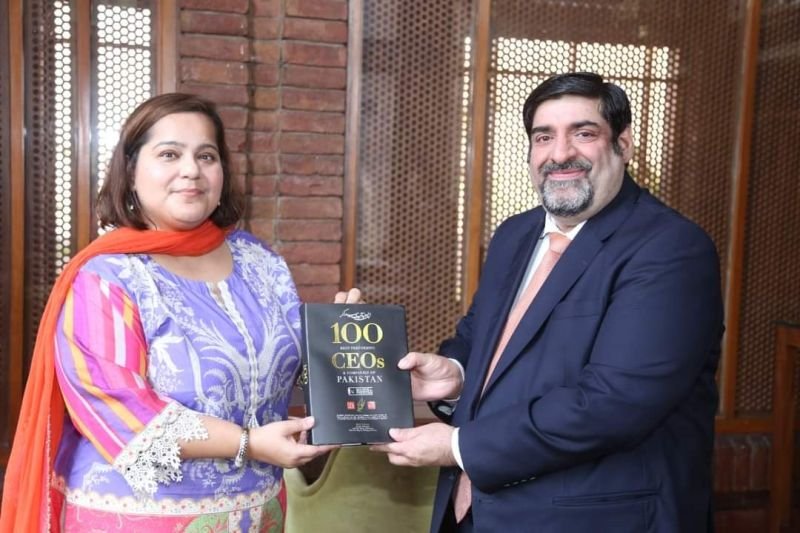
    Sitara Peroxide Limited, a leading chemical manufacturer, has announced significant changes to its senior leadership following a decision by its Board of Directors. The company has appointed Mr. Muhammad Bin Imran as the new Chairman of the Board and Mr. Imran Ghafoor as the Chief Executive Officer (CEO). Both appointments are for a term of three years.

    In a formal communication to stakeholders, the company confirmed that Mr. Muhammad Bin Imran will now chair the Board of Directors. Concurrently, Mr. Imran Ghafoor has been entrusted with the executive leadership of the company as its CEO. The move signals a strategic reinforcement of the company’s governance and operational command structure.

    About Sitara Peroxide Limited
    Sitara Peroxide Limited is a prominent name in Pakistan’s chemical industry, primarily engaged in the manufacturing and sale of hydrogen peroxide. Hydrogen peroxide is a vital industrial chemical with diverse applications, including its use as a bleaching agent in the textile and paper industries, a disinfectant, and in water treatment processes. The company is part of the larger Sitara Group, which has substantial interests in textiles, chemicals, and engineering.

    Recent Progress & Outlook
    The leadership transition comes at a time when the company is navigating a dynamic industrial landscape. Sitara Peroxide has consistently focused on maintaining production efficiency and meeting the robust demand from key sectors like textiles, which are crucial for Pakistan’s exports. The appointment of a dedicated Chairman and CEO is expected to provide focused strategic direction, potentially steering the company towards new avenues of growth, operational excellence, and enhanced stakeholder value.

    Industry observers view these appointments as a step to bring fresh leadership perspectives to guide the company’s future initiatives and market strategy. The new leadership will be responsible for driving the company’s performance in the competitive chemical manufacturing sector. – ER News Desk

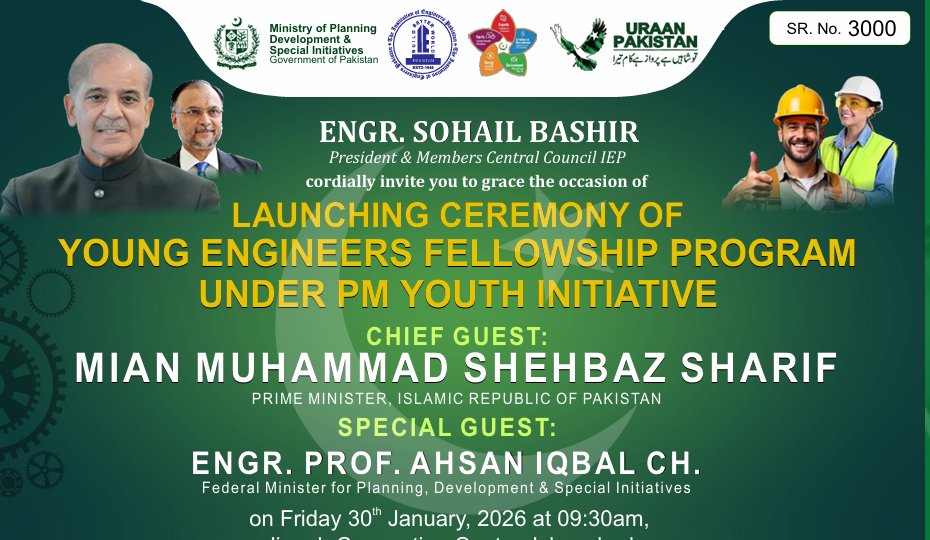
  • Prime Minister to Inaugurate Young Engineers Fellowship Program on January 30

    Prime Minister to Inaugurate Young Engineers Fellowship Program on January 30

    The event has been organized by The Institution of Engineers Pakistan (IEP). Federal Minister for Planning, Development, and Special Initiatives, Engineer Professor Ahsan Iqbal Chaudhry, will attend the ceremony as the special guest, while IEP President Engineer Sohail Bashir, members of the Central Council, and senior engineers will be the hosts.

    The Young Engineers Fellowship Program is a one-year paid fellowship designed exclusively for graduate engineers, aiming to bridge the gap between engineering education and practical exposure to public sector development projects. Under the program, selected fellows will be placed on Public Sector Development Programme (PSDP) funded projects across the country, based on project requirements and the fellows’ stated preferences.

    According to program details, the fellowship will provide hands-on learning, professional mentorship, and field exposure. Capacity building will be supported through free professional training programs offered by IEP. Fellows will receive a monthly stipend of Rs 50,000 during the fellowship period.

    The program is open to Pakistani nationals who are graduate engineers with 16 years of education, a minimum CGPA of 2.0, and valid Pakistan Engineering Council (PEC) registration, which is mandatory. Applicants must be fresh engineering graduates, not older than 28 years, and unemployed at the time of application.

    The selection process will be fully digital and merit-based, with 60 percent weightage for academic performance and 40 percent for a structured interview, IEP leaders said.

    IEP officials stated that the initiative aims to enhance the employability of young engineers, strengthen their professional skills, and contribute to the effective implementation of national development projects by integrating fresh engineering talent into the public sector. – ER News Desk