In the heart of Pakistan’s energy discourse lies the Thar coal gasification debate, a contentious issue that juxtaposes the nation’s pressing energy needs against its environmental commitments. A recent study has surfaced, shedding light on the complexities surrounding coal gasification—a process argued to have a lesser environmental footprint compared to the direct burning of coal for power generation. However, the steep costs and intricate technology associated with coal gasification present formidable challenges for Pakistan, raising questions about its feasibility and sustainability.
At the launch of this pivotal study, former Minister for Climate Change Malik Amin Aslam articulated the gravity of Pakistan’s situation. “We are caught in a serious dilemma,” he explained. “On one hand, we require affordable energy, which can be harnessed from our indigenous resources like Thar coal. On the other, we face international obligations that discourage us from expanding our reliance on fossil fuels, given their significant contributions to climate change.”
To extricate the nation from this paradox, Aslam emphasized the urgent need for innovative technological solutions. “We must pursue methods that allow us to generate cheap energy while minimizing our carbon footprint,” he stated. He underscored the necessity of complementary nature-based solutions to offset the carbon emissions generated during power production. However, he was candid about the financial barriers that obstruct such advancements. “Both the technological and nature-based solutions demand substantial investment that Pakistan currently lacks. It is imperative that developed nations and international financial institutions recognize this reality. Without their support, we may have no choice but to exploit available resources, regardless of the environmental consequences,” he cautioned.
The study, conducted by the Policy Research Institute for Equitable Development (PRIED) in collaboration with the National University of Science and Technology (NUST), provides a comprehensive analysis of coal gasification’s potential and pitfalls. It highlights that while coal gasification offers a relatively cleaner alternative to coal burning, the associated costs and operational complexities may prove insurmountable for a developing country like Pakistan.
Environmental activist Ali Tauqeer Sheikh also weighed in during the event, stressing the importance of aligning energy policies with Pakistan’s commitments under the Paris Agreement. “Our energy decisions must not only fulfill our international responsibilities but also address the concerns of communities that bear the brunt of these projects,” he urged. Sheikh emphasized that a more equitable approach is needed to ensure that energy development does not come at the expense of vulnerable populations.
Haneea Isaad, an energy finance expert, echoed these sentiments, pointing out that several coal gasification initiatives have floundered in countries like the United States, India, and Indonesia, even when substantial subsidies were provided. “The government must conduct a thorough examination of viable alternatives before moving forward with coal gasification projects in Pakistan,” she advised.
Researcher Manzoor Ahmed Alizai, also affiliated with PRIED, reiterated the trend of project failures, warning that the past should inform future decisions. “The global landscape has seen multiple coal gasification projects either fail or be abandoned. We must learn from these experiences to avoid repeating the same mistakes,” he remarked.
Dr. Majid Ali, a faculty member at NUST and the study’s lead author, presented a critical comparison of energy sources. He argued that while coal gasification presents certain advantages over direct coal burning, it still cannot compete with renewable energy sources like solar power, especially when considering price and environmental impacts. “In the long run, solar energy and other renewables stand as the more sustainable and economically viable options,” he concluded.
As Pakistan grapples with its energy crisis, the discourse around Thar coal gasification serves as a microcosm of the broader challenges facing developing nations. Striking a balance between meeting immediate energy needs and adhering to global climate commitments remains an uphill battle. The way forward necessitates not only innovative solutions but also robust international cooperation and financial support to ensure that Pakistan can forge a sustainable energy future that benefits both its citizens and the planet. – ISLAMABAD: ER Report
Tag: Karachi
-

Navigating Thar Coal Dilemma: A Complex Energy Future for Pakistan
-
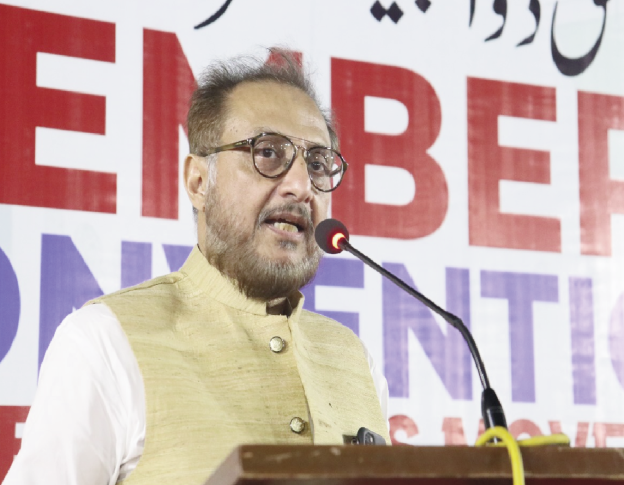
PEC Elections 2024 TEP, PEG-NEA begin exercises; Najeeb busy cobbling alliance
The alliance between the Professional Excellence Group (PEG) and the National Engineers Alliance (NEA) has created an interesting situation for engineers and their groups across Pakistan. Waseem Nazir and Qadir Shah, leading their respective groups, struggled to forge an alliance, which consequently led other groups and influential engineers, including the Pakistan Engineers Forum (PEF) to rethink their positions in the elections.
Before the PEG-NEA alliance, Waseem Nazir’s negotiating team was in talks with PEF for jointly contesting elections, while Qadir Shah and his team were on the verge of closing doors on Jawed Salim Qureshi’s The Engineers Pakistan (TEP). However, TEP’s core committee did not approve of picking Qadir Shah as the joint candidate for the chairman’s post.
Interestingly, despite the majority belief within Qadir Shah’s group that Shah cannot win the election as chairman independently, they are supporting a non-NEA leader for the chairman of the council once again. Before supporting Waseem Nazir, Qadir Shah’s group had agreed to back Najeeb Haroon as chairman, aligning with the Constructors Association of Pakistan (CAP) and personalities like Dr. Niaz Akhtar. Equally interesting is the fact that both Najeeb Haroon and Waseem Nazir hail from PEG.
NEA had opened talks with Jawed Salim Qureshi who, according to Shah’s engineers, had agreed to throw his weight behind Shah for the top slot but stepped back later. Behind-the-scenes discussions apart, prospects of the Shah-Qureshi alliance had sparked widespread discussions in the engineering fraternity, much like the talk after Shah’s alliance with Waseem Nazir. After an unsuccessful attempt with Jawed Salim Qureshi, Shah’s group found itself in a challenging situation and apparently had two options. ‘One, Shah should fight alone and lose the elections; and two, he should stand behind Najeeb yet again and lose,’ says one of his close associates. He said Waseem Nazir was the best solution in the given circumstances for winning the elections.
The NEA-PEG alliance, a senior TEP engineer says, will force Jawed Salim Qureshi to work hard and lure more and more engineers for support. Although Punjab would be the real battleground, the group has to seriously look into issues in Sindh—the second-largest province of Pakistan—where TEP has to face the Qadir Shah group now with Waseem Nazir.
Before falling for Waseem Nazir, NEA had some solid and some wavering support for Najeeb Haroon, who had hopes that his erstwhile allies would back him for the second tenure. ‘It was Qadir Shah who refused in point blank to stand alongside Najeeb,’ revealed an NEA leader.
Najeeb Haroon, the incumbent chairman of the council, is faced with a challenge to cobble together remaining groups and personalities for shaping a coalition that could be as influential as TEP and NEA. He is looking towards Ashfaq Shah, PEF, estranged associates of Waseem Nazir, and influential engineers, attempting to forge a kind of arrangement. Among them, any alliance with Ashfaq Shah may be a distant possibility for Najeeb Haroon, as Shah is reportedly adamant about his stance on the chairman’s post.
The PEG-NEA alliance has not only affected Najeeb Haroon’s calculations; PEF also has to rethink their strategy as the group was reportedly in advanced talks with the PEG team. They must be reevaluating the situation and weighing their options: supporting Najeeb Haroon, Ashfaq Shah, or going alone. In the 2021 elections, PEF was part of the National Engineers Alliance but withdrew at the last minute, claiming betrayal over seat allocations in the governing body. PEF leaders assert they had signed an agreement with Najeeb Haroon, which he did not honor.
Now, with Najeeb Haroon being one of three options, PEF must make a decision in the coming days. Whether they will be able to make a significant impact remains to be seen, as PEF may not support Ashfaq Shah, being a smaller group for the chairman’s post.
This week’s update: Engr. Waseem Nazir, leading the Professional Excellence Group (PEG), and Engr. Qadir Shah, leading the National Engineers Association (NEA), have decided to jointly contest the PEC Elections 2024 scheduled for August 18. The new alliance has announced that Engr. Nazir will be the coalition’s candidate for the post of Chairman, and Engr. Raghib Shah for Senior Vice Chairman.
The top leadership of PEG and NEA met in Karachi to forge an alliance for the upcoming Pakistan Engineering Council (PEC) Elections 2024, as stated in today’s NEA press release. Recognizing the importance of unity over individual ambitions, NEA and PEG have decided to merge their efforts and contest the elections under the unified banner of PEG-NEA.
The press release reads: “This collaboration combines the wealth of local experience with the innovative perspectives of global thought leaders. Together, they aim to transform PEC into a dynamic, forward-looking organization that meets international benchmarks and standards.” Engr. Waseem Nazir has been nominated as the joint candidate for Chairman, while Engr. Raghib Abbas Shah will stand for Senior Vice Chairman. Candidates for the remaining positions of vice chairmen of all provinces and members will be announced shortly. -
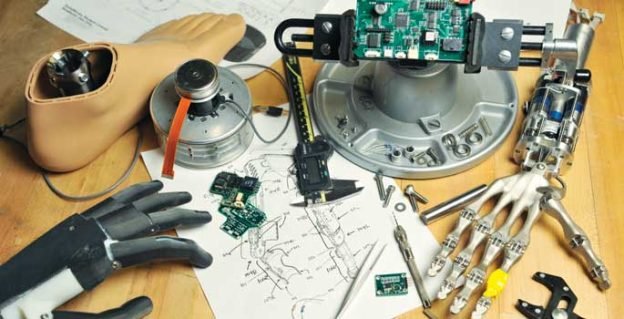
PEC’s Make in Pakistan Policy Proposes 15-year Localization Plan
Aimed at controlling trade deficit through self-reliance and creating local industrial initiatives, the Pakistan Engineering Council (PEC) has proposed a policy titled ‘Make in Pakistan’ that the authors believe would improve the country’s GDP growth, build the capacity of engineering professionals, and encourage investments.
The draft of the policy which is in circulation among engineering circles does not bear any names of the authors or the PEC committee that has undertaken this effort. Also, no major groups of the engineering fraternity knew about making such a policy. To the surprise of many, either no member of the management committee or scantly few had a hint.
The draft talks about the traditional woes of the country’s economy entangled in a vicious circle that takes off from the increased dependency on import-based consumption leading to an extensive burden on Foreign Exchange reserves to dependence on global lenders and the consequences for the country and its people.
The policy proposes to revisit the existing situation in the manufacturing sector of Pakistan by Promoting a culture of Localization as a workable instrument in the form of Import substitution. For that matter, we need to create a healthy “Industrial Culture for Localization of Equipment / Products.” To support this cause; Policy Framework for “MIP” is proposed as a viable, sustainable solution for economic reforms and a first step towards indigenization.
To get rid of the adverse impact on economic growth, the policy has proposed a under that maximizes localization of Production of Engineering Goods (EGs) through indigenous resources, and import substitution to cater to the domestic consumer & industry demands. taking solid steps through various measures to ensure “Technology Transfer and build Technology Acquisition Houses are ensured.
This plan also includes collaboration with advanced/ developed countries in a phased yet systematic manner. The policy also focuses on enhancing exports of Medium to Hi-tech products resulting in earning precious foreign exchange and job creation for youth, especially for Technicians, IT Professionals, Computer Scientists, Technologists, and Engineers.
The document identifies areas such as Automobiles and Components, Mining, Gemstones & Exploration, Agri-tech and Food Processing, Construction and Machinery, Energy Sector with a focus on Renewable Energy, Oil and Gas, IT and Software, Defense Manufacturing, Roads and Highways, Sports Industry, Leather Products, Medical and Healthcare Equipment, Biotechnology and Pharmaceutical, Electrical Equipment and Machinery, Media, Entertainment, Ports and Shipping Equipment, Textiles and Finished Derivative, Electronic Components, Systems and PCB Manufacturing, Chemicals, Railway Industry, Domestic Appliances, Telecommunication Equipment, Artificial Intelligence, Product and Process Designing, Cutlery & Sanitary, Waste Management & Recycling.
The policy says the PEC will act as a statutory body for structuring the MIP policy framework, implementation, and periodic review.
In addition, the PEC proposes legal reforms and incentives to promote the manufacturing sector, such as offering tax breaks/rebates, simplifying regulatory processes, and easing foreign investment restrictions through the Act of Parliament for continuity and sustainability of MIP Policy for the entire 15 years.
PEC has been proposed to lead all regulatory bodies dealing with product certification standards, quality assurance, and implementation of good engineering practices (PNAC, EDB, DRAP, PSQCA CBTL, etc.) needs to be established to certify National R&D, perform conformity assessment, and issue product, process and services certification including software under PEC in collaboration with all stakeholders.
The Industrial Development Bank of Pakistan (IDBL) which was established in 2018 should be made effectively functional with the allocation of funds for financing the engineering industry to process development and automation, establishment of local test facilities, supervisory control, technology transfer and transition. Funding may be provided after thorough scrutiny on an ROI basis.
The promotion/posting and financial benefits of the Trade attachés of Pakistan embassies should be linked with the export performance to the country of their posting.
The policy paper has also talked about Improving the Business Environment for which it has suggested bolstering the manufacturing sector.
It says the government needs to address some critical concerns such as 1) Improving the ease of doing business, 2) Simplifying regulatory and bureaucratic procedures, 3) Removing unnecessary barriers to facilitate manufacturing and trade through Investor facilitation cells, provision of supporting platform for new start-ups and Coopting of regulatory measures for encouraging indigenization of products and technology. This initiative will create a conducive environment for local investors to establish their businesses in the country and attract Foreign Direct Investments (FDIs) in the manufacturing sector.
On Industry-Academia Collaboration, it talks about involving all the stakeholders by collaboration of industry and academia and providing a platform as a pool of experts, retired professors, and professionals for bridging the industry–academia gap by: 1) Development of technology diffusion & transfer cells, 2) Involving experts from industry and academia, 3) Demand-driven projects/ research papers by students and faculty, 4) Establishment of a pool of experts to support the industry on the format of JICA, CBI, etc, 5) Capacity building of lead auditors and consultants for all relevant international certifications, 6) The engineering companies/ entities, including design, manufacturing, consultancy, and execution to be regulated by PEC, 7) regulating of engineers, professionals, and faculty members to carry out research projects relevant to the need of the industry to the extent of commercialization., 8) promoting and providing financial benefits of the faculty engaged with successful completion of industrial project be considered 04 times the 01 research paper. – Karachi: ER Report -
Learning from China a must to promote sustainable development of chemical industry
Moazzam Ghurki, president of Pakistan China Joint Chamber of Commerce and Industry (PCJCCI), said during a think tank session held at PCJCCI Secretariat the other day that Pakistan does not have mature technology to produce petrochemical complex facilities or cracking units, which is a very big constraint to the development of its chemical industry. He stressed that Pakistan can collaborate with China and learn from China’s experience to promote the sustainable development of the chemical industry and give full play to the industry in the national economic construction. President PCJCCI also highlighted that there is a vast potential of Pakistan in chemical manufacturing and processing. Our vision was to transform the chemical industry of Pakistan from an import-oriented to an export-oriented industry. Fang Yulong, senior vice president PCJCCI, further added that with the rapid development of biotechnology, the biochemical industry has injected new vitality into the traditional chemical industry and opened up new development directions and insights. He further explained that China has a growing influence in the field of biochemical industry globally. Both approaches will be of great benefit to Pakistan. Zafar Iqbal, chairman Standing Committee on Chemical Industry (PCJCCI), said that with the continuous growth of economy and population base, the demand of Pakistani citizens for chemical products is increasing day by day. The country is highly dependent on imported oil products, and the shortage of oil products has even affected national security. He added that China’s successful chemical park model can provide Pakistan’s small and medium-sized enterprises (SMEs) with the necessary resources and facilities, so as to achieve cluster development. Hamza Khalid, vice president PCJCCI, said that Cracker is an important link in the transfer of chemical production to downstream and upstream operations. It is significant to establish a chemical industrial park with facilities such as common effluent treatment plant, a sound supply network of water, electricity, centralized steam generating facility to reduce capital & operating expenditures for chemical manufacturers. With the promulgation of the SME Policy, Pakistani government is taking rational and challenging steps to develop SMEs for their growth.
-
AIIB approves US$250 m loan after WB’s US$350m to help Pakistan
The Asian Infrastructure Investment Bank’s (AIIB) Board of Directors have approved a loan of $250 million to help Pakistan strengthen its response to the social and economic fallout from the Covid-19 pandemic, said the financial institution in a press release at the end of year 2023.
The AIIB said that the loan is co-financed by the World Bank, adding that this development policy financing will help bolster the government’s Resilient Institutions for Sustainable Economy Program.
The RISE Program is a part of a set of measures Pakistan has undertaken towards recovery from the impact of the pandemic. The program aims to stimulate investment in human capital, expand social safety nets, improve the emergency health infrastructure and foster economic growth.
The investment bank stated that the latest loan brings AIIB total support to Pakistan’s Covid-19 response to $750 million.
The statement mentioned that the health crisis is expected to have far-ranging and long-term repercussions on growth, which may undermine the hard-fought progress the country has made in restoring macroeconomic stability.
The AIIB said that pandemic has taken a toll on employment in the formal and informal sectors, with the poor, women and other vulnerable groups disproportionately affected.
“The pandemic has rapidly evolved in Pakistan and now threatens to undo many of the hard-won gains made in reducing poverty over the past two decades,’ said AIIB Vice President, Investment Operations, Konstantin Limitovskiy.
“Our immediate support is critical and will contribute to the government’s efforts to mitigate pandemic-related shocks, so that the country may continue on its path to sustainable development,” he said.
The AIIB said it does not have a regular instrument for policy-based financing, the Bank is extending such financing on an exceptional basis under its Covid-19 Crisis Recovery Facility to support its members through projects co-financed with the World Bank or the Asian Development Bank.
It merits mentioning that The World Bank had announced in December 2023 that its board of directors had approved the long-awaited $350 million loan ‘2nd Resilient Institutions for Sustainable Economy (RISE-II) Operation’ to Pakistan to support key macroeconomic reforms in energy, taxation and business environment.
As per the announcement of the bank, the financing was aimed to strengthen fiscal management and promote competitiveness for sustained and inclusive economic growth
The operation contributes to better fiscal management by improving fiscal policy coordination, enhancing debt transparency and management, strengthening the taxation of property, and improving the financial viability of the power sector, the bank had said, adding that the financing seeks to foster growth and competitiveness by reducing the cost of tax compliance, improving financial sector transparency, encouraging the use of digital payments, and promoting exports by lowering import tariffs.
The bank believed that Pakistan needed urgent fiscal and structural reforms to restore macroeconomic balance and lay the foundations for sustainable growth.
“RISE-II completes the first phase of tax, energy and business climate reforms geared to raising additional revenues, improve the targeting of expenditures and stimulate competition and investment.”
World Bank’s team leader for the operation Derek H. C. Chen said that based on the foundations laid through RISE II and parallel support by other international financial institutions, Pakistan had the opportunity to tackle long-standing structural distortions in its economy after the upcoming general elections. “Failing to use this opportunity would risk plunging the country back into stop-and-go economic cycle,” he said.
Importantly, the combined $600m program would help Pakistan shore up foreign exchange reserves while taking measures to enhance the policy and institutional framework for improved fiscal management and regulatory conditions that support growth and competitiveness. -
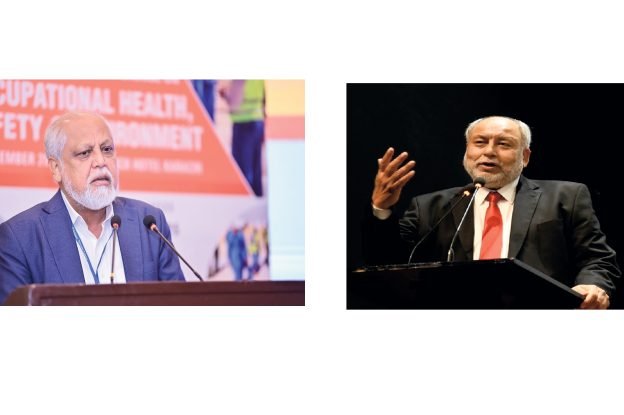
Engr. Najeeb resolves to contest for second term, expects allies’ support Contesting for the last time; Oldies should leave space for younger lot, PEC Chairman PEC advices former chairmen bracing for polls
Chairman Pakistan Engineering Council (PEC) Engr. Muhammad Najeeb Haroon is determined to contest PEC Elections 2024 for the second term and expects that his key allies—National Engineers Association (NEA), led by Engr. Abdul Qadir Shah and Engr. Mukhtar Sheikh will support him.
‘Contesting for the second tenure is my right {by the Act} and also necessary for the continuity of the programs, of them a number are very innovative ones like the On Job Training (OJT) Program and have benefitted engineers in Pakistan’, Engr. Haroon told Engineering Review.
I have already announced in clear terms that I would contest the PEC elections and also communicated this to my allies, friends, and my team, now it’s their decision if they continue to support me, says Engr. Haroon. However, he said he expected his allies to stand along with him like they did in the last elections.
”The PEC Elections 2024 would be my last election which I shall contest in the PEC he declared saying he would never cling to it and leave space for younger generations.
Chairman PEC who presided over the council’s last GB meeting of the year 2023 with a major decision to declare the Year 2024 as the Year of Information Technology, aimed to transform the council into a technology-driven headquarters of engineers in Pakistan where colonial-style files tied with red ribbons have outplaced the offices at Islamabad advised all ‘oldies’ aspirants of top office who have already held the office of the chairman should step down for the younger generations.
Engr. Najeeb says Pakistan’s young engineers are not impotent that the older lot is clung to power and never allowed their younger generations to take the reins. Without taking their names, he advised previous chairmen of the PEC, for floating younger leaders from their camps for the next PEC Elections.
Engr. Haroon justified his candidature for the next term on the basis of what he termed as his performance which included his efforts to transform the council into a well-connected organization at the national as well as the international levels.
He said he brought professionals to the council in various departments especially in Finance and IT. Now, they will celebrate the year 2024 as the year of IT and shall computerize all departments from top to bottom so that transparency is ensured in all processes of registrations and services to engineers and create swift connectivity with consultants both at the national as well as international levels.
Engr. Haroon claimed the PEC is now connected with international engineering organizations and has earned appreciation at various forums including the one held in Dubai recently.
A Washington Accord Review team has recently visited various universities in Pakistan and we are sure to be able to have a 6-year extension in the program, he says.
Engr. Haroon said he launched the On Job Training (OJT) Program under which over 4000 young engineers have been trained and many have gotten jobs in those organizations. This program would continue until all engineers are accommodated in their jobs, he declared.
The PEC chairman who inaugurated the council’s Lahore Regional Office, an 8-storey building in the heart of the city on the eve of the GB moot believes he has sufficient performance points to claim the second stint in the office revealing that the council has decided to fund 593 final year projects of the students of engineering universities across Pakistan. Never has happened and no one has ever taken such decisions, he says. This is an outcome of a grand moot of 102 engineering universities of Pakistan that was organized in Faisalabad by the council . Capstone 2024 will be held in Islamabad and all the provincial capitals showcasing final year engineering projects which in the past mostly become part of decorative objects in universities’ shelves, Engr. Najeeb says. -
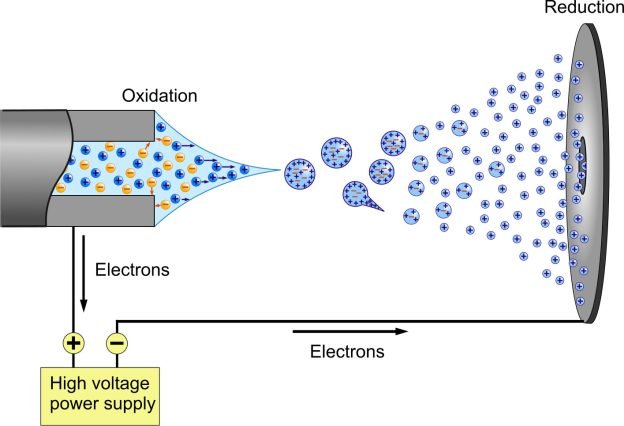
Variants of Electrospray Ionization
Electrospray ionization mass spectrometry or, less frequently, electrospray mass spectrometry are the two names for ESI-based mass spectrometry.
ESI is referred to as a “soft ionization” approach because there is hardly any fragmentation. Although the molecular ion (or more precisely, a pseudo molecular ion) is almost always detected, this can be helpful because very little structural information can be gleaned from the straightforward mass spectrum. Electrospray is used to disperse the liquid containing the target analytes into a fine aerosol. The usual solvents for electrospray ionization are made by combining water with volatile organic molecules since the ion production requires considerable solvent evaporation (e.g. methanol acetonitrile). Compounds that improve conductivity, such as acetic acid, are typically added to the solution to reduce the initial droplet size. Additionally, these species serve as a source of protons to speed up the ionization process. In addition to the high temperature of the ESI source, large-flow electrosprays can benefit from the nebulization of a heated inert gas like nitrogen or carbon dioxide.
The ions detected by mass spectrometry may be quasimolecular ions, which are denoted [M + H]+ when a hydrogen cation is added, [M + Na]+ when a sodium ion is added, or [M H] when a hydrogen nucleus is removed. Multiple-charged ions, such [M + nH]n+, are frequently seen. Numerous charge states can exist in massive macromolecules, creating a distinctive charge state envelope.
Because of the significantly smaller initial droplets created by the electrosprays when they are operated at low flow rates, ionization efficiency is increased. Significant sensitivity gains could be achieved with lower flow rates, as low as 200 nL/min, according to a 1993 study by Gale and Richard D. Smith. Two research teams came up with the term micro-electrospray (microspray) in 1994 to describe electrosprays that operate at low flow rates. Emmett and Caprioli showed that operating the electrospray at 300–800 nL/min resulted in increased performance for HPLC–MS analyses. Wilm and Mann showed that an electrospray at the tip of emitters made by drawing glass capillaries to a few micrometres may be sustained at a capillary flow of less than 25 nL/min.
In a two-step procedure called laser-based electrospray-based ambient ionization, material from a sample is desorbed or ablated using a pulsed laser, and then a plume of that material interacts with an electrospray to produce ions. The sample substance is deposited on a target close to the electrospray for ambient ionization. Material from the sample is ejected from the surface and into the electrospray, which creates highly charged ions, when the laser desorbs or ablates it. These include laser ablation electrospray ionization, matrix-assisted laser desorption electrospray ionization, and electrospray laser desorption ionization. The study of noncovalent gas phase interactions also makes use of electrospray ionization. It is believed that noncovalent compounds from the liquid phase can be transferred into the gas phase using the electrospray method without affecting the non-covalent interaction. When analyzing ligand substrate complexes by ESI-MS or nanoESI-MS, issues such non-specific interactions have been found. Investigating the relationships between enzymes and medications that function as their inhibitors is a fascinating example of this. ESI has been employed in competition experiments between STAT6 and inhibitors to screen for potential novel medication candidates. Smaller droplets are produced and only a few microliters of a sample are consumed during nano-electrospray ionization. The reduced electrospray droplet size made it possible to perform successful desolvation and ion production at low flow rates, which was a specific advantage of operating at low pressure. -

‘Global Leader Panel Discussion: Charting STEM Career’ at MUET Jamshoro 70 pc females in STEM not contributing due to different reasons Striking balance between professional work and the family; extremely difficult to give 100 percent either side.
A group of highly regarded women engineers working with leading engineering universities and organizations around the world came to a consensus during a panel discussion at Mehran University of Engineering & Technology, Jamshoro that it is almost impossible to strike a balance between professional work and the family and thus it turns extremely difficult to give 100 percent either side.
They talked about launching proper training for women so that they took active participation in working committees, created resilience and assertiveness, and have potential work-from-home opportunities to balance family needs and thus reduce stress.
Titled as ‘Global Leader Panel Discussion: Charting STEM Career’ was part of the International Women Engineers Conference, organized by the Women Engineers Development Committee (WEDC) of the Pakistan Engineering Council (PEC) held at Mehran University of Engineering and Technology Jamshoro.
The panelists included Dr. Mamiko Reeves, International Programs Strategist, Northwood University, Midland, Michigan, United States, Dr. Alex Lockwood, Strategic Content Integrator for NASA’s Science Mission Directorate, Dr. Alberta Adjebeng Biritwum-Nyarko, Director, Policy Planning Monitoring & Evaluation, Division, Ghana Health Service Headquarters, Shelley J. Bausch, Senior Vice President, Global Industrial Coatings and Prof. Dr. Khadija Qureshi, Convener, Women Engineer Development Committee, PEC, Chairperson, Department of Chemical, Engineering, Mehran University of Engineering & Technology Jamshoro. Dr. Mamiko Reeves moderated the session.
They were of the view that engineering plays an important role in solving global challenges, and driving innovations for its continuous success a diversified pool is needed. Women Engineer Development Committee (WEDC) of the Pakistan Engineering Council contributes to a diverse and innovative engineering workforce.
The panel discussion started with the sharing of the journeys of the panelists and how they could manage to reach these leadership positions. They emphasized the challenges of balancing work and family, discussing their commitment to caring for both their families and professional roles. Early experiences in taking care of younger siblings were highlighted as formative. The panelists addressed the importance of promoting healthy relationships within working teams, effective interactions with women in various positions, and the development of a nurturing culture to support one another in organizations. While talking about balancing work and family, the panelists said that it is quite difficult rather impossible to give 100 percent to both.
Panelists were asked about the values they would like to impart through their work, and they underscored commitment, teamwork, creating a friendly workplace culture, integrity, adaptability, honesty, effective coordination, respect for coworkers, and encouragement of those striving for the organization’s success. They also emphasized the idea that a leader’s success lies in building other leaders.
As per the recent survey, 30 percent of women in STEM are employed whereas 20 percent are unemployed and 50 percent are not working or taking part in any activity due to various reasons. Collectively, 70% of females in STEM are not contributing due to different reasons. There is a high need for improvement and working for the empowerment of these ladies so effective output should be obtained for the women in STEM.
The panelists recommended mentoring as crucial for women’s career development and higher education, the importance of doing good and being good, self-assessment for daily progress, and the significance of both formal and informal mentoring. They stated that mentoring is very important and it gives important life lessons also.
Regarding opportunities to change things for women in work organizations, the panelists supported proper training for women, active participation in working committees, resilience and assertiveness, potential work-from-home opportunities to balance family needs and reduce stress, and the encouragement of the younger generation to gain skills, seek opportunities, and inspire leaders to recognize their potential.
It’s high time academicians, government and industry can work together to develop strategies to help demystify engineering making it more accessible to women and young people and empowering them to realize their potential in the field of engineering.n -
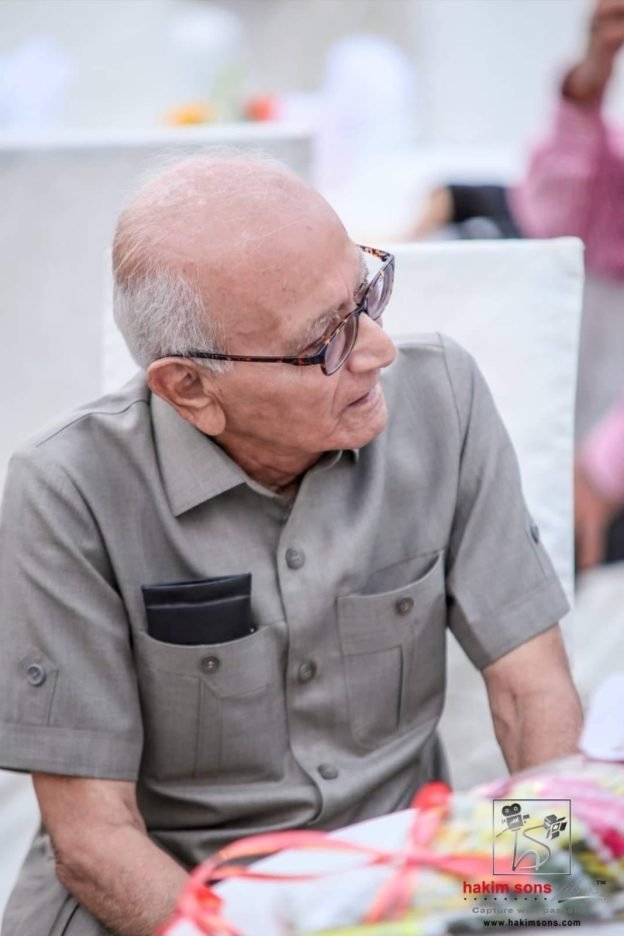
MEMORIAL TRIBUTE In Memoriam: Prof. Dr. Haroon Jangda March 20, 1942 – November 08, 2023
It is with heavy hearts that we bid farewell to a towering figure of knowledge, an inspiring educator, and a cherished member of our community, Prof.
Dr. Haroon Jangda, who peacefully departed on November 08, 2023.
Born on March 20, 1942, Dr. Haroon Jangda’s life was a testament to an insatiable thirst for wisdom. His academic journey culminated in a Ph.D. in Chemical Engineering from Sheffield University in the United Kingdom, a profound reflection of his unwavering passion and dedication to his field. Originating from Bantwa, a serene town in Kathiawar within the former district of Gujarat, India, his life bore the imprints of diverse experiences and deep roots.
In his formative years, Dr. Jangda’s life was shaped by humble beginnings. Growing up with a sister and a brother, education held a special place in their hearts. Dr. Jangda’s educational odyssey began at Madrassa-e-Islamia School in Karachi for matriculation, progressing to D.J. Government Science College for intermediate studies. The late 1950s witnessed his academic zenith with a BSc (Hons) from Karachi University. Awarded the Dawood Foundation Merit Scholarship for overseas studies, he embarked on a transformative academic journey in England, attaining both his Master’s and Ph.D. degrees in Chemical Engineering from Sheffield University
In 1964, a profound and enduring connection was established when Dr. Jangda lent his expertise to a project at Dawood Jute Mills in East Pakistan. This marked the inception of an extraordinary partnership with the Dawood family, who held him in high esteem. Later, in 1970, he became an indispensable figure at Dawood College, assuming the position of the head of the Chemical Engineering department in 1972. He held this role until 1998, when he stepped down due to health challenges. Despite this change, he remained dedicated to the institution, continuing his association as a professor until his final moments.
In the 1990s, he was given the opportunity to serve as the principal of the college, a gesture he graciously declined. His rationale was rooted in the belief that undertaking such a responsibility would potentially compromise his professional role as a Chemical Engineer, where he served in an advisory capacity for the industry.
Prof. Dr. Haroon Jangda’s life and accomplishments stand as a testament to an extraordinary journey. His impact transcended the academic realm, leaving an indelible mark on the communities he touched. His legacy embodies knowledge, commitment, and an enduring connection with the Dawood family—a legacy that will resonate through the ages.
The Department of Chemical Engineering at Dawood College boasts a rich history, being one of the pioneering institutions to introduce the Bachelor of Engineering program in Chemical Engineering in 1964. Dr. Haroon’s extensive industry network played a pivotal role in benefiting students over the years. His ability to coordinate expert assistance for final-year student projects, arrange industrial internships, guide graduates into industry roles, and help fresh graduates secure employment set him apart. His unparalleled connection with industry professionals earned him the reputation of a father figure in the Karachi chemical industry.
He assumed the role of mentor for nearly every faculty member within the University. His unwavering alignment with the University’s objectives made him a reliable source of support for the Chief Executive whenever required. His distinguished and amiable personality was widely acknowledged.
As an educator, Dr. Jangda’s influence knew no bounds. His teaching style seamlessly combined wisdom and warmth, leaving an enduring mark on his students. His dedication to excellence and his eagerness to provide guidance and mentorship endeared him to all as a beloved teacher and mentor.
Beyond his scholarly pursuits, Dr. Haroon Jangda was renowned for his kindness, benevolence, and genuine desire to assist others. His influence extended beyond the classroom, touching the lives of numerous individuals fortunate enough to know him.
Dr. Jangda is survived by his family, who will eternally cherish his memory as a beloved family member and a respected scholar.
Prof. Dr. Haroon Jangda’s legacy in the realm of Chemical Engineering, and his profound impact on the lives of those he taught and mentored for more than five decades at Dawood University, will continue to inspire and influence generations to come.
In his revered memory, we reflect on the words of the great educator, “Because chemical engineering is concerned with large-scale plants, it is important that chemical engineering candidates have an appreciation of the scale and complexity of modern plants before they graduate.”
As we bid adieu to an extraordinary educator, mentor, and scholar, we pay homage to Prof. Dr. Haroon Jangda’s legacy, extending our deepest condolences to his family and all who admired and respected him. His absence is deeply felt, but his memory will forever be cherished. -
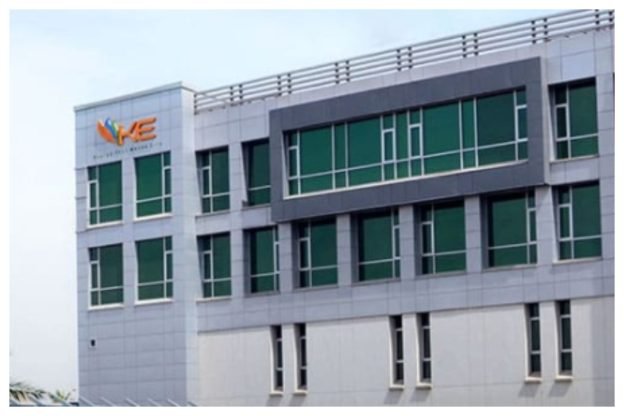
KE claims investing Rs. 150 m in rehabilitation works
Committed to transparency, responsible practices, and building a sustainable energy future, K-Electric has unveiled its Sustainability Report 2023.
Themed “Powering Possibilities”, the report illustrates the ongoing efforts of the organization in setting targets and executing interventions that ensure progress towards the company’s sustainable future.
At this occasion, Moonis Alvi, Chief Executive Officer, KE said, “The energy sector faces its own trilemma – Sustainability, particularly Climate Change, Affordability, and Energy Security – to achieve sustainable goals and striking the right balance between these elements is imperative for the effective functioning of the energy ecosystem. As we navigate through these difficult times, the responsibility we have towards our customers, shareholders, the environment, and the communities we serve drives our actions. This report highlights our progress, challenges, and our ambitious vision for a sustainable future.”The report contains information about KE’s operations from the company’s Fiscal Year 2023, from July 01, 2022 to June 30, 2023 and includes both quantitative data and qualitative insights. With reference to the Global Reporting Initiative (GRI) Standards, KE’s commitment and efforts have been showcased under 11 of the 17 UN Sustainable Development Goals (SDGs) in the report. The SDGs broadly include ‘Good Health and Well-Being’, ‘Quality Education’, ‘Gender Equality’, ‘Clean Water and Sanitation’, ‘Clean Energy’, ‘Economic Growth’, ‘Industry, Innovation, Infrastructure’, ‘Reduced Inequalities’, ‘Sustainable Cities & Communities’, ‘Responsible Consumption’, and ‘Climate Action’. During FY 23, KE has achieved an impressive 23% reduction in greenhouse gas emissions compared to FY 22, a success attributed to the integration of highly efficient energy generation. Towards sustainable cities and communities, KE has invested around PKR 150 million in rehabilitation works. By introducing several key environment-friendly initiatives such as Hara Qadam and conversion of customers towards paperless billing, KE has saved over 4,000 trees, 94,000 kg of waste, and 200 million liters of water.